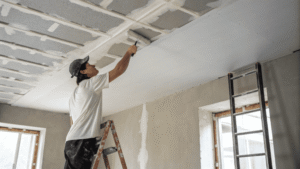


Choosing the wrong gypsum board can lead to cracks, mold, and failed inspections. Let's look at the four main types to ensure you get it right every time.
The four most common types of gypsum board are regular, water-resistant, fire-resistant, and moisture-proof. Each is designed for a specific environment, and using the wrong one can lead to major problems like sagging ceilings or mold growth in just a few months.
I've been in the building materials industry for a long time, starting on the factory floor and eventually building my own. Over the years, I’ve seen countless projects suffer because someone treated gypsum board as a one-size-fits-all product. They pick the cheapest board without understanding its limits. This approach almost always backfires, leading to costly repairs and rework. The truth is, the small savings upfront are quickly erased by the high cost of fixing a warped ceiling or a moldy wall. Let’s go deeper into what makes each board different, so you can avoid these common pitfalls.
What are the different types of gypsum board?
You treat gypsum board as a generic material, but this leads to costly mistakes. Using a standard board in a bathroom can cause it to crumble and mold within a year.
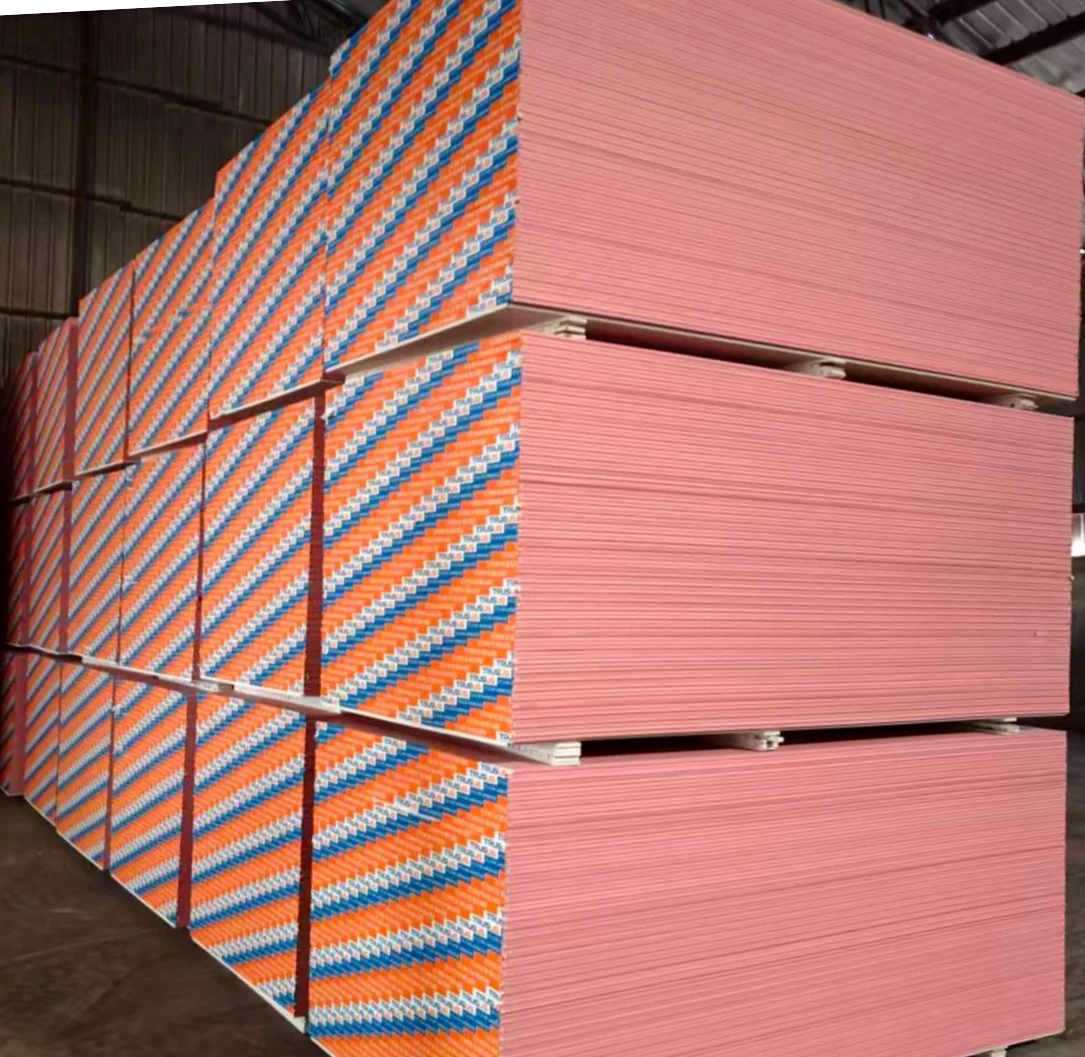
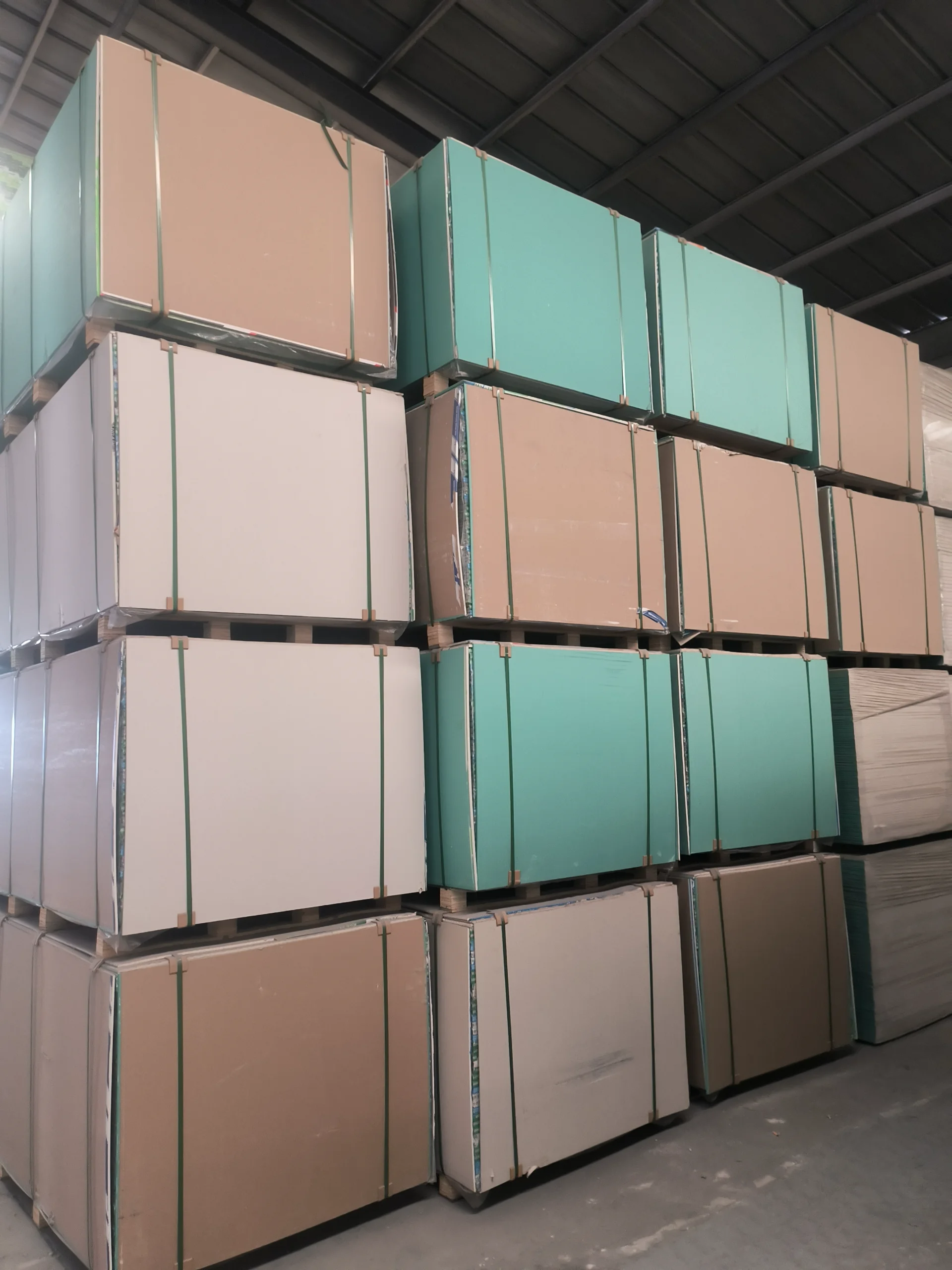
The main types are regular, water-resistant, fire-resistant, and moisture-proof. Each has special additives and facing paper to perform in different areas, from dry living rooms to high-humidity bathrooms and fire-rated hallways. Choosing the right one is critical for long-term performance.
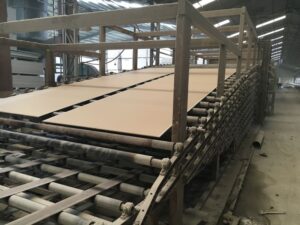
From my experience running a factory, I can tell you that these boards are far from interchangeable. We manufacture each type with a very specific purpose in mind. The core ingredients and the manufacturing process are carefully controlled to achieve a certain performance standard. Ignoring these differences is a recipe for disaster. I've seen contractors try to cut corners by using regular board in a basement, only to be called back six months later to replace entire walls that have been ruined by dampness. It’s a classic case of being penny-wise and pound-foolish. Understanding the core function of each board is the first step to becoming a smarter builder and buyer.
An Overview of Common Gypsum Boards
Let’s break down the fundamentals. Each board is engineered to solve a specific problem.
| Board Type | Core Feature | Best Use Case |
|---|---|---|
| Regular Board | Standard gypsum core, paper facing | General interior walls and ceilings in dry areas |
| Water-Resistant Board | Water-repellent additives, low absorption | Kitchens, bathrooms, laundry rooms |
| Fire-Resistant Board | Glass fiber reinforcement in the core | Fire-rated walls, commercial corridors, garages |
| Moisture-Proof Board | Specific formulation for humidity control | Basements, ground-floor storage rooms |
Think of it like this: you wouldn't wear dress shoes to go hiking. In the same way, you shouldn't use a regular gypsum board in an area that needs moisture or fire protection. The green paper on a water-resistant board isn't just for color; it signifies that the board's core and paper are treated to resist water absorption. Similarly, the glass fibers in a fire-resistant board (Type X) are not visible, but they are crucial for maintaining structural integrity during a fire. Making the right choice at the start saves you headaches and money down the line.
What is Type C gypsum board used for?
You need a higher fire rating than standard fire-resistant board offers. But using a regular Type X board might not pass strict inspections for critical areas, forcing expensive tear-outs.
Type C gypsum board is an enhanced fire-resistant drywall used for superior fire protection. It has special additives that expand when heated, creating a dense insulating layer that dramatically slows fire spread compared to standard Type X board. This is for your most critical applications.
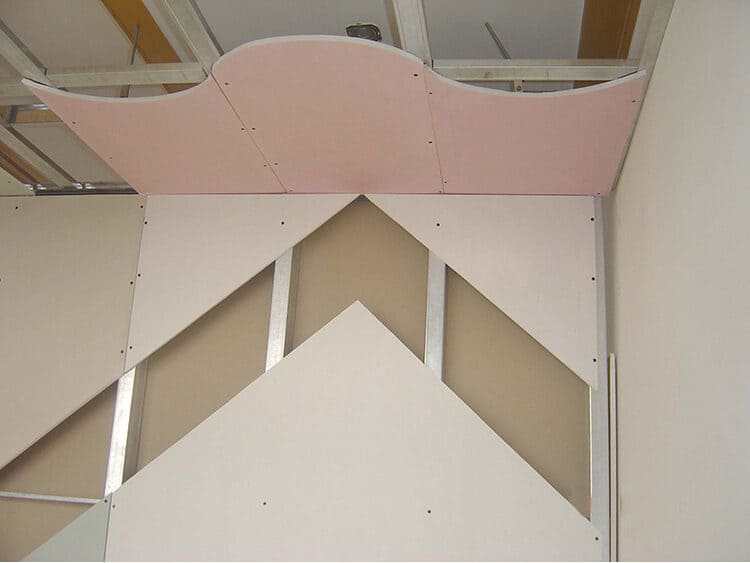
We get a lot of questions about Type C board at my factory, especially from engineers like Marcin who work on large commercial projects. It’s a step up from the standard Type X fire-resistant board, and it's designed for situations where maximum fire safety is non-negotiable. While Type X is great and meets many code requirements, Type C provides that extra level of protection. Think of it as the difference between a standard fire extinguisher and a full sprinkler system. Both help, but one is designed for a much more serious scenario.
How Type C Delivers Superior Fire Resistance
The magic of Type C board lies in its chemical composition. We add specific mineral additives to the gypsum slurry during manufacturing. These additives are the key to its enhanced performance.
How Type C Works
When exposed to intense heat, a standard gypsum board (and even Type X to some extent) will eventually crumble as the water in its core evaporates. Type C board is different. The special additives we put in it cause the core to expand and form a hard, dense, and non-combustible char layer. This layer acts as a powerful heat shield, maintaining its structural integrity for much longer. It doesn't just resist fire; it actively works to contain it, preventing flames from burning through the assembly. This process buys precious extra time for people to evacuate a building and for firefighters to do their job safely.
Key Application Areas
Because of this enhanced performance, Type C is specified for areas with the most stringent fire-code requirements. It’s not for every wall. It’s for the critical ones.
- Floor-Ceiling Assemblies: To prevent fire from spreading between floors.
- Roof Linings: As a thermal barrier in commercial roofing systems.
- Fire-Rated Partition Walls: Especially in large commercial buildings, hotels, and hospitals where containment is paramount.
- Elevator Shafts and Stairwells: Protecting escape routes is one of its most important jobs.
What is the best type of drywall?
Everyone wants to buy the "best" product. But picking the most expensive, high-performance gypsum board for a simple bedroom closet is a total waste of money and provides no real benefit.
The "best" type of drywall is the one that perfectly matches the specific needs of your project. There is no single "best" board for all situations. The right choice is always a balance of performance, safety, and cost-effectiveness for a particular room.
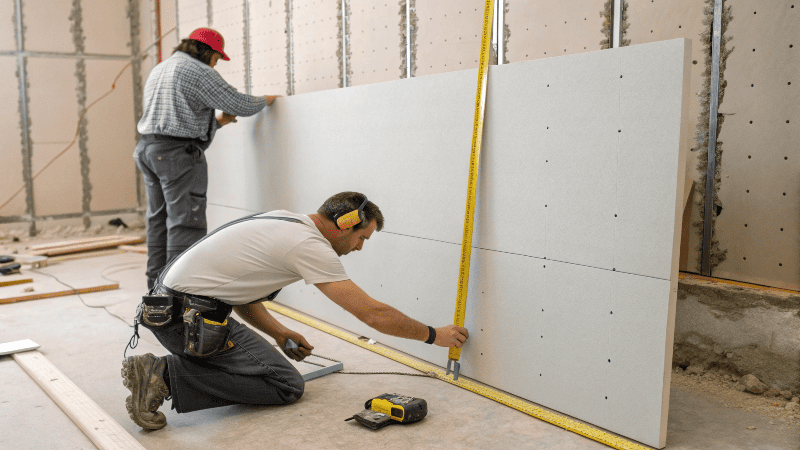
I'll let you in on a secret from the manufacturing side: we don't design one "best" board. We design a range of solutions. The goal of a smart builder isn't to find the single most expensive and feature-packed board. The goal is to build a high-quality, durable, and safe structure in the most efficient way possible. The real value is in understanding this "scenario-based selection" approach. It's about putting the right board in the right place. This is how you deliver a great project on budget without compromising on quality or safety.
Matching the Board to the Room
The smartest clients I work with have stopped asking "What's your cheapest board?" and started asking "What's the right board for this application?" This shift is changing the industry for the better. Instead of viewing gypsum board as a low-tech commodity, they see it as an engineered system. By matching the board to the function of the space, they actually reduce the total cost over the building's life by eliminating rework and maintenance issues.
A Smarter Approach to Buying
Think about a building as a collection of different environments, each with its own unique demands. Your job is to match the material to those demands.
| Room / Area | Primary Need | Recommended Gypsum Board |
|---|---|---|
| Living Room / Bedroom | Smooth finish, cost-effective | Regular Gypsum Board with tapered edges |
| Kitchen / Bathroom | High humidity and water resistance | Water-Resistant Gypsum Board (Green Board) |
| Home Theater / Office | Sound insulation | Acoustic Gypsum Board (Perforated) |
| Hospital / Laboratory | Hygiene and cleanliness | Anti-Bacterial Gypsum Board |
| Commercial Corridor | Fire safety and durability | Fire-Resistant Type X or Type C Board |
As a manufacturer, my job is not just to sell boards. It’s to provide solutions. I want to help my clients move from buying on price alone to making intelligent, informed decisions that result in better, safer, and more durable buildings. That’s where the real value is.
Conclusion
Choosing the right gypsum board is about matching the product to the space. This simple shift in thinking saves money, prevents problems, and ensures a durable, safe building.