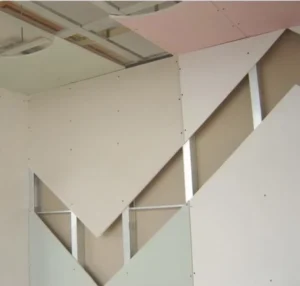


Waterproof and water-resistant plasterboards are not the same. Waterproof boards are built to block liquid water, while water-resistant boards only slow moisture absorption.
TRUSUS insight: both sound similar, yet they fight water in different ways.
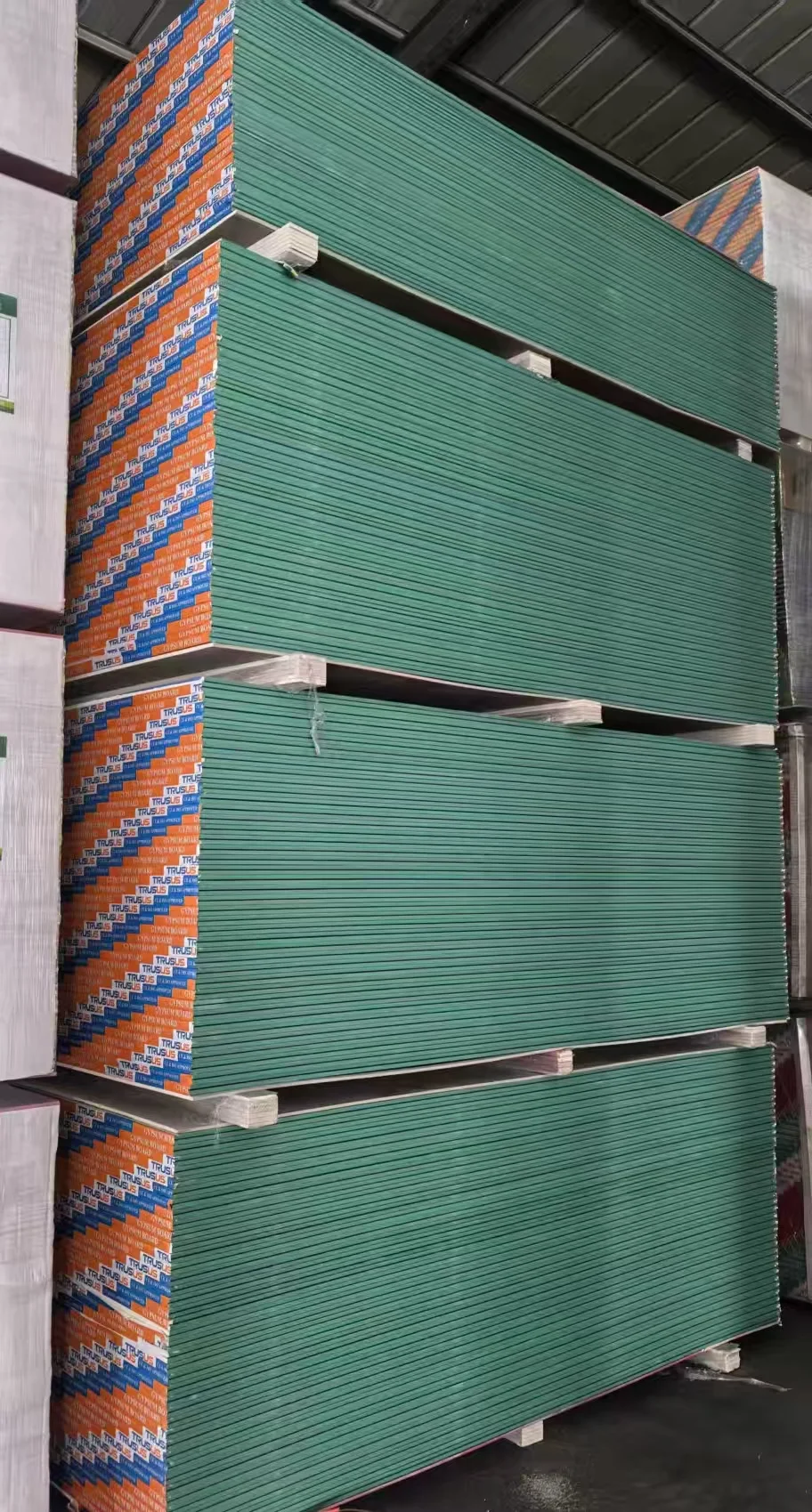
A waterproof board uses sealed surfaces and dense gypsum cores to isolate water exposure. A water-resistant board prevents humidity damage but cannot face direct or prolonged contact with water. Choosing the right one relies on the installation zone and exposure type.
What Is the Difference Between Waterproof and Water-Resistant Drywall?
The key difference lies in defense level and environment durability. Waterproof drywall offers full water isolation for high-moisture areas. Water-resistant drywall tolerates humidity but fails under constant water presence.
building insight: waterproof stops water; water-resistant delays it.
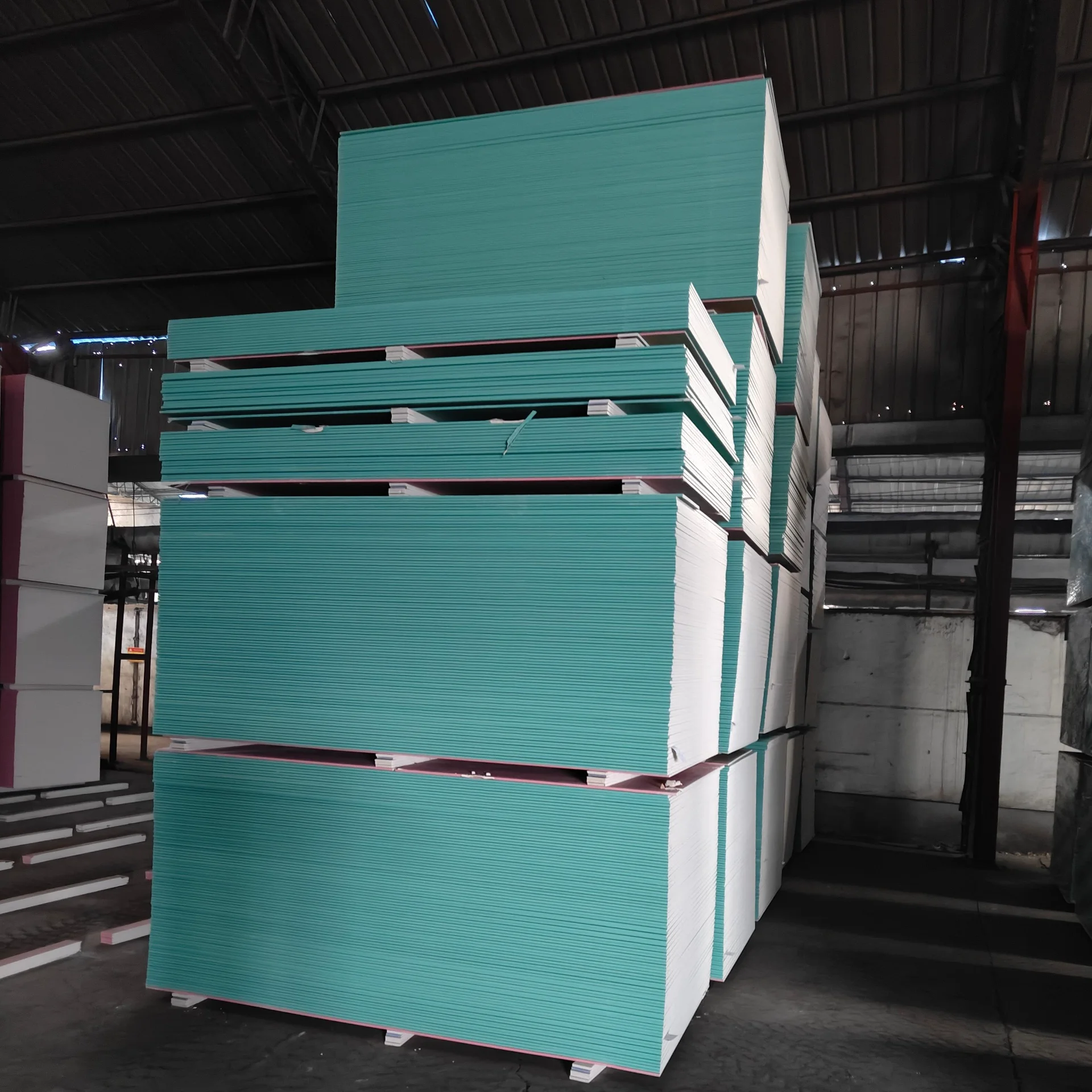
Comparative Table
| Feature | Waterproof Drywall | Water-Resistant Drywall |
|---|---|---|
| Core Treatment | Polymer sealing, resin layers | Anti-humidity additives |
| Surface Layer | Vinyl/PVC laminated | Wax-coated paper |
| Water Exposure Tolerance | Direct contact | Indirect, ambient humidity |
| Typical Location | Shower, bathroom walls | Laundry, basement, kitchen |
| Long-Term Durability | High in wet zones | Moderate under moisture |
Waterproof drywall forms a barrier system ideal for water splash areas. Water-resistant drywall belongs to semi-wet zones where humidity control matters more than isolation.
Is Moisture-Resistant Gypsum Board Waterproof?
No. Moisture-resistant gypsum board is not fully waterproof. It withstands damp air and mild condensation, yet it cannot block liquid water over time.
material insight: moisture resistance is preparation, not protection.
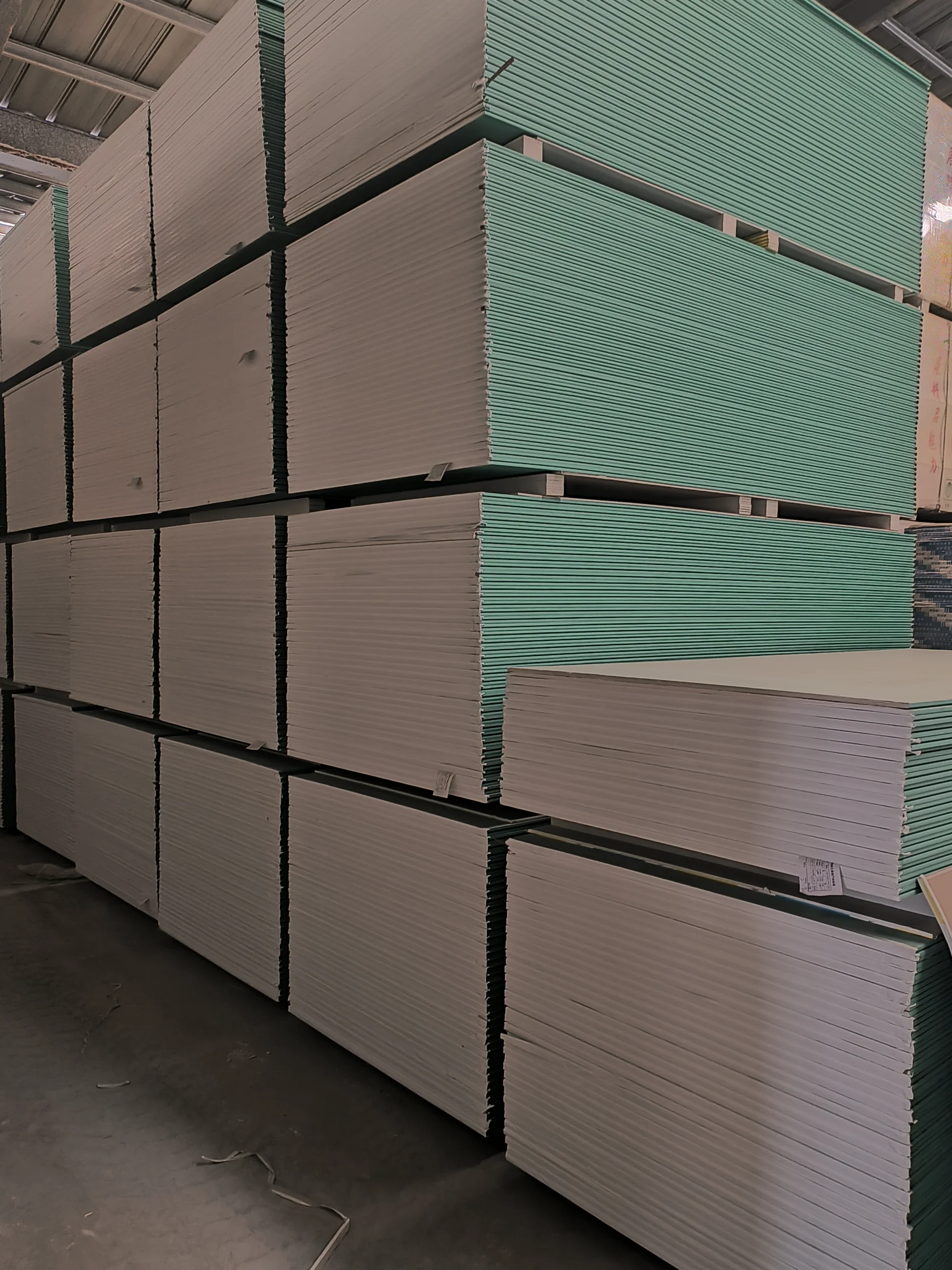
Performance Contrast
| Property | Moisture-Resistant Gypsum Board | Waterproof Gypsum System |
|---|---|---|
| Absorption Rate | Reduced but not zero | Sealed at core and surface |
| Mold Growth Resistance | Controlled with anti-fungal compound | Full isolation prevents mold |
| Direct Water Contact | Not recommended | Suitable for temporary exposure |
| Environment Use | Semi-wet zones | Fully wet areas |
In practice, moisture-resistant boards are perfect for walls near kitchens or laundry zones, while waterproof boards fit bathrooms and spa interiors.
What’s Best: Waterproof or Water-Resistant?
Neither is “better” universally; each fits a specific use case. Waterproof boards belong to wet environments. Water-resistant boards belong to humid zones that need wall stability.
selection insight: success depends on knowing your space, not your label.

Recommendation Guide
| Zone | Recommended Board Type | Reason |
|---|---|---|
| Bathroom or shower wall | Waterproof plasterboard | Direct water splash protection |
| Kitchen back wall | Water-resistant plasterboard | Humidity control and durability |
| Laundry or basement | Water-resistant plasterboard | Resists continuous dampness |
| Sauna or steam area | Waterproof plasterboard | Sealed core, temperature and vapor tolerance |
Selection Logic
- Evaluate exposure level: splash, steam, or humidity.
- Match board function: barrier or absorber.
- Consider maintenance cycles and longevity.
- Choose waterproof for water, water-resistant for moisture.
A well-matched board lasts longer, prevents mold, and maintains room aesthetics with fewer repairs.
Conclusion
Waterproof boards isolate water; water-resistant boards manage moisture. At TRUSUS, I believe building safety begins with understanding this boundary. Each product type belongs to its right environment. In the end, your choice defines the wall’s life—not just its surface performance but its long-term reliability inside modern spaces.