

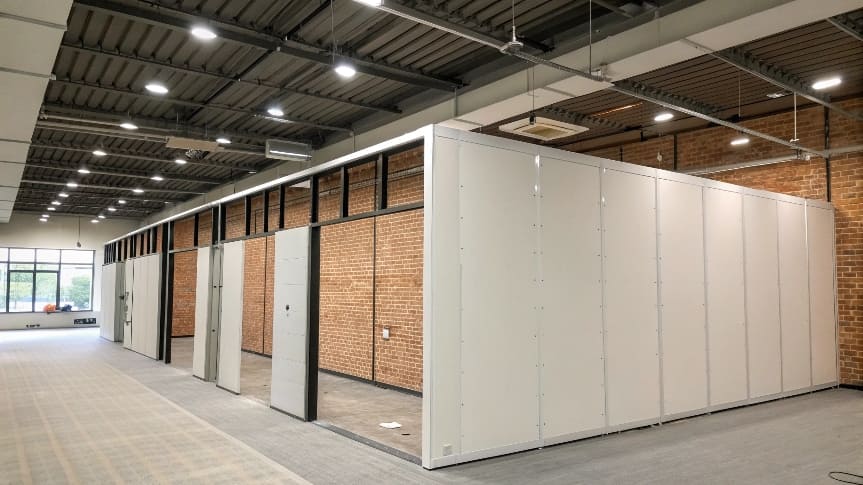
Many assume partition walls only divide spaces without structural function, but understanding their potential load-bearing capacity prevents costly structural mistakes. Partition walls can serve dual purposes as space dividers and structural elements when properly designed and constructed.
Partition walls can function as load-bearing walls when designed with appropriate framing, connections, and structural analysis, though most partition walls are non-load-bearing and serve only to divide interior spaces without supporting building loads above.
Through decades of building material manufacturing and structural consultation, I learned that distinguishing between load-bearing and non-load-bearing partitions requires understanding building design intent, structural systems, and proper engineering analysis to ensure safe construction practices.
Does Drywall Provide Structural Support?
Understanding drywall's structural role helps clarify its function in building systems and prevents misunderstanding about load-bearing capacity. Drywall serves specific structural functions within wall assemblies while having limitations that affect its application in load-bearing situations.
Drywall provides minimal structural support as a sheathing material that contributes to wall assembly stiffness and lateral bracing but cannot carry significant vertical loads, requiring structural framing for load-bearing applications and building code compliance.
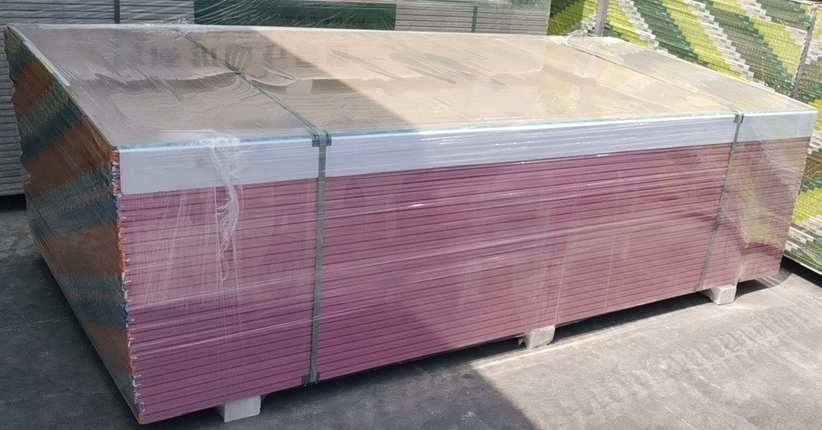
Comprehensive Structural Analysis of Drywall Performance and Limitations
Drywall structural contribution involves complex interactions with framing systems that provide lateral stability and assembly stiffness while maintaining clear limitations for load-bearing applications. During my experience working with structural applications and building failures, I learned that understanding drywall's structural role prevents misapplication while optimizing its beneficial characteristics.
Lateral bracing represents drywall's primary structural contribution by preventing wall stud buckling and providing assembly stability under wind and seismic loads. Properly installed drywall creates a diaphragm effect that distributes lateral forces across wall assemblies while preventing individual stud failure under lateral loading conditions.
Shear resistance develops when drywall is properly fastened to framing members creating composite action that resists racking forces and maintains wall assembly geometry. Drywall fastening patterns and edge connections significantly affect shear capacity while improper installation reduces structural contribution and may compromise building performance.
Load-bearing limitations restrict drywall use to non-structural applications since gypsum core material cannot sustain significant compression or tension forces. Vertical loads must be carried by framing members while drywall provides only minor contribution to overall load-bearing capacity through composite action with structural elements.
Connection requirements between drywall and framing determine structural effectiveness through proper fastener selection, spacing, and installation techniques. Inadequate connections prevent drywall from contributing to assembly performance while over-fastening can damage material and reduce structural effectiveness.
Building code recognition acknowledges drywall's structural contribution through specific provisions for lateral bracing and shear wall applications while maintaining restrictions on load-bearing use. Code compliance requires understanding approved applications while preventing misuse in structural situations.
Assembly stiffness increases when drywall is added to framed walls through composite action that reduces deflection and improves serviceability performance. Increased stiffness benefits building occupants through reduced movement and improved performance while maintaining structural safety margins.
Failure modes in drywall structural applications include fastener failure, paper facing separation, and gypsum core crushing that limit structural capacity. Understanding failure mechanisms helps optimize installation while preventing structural compromise through proper design and construction practices.
Testing standards establish drywall structural properties through standardized procedures that quantify shear capacity, lateral resistance, and assembly performance. Test data provides engineering basis for structural applications while ensuring safe and effective use within established limitations.
Quality control during installation affects drywall structural contribution through proper fastening, joint treatment, and inspection procedures. Consistent installation quality ensures predictable structural performance while preventing installation defects that compromise building safety and performance.
Maintenance considerations include monitoring for cracks, fastener loosening, and joint separation that may indicate structural distress or installation problems. Regular inspection maintains structural integrity while identifying problems before they compromise building safety or performance.
| Structural Function | Contribution Level | Design Considerations | Limitations |
|---|---|---|---|
| Lateral bracing | Significant | Proper fastening, continuous installation | Cannot replace structural bracing |
| Shear resistance | Moderate | Edge connections, fastener patterns | Limited capacity, requires engineering |
| Load bearing | Minimal | Not applicable for vertical loads | Framing must carry all loads |
| Assembly stiffness | Moderate | Composite action with framing | Secondary benefit only |
| Diaphragm action | Moderate | Continuous installation, proper connections | Limited to light-frame construction |
| Buckling prevention | Significant | Intermediate support for studs | Supplemental to proper stud sizing |
Is Plasterboard Structural?
Understanding plasterboard structural characteristics helps clarify its role in building systems and appropriate applications. Plasterboard shares similar properties with drywall while having regional variations that affect structural performance and building code recognition.
Plasterboard is not structural in load-bearing applications but provides similar lateral bracing and shear resistance as drywall when properly installed, with structural contribution limited to assembly stiffness and stability rather than vertical load support.

Detailed Plasterboard Structural Analysis and Application Guidelines
Plasterboard structural characteristics closely parallel drywall performance with regional manufacturing differences potentially affecting specific properties and building code recognition. During my experience working with international building materials and structural applications, I learned that understanding plasterboard's structural role prevents misapplication while optimizing its beneficial characteristics within building systems.
Manufacturing variations between plasterboard and drywall may affect structural properties through different core formulations, facing materials, or production processes. Regional manufacturing standards influence structural characteristics while maintaining similar performance levels for most applications within established building practices.
Structural contributions include lateral stability, shear resistance, and assembly stiffness that parallel drywall performance while potentially having different specific values. Understanding actual structural properties requires reviewing manufacturer specifications and testing data rather than assuming identical performance between different products.
Building code recognition varies by jurisdiction with some codes specifically addressing plasterboard while others reference generic gypsum panel products. Code compliance requires understanding local requirements and approved applications while ensuring proper structural use within established limitations.
Installation requirements for structural applications include proper fastening, continuous installation, and edge connections that optimize plasterboard's structural contribution. Installation quality significantly affects structural performance while improper techniques may reduce or eliminate beneficial structural characteristics.
Load-bearing restrictions apply to plasterboard similar to drywall with vertical loads requiring structural framing support while plasterboard provides only lateral stability and assembly stiffness. Understanding load-bearing limitations prevents structural misuse while ensuring building safety and code compliance.
Composite action with framing systems develops when plasterboard is properly connected to structural members creating increased assembly stiffness and improved performance. Composite behavior depends on connection quality and installation techniques while providing secondary benefits to overall structural performance.
Testing standards for plasterboard structural properties may differ from drywall standards while addressing similar performance characteristics. Understanding applicable testing standards helps evaluate structural properties while ensuring appropriate application within established performance limitations.
Quality assurance during installation ensures consistent structural performance through proper inspection, fastening verification, and installation compliance. Quality control prevents installation defects that compromise structural contribution while maintaining predictable performance throughout building service life.
Regional practices may affect plasterboard structural applications through local building traditions, code interpretations, and installation techniques. Understanding regional variations helps optimize structural use while ensuring compliance with local building practices and regulatory requirements.
Performance monitoring includes observing installation performance, identifying potential problems, and maintaining structural integrity through regular inspection and maintenance. Ongoing performance assessment ensures continued structural contribution while preventing degradation that compromises building safety.
| Performance Aspect | Plasterboard Capability | Application Guidelines | Performance Variations |
|---|---|---|---|
| Lateral bracing | Similar to drywall | Proper fastening required | Manufacturing differences possible |
| Shear resistance | Comparable capacity | Edge connection critical | Regional testing standards |
| Load bearing | Not applicable | Framing must carry loads | Universal limitation |
| Assembly stiffness | Moderate contribution | Composite action with framing | Installation dependent |
| Code recognition | Variable by jurisdiction | Local code verification required | Regional variations |
| Installation requirements | Similar to drywall | Quality control essential | Standard practices applicable |
Is Gypsum Load-Bearing?
Understanding gypsum material properties clarifies its structural limitations and appropriate applications in building construction. Gypsum-based materials have specific characteristics that affect their use in structural and non-structural building applications.
Gypsum is not load-bearing in building applications due to low compressive strength, brittleness, and moisture sensitivity that make it unsuitable for structural support, requiring other materials like steel, concrete, or wood framing for load-bearing functions.
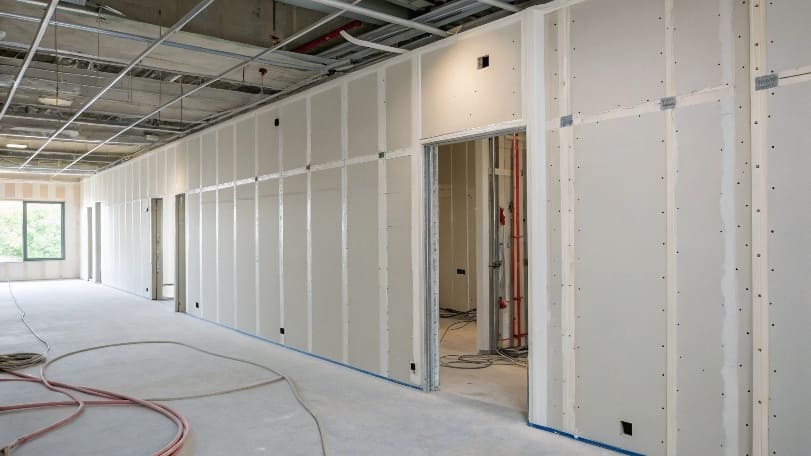
Comprehensive Gypsum Material Analysis and Structural Applications
Gypsum material properties create specific limitations and benefits that affect its use in building construction while requiring clear understanding of structural capabilities and restrictions. During my experience working with gypsum-based products and structural applications, I learned that understanding material characteristics prevents misuse while optimizing appropriate applications within building systems.
Compressive strength of gypsum materials typically ranges from 1,000 to 4,000 psi depending on formulation and manufacturing processes, which is significantly lower than structural materials like concrete or masonry. Low compressive strength limits gypsum use to non-load-bearing applications while requiring structural framing for building support.
Tensile strength represents gypsum's weakest characteristic with very low resistance to pulling forces that makes it unsuitable for structural tension applications. Brittleness under tension loading causes sudden failure without warning while requiring reinforcement or alternative materials for applications involving tension forces.
Moisture sensitivity affects gypsum strength and dimensional stability through exposure to water or high humidity conditions. Moisture exposure can significantly reduce strength while causing dimensional changes that compromise installation integrity and structural performance in building applications.
Manufacturing processes can improve gypsum properties through additives, fiber reinforcement, and controlled production techniques while maintaining fundamental limitations for structural applications. Enhanced formulations may increase strength or moisture resistance while remaining unsuitable for load-bearing use.
Building applications for gypsum materials focus on non-structural uses including wall and ceiling surfaces, fire protection, sound control, and decorative elements. Appropriate applications utilize gypsum benefits while avoiding structural demands that exceed material capabilities and building code restrictions.
Reinforcement methods including fiber additives, mesh reinforcement, and composite construction can improve gypsum performance while maintaining non-structural classification. Reinforcement enhances crack resistance and impact strength while not qualifying gypsum for load-bearing applications.
Code restrictions limit gypsum use to non-structural applications through building code provisions that recognize material limitations. Code compliance requires understanding approved applications while preventing structural misuse that compromises building safety and regulatory compliance.
Composite systems combining gypsum with structural materials can optimize building performance while maintaining appropriate material use. Gypsum provides surface quality and fire protection while structural elements carry building loads through proper system design and integration.
Quality control in gypsum applications ensures consistent performance through proper material selection, installation techniques, and inspection procedures. Quality assurance prevents performance problems while maintaining predictable material behavior throughout building service life.
Alternative materials may be required for structural applications including concrete, steel, wood, or engineered materials that provide adequate load-bearing capacity. Understanding material alternatives helps optimize building design while ensuring appropriate material selection for specific applications.
| Material Property | Gypsum Characteristics | Structural Implications | Application Guidelines |
|---|---|---|---|
| Compressive strength | 1,000-4,000 psi | Insufficient for structural use | Non-load-bearing applications only |
| Tensile strength | Very low | Brittle failure mode | Avoid tension applications |
| Moisture resistance | Variable | Strength reduction when wet | Protect from moisture exposure |
| Durability | Moderate | Requires protection | Indoor applications preferred |
| Fire resistance | Excellent | Beneficial for fire protection | Fire-rated assembly applications |
| Workability | Excellent | Easy installation and finishing | Suitable for complex shapes |
| Cost effectiveness | Good | Lower cost than structural materials | Economical for appropriate uses |
| Sustainability | Good | Recyclable and abundant | Environmentally acceptable |
Conclusion
Partition walls can be load-bearing when properly designed, but drywall, plasterboard, and gypsum materials provide only lateral bracing and assembly stiffness rather than structural load-bearing capacity, requiring steel, concrete, or wood framing for building structural support and code compliance.