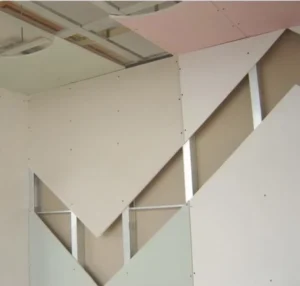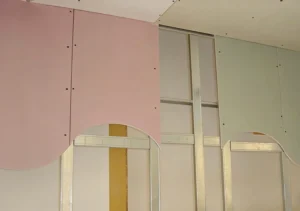


Drywall screws can be used without anchors only when fastening directly into wood or steel studs. If the screw goes only into drywall, anchors are usually needed for secure load support.
TRUSUS system insight: long‑term wall stability depends on the entire fastening system, not only the screw itself.
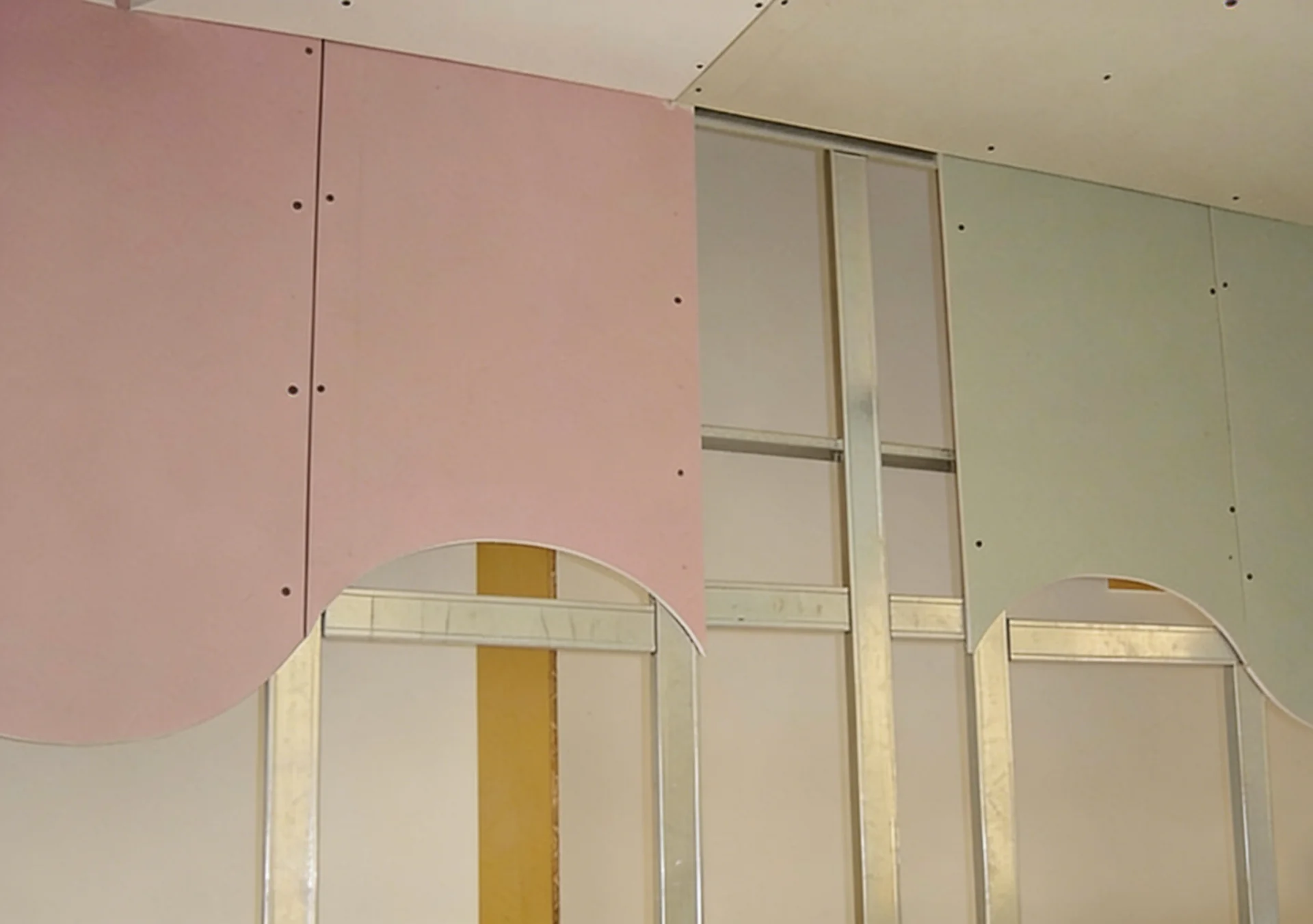
I often see people treat drywall installation as a simple fixing task. They focus on whether the panel stays in place today, but not whether the wall system will remain stable after years of movement and stress.
Buildings constantly experience:
- Temperature changes
- Humidity variation
- Structural movement
- Vibration
- Expansion and contraction
That means drywall systems must manage dynamic conditions instead of static loads alone.
A screw without proper support may appear stable at first, yet slowly weaken as the building moves over time.
Modern wall systems are engineered for durability, not only immediate installation convenience.
What Can You Use If You Don’t Have Drywall Anchors?
If drywall anchors are unavailable, options include fastening into studs, using toggle bolts, molly bolts, or specialized hollow wall fasteners depending on the load requirement. Direct screws into drywall alone usually provide limited holding strength.
TRUSUS installation insight: substitute fasteners must still match the wall system design.
Common Drywall Fastening Options
| Fastener Type | Best Use | Load Capacity |
|---|---|---|
| Direct screw into stud | Heavy support | High |
| Plastic anchor | Light fixtures | Moderate |
| Toggle bolt | Hollow wall loads | High |
| Molly bolt | Medium fixtures | Medium to high |
| Self‑drilling anchor | Quick installation | Medium |
Many installers search for replacement solutions because they want faster work or lower costs.
From a manufacturer’s perspective, I understand that pressure. Construction schedules are tighter than ever.
But the real issue is not whether a substitute works today. The real question is whether the wall system remains reliable years later.
Modern buildings demand:
- Predictable long‑term performance
- Reduced maintenance risk
- Stable load distribution
- Crack prevention
That is why fastening systems matter far more than many people expect.
In many failure cases I have studied, the drywall panel itself was not the problem. The issue came from weak connection points hidden behind the surface.
What Happens If You Don’t Use Drywall Anchors?
Without drywall anchors, screws installed only into drywall may loosen, pull out, crack the panel, or fail under load. The risk increases with vibration, weight, and long‑term structural movement.
TRUSUS structural insight: many wall failures begin at small connection points.
Common Problems Without Anchors
| Problem | Cause |
|---|---|
| Screw pullout | Weak drywall grip |
| Surface cracking | Stress concentration |
| Fixture instability | Dynamic movement |
| Long‑term loosening | Structural vibration |
One important industry change is that clients now think more about system reliability instead of only material appearance.
Years ago, projects focused heavily on:
- Board thickness
- Surface finish
- Material cost
Now high‑performance projects increasingly focus on:
- Anchoring systems
- Flexible connections
- Stress release details
- Structural movement management
This reflects a deeper understanding of how buildings actually behave.
Walls are never perfectly motionless. Every structure experiences movement over time.
If fastening systems cannot absorb or distribute that movement, stress accumulates at screws, joints, and corners until visible damage appears.
Many cracks are not sudden failures. They are the result of long‑term system fatigue.
Is A Slip Track The Same As A Deflection Track?
Slip tracks and deflection tracks are closely related but not always identical. Both allow structural movement, but deflection tracks are specifically designed to accommodate vertical building movement without damaging the wall system.
TRUSUS framing insight: modern drywall systems increasingly prioritize controlled flexibility over rigid fixation.

Track System Comparison
| Track Type | Main Purpose | Typical Use |
|---|---|---|
| Slip track | Allows controlled movement | General partition systems |
| Deflection track | Handles structural deflection | High‑rise and large structures |
| Standard track | Fixed framing support | Basic walls |
I believe this topic represents one of the biggest mindset changes in modern construction.
For many years, builders tried to make wall systems as rigid as possible. Today, engineers increasingly understand that controlled movement is essential.
In high‑rise buildings and steel structures, movement comes from:
- Wind sway
- Thermal expansion
- Floor deflection
- Structural settling
If drywall framing cannot absorb those forces, stress transfers directly into the finish layer.
That leads to:
- Joint cracking
- Fastener failure
- Edge separation
- Surface deformation
Modern drywall systems now focus on:
- Movement absorption
- Flexible detailing
- Stress management
- Long‑term dimensional stability
The industry is shifting from “maximum rigidity” toward “controlled flexibility.”
That change is reshaping how manufacturers design complete wall systems.
Conclusion
At TRUSUS, I see drywall systems evolving far beyond simple panels and screws. The future of the industry depends on fastening reliability, movement management, and complete system coordination that keeps walls stable throughout decades of structural change.