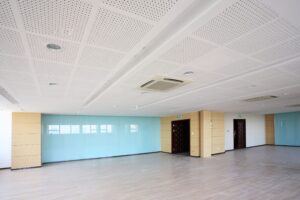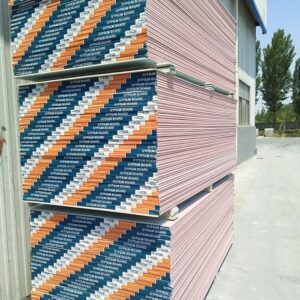


Whenever clients ask me, “Can water damage gypsum board?”, I know they’re not just talking about a spill—they’re asking how long their walls can survive humidity and leaks.
Yes, gypsum board can be damaged by water. Its paper surface and gypsum core absorb moisture quickly, softening and losing structural integrity. When wet for prolonged periods, the board can warp, crumble, or foster mold growth.
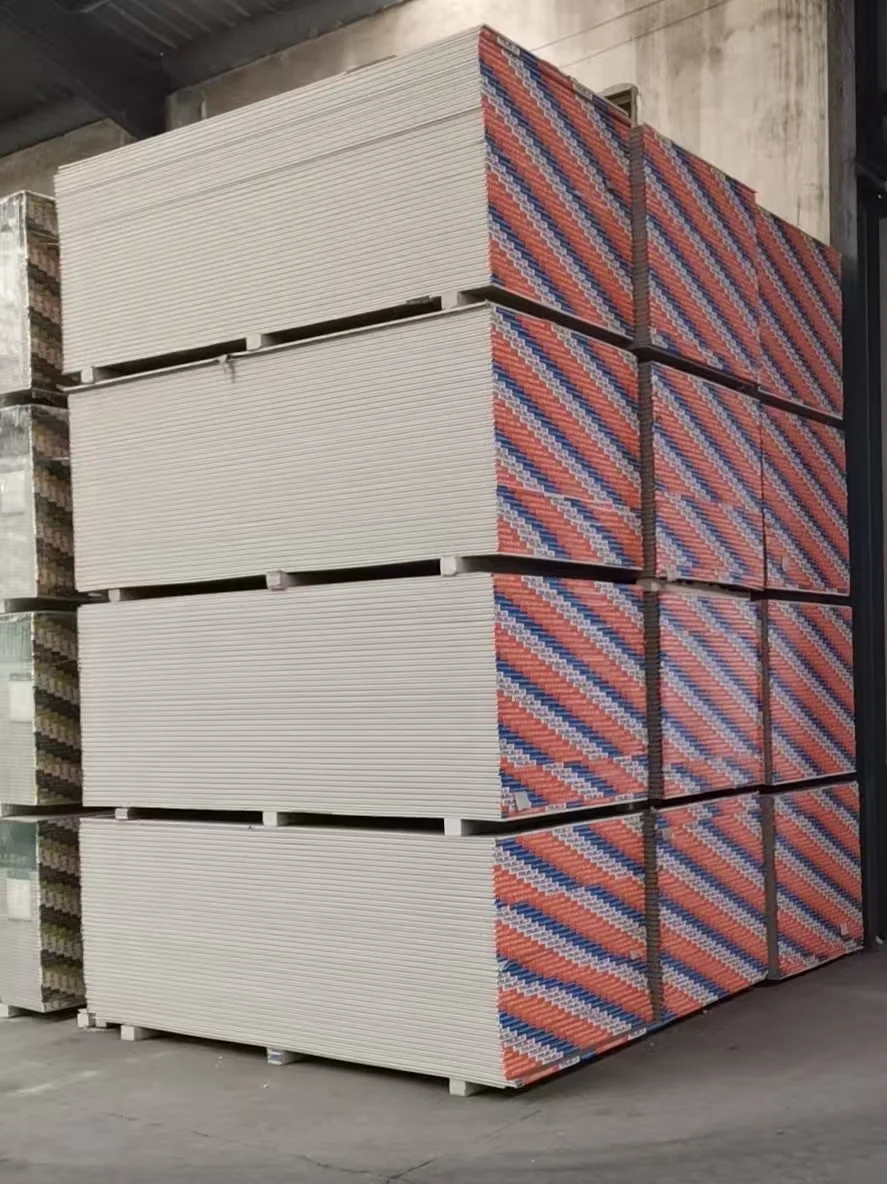
During factory testing, I’ve seen that the issue isn’t simply water exposure—it’s system failure. Without proper waterproofing layers, sealants, and ventilation, any wall material can deteriorate. Gypsum’s role should be managed—not avoided—in humid environments.
What Happens to Gypsum When It Gets Wet?
This is one of the most common technical questions I receive from site engineers.
When gypsum gets wet, its crystal structure absorbs water and loses bond strength, causing it to become soft and unstable. Upon drying, the board rarely regains full rigidity because internal crystal links are permanently altered.
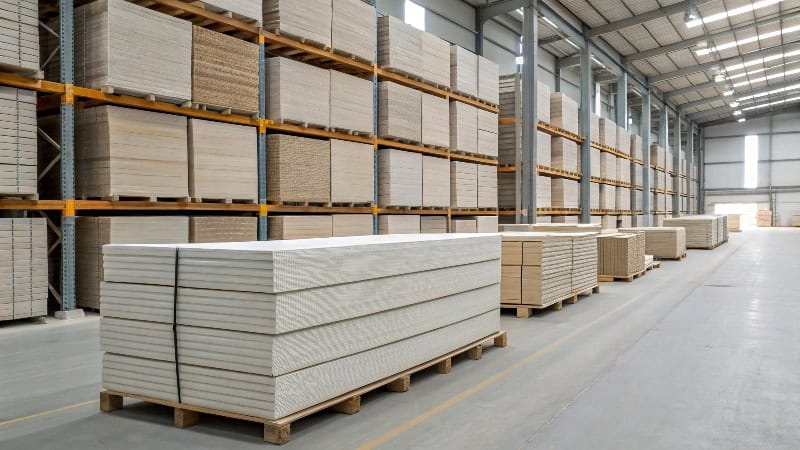
Material Behavior Under Moisture
From my manufacturing experience, understanding gypsum’s microstructure explains why drying doesn’t reverse damage.
| Process | Chemical / Physical Change | Result |
|---|---|---|
| Initial Wetting | Capillary absorption through paper and pores | Surface becomes weak |
| Prolonged Exposure | Dissolves intermediate bonds in calcium sulfate dihydrate | Loss of stiffness |
| Drying Stage | Recrystallization without alignment | Brittle texture |
| Repeated Cycles | Microfractures accumulate | Permanent strength loss |
That’s why once gypsum board gets soaked, replacement—rather than repair—is the recommended solution unless it’s a moisture-resistant variant (often green or fiberglass-faced).
Can Drywall Get Wet and Still Be OK?
Builders often ask, “If drywall gets a little wet, can we just let it dry out?”
Drywall can tolerate short-term humidity or minor splashes, but cannot remain structurally sound after soaking. Paper-faced gypsum will delaminate, bubbles may form, and interior layers start deteriorating.

Evaluating the Risk by Duration and Type
I’ve tracked several jobsites after floods and leaks—the difference between “just damp” and “ruined” is mainly time and air circulation.
| Exposure Type | Duration | Outcome | Recommendation |
|---|---|---|---|
| Short-term splash (minutes) | Minimal | Dry surface; no issue | Ventilate immediately |
| Humidity (hours-day) | Partial softening | Possible paper bubbling | Check for mold and repaint |
| Flooding (days) | Core fully saturated | Permanent loss of strength | Replace board |
| Hidden leaks | Ongoing | Mold colony growth | Remove and inspect structure |
Modern moisture-resistant boards with fiberglass facing can handle dampness better, but even these need a proper drainage and ventilation system to maintain durability.
How Fast Does Mold Grow Behind Drywall?
This question reveals a deeper concern—building health rather than just material damage.
Mold can start growing behind wet drywall within 24 to 48 hours in warm, humid environments. Once the paper layer stays moist, organic fibers act as ideal food sources for mold spores.
Understanding Mold Growth Mechanism and Prevention
I’ve witnessed how quickly mold spreads when water leaks go unnoticed. The growth process depends on temperature, humidity, and air circulation.
| Condition | Mold Growth Speed | Control Method |
|---|---|---|
| Humidity >70% | Mold visible in 1–2 days | Dehumidify air |
| Warm Temperature (25–30°C) | Fastest development | Improve ventilation |
| Continuous Moisture Supply | Persistent colony | Stop leak, seal surface |
| Lack of Airflow | Hidden growth inside cavity | Add exhaust or inspection ports |
Removing moisture promptly is critical—not only to save walls but to protect health. Once mold colonies appear, cutting out affected sections is safer than surface cleaning.
Conclusion
Gypsum board is sensitive to water exposure, not because it’s weak, but because it’s designed for controlled indoor humidity—not saturation. When wet, gypsum loses strength and can breed mold quickly if untreated. The best protection comes from building systems with waterproof membranes, ventilation, and moisture-resistant boards. Water isn’t the enemy—poor design and delayed response are.