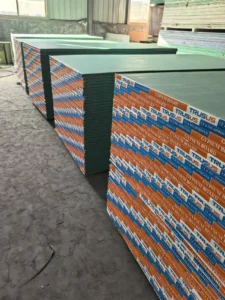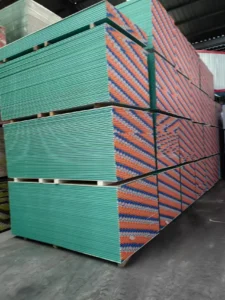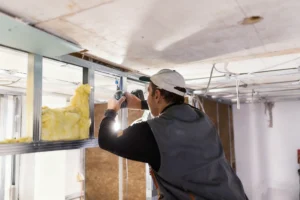


When clients ask me, "Can you sheetrock a metal building?", they're wondering if they can transform their industrial space into something comfortable and finished.
Yes, you can sheetrock a metal building, but success requires understanding how to bridge the gap between steel structure and gypsum board systems. The key is using proper framing methods and moisture management to create a compatible attachment system.
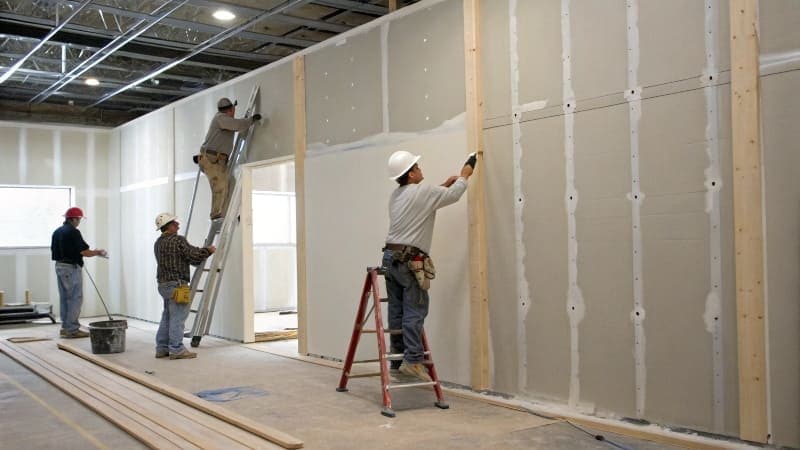
From working with contractors on steel building conversions, I've learned that sheetrocking metal buildings isn't just about installation technique—it's about creating a unified thermal and structural system that works with both materials' properties.
Can You Attach Drywall to Steel?
This question gets to the heart of material compatibility and attachment methods.
You can attach drywall to steel using several proven methods: steel studs screwed to structural steel, wood framing attached with structural screws, or direct attachment systems with appropriate fasteners. The method depends on the steel gauge, spacing, and intended finish quality.

Steel-to-Drywall Attachment Methods
Through job site observations, certain attachment approaches consistently deliver better long-term performance than others.
| Method | Best Application | Advantages | Considerations |
|---|---|---|---|
| Steel Stud Framing | Commercial, precise finish | Straight, fire-resistant | Requires skilled installation |
| Wood Furring Strips | Budget-conscious projects | Easy electrical/plumbing runs | Moisture protection needed |
| Direct Screw Attachment | Thin steel, simple walls | Minimal materials | Limited to light loads |
| Clip Systems | Engineered applications | Thermal break, movement accommodation | Higher material cost |
The critical factor is thermal bridging—steel conducts temperature, so insulation placement and vapor barriers become crucial for preventing condensation and energy loss.
How to Finish Inside of a Metal Building?
Interior finishing transforms raw industrial space into functional, comfortable environments.
To finish a metal building interior: install insulation and vapor barrier, frame with steel studs or wood, run electrical and mechanical systems, hang and finish drywall, then apply paint and trim. Each step must account for metal building movement and condensation control.
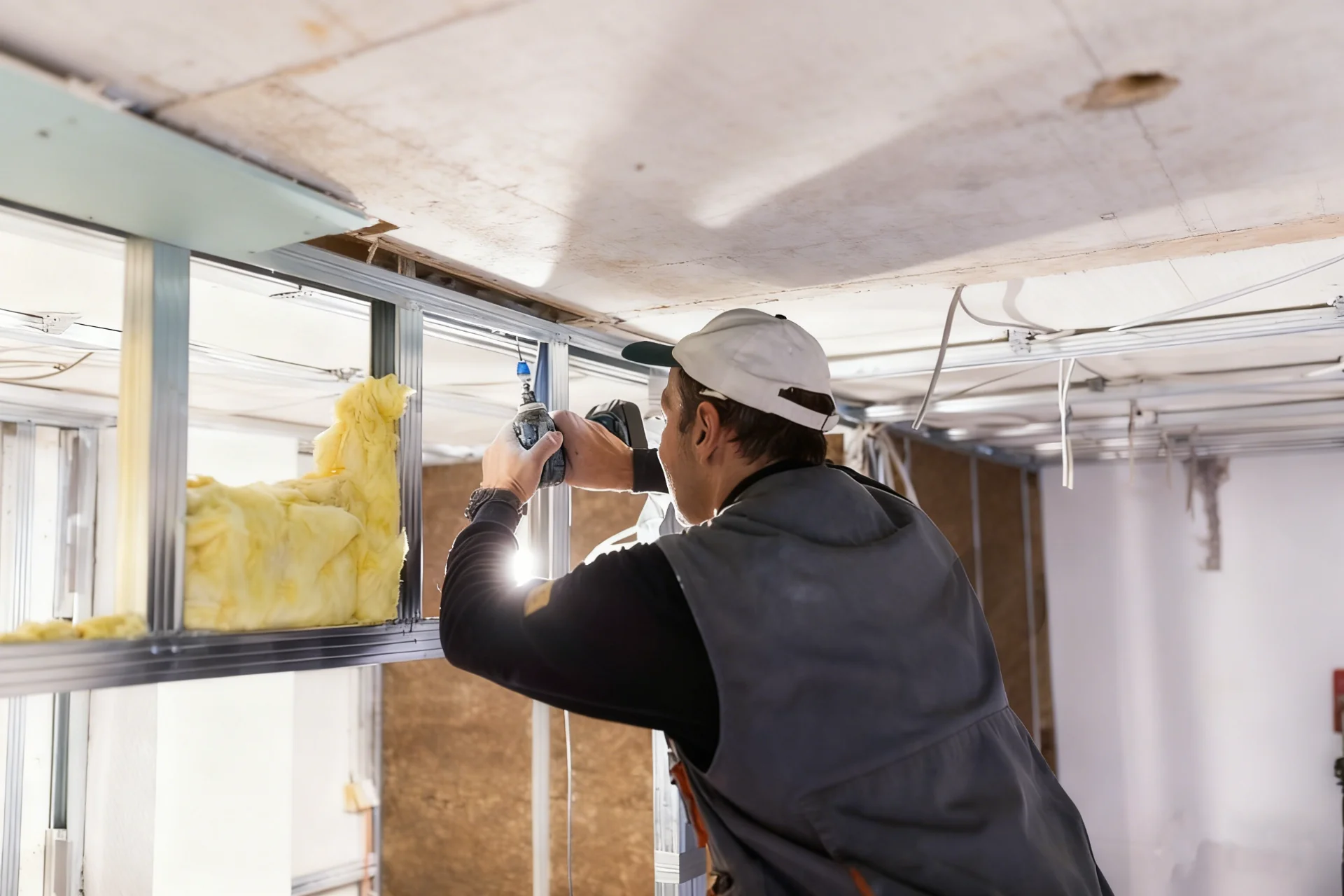
Complete Interior Finishing Sequence
From overseeing numerous metal building conversions, this systematic approach prevents most common problems.
| Phase | Key Steps | Critical Points | Timeline |
|---|---|---|---|
| 1. Moisture Management | Vapor barrier, insulation placement | Prevent condensation | 2-3 days |
| 2. Framing System | Install studs, blocking, headers | Accommodate building movement | 3-5 days |
| 3. Mechanical Rough-in | Electrical, HVAC, plumbing | Plan for steel penetrations | 4-7 days |
| 4. Drywall Installation | Hang, tape, mud, sand | Allow for thermal expansion | 5-8 days |
| 5. Finishing | Prime, paint, trim installation | Match building use requirements | 3-5 days |
The moisture management phase is absolutely critical—getting this wrong leads to condensation problems that can destroy the entire interior system.
Can You Drywall the Inside of a Pole Barn?
Pole barns present unique challenges due to their post-frame construction and agricultural origins.
You can drywall pole barn interiors, but it requires careful planning for post spacing, moisture control, and structural movement. The key is creating a secondary framing system that accommodates the pole barn's natural settling and seasonal movement.
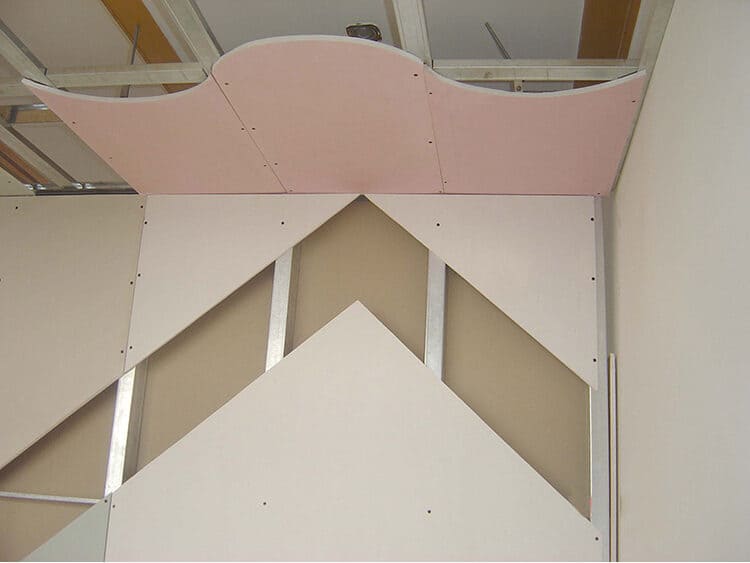
Pole Barn Drywall Considerations
Pole barns have unique structural characteristics that affect drywall installation differently than conventional metal buildings.
| Challenge | Solution | Why It Matters | Cost Impact |
|---|---|---|---|
| Irregular Post Spacing | Custom furring or steel stud layout | Standard drywall sheets need support | +15-25% material |
| Building Settlement | Floating attachment systems | Poles settle over first 2-3 years | Critical for crack prevention |
| Moisture from Ground | Proper vapor barrier, base treatment | Concrete slab moisture wicks up | Essential for mold prevention |
| Thermal Movement | Expansion joints, flexible connections | Large temperature swings | Prevents finish cracking |
| Electrical Integration | Plan wiring routes early | Posts limit wire routing options | +10-20% electrical cost |
The biggest difference from standard metal building drywall is accommodating ongoing structural movement—pole barns are living structures that continue adjusting for years after construction.
Conclusion
You can successfully sheetrock metal buildings and pole barns using proper attachment methods and moisture management systems. Steel stud framing or wood furring strips provide reliable drywall attachment to steel structures, while moisture control remains the critical success factor. Pole barns require additional consideration for structural movement and settling. With the right approach, these industrial structures can be transformed into comfortable, finished spaces that combine structural strength with interior comfort.