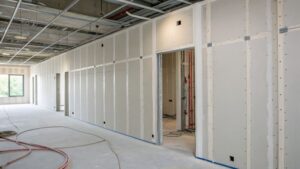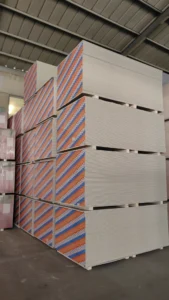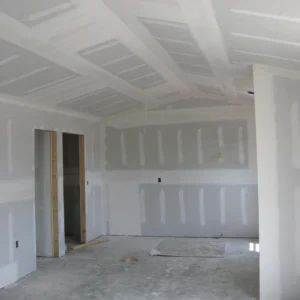


Drywall helps with system integrity, not direct structural strength. It stabilizes interior framing, protects wall assemblies, and contributes to fire resistance and acoustic balance.
TRUSUS insight: drywall doesn’t carry the building—it completes it.
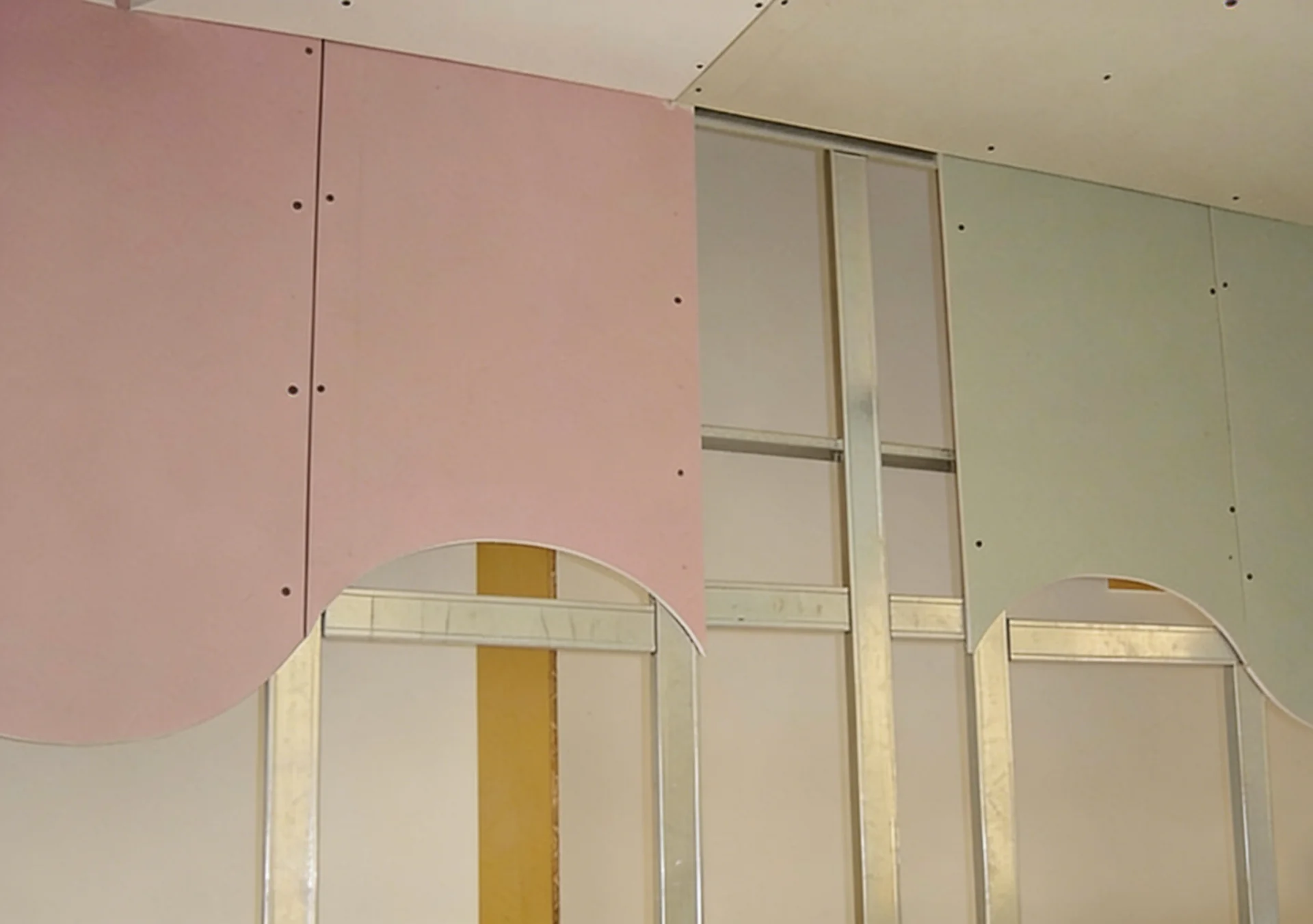
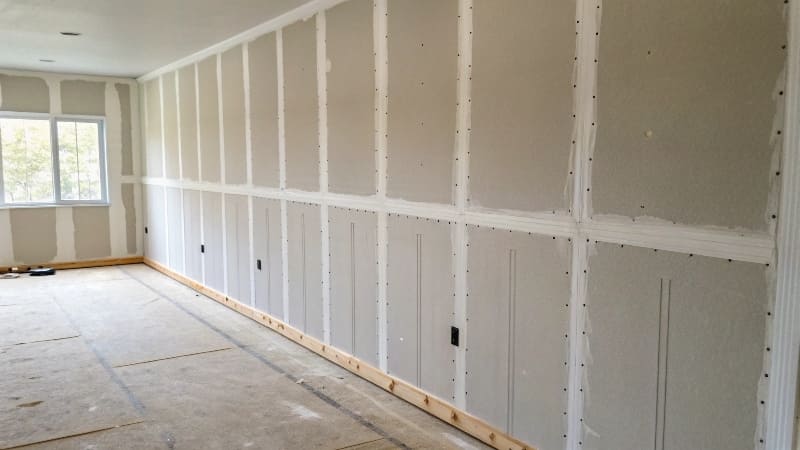
When properly mounted to metal or wooden studs, drywall creates a continuous surface that distributes interior forces and adds stiffness to partition walls, improving how the overall frame behaves under pressure or vibration.
Does Drywall Provide Structural Support?
Drywall itself does not provide structural support. It is a non-load-bearing material designed to work in coordination with framing systems. Its strength lies in performance consistency, not in load-bearing capacity.
building insight: structure is steel and timber—drywall makes it whole.
Structural Interaction Framework
| Component | Role | Structural Impact | Coordination |
|---|---|---|---|
| Framing System | Primary load carrier | High | Core structure |
| Drywall | Surface and enclosure | Indirect | Stability and fire separation |
| Insulation Layer | Thermal and acoustic | Moderate | Comfort balance |
| Fasteners | Fix connection | Essential | Joint durability |
In the full system, drywall connects framing elements smoothly, allowing proper load transfer across non-bearing walls, improving stiffness and preventing frame warping over time.
Is Gypsum Board Structural?
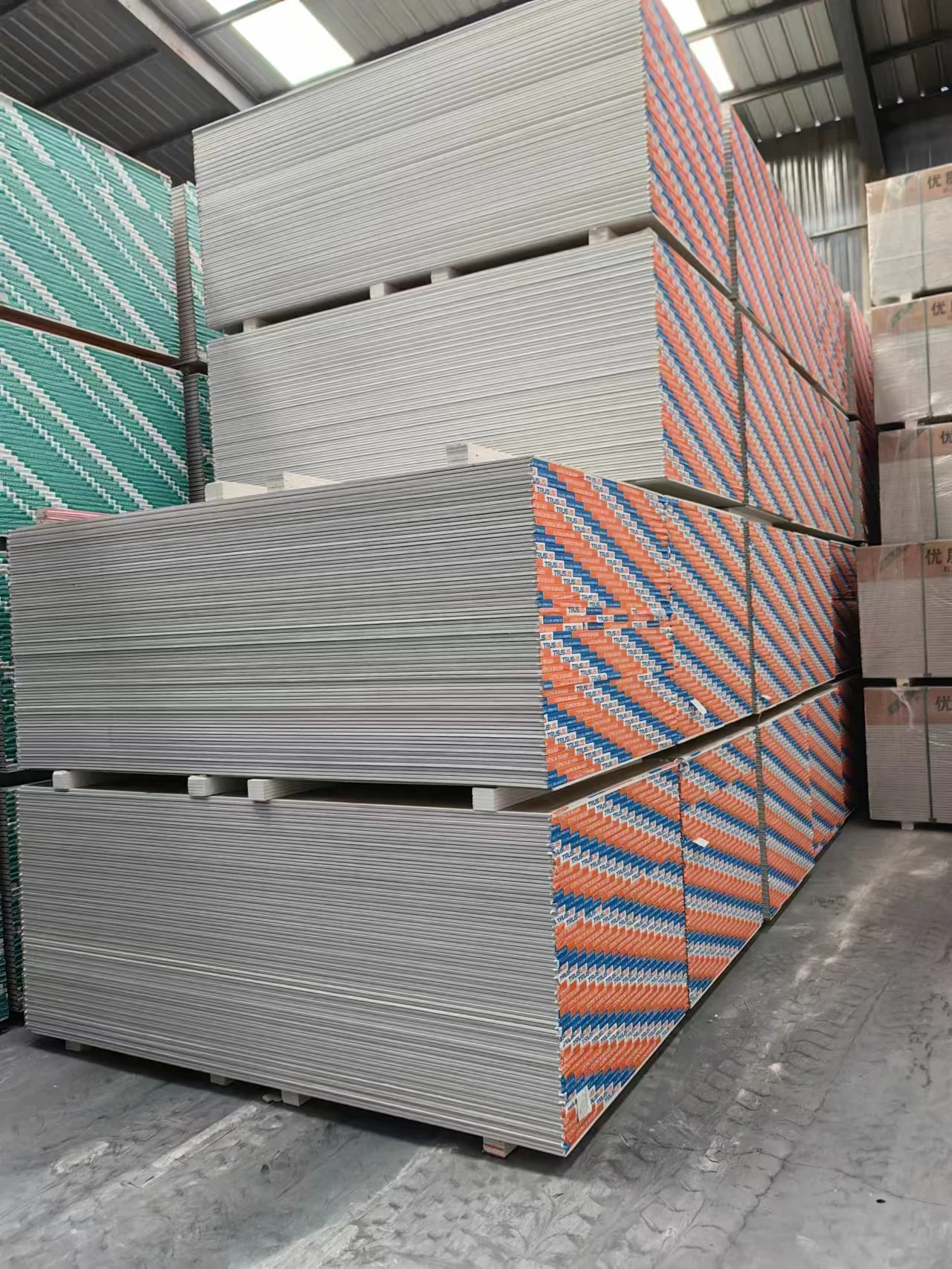
No, gypsum board is not structurally load-bearing, but it contributes to system-level strength by enhancing rigidity, surface protection, and material safety. It’s a component of the building envelope, not its skeleton.
technical insight: gypsum doesn’t support beams—it defines balance.
Gypsum Board System Role
| Function | Description | Benefit |
|---|---|---|
| Partition Lining | Covers studs and insulation | Smooth surfaces, energy balance |
| Fire Protection | Acts as barrier | Safety and regulation compliance |
| Acoustic Layer | Absorbs sound | Privacy and comfort |
| Surface Substrate | Paint or finish base | Aesthetic consistency |
Its mineral composition gives fire resistance and low thermal conductivity. Gypsum board stabilizes humidity and temperature, reducing internal stress and maintaining system performance under daily use.
What Are the Benefits of Using Gypsum Board?
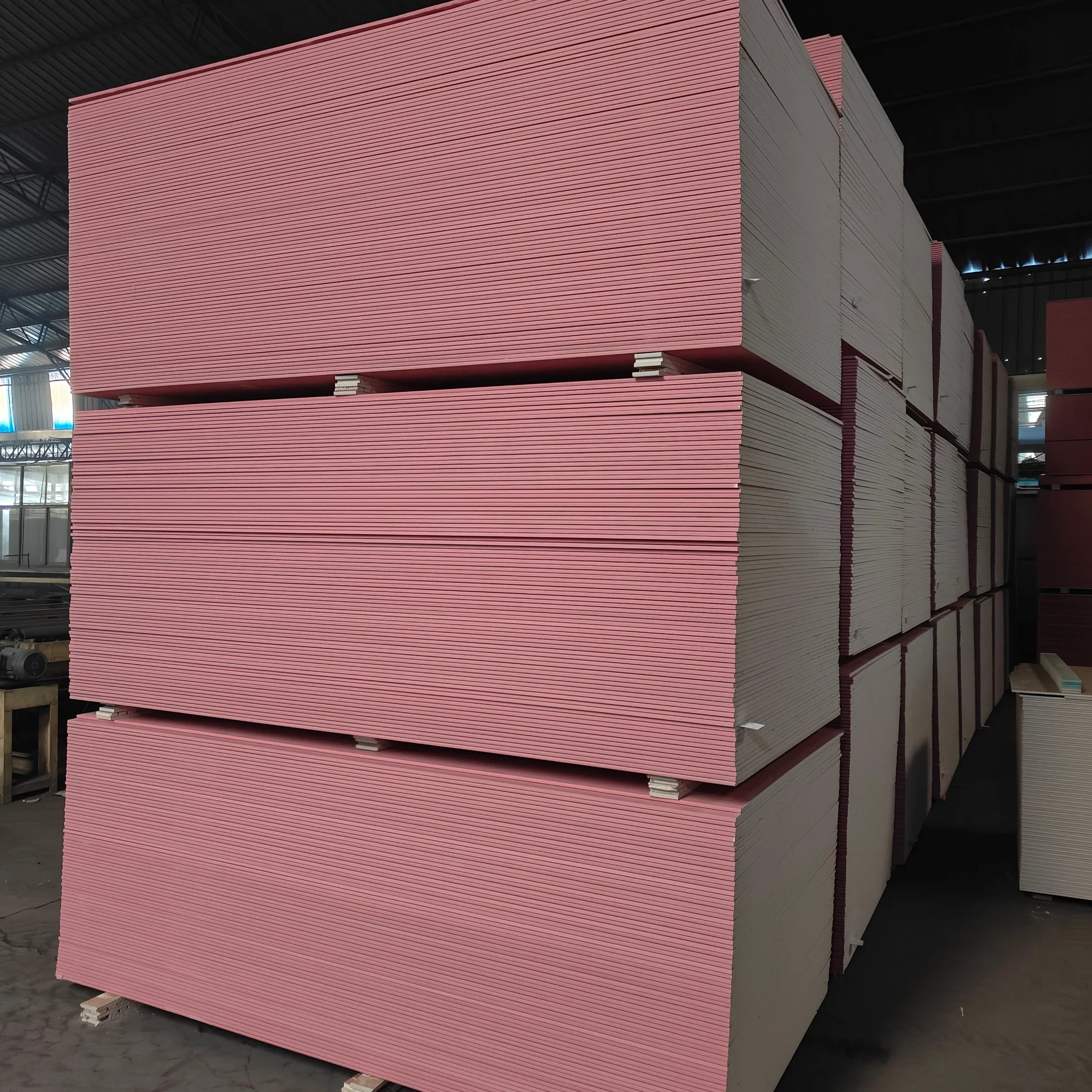
The major benefits of gypsum board include ease of installation, fire resistance, sound insulation, and environmental comfort. It brings efficiency and sustainability to modern construction projects.
performance insight: gypsum is precision crafted for living comfort.
Performance Benefits Table
| Category | Key Advantage | Explanation |
|---|---|---|
| Fire Safety | Non-combustible | Calcium sulfate core resists heat |
| Acoustic Control | Sound reflection & absorption | Reduces echo, adds calm |
| Moisture Regulation | Hygroscopic material | Balances indoor humidity |
| Construction Efficiency | Quick and clean installation | Labor and time saving |
| Sustainability | Recyclable components | Supports green building goals |
Gypsum board simplifies design complexity and accelerates construction timelines. It defines how modern interiors combine light structure with durable performance, bridging mechanical precision and human comfort.
Conclusion
Drywall and gypsum board do not strengthen by carrying weight—they strengthen by completing systems. At TRUSUS, I see them as the silent partners of architecture: light, stable, defining safety through balance rather than bulk.