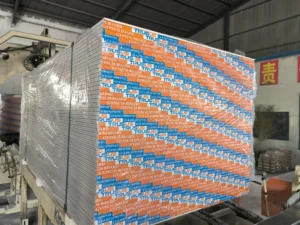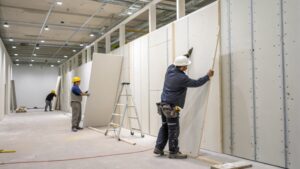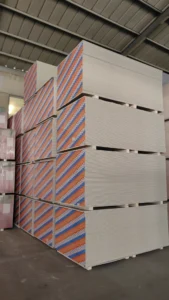


Container condensation during sea freight can seriously affect gypsum board quality by increasing moisture absorption, causing board deformation, paper damage, mold growth, and reduced strength. Proper moisture protection is critical during international shipping.
TRUSUS shipping insight: many gypsum board quality problems begin during transportation, not during manufacturing.
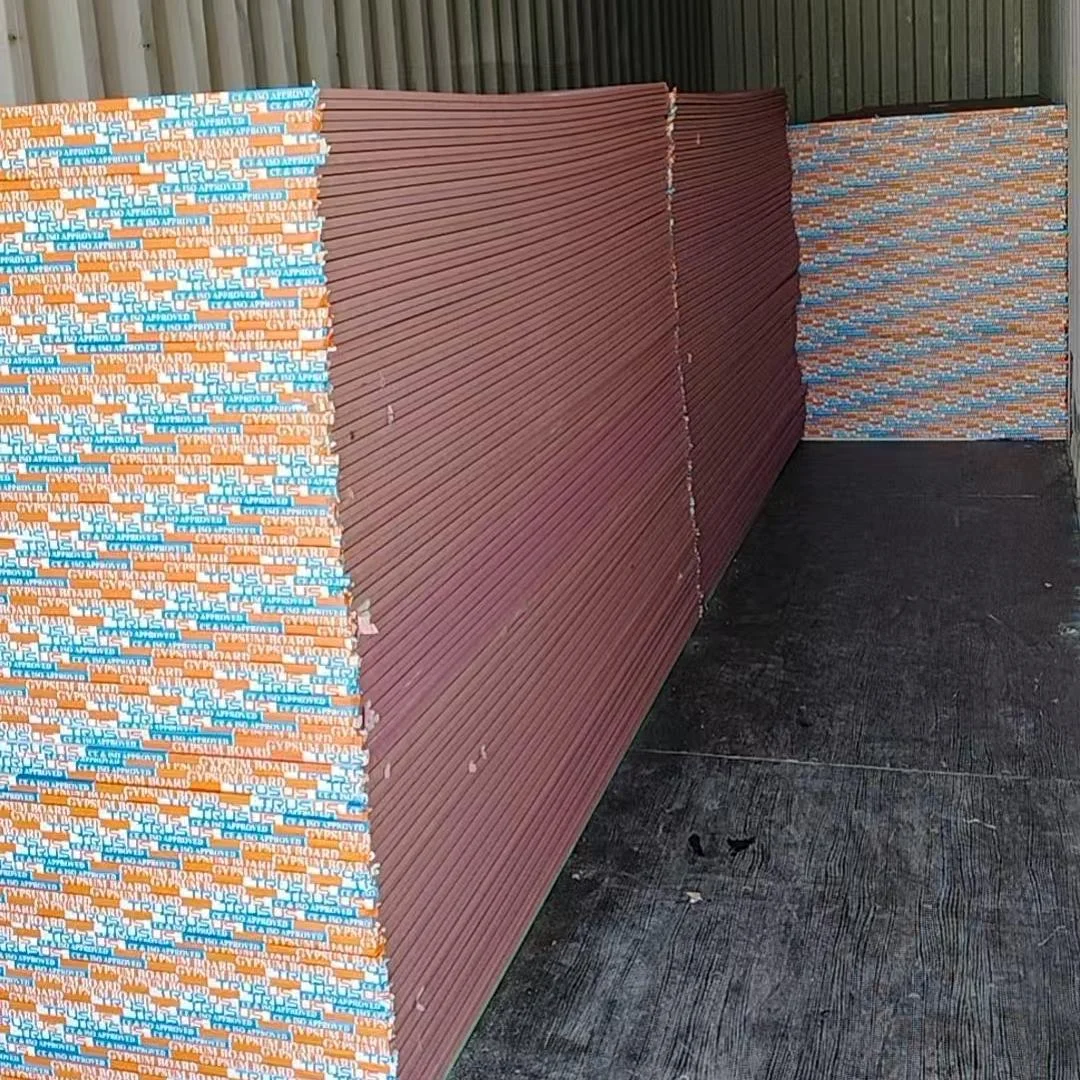
I increasingly see customers realize that stable product quality depends on full supply-chain control instead of only factory inspection.
Moisture during shipping is one of the biggest hidden risks.
Why Condensation Happens In Containers
| Cause | Result |
|---|---|
| Temperature differences | Water vapor forms |
| High humidity | Moisture accumulation |
| Poor ventilation | Condensation increases |
Sea freight creates unstable moisture conditions.
How Moisture Damages Gypsum Boards
| Moisture Effect | Quality Impact |
|---|---|
| Water absorption | Board swelling |
| Paper softening | Surface damage |
| Internal weakening | Reduced strength |
Excess moisture changes board performance.
Common Signs Of Condensation Damage
| Visible Sign | Possible Problem |
|---|---|
| Board warping | Moisture expansion |
| Edge softening | Water exposure |
| Mold spots | Long-term humidity |
Early inspection helps reduce project risk.
Prevention Methods During Sea Freight
| Protection Method | Purpose |
|---|---|
| Desiccants | Reduce humidity |
| Moisture-resistant packaging | Surface protection |
| Ventilation control | Airflow improvement |
Protection systems must work together.
Why Export Projects Need Stronger Moisture Control
| Domestic Delivery | Sea Freight Export |
|---|---|
| Short transport time | Long transport cycle |
| Stable environment | Extreme climate variation |
| Lower humidity exposure | Higher condensation risk |
Export logistics require more protection planning.
The Industry Shift Behind Condensation Questions
| Traditional Building-Material Supply | Modern Quality-Control Supply |
|---|---|
| Factory-quality focus | Full-chain quality focus |
| Product-only responsibility | Logistics-quality responsibility |
| Basic transportation | Engineered shipping protection |
I increasingly believe shipping protection is becoming part of premium building-material service.
What Is The Maximum Moisture Content Allowed Before Drywall Installation?
The recommended moisture content before drywall installation is below 1%, and it should generally not exceed 1.5%. Higher moisture content can lead to cracking, shrinking, joint failure, and finishing problems after installation.
TRUSUS quality insight: moisture control before installation is one of the most important factors in long-term drywall performance.
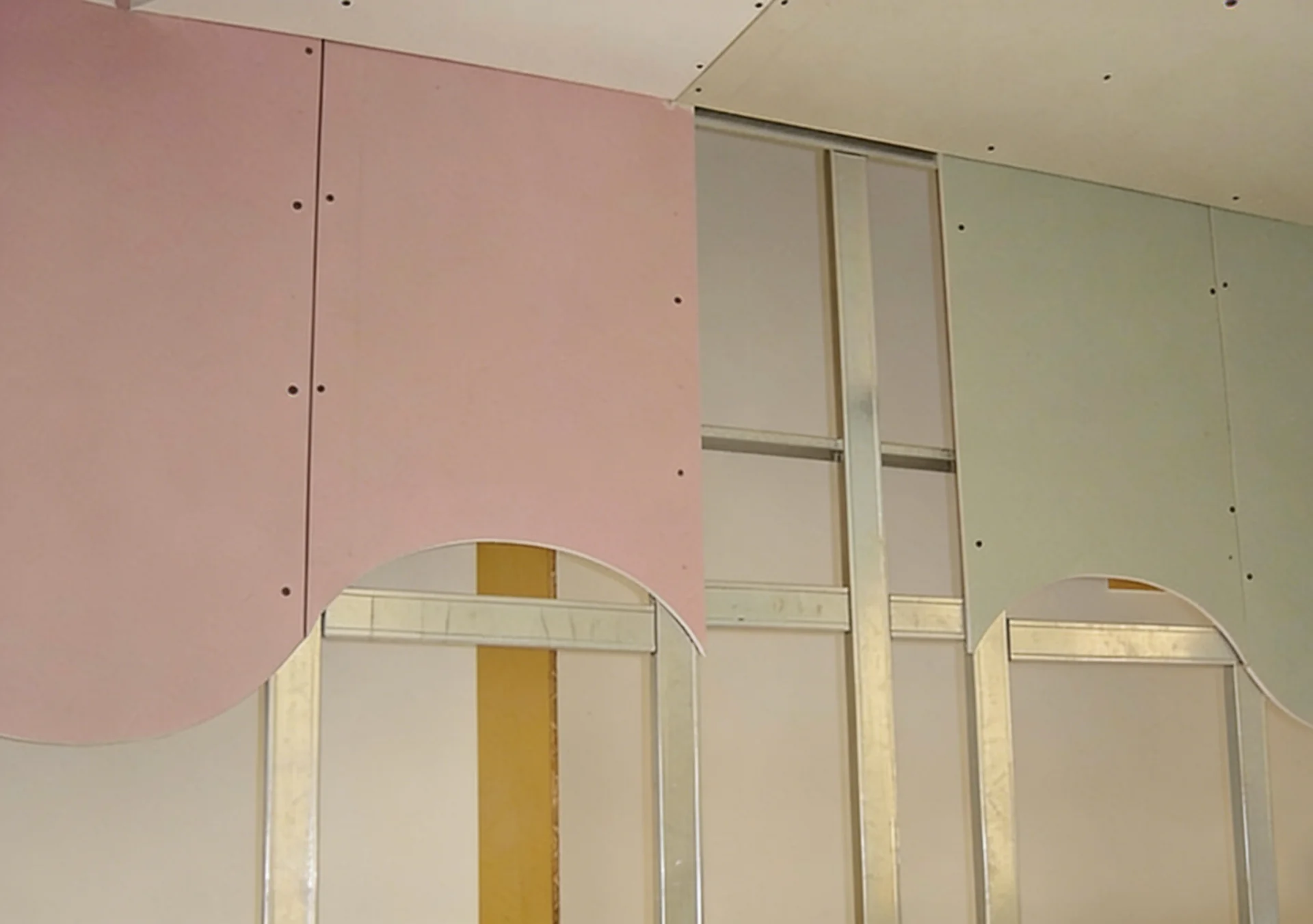
I increasingly see project teams pay more attention to moisture testing because modern finishing standards are much stricter.
Small moisture problems often become expensive repair issues later.
Recommended Moisture Standards
| Condition | Recommended Level |
|---|---|
| Ideal moisture content | Below 1% |
| Maximum acceptable level | About 1.5% |
Drywall performs best in stable dry conditions.
Problems Caused By Excess Moisture
| Problem | Result |
|---|---|
| Board shrinkage | Joint cracking |
| Surface instability | Paint failure |
| Mold growth | Indoor air-quality risk |
Moisture affects both structure and appearance.
Why Moisture Testing Matters
| Testing Purpose | Benefit |
|---|---|
| Installation verification | Reduced failure risk |
| Quality documentation | Better project control |
| Moisture detection | Early problem prevention |
Testing improves construction reliability.
Common Moisture Sources On Site
| Moisture Source | Risk |
|---|---|
| Wet concrete | Humidity transfer |
| Rain exposure | Board saturation |
| Poor ventilation | Slow drying |
Construction environments strongly affect drywall.
Why Modern Projects Demand Better Moisture Control
| Traditional Construction | Modern High-Quality Construction |
|---|---|
| Basic installation focus | Precision quality management |
| Limited environmental testing | Moisture-controlled installation |
| Reactive repair approach | Preventive quality approach |
Construction management is becoming more technical.
The Industry Shift Behind Moisture Questions
| Traditional Material Industry | Modern Quality-Assurance Industry |
|---|---|
| Product delivery focus | Installation-performance focus |
| Basic installation guidance | Full-process technical support |
| Material compliance | Lifecycle-quality management |
I increasingly see moisture management become a key part of drywall engineering.
Can Gypsum Board Be Installed In Freezing Temperatures?
Gypsum board installation in freezing temperatures is not recommended because low temperatures can affect joint-compound curing, increase board brittleness, and create long-term stability problems. Most manufacturers recommend installation between 10°C and 25°C.
TRUSUS construction insight: temperature control is often overlooked, but it directly affects drywall-system performance.
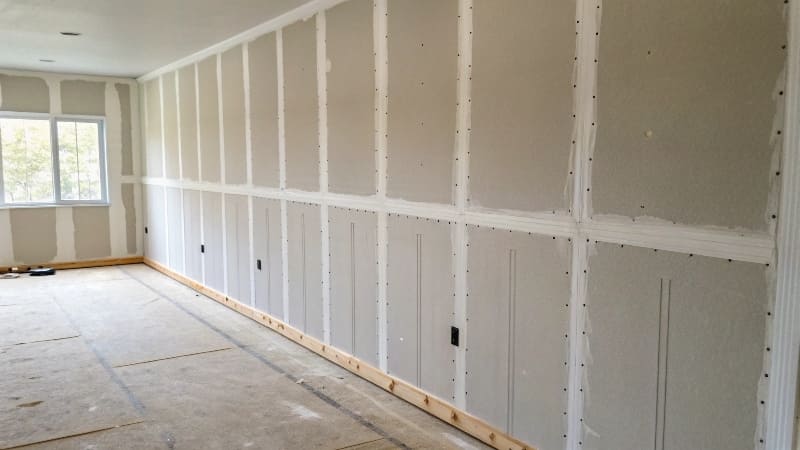
I increasingly see winter construction projects struggle with finishing quality because environmental conditions were not controlled properly.
Installation conditions matter as much as product quality.
Problems With Freezing-Temperature Installation
| Cold-Weather Effect | Construction Risk |
|---|---|
| Slow compound curing | Weak joints |
| Increased board brittleness | Edge damage |
| Thermal movement | Joint instability |
Cold conditions reduce system reliability.
Recommended Installation Temperatures
| Installation Stage | Recommended Temperature |
|---|---|
| Board installation | Above 10°C |
| Joint finishing | 10°C–25°C |
| Drying and curing | Stable indoor temperature |
Consistent temperature improves finishing quality.
Why Joint Compounds Need Warm Conditions
| Material Behavior | Impact |
|---|---|
| Slow moisture evaporation | Delayed curing |
| Frozen water particles | Bonding failure |
| Uneven drying | Surface cracking |
Joint systems depend on controlled curing.
Cold-Weather Protection Methods
| Protection Method | Purpose |
|---|---|
| Temporary heating | Stable temperature |
| Indoor enclosure | Reduced cold-air exposure |
| Moisture control | Better curing conditions |
Environmental management improves installation success.
Why Climate Control Is Becoming More Important
| Traditional Construction Methods | Modern Controlled Construction |
|---|---|
| Weather-dependent installation | Environment-controlled installation |
| Basic scheduling focus | Performance-based scheduling |
| Reactive troubleshooting | Preventive planning |
Construction standards are becoming more precise.
The Industry Shift Behind Temperature Questions
| Traditional Drywall Supply | Modern System-Performance Service |
|---|---|
| Product sales focus | Installation-success focus |
| Basic technical guidance | Environmental-condition consulting |
| Standard project support | Full-performance management |
I increasingly believe environmental-control expertise will become a major competitive advantage.
How Should Gypsum Boards Be Stacked On Site To Prevent Edge Damage?
Gypsum boards should be stacked flat on level supports with bottom spacers, edge protection, and waterproof covering to prevent edge damage, bending, and moisture exposure. Improper stacking is one of the main causes of on-site material loss.
TRUSUS site-management insight: many board failures happen after delivery because storage conditions are poorly managed.
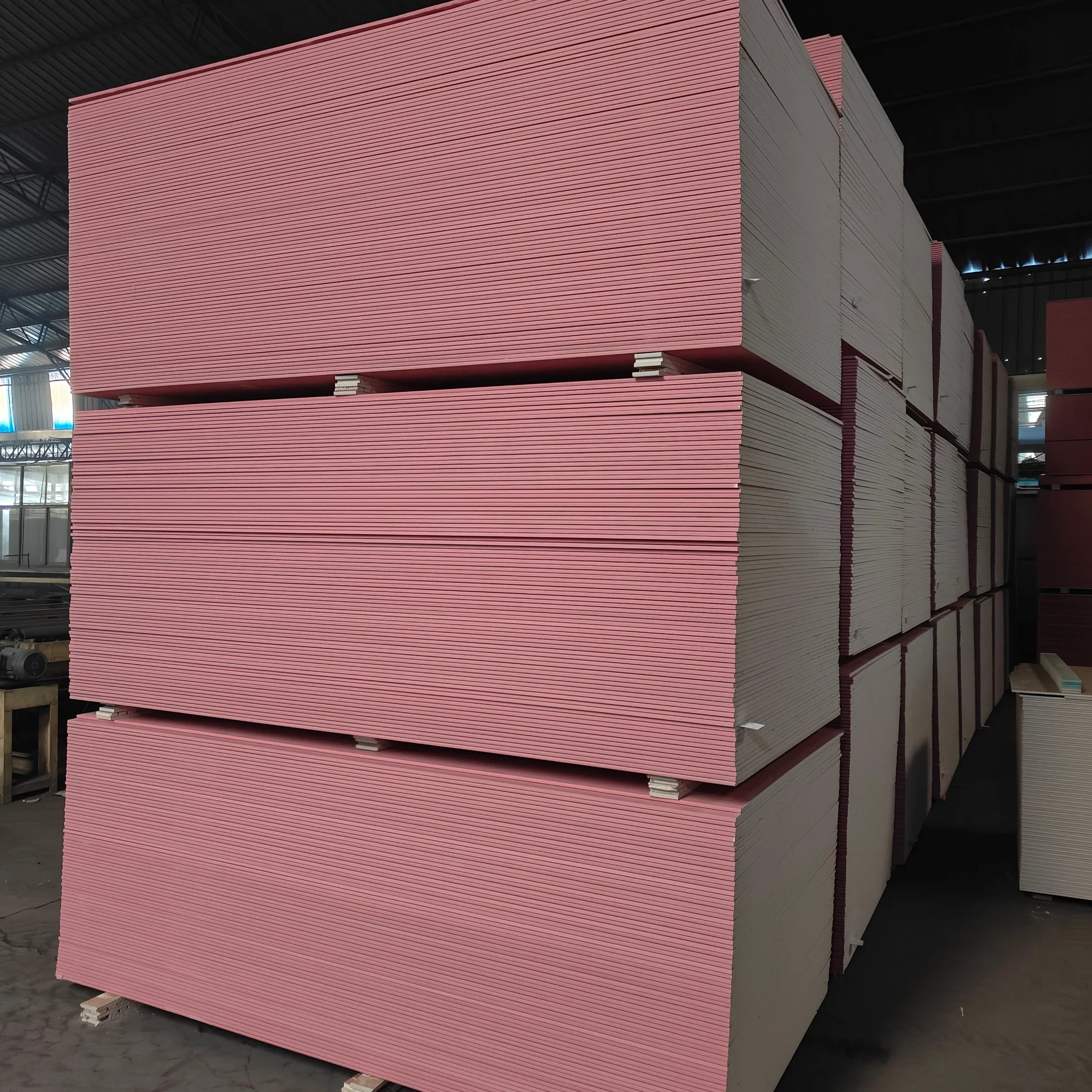
I increasingly see professional contractors treat material storage as part of overall quality management instead of only warehouse organization.
Good storage protects project value.
Correct Gypsum Board Stacking Method
| Stacking Requirement | Purpose |
|---|---|
| Flat horizontal stacking | Prevent warping |
| Raised bottom supports | Improve ventilation |
| Dry storage area | Prevent moisture absorption |
Proper support protects board integrity.
Why Edge Damage Happens
| Cause | Result |
|---|---|
| Uneven support | Board cracking |
| Vertical leaning | Edge crushing |
| Rough handling | Corner breakage |
Gypsum board edges are vulnerable during handling.
Recommended Site Protection Methods
| Protection Method | Benefit |
|---|---|
| Protective corner guards | Reduced impact damage |
| Soft spacers | Edge cushioning |
| Waterproof covers | Moisture protection |
Simple protection methods reduce waste.
Why Ventilation Matters During Storage
| Storage Condition | Risk |
|---|---|
| Poor airflow | Moisture buildup |
| Ground contact | Water absorption |
| Outdoor exposure | Surface deterioration |
Storage conditions directly affect installation quality.
Common On-Site Storage Mistakes
| Mistake | Consequence |
|---|---|
| Stacking on uneven ground | Board deformation |
| Exposed outdoor storage | Moisture damage |
| Excessive stack height | Lower-board crushing |
Poor storage increases project cost.
Why Material Handling Standards Are Evolving
| Traditional Material Management | Modern Quality-Control Management |
|---|---|
| Basic storage practices | Engineered storage procedures |
| Damage accepted as normal | Loss-prevention focus |
| Product delivery endpoint | Full-site quality responsibility |
Material protection is becoming part of construction quality systems.
The Industry Shift Behind Storage Questions
| Traditional Building-Material Industry | Modern Project-Quality Industry |
|---|---|
| Manufacturing-focused value | Full-chain quality value |
| Product-based service | Process-based technical support |
| Basic logistics support | Integrated quality-management support |
I increasingly see site-storage consulting become an important value-added service for professional drywall suppliers.
Conclusion
At TRUSUS, I see gypsum board evolving from a simple construction material into a full-chain quality-management system. Future industry value will come from moisture control, environmental adaptation, installation guidance, and lifecycle-quality assurance.