

Drop ceiling grid systems, including those using false ceiling tiles, gypsum ceiling tiles, or plaster board ceiling panels, have specific structural limits.
Standard drop ceiling grid systems typically support 2–4 pounds per square foot, while residential ceiling solutions may handle up to 10–15 pounds total per drop ceiling tile.
Commercial suspended ceiling company systems, when reinforced with board gypsum or metal channels, can support heavier loads up to 25–30 pounds per square foot.
Weight distribution, mounting type, and ceiling design board structure critically affect overall safe loading capacity.
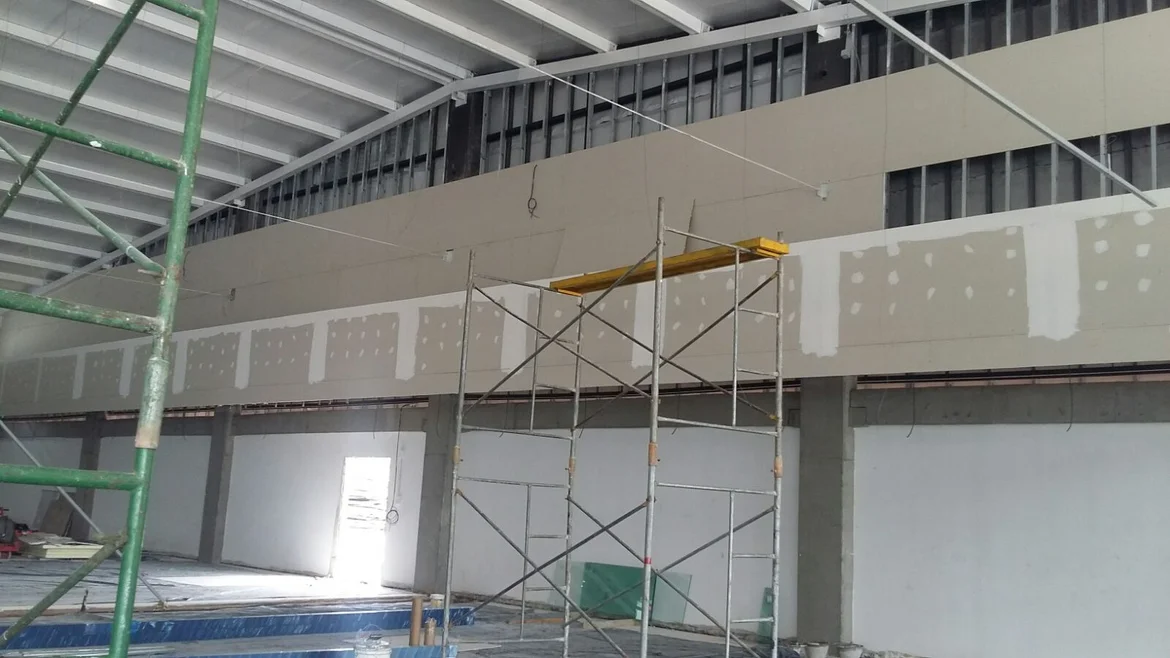
From years of experience working with gypsum board company installations and gypsum board factory ceiling systems, I’ve learned that weight capacity depends on the entire structural support network, not just the drywall material or gypsum boards themselves.
How to Tell If Drop Ceiling Tiles Have Asbestos?
Asbestos inspection is critical for older drop ceiling tiles, false ceiling tiles, or older plasterboard drywall commonly used before the 1980s.
Identify asbestos ceiling tiles by checking construction year (pre-1980 = high risk), texture, and lab testing.
Older false ceiling tiles with rough, fibrous textures and greyish-white tones may contain asbestos—testing by certified professionals costs $200–$400.
Visual Identification Indicators
| Visual Characteristic | Asbestos Risk Level | Period | Additional Indicators | Professional Testing Needed |
|---|---|---|---|---|
| Rough, Fibrous Texture | High | Pre-1980 | Greyish-white surface | Yes |
| Smooth Mineral or Gypsum Surface | Medium | 1970s–1980s | Uniform pattern | Recommended |
| Painted Drop Ceiling Tiles | Variable | Any era | Paint may contain asbestos | Yes if scraping |
| Modern PVC or Gypsum Board Tiles | Low | Post-1990 | Clean finish | Not required |
| Crumbling or Damaged Tiles | Critical | Any age | Fiber release visible | Immediate assessment |
Older gypsum ceiling tiles or plaster board panels from pre-1980 buildings pose the greatest asbestos risk and should not be disturbed without proper sampling.
Construction Period Risk Factors
| Construction Period | Asbestos Risk | Ceiling Material | Typical Use | Testing Requirement |
|---|---|---|---|---|
| Before 1950 | Very High | Fiber/Plaster Board | Institutional | Mandatory |
| 1950–1970 | High | Acoustic Ceiling Tiles | Commercial | Strongly recommended |
| 1970–1980 | Medium | Transition Materials | Mixed-use | Recommended |
| 1980–1990 | Low | Modern gypsum board material | Residential | Optional |
| After 1990 | Very Low | PVC ceiling panels, drop ceiling tiles, gypsum boards | All | Rarely needed |
Pre-1970 structures nearly always require testing before ceiling tile removal, especially in construcción en seco (dry construction) ceilings built with gypsum board or plaster board.
Professional Testing Process
Professional testing for asbestos in drop ceiling grid or gypsum board systems includes:
| Testing Stage | Process Description | Timeline | Cost | Certification |
|---|---|---|---|---|
| Visual Inspection | On-site certified evaluation | 1–2 hr | $100–200 | Required |
| Sample Collection | Safe removal of tile sample | <1 hr | Included | Yes |
| Lab Analysis | Polarized Microscopy | 3–5 days | $50–100/sample | Yes |
| Results Report | Detailed certification | 1–2 days | Included | Yes |
How Much Weight Can a Ceiling Hold?
Different ceiling materials, including drywall material, plasterboard drywall, gypsum boards, and ceiling design boards, have varying weight capacities.
Standard 1/2" drywall supports about 5–10 lbs/sq ft, while reinforced gypsum board ceilings can support slightly more.
Concrete slabs or heavy gauge drop ceiling grids can handle up to 50–100 lbs/sq ft.
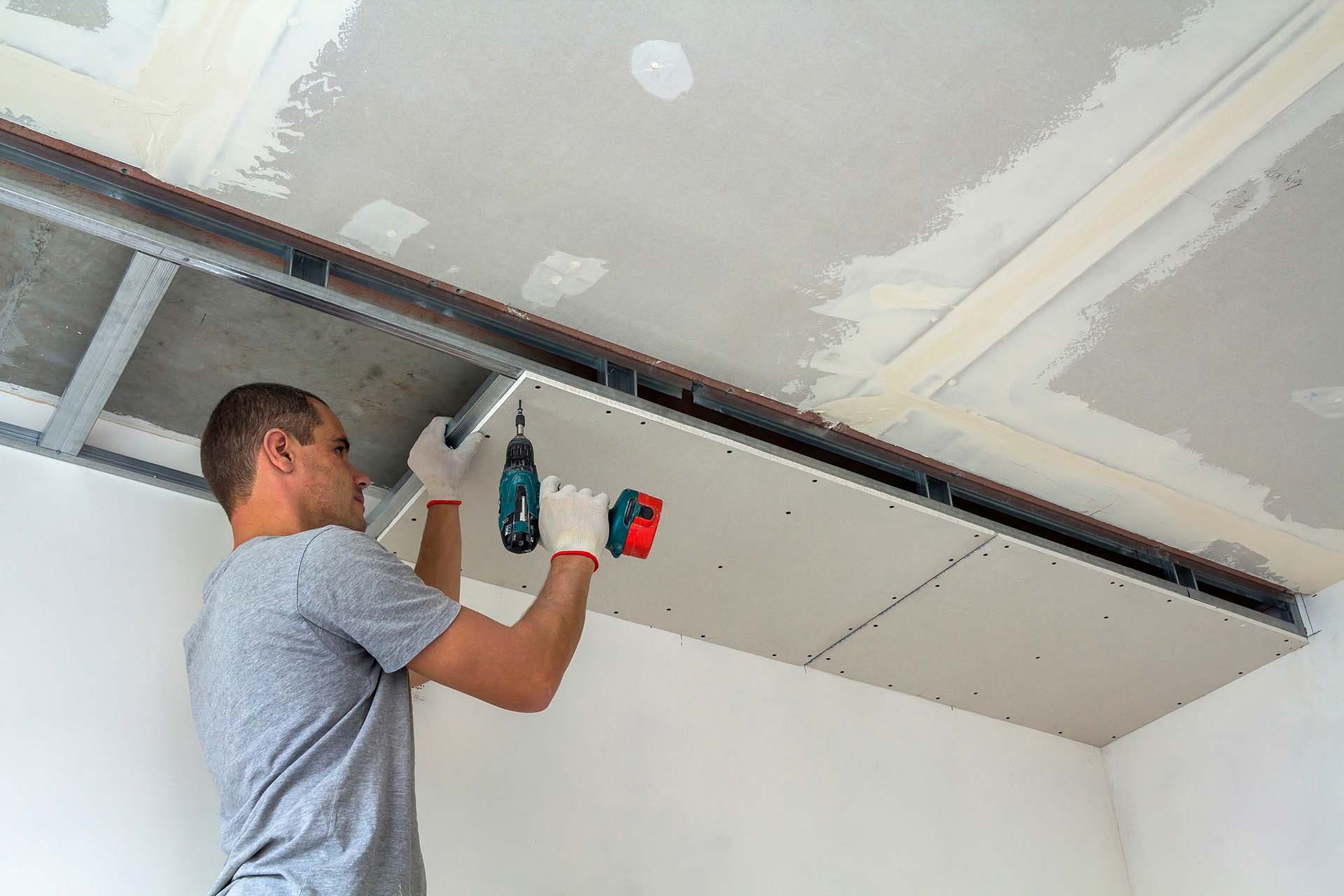
| Construction Type | Distributed Load | Point Load | Notes |
|---|---|---|---|
| 1/2" Drywall Material | 5–8 lbs/sq ft | 30–40 lbs | Light fixtures only |
| 5/8" Gypsum Board | 8–12 lbs/sq ft | 40–60 lbs | Avoid overload |
| Plaster Board Ceiling | 10–15 lbs/sq ft | 50–75 lbs | Use toggle bolts |
| Drop Ceiling Tiles | 2–4 lbs/sq ft | 10–20 lbs | Non-structural |
| Concrete Ceiling Grid | 50–100 lbs/sq ft | 200+ lbs | Anchors required |
Always mount heavy loads to joists, not directly on ceiling panels or gypsum boards.
Fastener Selection and Mounting for Gypsum Boards
| Fastener Type | Ceiling Use | Load Rating | Compatible Material |
|---|---|---|---|
| Wood Screws | Ceiling joists | 50–100 lbs | Gypsum board, wood |
| Toggle Bolts | Hollow ceiling | 20–50 lbs | Drywall material |
| Molly Bolts | Plaster board | 25–75 lbs | Plasterboard drywall |
| Concrete Anchors | Solid concrete | 100–500+ lbs | Reinforced concrete ceilings |
| PVC Mounts | Lightweight ceilings | <20 lbs | price PVC ceiling panel applications |
When working with drop ceiling grid systems, use manufacturer-approved hangers and avoid hanging heavy items directly from tiles.
Can You Walk on a Drywall or Gypsum Board Ceiling?
Walking on drywall material, gypsum boards, or plaster board ceilings is unsafe.
Ceilings designed with gypsum board or drop ceiling tiles cannot support human weight.
Even in board gypsum constructions, the framing supports only light loads, not foot traffic.
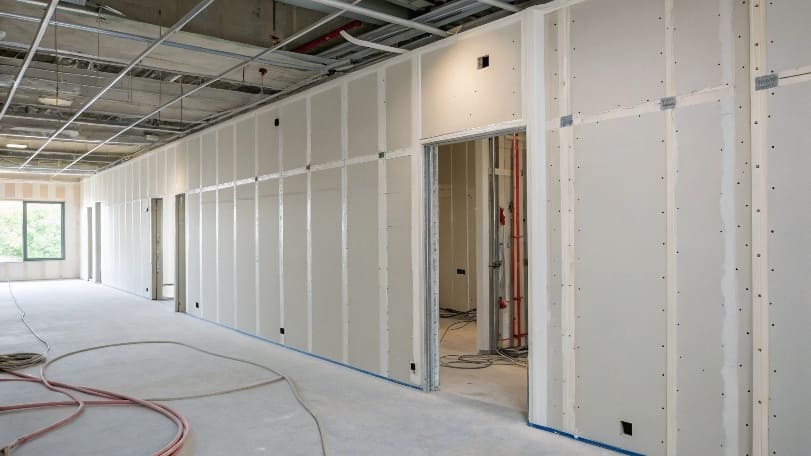
| Component | Load Capacity | Human Weight Impact | Failure Result |
|---|---|---|---|
| 1/2” Gypsum Board | 5 lbs/sq ft | 150–200 lb | Collapse |
| Ceiling Joists | 10–20 lbs/sq ft | 150 lb | Cracking & sagging |
| Plasterboard Drywall Seams | Minimal | 100 lb | Instant fracture |
Always use structural catwalks, scaffolds, or walkway boards—never step directly on drywall or gypsum ceiling tiles.
Safe Access Alternatives
| Method | Safety Rating | Load | Notes |
|---|---|---|---|
| Temporary Catwalks | High | 300+ lbs | Distribute weight |
| Suspended Platforms | High | Variable | Suspended ceiling company use |
| Ladders & Scaffolds | High | User-specific | Use ground-supported equipment |
| Lift Equipment | High | Platform-rated | Ideal for ceiling solutions maintenance |
Professional suspended ceiling companies routinely build maintenance platforms instead of walking on plaster board or gypsum boards.
Conclusion
- Drop ceiling grids, false ceiling tiles, and gypsum ceiling tiles typically support 2–4 lbs/sq ft, while commercial ceiling solutions with reinforcement handle up to 25–30 lbs/sq ft.
- Avoid disturbing pre-1980 asbestos-containing plaster board or gypsum board material—test through certified labs.
- Standard drywall material and gypsum boards support 5–10 lbs/sq ft distributed load, while reinforced ceiling systems can support more.
- Walking on drywall ceilings is unsafe; use catwalks or scaffolds designed by suspended ceiling companies.
- Whether installing drop ceiling tiles, price PVC ceiling panels, or gypsum board ceiling design boards, always confirm load ratings, reinforcement, and moisture resistance.
- Modern gypsum board companies and gypsum board factories now offer moisture-resistant board gypsum options, ensuring durability for both decorative and structural construcción en seco ceiling applications.
By maintaining proper engineering, humidity control, and correct load distribution, you can extend the life and safety of any modern ceiling system—from gypsum boards to drop ceiling grids and advanced PVC ceiling panels.