

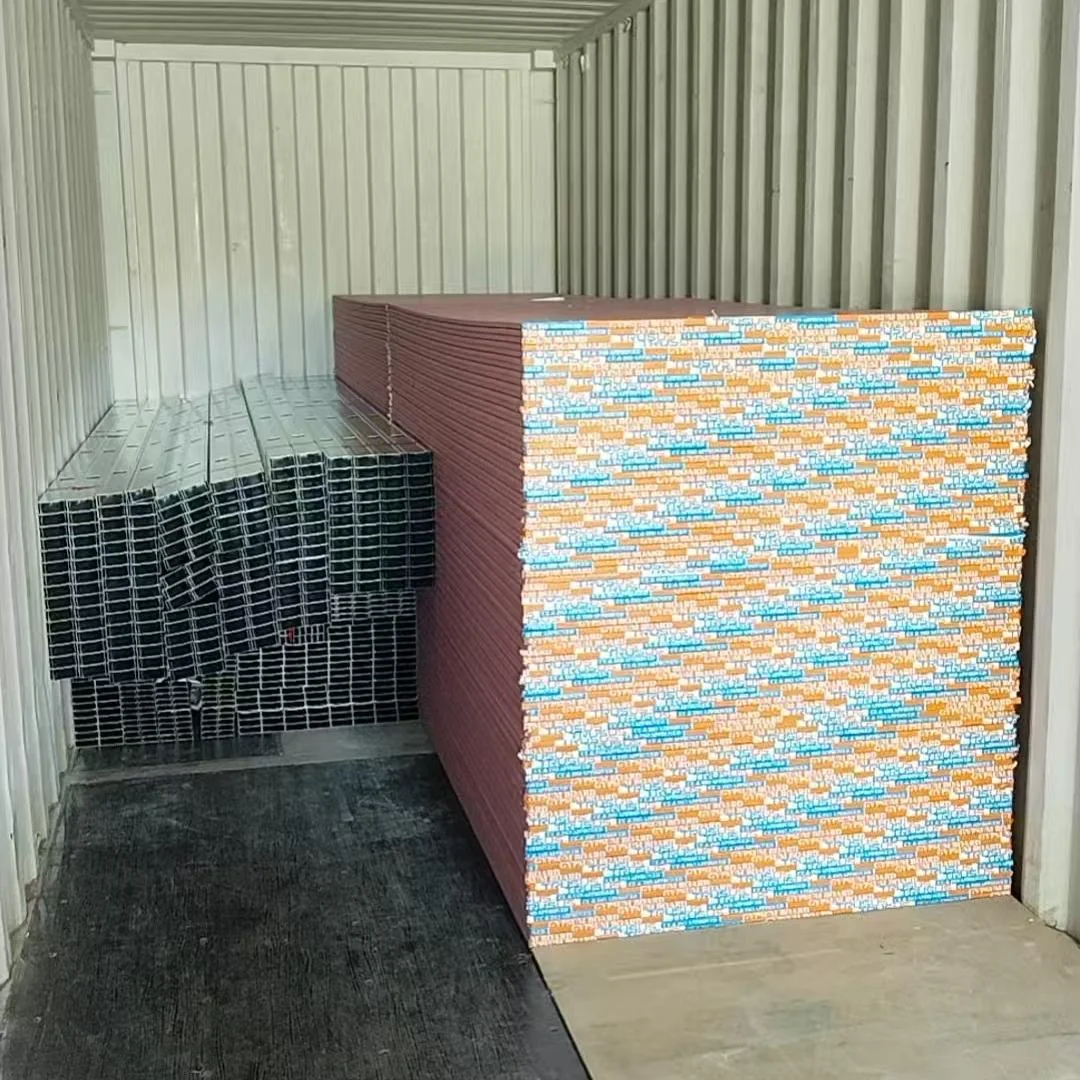
Gypsum boards should always be stored flat, off the ground, and in a dry, ventilated space to prevent warping or moisture absorption. Upright storage or leaning against walls weakens the board’s core.
TRUSUS insight: proper storage protects structure before installation begins.
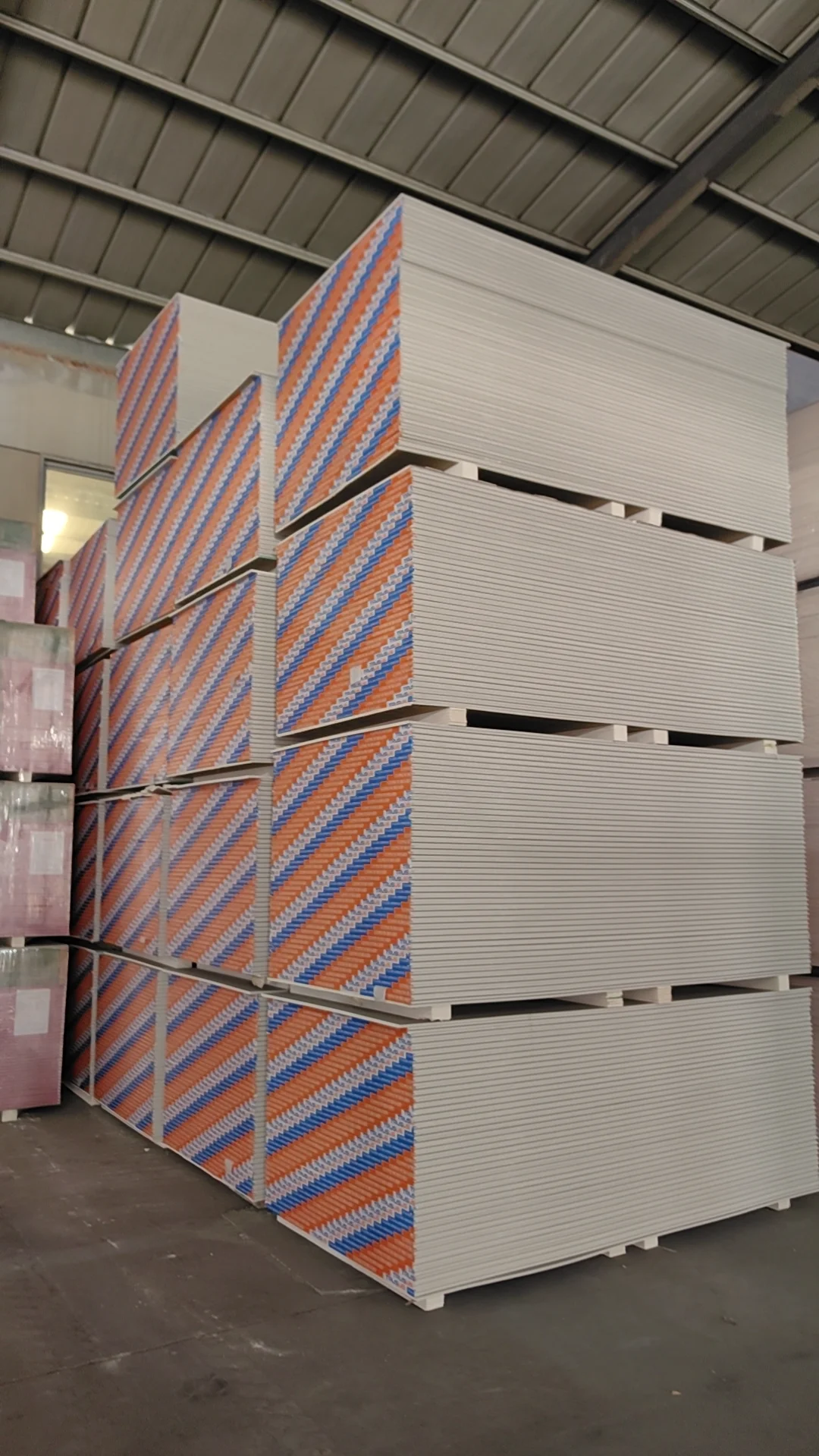
Gypsum boards are compressed materials that handle pressure well but not bending. Laying them horizontally distributes weight evenly and protects shape. Always keep them dry, covered, and supported for full width.
Is Hanging Drywall Vertically Bad?
Vertical hanging is not always bad, but horizontal hanging prevents more cracks and creates fewer seams. It also enhances wall strength by spreading stress across more studs.
installation insight: direction defines durability—follow stress, not habit.
Installation Comparison
| Orientation | Benefits | Drawbacks |
|---|---|---|
| Vertical | Easy for tall narrow walls | More joints per stud line |
| Horizontal | Fewer seams, stronger wall | Needs two workers for lifting |
Structural Effects
| Factor | Vertical Orientation | Horizontal Orientation |
|---|---|---|
| Seams count | Doubles | Fewer, less cracking |
| Stress flow | Concentrated | Evenly distributed |
| Labor control | Quicker for single installer | Better joint efficiency |
Horizontal installation follows natural building stress. It’s not about speed; it’s about structural balance for long-term flatness.
Why Is Drywall Hung Horizontally Instead of Vertically?
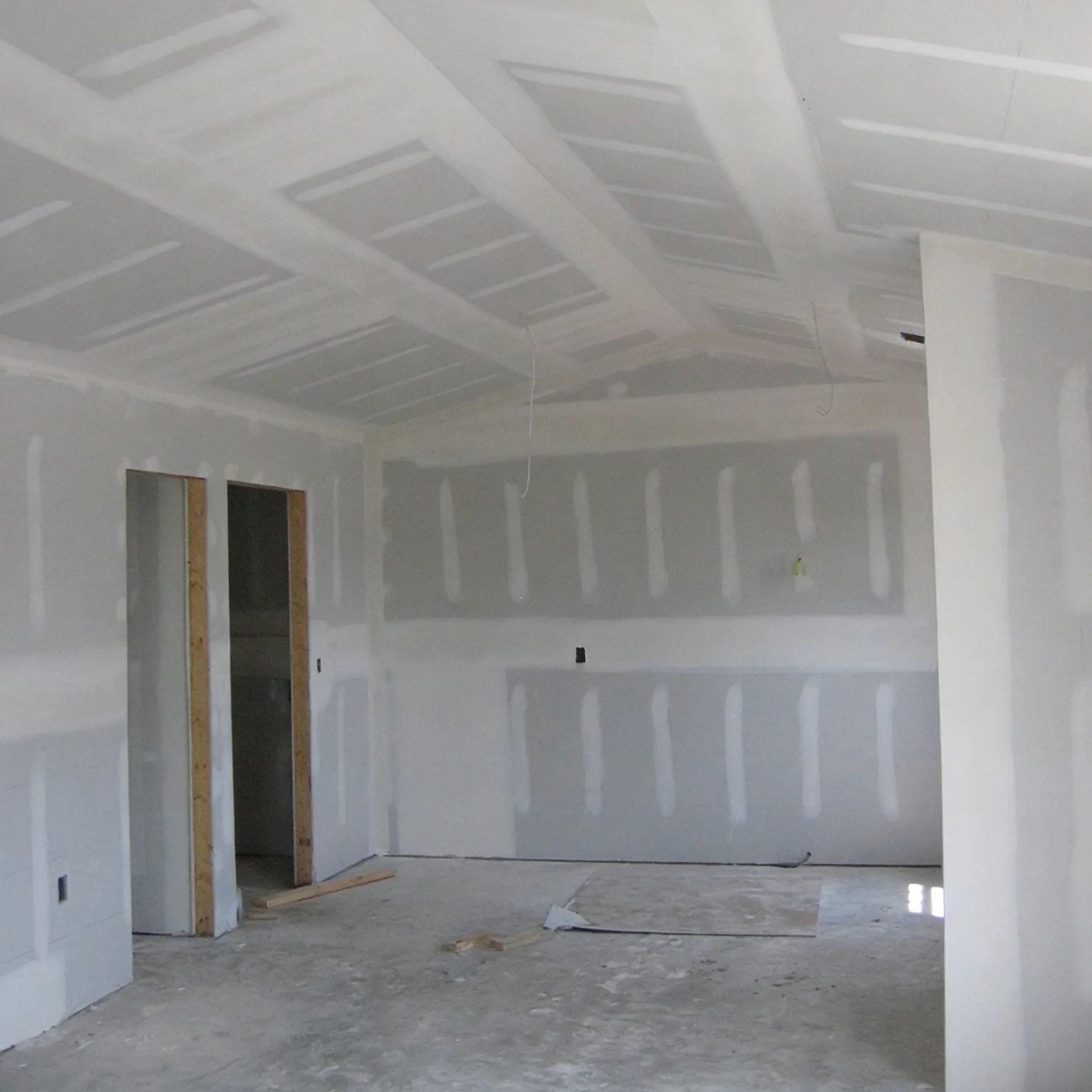
Drywall is hung horizontally so that the seams fall between fewer studs, improving stiffness and reducing visible joint lines. It increases wall integrity and looks smoother after finishing.
engineering insight: horizontal hanging harmonizes form and function.
Horizontal Hanging Logic
| Advantage | Technical Reason | Visual Result |
|---|---|---|
| Fewer joints | Each sheet spans more studs | Cleaner wall finish |
| Reduced cracking | Minimizes vertical stress | Stable paint surface |
| Seam staggering | Distributes temperature strain | Conceals imperfections |
Strength Distribution
| Panel Direction | Stress Pattern | Durability Impact |
|---|---|---|
| Vertical | Linear load transfer | Higher crack risk |
| Horizontal | Crosswise load spread | Greater dimensional stability |
The method aligns with gravity and temperature-induced expansion, keeping walls strong and even.
Why Hang Drywall From the Top Down?
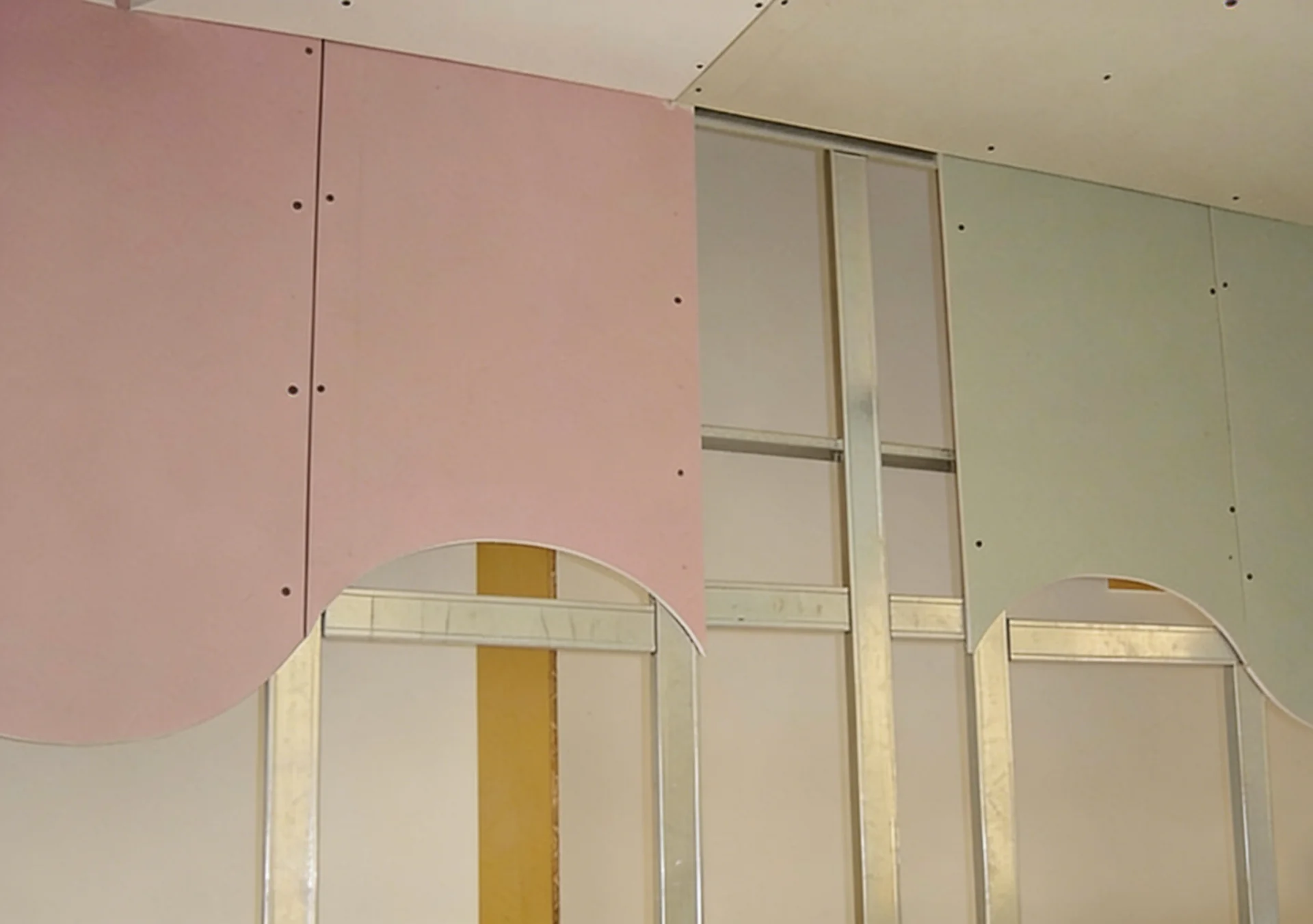
Drywall should be hung from the top down to tighten seams and align edges cleanly. The upper sheet supports the lower one, preventing gaps as the wall settles.
process insight: installation order manages gravity, not just workflow.
Installation Sequence Logic
| Step | Description | Purpose |
|---|---|---|
| 1. Secure top board | Fixed tight to ceiling framing | Creates compression line |
| 2. Install lower board | Push up slightly | Seals upper edge joint |
| 3. Screw alignment | Maintain consistent spacing | Prevent joint popping |
Physical Balance
| Installation Style | Gravity Effect | Joint Behavior |
|---|---|---|
| Bottom-up | Upper seams sag | Uneven gaps |
| Top-down | Upper edge holds shape | Tight seamless finish |
This approach maximizes fit and aesthetics while minimizing stress on joints.
Conclusion
Gypsum board quality relies on every step—from storage to final screw. Flat storage, horizontal hanging, and top-down installation transform a simple material into a structurally reliable surface. At TRUSUS, we believe mastery lies not in the panel itself but in how we handle it—because every wall’s strength begins with its posture.