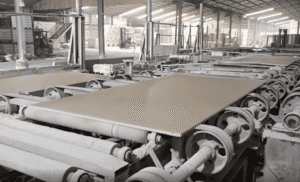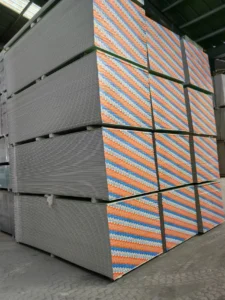


Many assume gypsum purity checking requires complex laboratory procedures, but practical methods exist for field assessment. Gypsum purity testing involves chemical analysis, physical properties, and visual indicators that determine material quality and performance characteristics in manufacturing applications.
Check gypsum purity through X-ray diffraction analysis for precise composition, chemical titration for calcium sulfate content, thermal analysis for dehydration behavior, visual inspection for color and clarity, and solubility tests that indicate impurity levels affecting gypsum board performance.
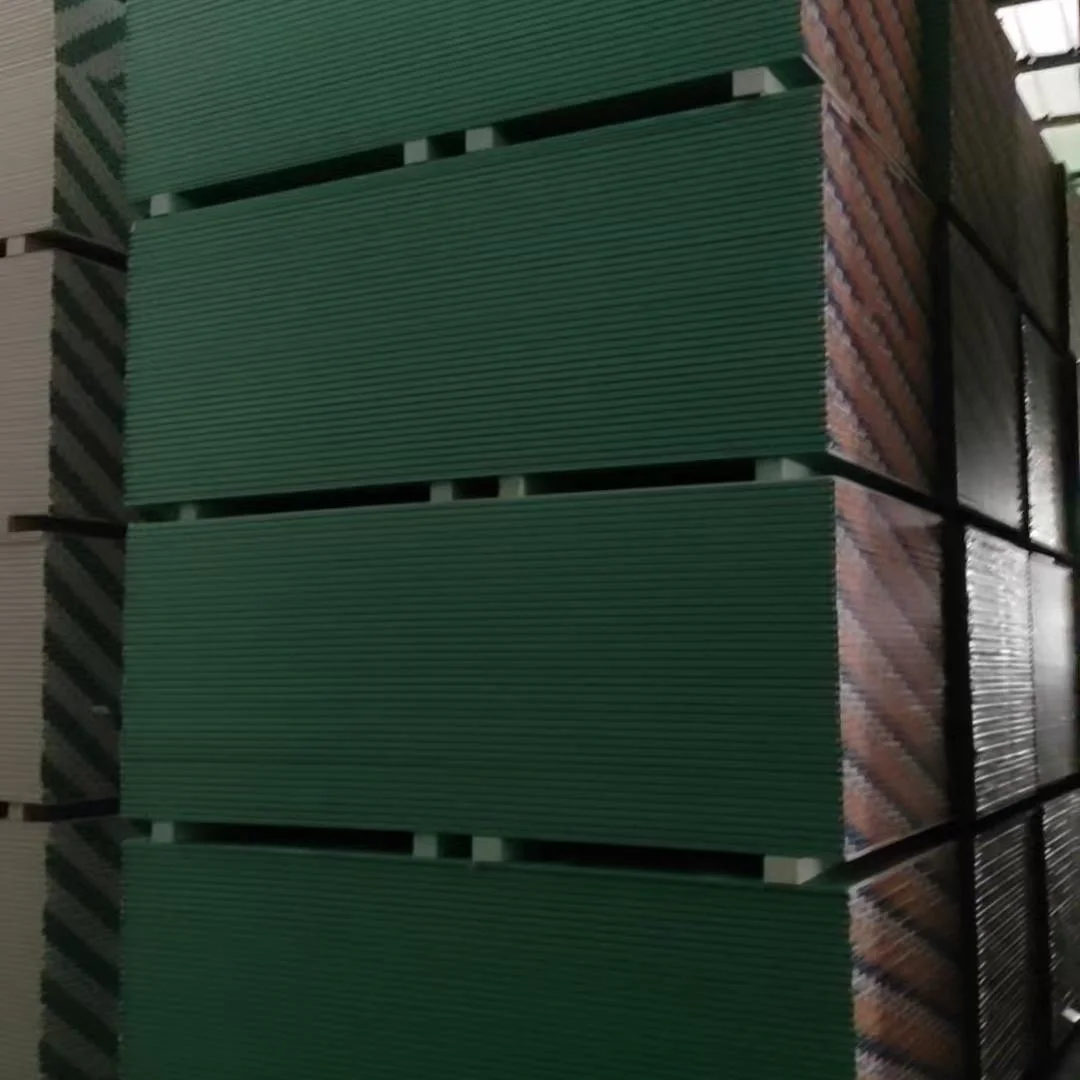
Through years of gypsum board manufacturing and raw material quality control, I learned that purity testing requires multiple assessment methods since single tests may miss important impurities while comprehensive evaluation ensures consistent product quality and performance in demanding applications.
What is Level 5 Gypsum Board Finish?
Understanding Level 5 finish requirements helps optimize high-end wall system specifications. Level 5 finish represents the highest quality drywall finishing standard involving specific surface preparation, coating requirements, and appearance criteria for premium applications requiring superior visual performance.
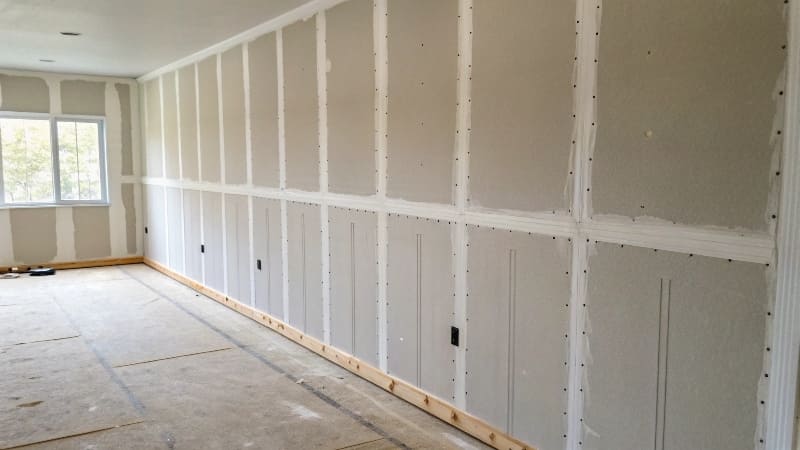
Level 5 gypsum board finish provides the highest quality surface with complete uniform coating over entire wall surface, eliminating joint visibility under critical lighting conditions through skim coating, specialized primers, and controlled application techniques for premium architectural applications requiring flawless appearance.
Comprehensive Level 5 Finish Analysis and Application Guidelines
Level 5 finish represents the premium standard for gypsum board surface preparation requiring specialized techniques and materials to achieve superior visual performance. During my experience working with high-end architectural projects and finish quality optimization, I learned that Level 5 specifications address critical lighting challenges while providing consistent surface appearance for demanding applications.
Finish level definitions establish quality standards from Level 1 through Level 5 with each level specifying surface preparation requirements, joint treatment, and expected appearance under normal lighting conditions. Level 5 represents the highest standard for critical visual applications.
Surface preparation for Level 5 includes complete skim coating over entire wall surface using specialized compounds applied in thin, uniform layers that eliminate texture variations and create consistent substrate for final finishes. Comprehensive surface treatment ensures uniform appearance.
Joint treatment requirements include complete tape and compound application with multiple coats, proper sanding, and surface verification that eliminates joint visibility while maintaining consistent surface texture throughout wall areas.
Skim coating application involves thin compound layers applied over entire surfaces using specialized techniques and materials that create uniform texture while eliminating variations from joint treatment, fastener holes, and surface imperfections.
Lighting considerations drive Level 5 requirements through critical lighting conditions including raking light, high-intensity illumination, and directional lighting that reveal surface imperfections invisible under standard lighting conditions. Critical lighting demands superior surface quality.
Material requirements include high-quality joint compounds, specialized primers, and application tools designed for Level 5 applications while ensuring proper cure times and environmental conditions during application and drying.
Quality control includes surface inspection under critical lighting conditions, texture verification, and appearance assessment that ensures specification compliance while identifying areas requiring additional treatment before final finishing.
Cost implications show Level 5 finish requiring significantly more labor and materials compared to standard levels while providing superior appearance for applications where visual quality justifies additional investment.
Application suitability includes high-end residential, commercial lobbies, galleries, and spaces with critical lighting where surface imperfections would be unacceptable while standard finish levels suit most typical applications.
Maintenance benefits from Level 5 finish include easier cleaning, improved durability, and better long-term appearance compared to lower finish levels while justifying initial investment through enhanced performance.
| Finish Level | Surface Treatment | Application Requirements | Typical Uses |
|---|---|---|---|
| Level 1 | Tape only | Basic joint coverage | Behind tiles, temporary |
| Minimal treatment | No compound finishing | Limited applications | Concealed areas |
| Level 2 | Tape and coat | Basic compound application | Texture finishes |
| Standard treatment | One compound coat | Spray texture areas | Utility spaces |
| Level 3 | Tape and two coats | Smooth compound finish | Light textures |
| Intermediate quality | Two compound applications | Moderate lighting | Standard commercial |
| Level 4 | Tape and three coats | High-quality smooth finish | Paint and wallpaper |
| Premium treatment | Three compound coats | Normal lighting | Residential standard |
| Level 5 | Complete skim coat | Entire surface treatment | Critical lighting |
| Highest standard | Full surface coating | Uniform appearance | Premium applications |
| Superior quality | Specialized techniques | Flawless finish | High-end projects |
What is the Lifespan of Gypsum Board?
Understanding gypsum board lifespan helps optimize building maintenance and replacement planning. Gypsum board longevity involves environmental conditions, installation quality, maintenance practices, and application factors that affect durability and performance over extended service periods.
Gypsum board lifespan typically ranges 30-50 years in normal indoor conditions with proper installation and maintenance, though moisture exposure, structural movement, and impact damage can reduce service life while quality installation and environmental protection extend durability significantly.
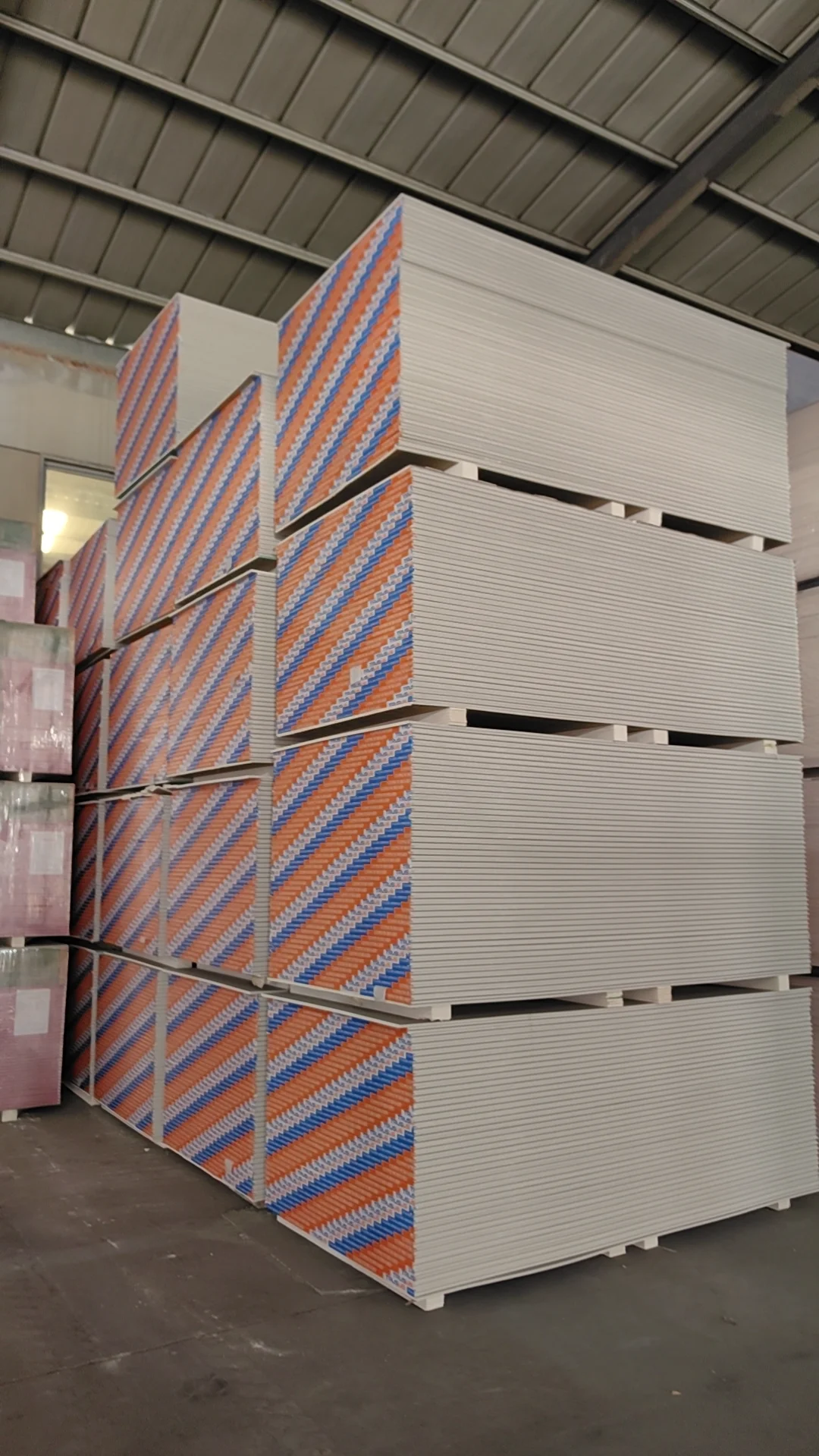
Detailed Gypsum Board Longevity Analysis and Performance Factors
Gypsum board longevity involves multiple environmental and installation factors that determine actual service life in building applications. During my experience working with gypsum board performance monitoring and building maintenance planning, I learned that proper installation and environmental control significantly extend service life while poor conditions can cause premature failure.
Environmental factors represent primary influences on gypsum board lifespan including humidity levels, temperature variations, air quality, and moisture exposure that affect material stability and structural integrity over time. Environmental control optimizes longevity.
Moisture effects include dimensional changes, strength reduction, and potential mold growth that compromise gypsum board performance when humidity exceeds optimal ranges. Moisture control prevents degradation while maintaining structural integrity.
Installation quality affects longevity through proper fastening, joint treatment, surface preparation, and structural integration that ensure long-term stability while preventing common failure modes including cracking, loosening, and joint failure.
Structural factors include building movement, vibration, and load changes that stress gypsum board installations while affecting long-term performance. Structural stability supports extended service life while movement accommodation prevents damage.
Maintenance practices influence lifespan through cleaning methods, damage repair, and environmental monitoring that preserve gypsum board condition while addressing problems before they compromise structural integrity.
Application conditions including room use, occupancy levels, and activity types affect wear patterns and exposure conditions that influence service life. Application matching optimizes performance while ensuring appropriate material selection.
Quality differences between gypsum board products affect longevity through material composition, manufacturing processes, and performance characteristics that determine durability under specific conditions. Quality selection optimizes service life.
Failure modes include physical damage, moisture damage, structural failure, and surface deterioration that indicate replacement needs while proper monitoring identifies problems early for timely intervention.
Replacement indicators include visible damage, performance degradation, structural changes, and maintenance cost increases that suggest replacement provides better value than continued repair and maintenance efforts.
Life cycle optimization includes proper material selection, quality installation, environmental control, and preventive maintenance that maximize service life while minimizing total cost of ownership over building lifecycle.
| Lifespan Factor | Impact on Durability | Optimization Strategy | Expected Service Life |
|---|---|---|---|
| Environmental Conditions | Primary influence | Climate control | 30-50+ years |
| Humidity control | Moisture management | HVAC systems | Optimal conditions |
| Temperature stability | Thermal cycling | Insulation systems | Reduced stress |
| Installation Quality | Foundation for longevity | Professional installation | Maximum lifespan |
| Proper fastening | Structural integrity | Code compliance | Long-term stability |
| Joint treatment | Surface continuity | Quality materials | Appearance maintenance |
| Maintenance Practices | Condition preservation | Preventive care | Extended service |
| Regular inspection | Early problem detection | Systematic monitoring | Problem prevention |
| Prompt repairs | Damage limitation | Quick response | Degradation prevention |
| Application Matching | Performance optimization | Appropriate selection | Service suitability |
| Environmental suitability | Condition matching | Proper specifications | Optimal performance |
| Load considerations | Structural compatibility | Engineering evaluation | Safe operation |
| Quality Selection | Material performance | Value optimization | Cost-effective choice |
| Standard products | Normal applications | 30-40 years | Typical performance |
| High-performance products | Demanding conditions | 40-50+ years | Enhanced durability |
What are the Grades of Gypsum?
Understanding gypsum grades helps optimize material selection for specific applications. Gypsum grading involves purity levels, performance characteristics, and application suitability that determine appropriate material choice for different manufacturing and construction requirements.
Gypsum grades include Alpha (high-strength plaster), Beta (standard plaster), pharmaceutical grade (ultra-pure), industrial grade (general construction), and specialty grades with specific additives for enhanced performance characteristics including fire resistance, moisture resistance, and dimensional stability.
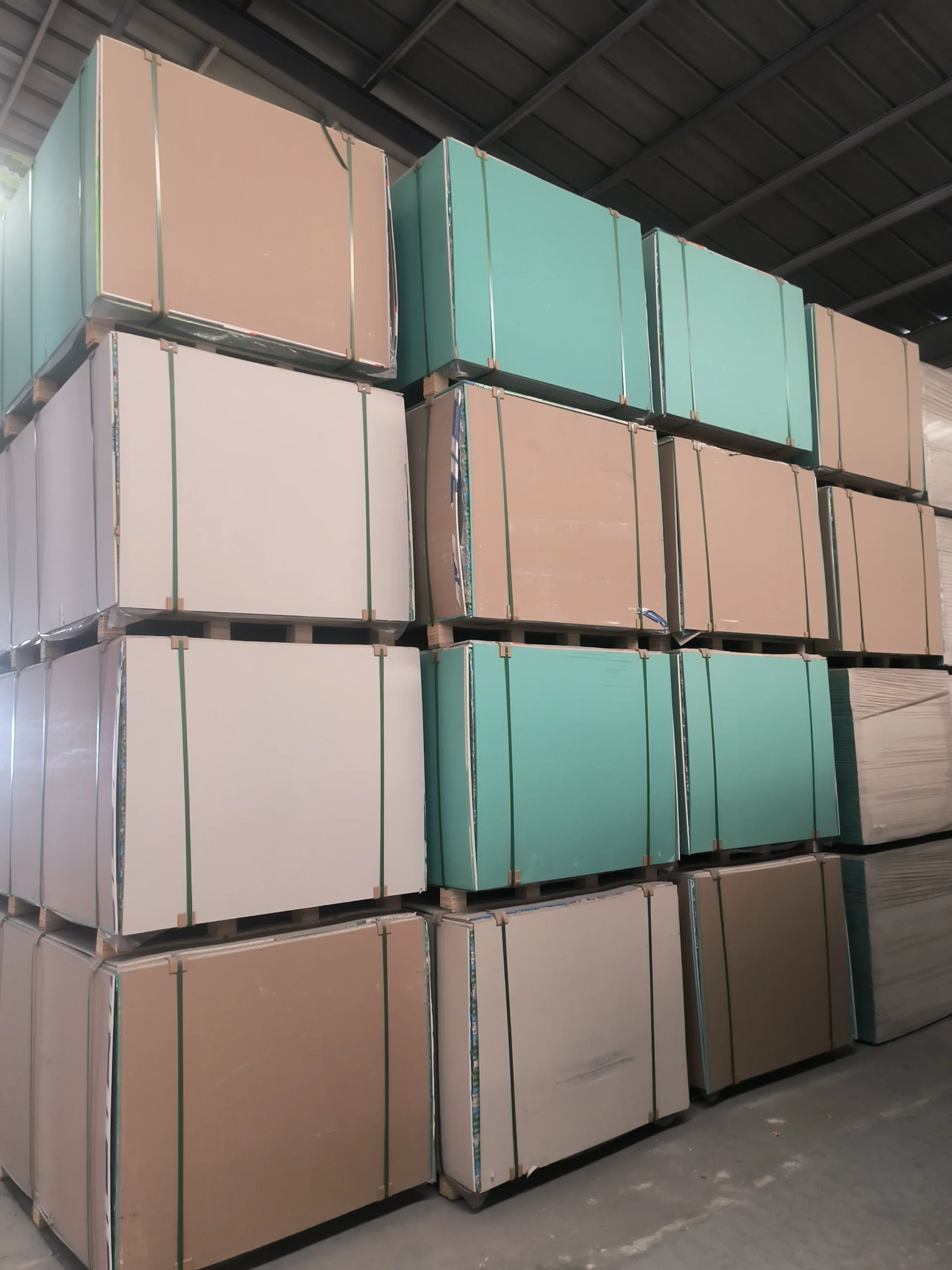
Comprehensive Gypsum Grade Analysis and Application Guidelines
Gypsum grade classification involves purity levels, processing methods, and performance characteristics that determine suitability for different applications. During my experience working with gypsum sourcing and product development, I learned that understanding grade differences ensures optimal material selection while preventing application problems and performance issues.
Alpha gypsum represents the highest strength grade produced through autoclave processing that creates dense crystal structure with superior strength characteristics and reduced water requirements for setting. Alpha gypsum suits demanding applications requiring maximum strength.
Beta gypsum includes standard grades produced through calcination in open systems that create typical crystal structure with normal strength characteristics and standard water requirements. Beta gypsum serves most construction applications effectively.
Purity classifications define chemical composition including calcium sulfate content, impurity levels, and mineral contamination that affect performance characteristics and application suitability. Purity requirements vary by application while affecting material costs.
Processing methods influence gypsum characteristics through calcination temperature, grinding fineness, and quality control that determine physical properties including setting time, strength development, and workability characteristics.
Industrial applications include gypsum board manufacturing, plaster production, and cement manufacturing where specific grade requirements ensure product quality while optimizing manufacturing processes and cost effectiveness.
Pharmaceutical applications require ultra-high purity grades meeting strict quality standards for medical and dental applications where contamination risks demand exceptional purity levels and quality assurance.
Construction applications utilize various grades depending on performance requirements including strength, setting time, and environmental resistance while balancing cost considerations and performance needs.
Specialty additives create modified grades including fire retardants, accelerators, retarders, and strength enhancers that provide specific performance characteristics for specialized applications requiring enhanced properties.
Quality testing includes chemical analysis, physical property testing, and performance verification that ensures grade specifications while maintaining consistent quality for reliable application performance.
Cost considerations show grade differences affecting material costs with higher grades commanding premium pricing while application requirements justify grade selection based on performance needs and economic optimization.
| Gypsum Grade | Processing Method | Key Characteristics | Primary Applications |
|---|---|---|---|
| Alpha Gypsum | Autoclave process | High strength, low porosity | Dental models, art casting |
| Type I Alpha | Steam pressure | Superior strength | Precision applications |
| Type II Alpha | Modified process | Enhanced properties | High-performance uses |
| Beta Gypsum | Open calcination | Standard properties | General construction |
| Standard Beta | Atmospheric process | Normal strength | Gypsum board manufacturing |
| Modified Beta | Enhanced process | Improved characteristics | Quality construction |
| Industrial Grade | Commercial process | Cost-effective | Mass production |
| Construction grade | Standard quality | Basic requirements | Building materials |
| Manufacturing grade | Process optimization | Production efficiency | Industrial applications |
| Pharmaceutical Grade | Ultra-pure process | Medical standards | Healthcare applications |
| USP grade | Pharmacopoeia standards | Strict purity | Medical/dental use |
| Food grade | Food safety standards | Consumption safety | Food additive use |
| Specialty Grades | Modified formulations | Enhanced properties | Specific applications |
| Fire-resistant | Additive enhanced | Thermal protection | Safety applications |
| Quick-setting | Accelerated cure | Fast installation | Repair applications |
| High-strength | Performance enhanced | Superior durability | Demanding conditions |
Conclusion
Gypsum purity testing requires X-ray diffraction and chemical analysis for accurate assessment, Level 5 finish provides superior surface quality through complete skim coating for critical lighting applications, gypsum board typically lasts 30-50 years with proper installation and environmental control, and gypsum grades range from Alpha high-strength to specialty formulations optimized for specific performance requirements and applications.