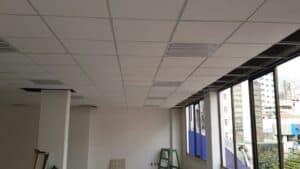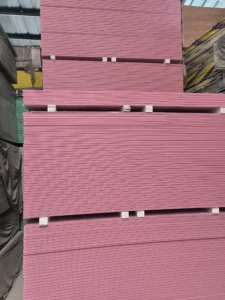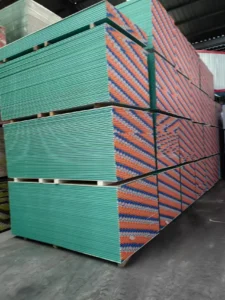


You can hide drywall imperfections on a ceiling by covering them with textured finishes, drop ceilings, or decorative gypsum panels. Instead of repairing each flaw, introduce layers or designs that shift visual focus. Coverage replaces patching as a smarter design technique.
view: hiding flaws is not concealing—it’s transformation through design.
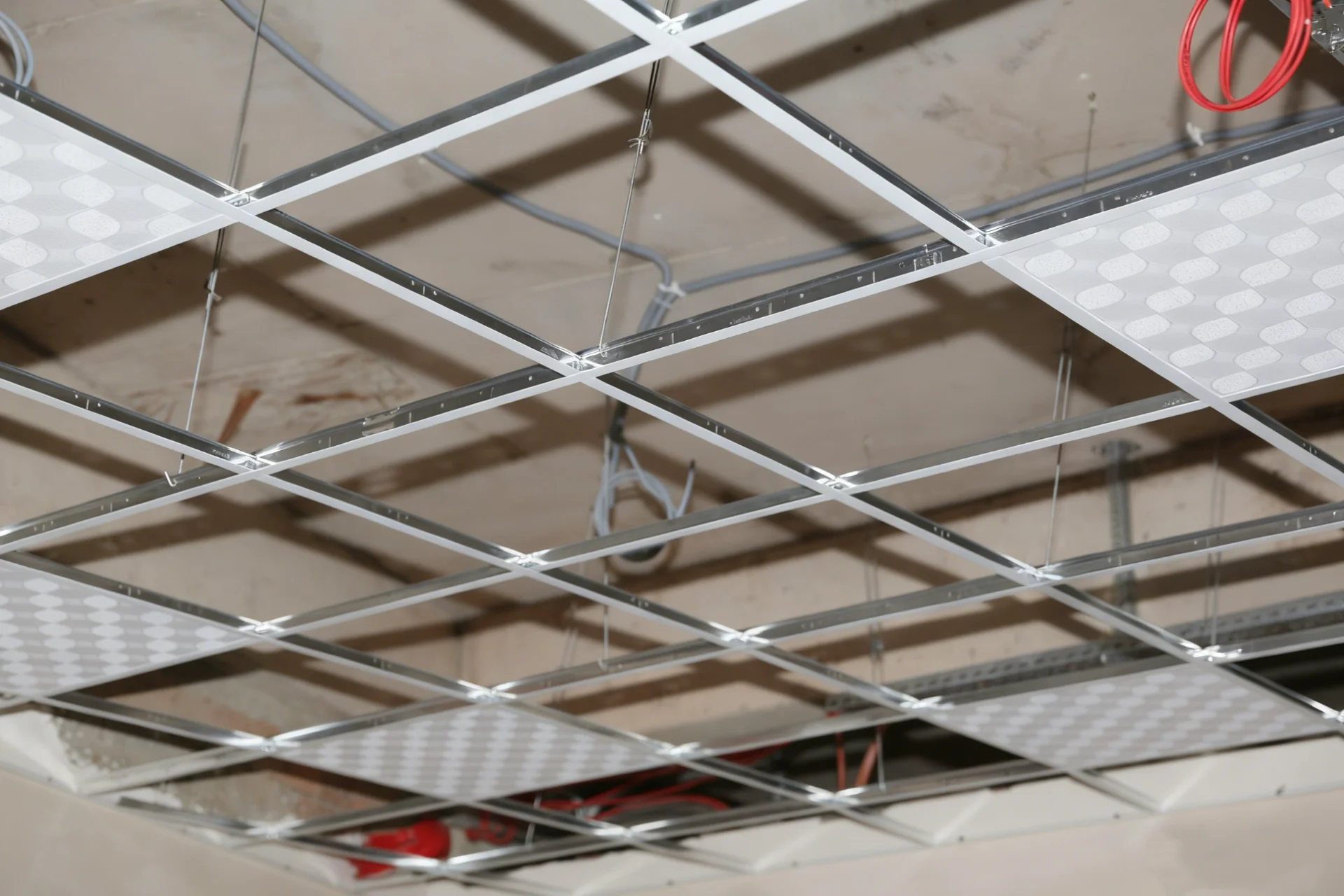
Modern ceiling systems don’t fix surface errors—they rebuild how light and shadow define space.
What Is the Cheapest Way to Cover a Ceiling?
The cheapest way to cover a ceiling is to use flat gypsum board panels or lightweight PVC ceiling boards, supported by a simple grid frame. Avoid plaster work—it increases labor and drying time. Painting or minimal texture coating afterward provides a finished look for less cost.
efficiency insight: cost-saving begins with less material complexity, not poorer results.

Budget Ceiling Options
| Method | Material | Cost Range (USD per m²) | Visual Effect | Notes |
|---|---|---|---|---|
| Painted gypsum board | Standard plasterboard | 5–10 | Smooth modern surface | Most economical |
| PVC ceiling panels | Plastic composite | 8–12 | Clean waterproof finish | Ideal for humid rooms |
| Acoustic tiles | Fiber panels | 12–20 | Texture variation | Good for noise control |
| Light frame system | Metal grid + boards | 15–25 | Level design flexibility | Enables maintenance access |
Budget Control Principles
| Step | Recommendation |
|---|---|
| Simplify structure—use single-layer boards | |
| Minimize joint lines—reduces finishing cost | |
| Paint light colors—soften imperfections | |
| Include lighting design—shift visual emphasis |
Affordable coverage doesn’t mean cheap looks; design compensates for structure.
How to Cover an Imperfect Gypsum Ceiling?
Cover an imperfect gypsum ceiling using a secondary ceiling layer or texture paint coating. You can install a thinner gypsum board layer below the existing one or apply a decorative plaster-like compound. Both methods hide minor cracks and unevenness without full replacement.
structural insight: thin-layer systems perform best when applied with balance rather than thickness.
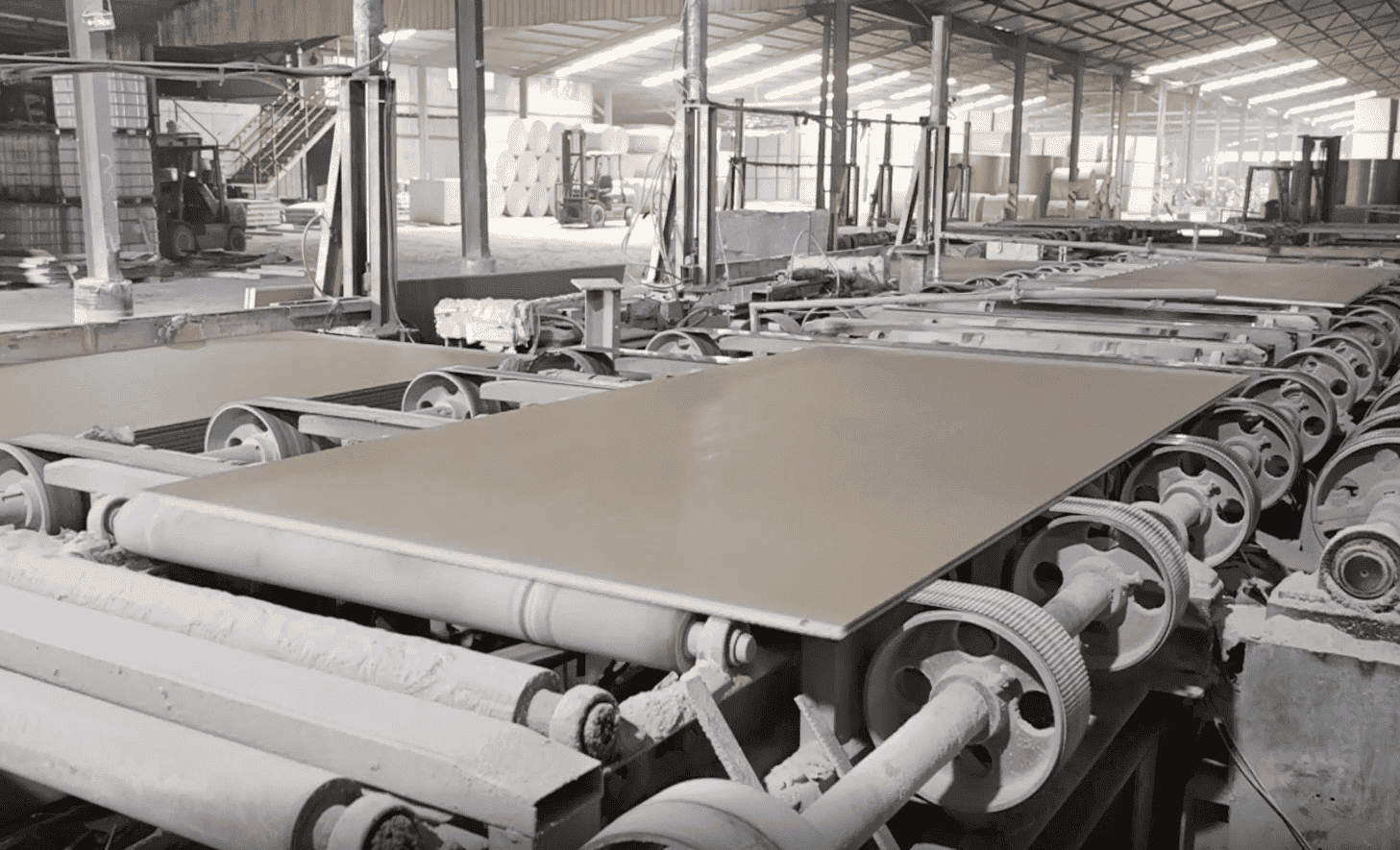
Imperfect Ceiling Correction Guide
| Issue | Recommended Solution | Result |
|---|---|---|
| Cracks or seam lines | Install new gypsum overlay | Smooth uniform surface |
| Stains or old paint | Use sealing primer + texture coat | Hides discoloration |
| Uneven joinery | Level with patch compound layer | Prevents shadow marking |
| Rough edges | Edge trim molding | Clean appearance |
Refinement Tips
| Step | Action |
|---|---|
| Sand rough spots gently | |
| Apply moisture-resistant primer | |
| Add soft texture for better light transition | |
| Use diffused lighting fixtures for smooth shadow blending |
These quick coverings turn technical flaws into aesthetic features.
How to Cover an Uneven Ceiling Without Plastering?
To cover an uneven ceiling without plastering, install a suspended or drop ceiling frame using gypsum board, metal panels, or fabric membranes. The frame levels structural differences while leaving the original surface untouched. It also allows space for wiring and sound insulation.
solution insight: structural leveling through suspension outperforms manual patching for long-term balance.
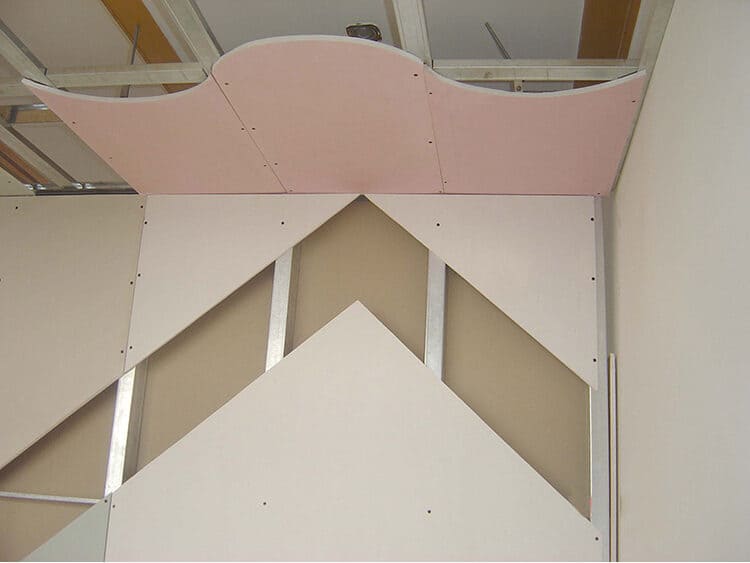
Ceiling Coverage Comparison
| Type | Material | Key Feature | Benefit |
|---|---|---|---|
| Suspended gypsum ceiling | Standard plasterboard | Visual level correction | Popular residential solution |
| Metal grid ceiling | Aluminum or steel | Long-term durability | Commercial use |
| Stretch ceiling fabric | PVC or textile | Fast installation | Hides defects instantly |
| False beam overlay | Lightweight wood framework | Decorative visual layer | Ideal for rustic interiors |
Structural Efficiency Table
| Feature | Traditional Plaster | Suspension System |
|---|---|---|
| Cost | Medium–High | Low–Medium |
| Drying Time | 2–3 days | None |
| Weight Load | Heavy | Light |
| Appearance Control | Limited | Precise |
Suspension systems turn unevenness into creative design opportunities.
Conclusion
Drywall imperfections on ceilings disappear when covered smartly—with gypsum layers, texture coatings, or suspended systems. The cheapest approaches rely on light structures and visual design, not heavy plaster. At TRUSUS, we see the ceiling not as a surface to correct, but a platform to reimagine space beauty through simplicity and precision.