

When customers discover mold on their gypsum board, drywall material, or even on false ceiling tiles, their first reaction is often panic about complete replacement.
Remove mold from gypsum board by cleaning with a diluted bleach solution (1:10 ratio), ensuring complete drying, and addressing moisture sources. However, extensive mold penetration into the gypsum core or plaster board requires replacement rather than surface cleaning.
From years of helping customers deal with moisture problems in ceiling solutions and board gypsum installations, I've learned that successful mold removal depends more on eliminating moisture sources than cleaning techniques alone.
How to Prevent Mold from Growing on Gypsum Board or Drywall Material?
Prevention requires addressing environmental conditions rather than just material selection.
Prevent mold on drywall material, gypsum boards, and plasterboard drywall by controlling humidity below 60%, ensuring proper ventilation, fixing leaks promptly, and using moisture-resistant ceiling design boards and gypsum ceiling tiles in high-humidity areas. Consistent airflow and temperature control are more important than any single prevention measure.

Comprehensive Prevention Strategy for Ceiling Solutions
Through analyzing successful and failed suspended ceiling company installations and gypsum board factory projects, certain approaches consistently prevent mold growth effectively.
| Prevention Method | Effectiveness | Cost | Implementation Time |
|---|---|---|---|
| Humidity Control (<60% RH) | Excellent | High (HVAC systems) | 1-3 days |
| Proper Ventilation | Excellent | Moderate | 1-2 days |
| Moisture-Resistant Gypsum Boards | Very Good | Low-Moderate | During construction |
| Vapor Barriers | Good | Low | During construction |
| Regular Maintenance | Very Good | Low (ongoing) | Continuous |
| Leak Detection/Repair | Excellent | Variable | Immediate when found |
Environmental control proves more effective than material upgrades alone—even standard gypsum board remains mold-free in properly controlled environments.
Is Drywall Material or Gypsum Board Prone to Mold?
Understanding gypsum board and plaster board vulnerability helps with material selection and prevention planning.
Standard gypsum board and plasterboard drywall are moderately prone to mold due to their paper facing and gypsum core providing nutrients for mold growth. However, mold requires moisture, warmth, and poor ventilation—materials like drywall material in controlled environments rarely develop mold problems.
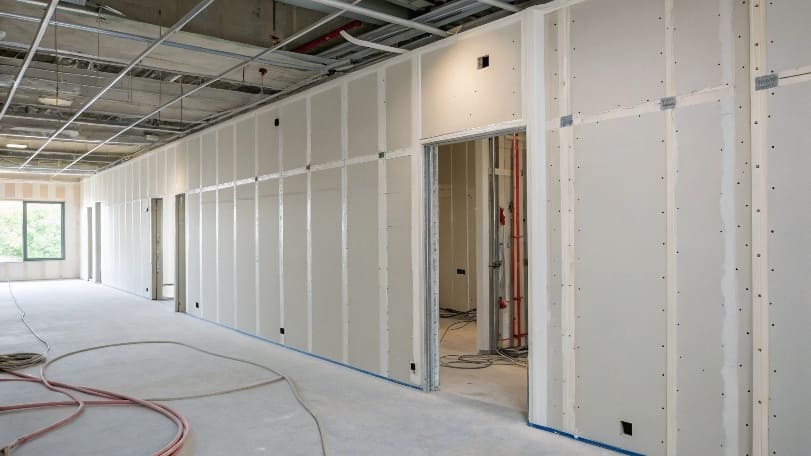
Mold Growth Requirements Analysis in Gypsum Boards
Through laboratory testing and field observations at several gypsum board companies and gypsum board factories, specific conditions consistently lead to mold problems on drywall surfaces and ceiling design boards.
| Environmental Factor | Mold Risk Level | Critical Threshold | Prevention Target |
|---|---|---|---|
| Relative Humidity | High above 70% | 60-65% sustained | Keep below 50-55% |
| Temperature | Higher risk 70-90°F | Varies with humidity | Consistent control |
| Air Circulation | High risk in stagnant air | No air movement | Minimum 6 air changes/hour |
| Moisture Events | Immediate risk | Any water contact | Dry within 24-48 hours |
| Organic Content | Paper facing vulnerable | Standard drywall | Consider mold-resistant gypsum boards |
| pH Levels | Alkaline gypsum resistant | Neutral/acidic conditions | Maintain alkaline environment |
Even brief water exposure can trigger mold growth within 24-72 hours if not addressed quickly—especially for gypsum ceiling tiles or drop ceiling tiles near air conditioning systems.
Do I Need to Replace Gypsum Board If It Has Mold?
Replacement decisions depend on mold extent, penetration depth, and health considerations.
Surface mold on gypsum board or plasterboard drywall can often be cleaned successfully, but mold penetration into the gypsum core requires replacement. Extensive mold coverage (>10 square feet) typically warrants replacement for health and effectiveness reasons.
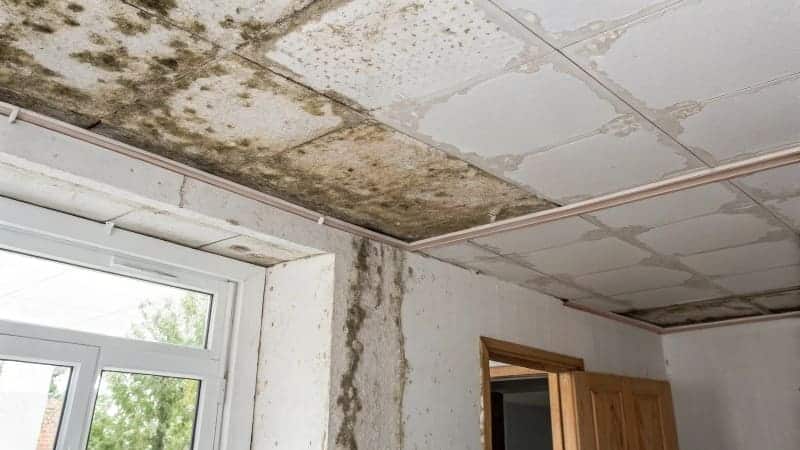
Gypsum Board Replacement Decision Matrix
Based on remediation experience and suspended ceiling company health guidelines, certain conditions consistently require replacement rather than cleaning.
| Mold Condition | Clean vs Replace | Success Rate | Health Risk |
|---|---|---|---|
| Surface Only (<1 sq ft) | Clean acceptable | 85-90% | Low with proper PPE |
| Surface Only (1-10 sq ft) | Clean possible | 70-80% | Moderate, ventilation critical |
| Extensive Surface (>10 sq ft) | Replace recommended | 40-60% cleaning success | High exposure risk |
| Penetrated into Core | Replace required | <20% cleaning success | Very high |
| Behind Walls or Drop Ceiling Grid | Replace required | Impossible to clean thoroughly | Extreme |
| Immunocompromised Occupants | Replace recommended | Safety over economics | Health priority |
Professional assessment becomes critical—what appears as surface mold may indicate deeper penetration into the board gypsum.
Cost-Benefit Analysis for Gypsum Board Replacement
Comparing cleaning vs. replacement costs often shows clear decision points.
| Scenario | Cleaning Cost | Replacement Cost | Recommended Action | Long-term Value |
|---|---|---|---|---|
| Small Surface Mold on Gypsum Board | $50-200 | $200-500 | Clean first | Good if successful |
| Moderate Coverage | $200-500 | $500-1,500 | Professional assessment | Replace if recurring |
| Extensive Mold or Construcción en Seco Wall Panels | $500-1,500 | $1,000-3,000 | Replace immediately | Much better outcome |
| Structural or Drop Ceiling Grid Areas | $1,000+ | $2,000-5,000+ | Replace required | Only safe option |
Hidden costs of inadequate cleaning include recurring problems, health impacts, and eventual replacement—making replacement often more economical long-term, especially for price PVC ceiling panel installations and ceiling design boards.
Proper Gypsum Board Replacement Procedure
From remediation projects and gypsum board company case studies, these steps prevent recurrence:
| Step | Critical Requirements | Timeline | Verification |
|---|---|---|---|
| Moisture Source Elimination | Fix leaks, improve ventilation | Before removal | Humidity monitoring |
| Contaminated Material Removal | 2-foot perimeter beyond visible mold | Day 1 | Visual inspection |
| Area Cleaning/Disinfection | HEPA vacuum, antimicrobial treatment | Day 1-2 | Air quality testing |
| Drying Period | Complete structural drying | 3-7 days | Moisture meter readings |
| Mold-Resistant Installation | Install moisture-resistant gypsum boards, plaster boards, or drop ceiling tiles | Day 8+ | Proper material selection |
| Environmental Controls | Permanent humidity management | Ongoing | Regular monitoring |
Fixing moisture sources before installing new ceiling solutions or gypsum ceiling tiles guarantees better durability and prevents "construcción en seco" systems from recurring mold issues.
Conclusion
Remove surface mold from gypsum board and drywall material using diluted bleach, but extensive or penetrated mold requires replacing the affected gypsum boards or plasterboard drywall.
Prevent mold through humidity control, ventilated ceiling solutions, and prompt leak repair—these actions matter more than material type.
Even standard drywall material can remain mold-free if environmental conditions are controlled.
Replace moldy gypsum board when coverage exceeds 10 sq ft, mold penetrates the core, or health risks exist.
Professional gypsum board companies and suspended ceiling companies recommend correcting moisture issues before replacement to ensure long-term protection for all ceiling design boards, drop ceiling tiles, and PVC ceiling panels used in construction or remodeling projects.