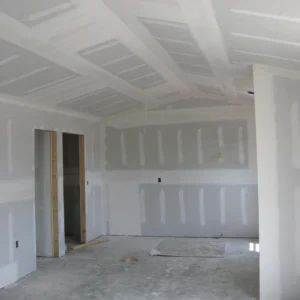


To repair a damaged corner bead, remove loose material, re‑cut edges if bent, and apply joint compound over it after securing the bead. Smooth it evenly and sand when dry.
TRUSUS craftsmanship insight: precision at corners defines entire wall quality.
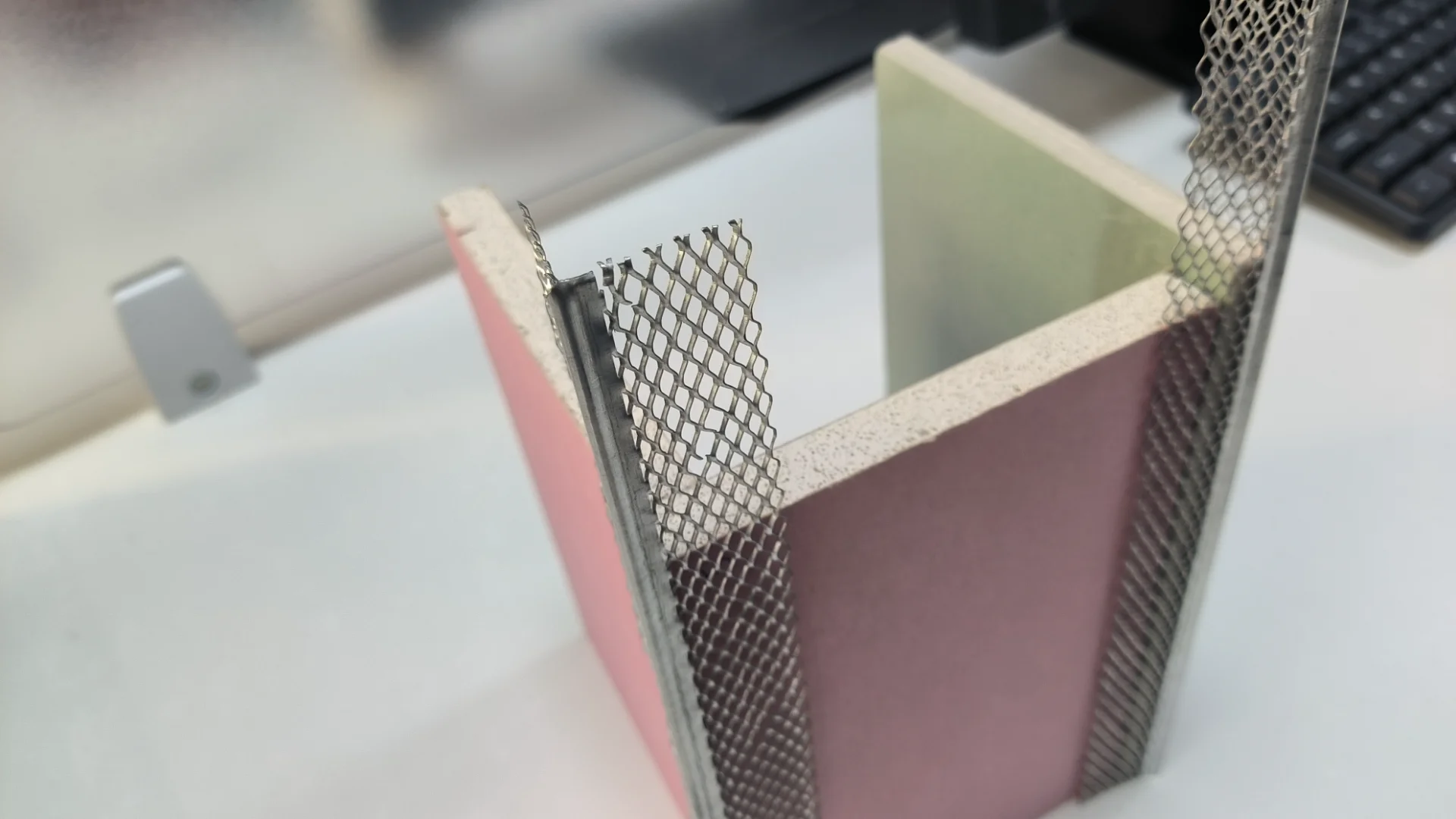
A damaged corner often means underlying stress between board and bead. By cleaning debris and realigning the bead before patching, the repair becomes part of the wall system rather than a surface fix. In my experience, careful alignment saves later repainting and cracking.
How To Replace Metal Drywall Corner Bead?
To replace metal corner bead, cut damaged length, pry gently from drywall, and fit a new bead with screws or staples. Cover joints with compound and feather edges.
TRUSUS installation insight: replacing means restoring system continuity, not only appearance.
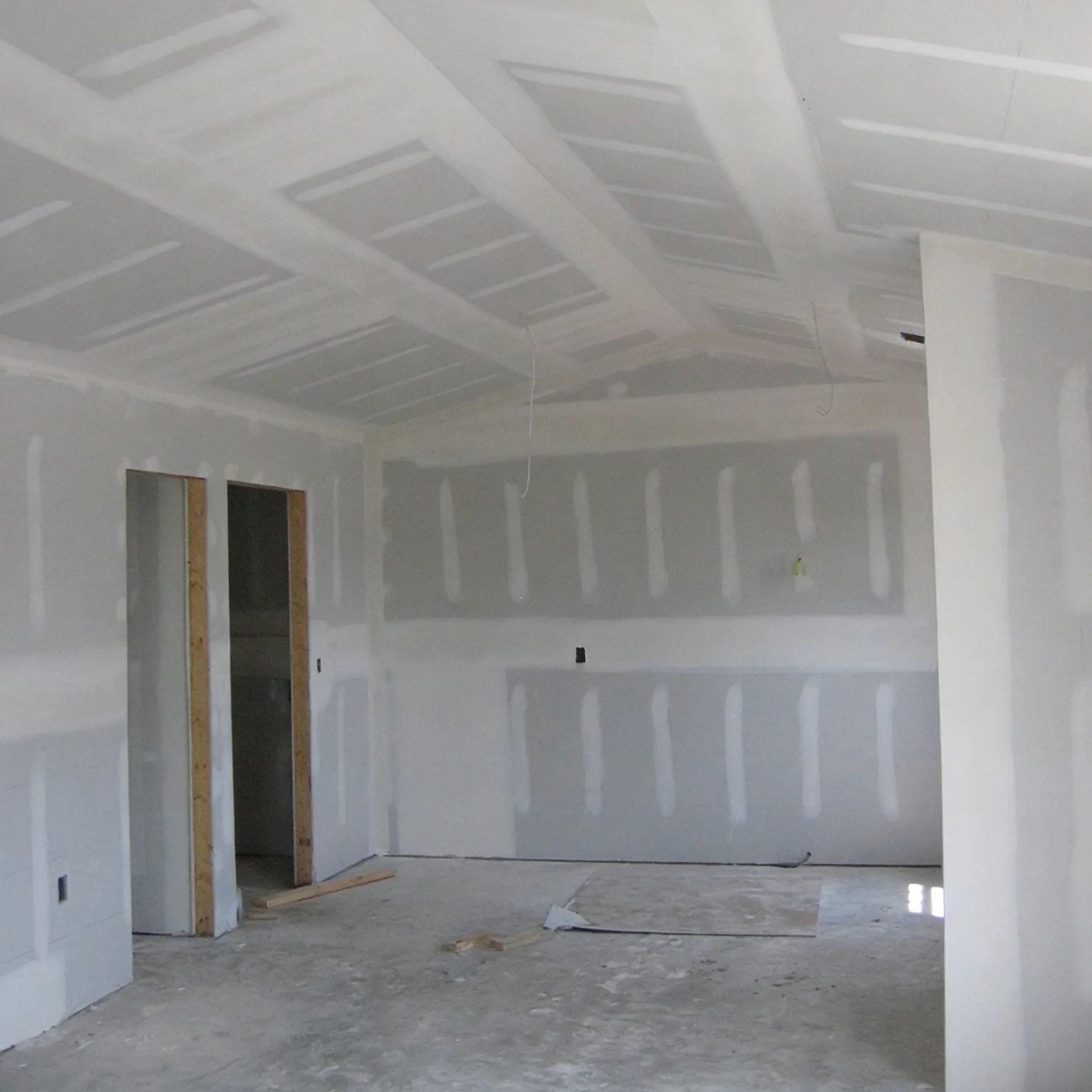
Corner Bead Replacement Table
| Step | Action | Tool | Note |
|---|---|---|---|
| 1 | Remove old bead | Utility knife & hammer | Avoid tearing paper face |
| 2 | Cut new bead | Tin snips | Match original length |
| 3 | Secure to framing | Screw or staple | Keep straight alignment |
| 4 | Apply joint compound | Taping knife | Two to three thin coats |
| 5 | Sand & finish | Fine grit sandpaper | Maintain smooth transition |
During site trials, I saw that steady fastening pressure prevents micro cracks. It reminds us corners translate structure tension into finish harmony.
How To Fix Drywall Corner Without Corner Bead?
To fix a drywall corner without a bead, shape edges with a joint knife using multiple thin coats of compound. Smooth sides equally until crisp and durable.
TRUSUS structural insight: absence of bead demands balance between flexibility and control.
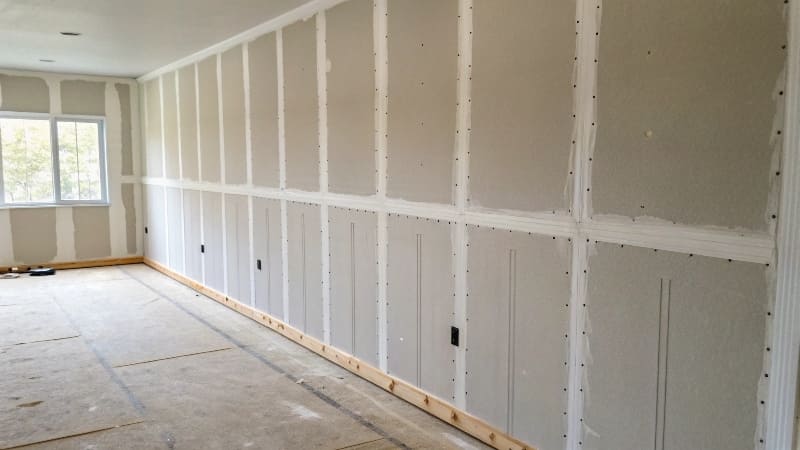
Beadless Corner Technique Table
| Step | Description | Material | Benefit |
|---|---|---|---|
| 1 | Fill edge gap with compound | Lightweight joint compound | Creates base |
| 2 | Add second coat for shaping | Angled knife or corner tool | Defines symmetry |
| 3 | Sand gradually | 150‑grit sandpaper | Smooth contour |
| 4 | Apply primer | Seal layer | Prevent future cracking |
I once fixed a corner without bead—using careful layering, it held well even after a year. The trick lies in gradual buildup, not single‑pass filling.
Why Two Sheets Of Drywall?
Using two sheets strengthens rigidity, improves sound insulation, and reduces cracking by offsetting seams. It distributes stress evenly across framing.
TRUSUS design insight: dual layers speak system logic of modern wall structures.
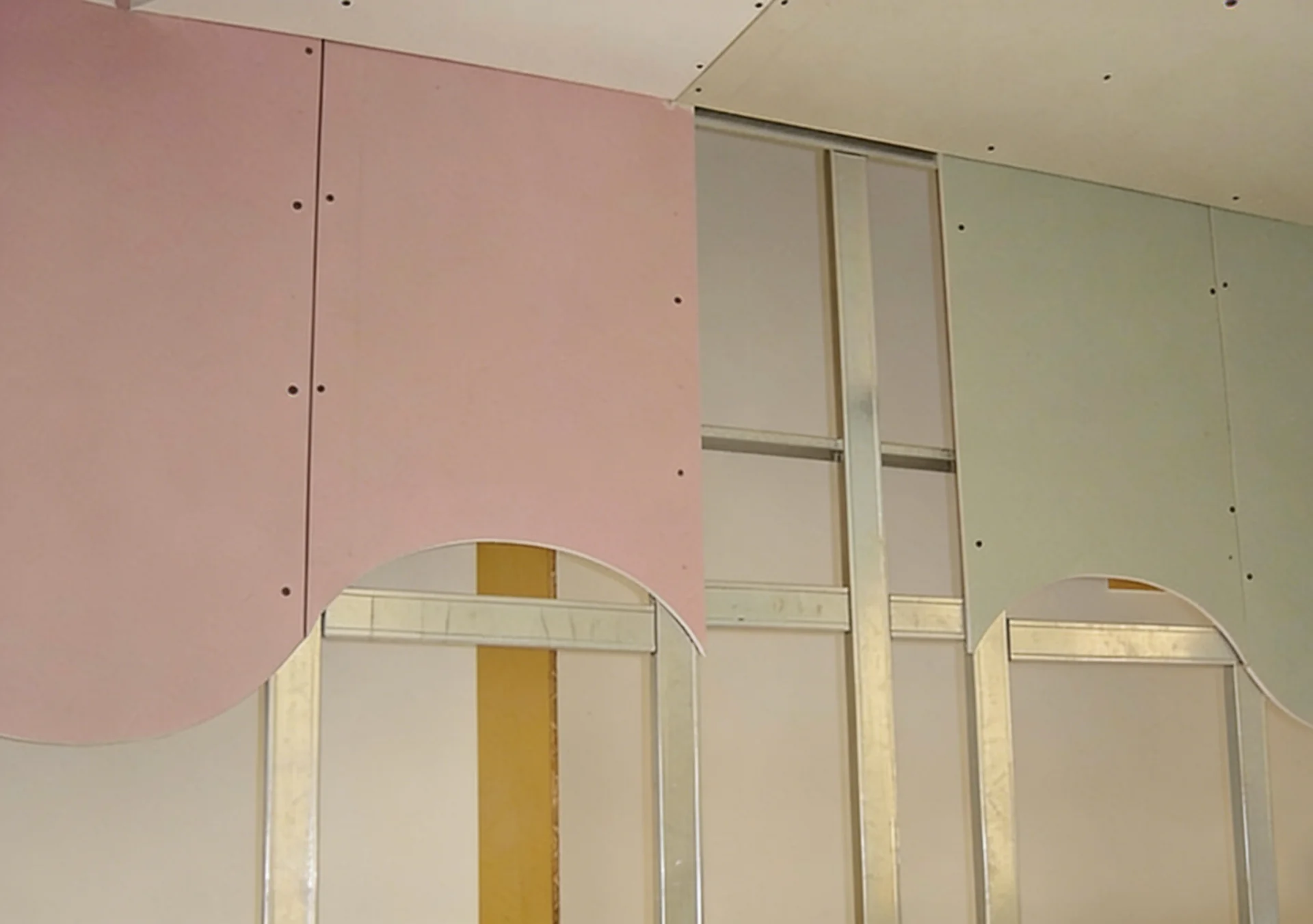
Double Drywall System Outline
| Layer Function | Description | Structural Value |
|---|---|---|
| Inner layer | Core stability & base fix | Holds framing, absorbs impact |
| Outer layer | Finishing & tension relief | Smooth surface, easier repair |
| Combined effect | Misaligned seams & double density | Reduces crack propagation |
On projects using dual boards, wall resonance dropped notably. It proved again that strength grows from layered logic, not isolated thickness.
Conclusion
At TRUSUS, I see every wall corner as the meeting point of craft and structure. Repairing beads, shaping corners, or doubling layers—all connect materials into a precise and resilient gypsum system built to last beautifully.