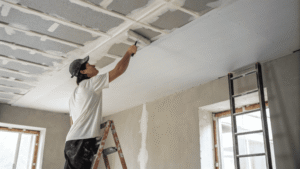


Ceiling grids are mainly made of aluminum or galvanized steel, depending on the project’s requirements. Both materials provide strong support but serve different purposes in design and performance.
TRUSUS insight: choose material based on environment, not personal preference.
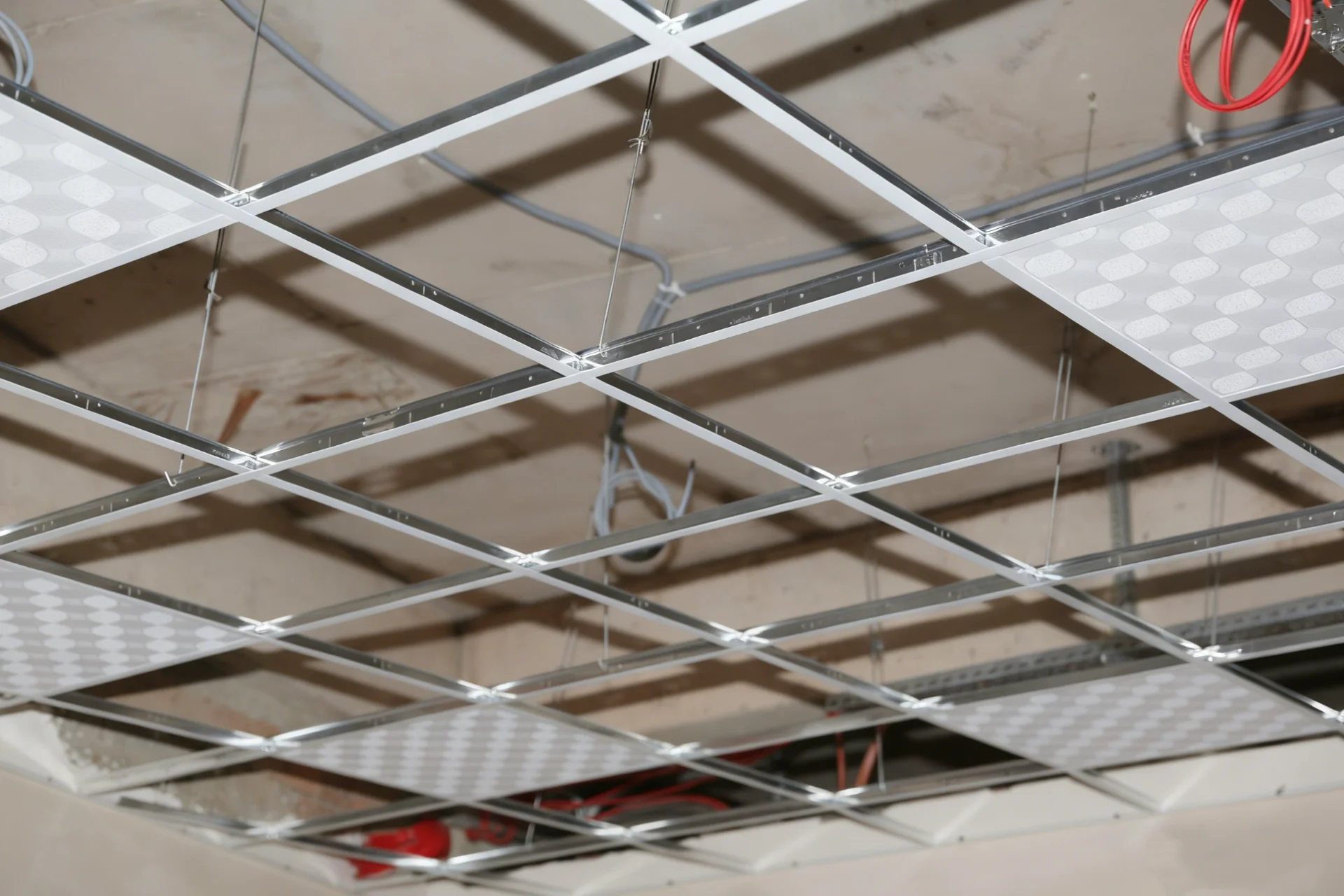
Aluminum grids resist corrosion and are lighter, ideal for humid rooms or decorative ceilings. Steel grids are heavier, stronger, and suitable for large public or commercial spaces where stability matters more than weight.
What Material Is a Ceiling Grid Made Of?
Most ceiling grids combine metal framing (aluminum or steel) with surface coatings like baked paint or powder finish for protection and appearance. Some include plastic clips or connectors for assembly.
production insight: structure and surface treatment make durability visible.

Ceiling Grid Composition Table
| Component | Material | Function |
|---|---|---|
| Main T-bar | Galvanized steel or aluminum | Carries ceiling panel weight |
| Cross T-bar | Lightweight steel or aluminum | Connects grid modules |
| Coating Layer | Baked or powder finish | Prevents rust and improves look |
| Connectors | Plastic or metal clips | Stabilizes interlocking system |
| Ceiling Panels | Gypsum, PVC, mineral fiber, etc. | Completes aesthetic finish |
Each material contributes to the system’s hidden strength and visual balance, allowing the ceiling to blend safety with beauty.
What Is the Difference Between a False Ceiling and a Grid Ceiling?
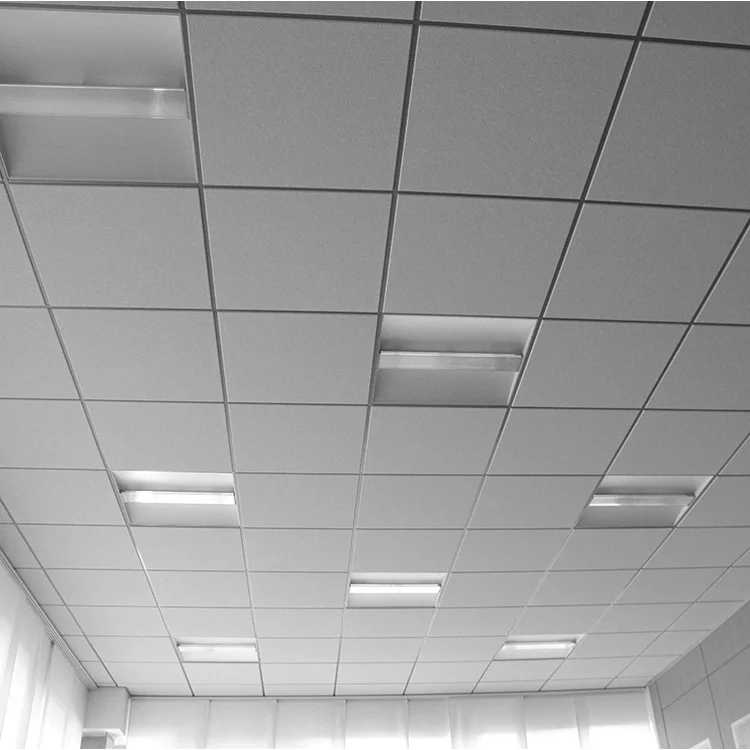
A false ceiling is a continuous suspended surface, usually made of gypsum or panels, while a grid ceiling is a modular framework that holds individual tiles within a metal grid structure.
system insight: design intent defines ceiling type, not material.
Ceiling System Comparison
| Aspect | False Ceiling | Grid Ceiling |
|---|---|---|
| Structure | Continuous layer under roof | Modular metal frame with panels |
| Aesthetic | Smooth seamless finish | Patterned visible grid |
| Access for Maintenance | Harder (requires cutting) | Easy tile removal |
| Common Use | Residential and small offices | Commercial and industrial spaces |
| Key Material | Gypsum board, POP | Aluminum or steel T-bars with tiles |
Grid ceilings also integrate lighting, ventilation, and acoustic systems easily, turning them into functional, adaptive components of modern space design.
What Is the Most Common Ceiling Grid?
The most common ceiling grid is the lay-in T-grid system, with standard sizes like 600×600 mm or 2'x2'. It is used worldwide in offices, schools, and commercial interiors for its modularity and easy access.
installation insight: common means proven efficiency and safest practice.

Common Grid Specification Table
| Feature | Typical Specification | Benefit |
|---|---|---|
| Grid Type | Lay-in T-grid system | Quick installation and replacement |
| Grid Size | 24mm or 15mm width | Flexible design options |
| Panel Fit | 600×600 mm / 2'x2' tiles | Globally standardized |
| Finish | Baked paint or powder coat | Corrosion protection |
| Compatibility | Fits gypsum, PVC, mineral fiber panels | Covers multiple design needs |
This type of system simplifies maintenance and supports integrated services such as lighting, fire sprinklers, and return air diffusers within a unified framework.
Conclusion
Ceiling grids are more than metal frames—they are organized systems connecting design, safety, and function. Whether aluminum or steel, every beam supports invisible reliability and visible order. At TRUSUS, I believe a ceiling’s beauty starts with its hidden bones—the grid that quietly holds the space together.