

Many assume fireproof drywall automatically provides mold resistance, but fire-rated and mold-resistant features require different manufacturing approaches. Fireproof drywall mold resistance involves material composition, moisture management, and surface treatments that determine environmental performance while fire resistance focuses primarily on high-temperature protection rather than moisture control.
Fireproof drywall is not automatically mold resistant as fire-rated gypsum board uses glass fibers and special additives for fire protection while mold resistance requires antimicrobial treatments and moisture-resistant formulations, though some products combine both features requiring specific product verification for dual performance capabilities.
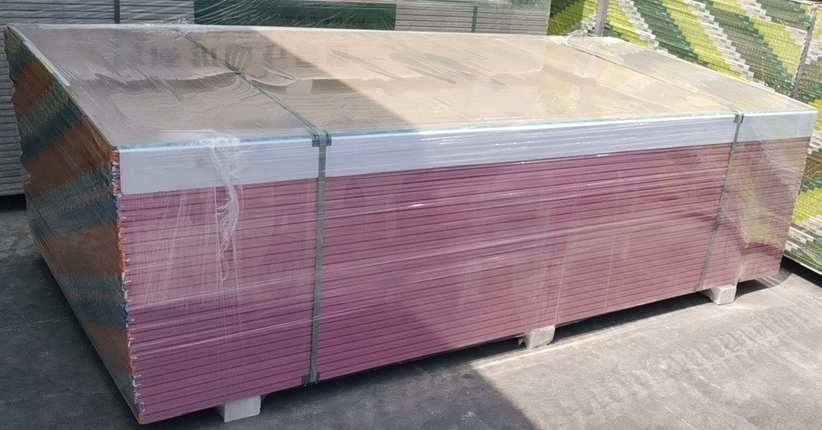
Through years of gypsum board manufacturing and product development, I learned that fire resistance and mold resistance address different building challenges requiring distinct material formulations, though advanced products can incorporate both features when properly engineered for comprehensive space protection and safety performance.
When to Use Fire-Resistant Drywall?
Understanding fire-resistant drywall applications helps ensure building safety and code compliance. Fire-resistant drywall usage involves building codes, occupancy types, and fire rating requirements that determine appropriate applications while addressing life safety, property protection, and regulatory compliance in construction projects.
Use fire-resistant drywall in fire-rated assemblies including fire walls, corridor walls, stairwell enclosures, mechanical rooms, attached garages, and multi-family separations where building codes require specific fire ratings ranging from 30 minutes to 4 hours for life safety and property protection compliance.
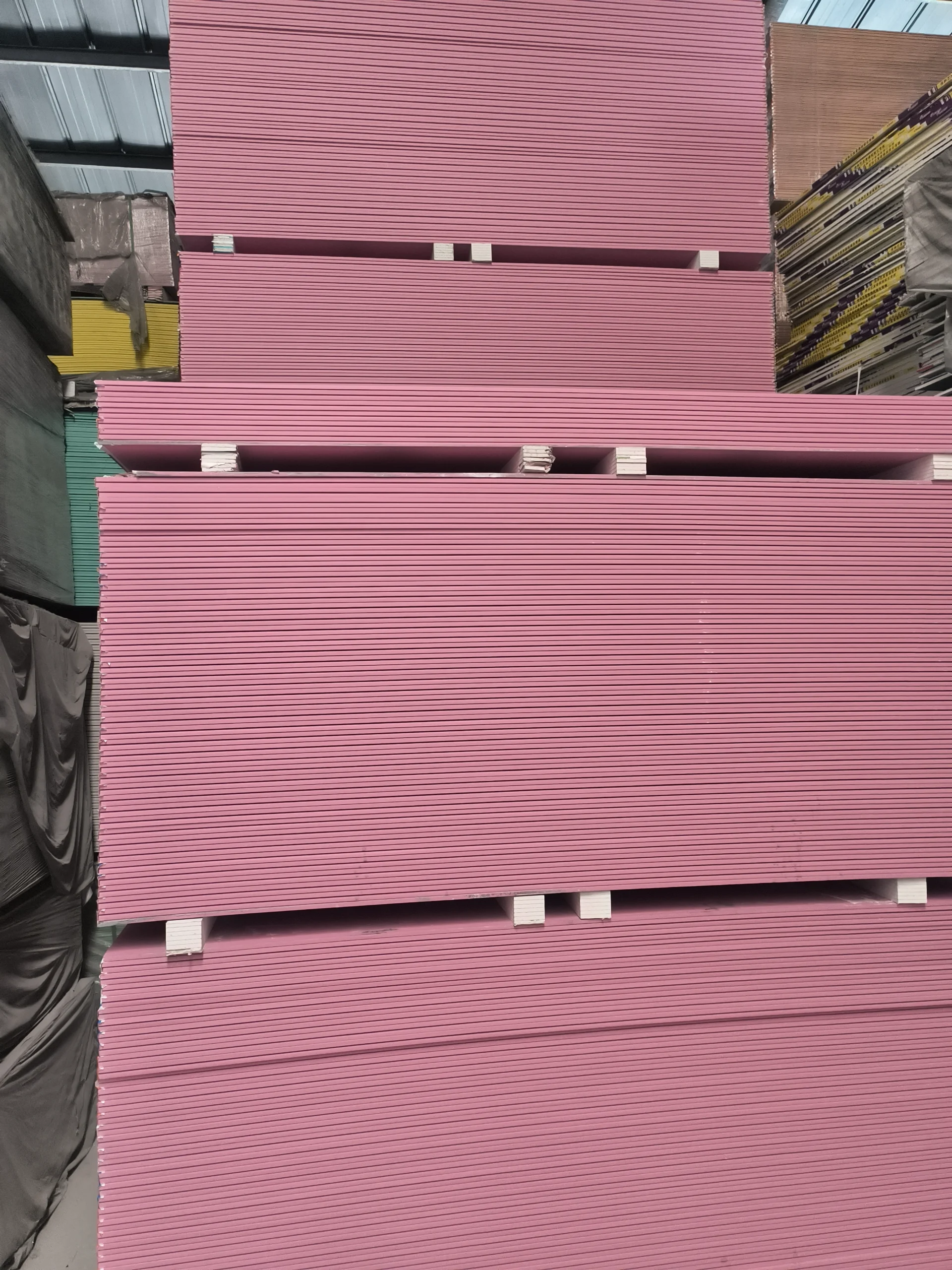
Comprehensive Fire-Resistant Drywall Application Analysis and Code Requirements
Fire-resistant drywall applications are mandated by building codes to provide life safety protection and property preservation through tested fire-rated assemblies. During my experience working with fire-rated construction and code compliance, I learned that proper application requires understanding building types, occupancy classifications, and specific fire rating requirements for different building elements.
Building code requirements establish fire-rated assembly locations based on occupancy type, building height, and construction type while ensuring adequate egress time and structural protection during fire events.
Fire separation walls require fire-resistant drywall between different occupancies, tenant spaces, or building areas while providing compartmentalization that limits fire spread and protects evacuation routes.
Corridor protection uses fire-rated assemblies to maintain egress paths during emergencies while providing time for occupant evacuation and emergency response access to building areas.
Stairwell enclosures mandate fire-resistant construction to protect vertical egress routes while ensuring fire and smoke don't compromise evacuation paths during emergency situations.
Mechanical room separations require fire-rated walls around equipment areas containing furnaces, electrical panels, and other fire hazards while protecting building systems and limiting fire spread potential.
Garage separations between attached garages and living spaces use fire-resistant drywall to prevent vehicle fires from entering residential areas while meeting code requirements for life safety protection.
Multi-family separations include fire-rated walls between dwelling units providing privacy and fire protection while meeting noise control and safety requirements for residential construction.
Commercial applications extend to hospitals, schools, and office buildings where fire-rated assemblies protect critical functions while ensuring occupant safety during fire emergencies.
Fire rating specifications range from 30-minute ratings for basic separations to 4-hour ratings for critical structural protection while matching assembly requirements to specific hazard levels.
Professional design requires architect and engineer coordination to ensure proper fire-rated assembly design while meeting all applicable building codes and life safety requirements.
| Application Area | Fire Rating Required | Drywall Type | Installation Requirements |
|---|---|---|---|
| Residential Separations | 30-60 minutes | Type X drywall | Code-compliant assembly |
| Attached garage walls | 30-60 minutes | 5/8" Type X | Proper sealing |
| Multi-family units | 60 minutes | Type X both sides | Sound control |
| Commercial Applications | 60-120 minutes | Type X or Type C | Professional installation |
| Corridor walls | 60 minutes | 5/8" Type X | Fire-rated doors |
| Stairwell enclosures | 120 minutes | Type X assembly | Continuous protection |
| Mechanical Areas | 60-120 minutes | Type X required | Equipment clearances |
| Furnace rooms | 60 minutes | 5/8" Type X | Proper ventilation |
| Electrical rooms | 120 minutes | Type X assembly | Access requirements |
| Structural Protection | 120-240 minutes | Type X or Type C | Engineering design |
| Fire walls | 180-240 minutes | Multi-layer Type X | Professional installation |
| Shaft walls | 120 minutes | Shaft wall system | Specialized assembly |
How Long Does Fire-Resistant Drywall Last?
Understanding fire-resistant drywall durability helps plan maintenance and replacement schedules. Fire-resistant drywall longevity involves material degradation, environmental factors, and performance maintenance that affect service life while maintaining fire protection capabilities throughout building operational periods.
Fire-resistant drywall lasts 30-50 years under normal conditions with proper installation and maintenance, though fire protection performance remains consistent throughout service life while physical appearance may require periodic refinishing, and actual longevity depends on environmental conditions, building use, and maintenance practices.
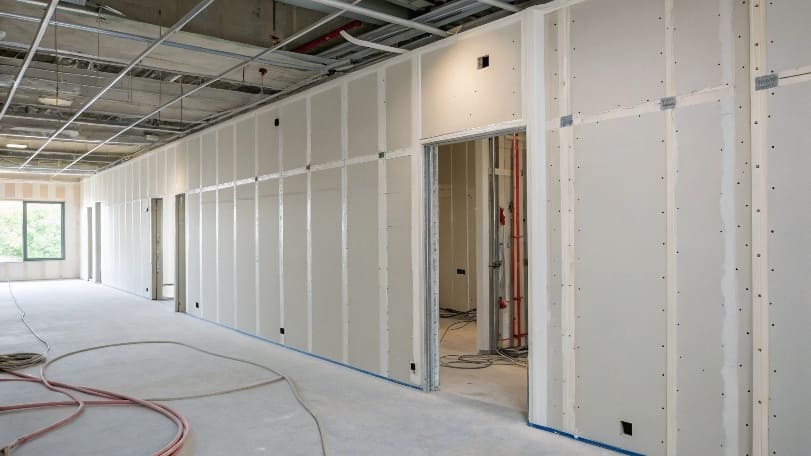
Detailed Durability Analysis and Service Life Factors
Fire-resistant drywall durability encompasses both physical longevity and fire protection performance throughout extended service periods. During my experience working with long-term building performance and material durability, I learned that fire-rated drywall maintains protection capabilities well beyond cosmetic service life while requiring understanding of factors affecting both appearance and performance.
Service life expectancy shows fire-resistant drywall lasting 30-50 years in typical building environments while maintaining structural integrity and fire protection performance throughout this period.
Fire protection integrity remains consistent throughout service life as gypsum chemistry doesn't degrade under normal conditions while glass fiber reinforcement provides long-term structural stability.
Environmental factors affecting longevity include humidity levels, temperature variations, and mechanical stress that influence physical appearance while not compromising fire protection capabilities.
Maintenance requirements focus on surface refinishing and cosmetic updates rather than fire protection renewal while proper building maintenance extends overall service life significantly.
Installation quality affects durability through proper fastening, joint treatment, and assembly completion that ensure long-term performance while preventing premature failure or degradation.
Building movement accommodation through proper joint design and flexible connections prevents cracking while maintaining fire-rated assembly integrity throughout building settlement periods.
Performance monitoring includes periodic inspection for damage, proper repair of cosmetic issues, and verification of fire-rated assembly integrity during building maintenance cycles.
Replacement indicators include significant physical damage, water damage requiring replacement, or building renovation needs while fire protection capability typically outlasts cosmetic appearance.
Code compliance maintenance ensures fire-rated assemblies remain compliant throughout service life while building modifications must maintain required fire ratings for continued code compliance.
Cost considerations show fire-resistant drywall providing excellent long-term value through extended service life while avoiding premature replacement costs common with inferior materials.
| Durability Factor | Performance Period | Maintenance Requirements | Replacement Indicators |
|---|---|---|---|
| Fire Protection | 30-50+ years | Minimal requirements | Major damage only |
| Gypsum stability | Permanent performance | No degradation | Water damage |
| Glass fiber integrity | Long-term reinforcement | Structural monitoring | Impact damage |
| Physical Appearance | 20-30 years | Periodic refinishing | Cosmetic updates |
| Surface condition | Regular maintenance | Paint/texture renewal | Aesthetic requirements |
| Joint integrity | Long-term stability | Minor repairs | Crack development |
| Environmental Resistance | Variable performance | Climate dependent | Condition assessment |
| Humidity tolerance | Good resistance | Moisture control | Water infiltration |
| Temperature stability | Excellent performance | HVAC maintenance | Extreme conditions |
| Structural Performance | 30-50 years | Building maintenance | Settlement damage |
| Fastener holding | Long-term reliability | Inspection programs | Structural movement |
| Assembly integrity | Maintained performance | Professional assessment | Major renovations |
Can Mold-Resistant Drywall Get Wet?
Understanding mold-resistant drywall moisture tolerance helps determine appropriate applications and limitations. Mold-resistant drywall water exposure involves material composition, moisture limits, and performance boundaries that affect installation decisions while requiring proper moisture management for optimal performance.
Mold-resistant drywall can handle moderate moisture exposure better than standard drywall through antimicrobial treatments and moisture-resistant formulations, but it's not waterproof and shouldn't be used in direct water contact areas, requiring proper vapor barriers and moisture control systems in wet environments for optimal performance.

Comprehensive Moisture Management Analysis and Performance Limits
Mold-resistant drywall provides enhanced moisture tolerance through specialized formulations and treatments while requiring understanding of performance limits and proper installation practices. During my experience working with moisture management and mold prevention, I learned that mold-resistant drywall offers significant advantages over standard products while requiring appropriate application and supplementary moisture control measures.
Moisture resistance mechanisms include antimicrobial treatments in paper facing and gypsum core additives that inhibit mold growth while providing enhanced moisture tolerance compared to standard drywall products.
Performance limits show mold-resistant drywall handling humidity and occasional moisture exposure better than standard products while not providing waterproof performance requiring supplementary protection in wet areas.
Application guidelines recommend mold-resistant drywall in humid environments including bathrooms, kitchens, and basements while requiring proper vapor barriers and moisture control systems for optimal performance.
Water exposure tolerance allows brief wetting without immediate damage while prolonged saturation can affect performance requiring prompt drying and assessment for continued suitability.
Installation requirements include proper vapor barriers, adequate ventilation, and appropriate joint sealing that optimize moisture management while preventing water accumulation behind panels.
Humidity management shows improved performance in high-humidity environments while maintaining structural integrity and mold resistance better than standard drywall under challenging conditions.
Limitations include inability to withstand direct water contact, shower splash areas, or continuous moisture exposure requiring waterproof alternatives in extreme wet conditions.
Maintenance considerations focus on moisture source control, adequate ventilation, and prompt attention to water intrusion while preventing conditions that exceed material performance limits.
Repair procedures address water damage through assessment, drying, and replacement when necessary while understanding that mold-resistant properties don't eliminate need for proper moisture management.
System integration with vapor barriers, ventilation systems, and waterproofing provides comprehensive moisture management while optimizing mold-resistant drywall performance in challenging environments.
| Moisture Condition | Performance Level | Recommended Use | Protection Requirements |
|---|---|---|---|
| High Humidity | Excellent performance | Bathroom walls | Proper ventilation |
| Daily moisture | Mold resistance | Kitchen areas | Exhaust fans |
| Steam exposure | Enhanced tolerance | Laundry rooms | Humidity control |
| Occasional Wetting | Good performance | Behind sinks | Quick drying |
| Splash areas | Moderate exposure | Utility areas | Prompt cleanup |
| Condensation | Improved resistance | Basements | Moisture control |
| Direct Water Contact | Not recommended | Shower surrounds | Waterproof alternatives |
| Continuous moisture | Performance limits | Wet rooms | Specialized systems |
| Standing water | Material failure | Pool areas | Cement board |
| Extreme Conditions | Professional assessment | Marine environments | Enhanced protection |
| Flood conditions | Replacement likely | Below grade | Comprehensive systems |
| Leak situations | Immediate attention | Problem areas | Source correction |
Conclusion
Fireproof drywall is not automatically mold resistant as these features require different formulations though some products combine both properties, fire-resistant drywall is required in fire-rated assemblies including fire walls, corridors, and mechanical rooms for code compliance, fire-resistant drywall lasts 30-50 years maintaining fire protection throughout service life, and mold-resistant drywall handles moderate moisture better than standard products but requires proper moisture management and isn't suitable for direct water contact areas.