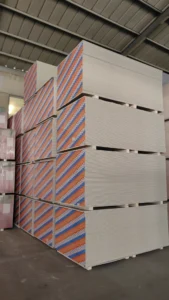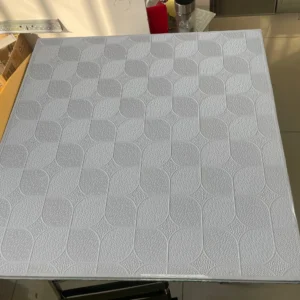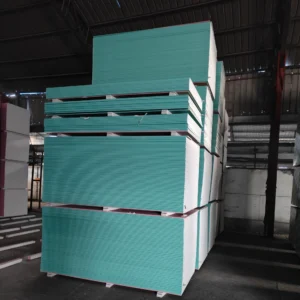


Metal corner beads are usually better for durability, impact resistance, and high-traffic areas, while plastic corner beads are easier to install, resist corrosion, and work well in standard residential projects.
The best choice depends on the environment, performance needs, and project budget.
TRUSUS application insight: more builders now select corner beads based on project performance requirements instead of only price or habit.
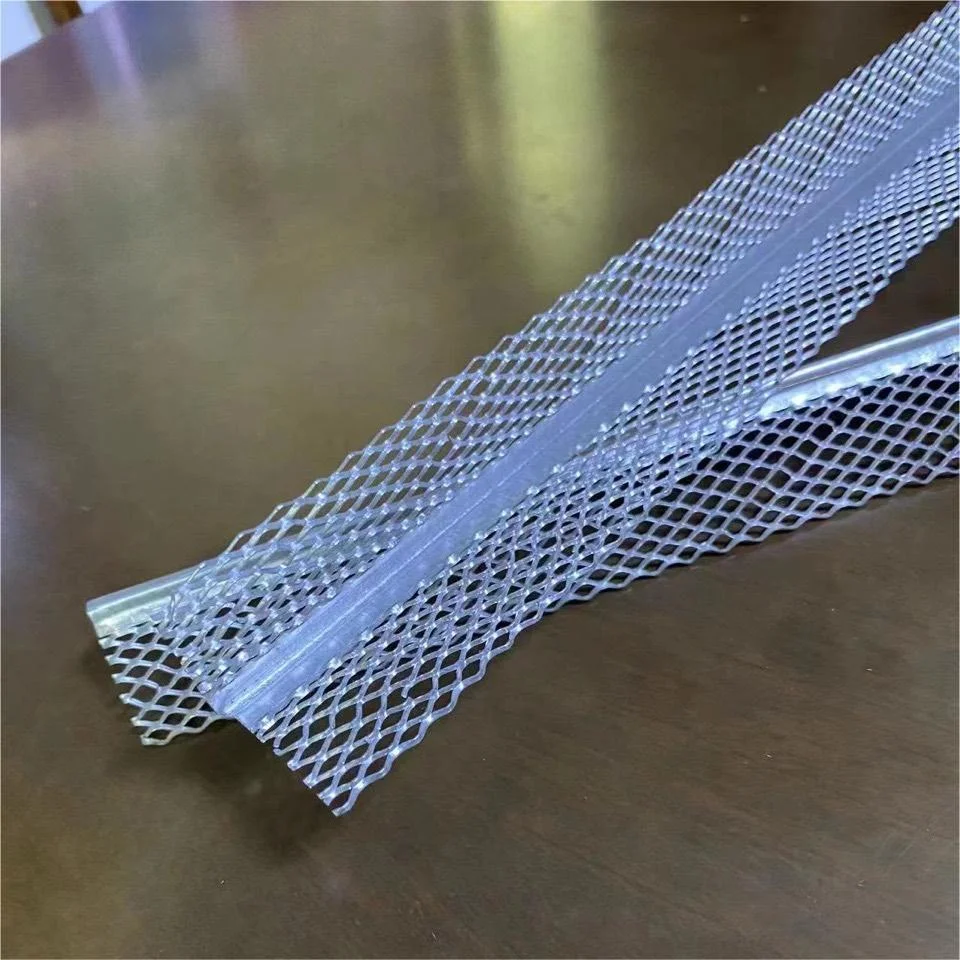
I increasingly see contractors treat corner beads as part of the wall system instead of as a small accessory.
Small components often affect long-term finish quality.
Main Advantages Of Metal Corner Beads
| Advantage | Benefit |
|---|---|
| High impact resistance | Better edge protection |
| Strong dimensional stability | Straighter finished corners |
| Fire resistance | Improved safety performance |
Metal performs well in demanding spaces.
Main Advantages Of Plastic Corner Beads
| Advantage | Benefit |
|---|---|
| Corrosion resistance | Good for humid spaces |
| Flexible installation | Easier handling |
| Lightweight material | Faster installation |
Plastic works well in many residential interiors.
Recommended Applications
| Project Area | Recommended Material |
|---|---|
| Hospitals | Metal |
| Schools | Metal or composite |
| Residential interiors | Plastic |
| Bathrooms and humid areas | Plastic or vinyl |
Application conditions matter more than brand preference.
Common Material Limitations
| Material | Limitation |
|---|---|
| Metal | Can dent or rust if poorly protected |
| Plastic | Lower impact resistance |
Every material involves trade-offs.
Why Project Type Changes Material Selection
| Traditional Construction Thinking | Modern Application Thinking |
|---|---|
| One material for all projects | Material matched to usage |
| Lowest-cost purchasing | Lifecycle-value purchasing |
| Standard installation methods | Performance-based solutions |
Project requirements increasingly drive product selection.
Why Material Questions Are Increasing
| Traditional Building Material Market | Modern Performance-Based Market |
|---|---|
| Generic product supply | Specialized application guidance |
| Price competition | System-performance competition |
| Standardized products | Customized recommendations |
I increasingly believe material consulting will become as important as product manufacturing.
What Kind Of Corner Bead Is Best?
The best corner bead depends on the project environment, traffic level, moisture exposure, and finish requirements.
Metal beads are best for strength, paper-faced beads for smooth finishing, and flexible beads for curved or irregular corners.
TRUSUS project insight: there is no universal “best” corner bead. The best product is the one that matches the application correctly.
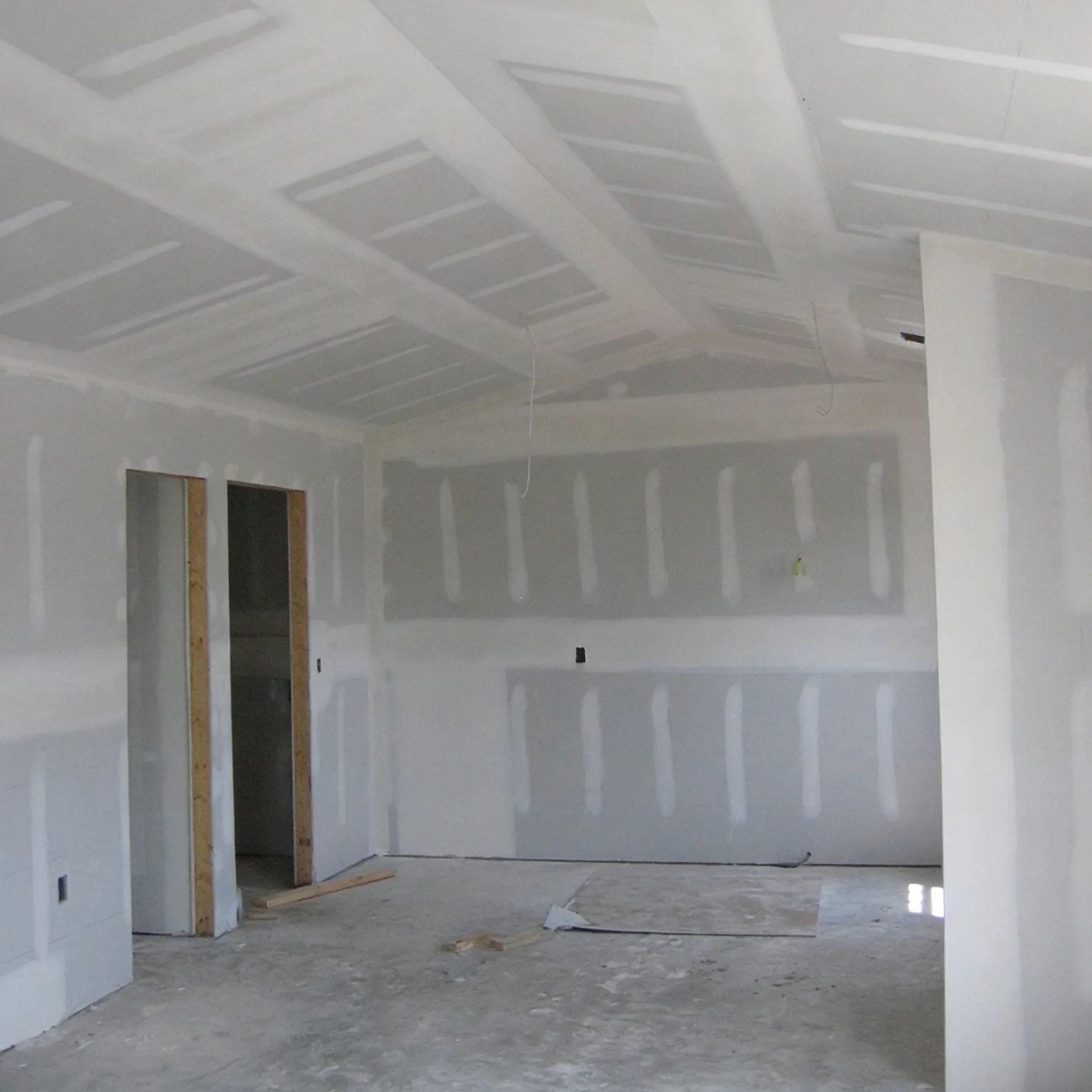
I increasingly see premium projects use different corner bead types within the same building to optimize both durability and appearance.
Modern finishing work is becoming more specialized.
Best Corner Bead By Application
| Application | Recommended Bead |
|---|---|
| High-impact corridors | Metal |
| Premium smooth finishes | Paper-faced |
| Curved walls | Flexible |
| Moisture-prone spaces | Vinyl or plastic |
Matching material to use conditions improves performance.
Key Selection Factors
| Factor | Why It Matters |
|---|---|
| Impact resistance | Edge durability |
| Moisture exposure | Corrosion prevention |
| Finish quality | Appearance control |
Performance needs should guide selection.
Why Paper-Faced Beads Are Popular
| Paper-Faced Benefit | Result |
|---|---|
| Better mud bonding | Smoother finish |
| Reduced cracking risk | Improved appearance |
| Easier feathering | Cleaner corners |
Finish quality often improves.
Why Flexible Beads Are Growing
| Flexible Bead Benefit | Application |
|---|---|
| Curve adaptability | Arches and rounded walls |
| Shock absorption | Children's spaces |
| Easier shaping | Custom designs |
Modern interiors increasingly use curved details.
Why “Best Product” Thinking Is Changing
| Traditional Product Selection | Modern Solution Selection |
|---|---|
| One standard product | Application-specific systems |
| Material-focused decisions | Performance-focused decisions |
| Basic functionality | Full lifecycle performance |
Building components now require more precise matching.
The Industry Shift Behind Product-Selection Questions
| Traditional Construction Supply | Modern Design-Oriented Construction |
|---|---|
| Mass-standardized accessories | Customized finishing systems |
| Cost-driven selection | User-experience-driven selection |
| Generic installation support | Professional application support |
I increasingly see project value move toward specialized finishing solutions.
Is Paper Or Metal Corner Bead Better?
Paper-faced corner bead is better for smooth appearance and crack resistance, while metal corner bead is better for impact protection and durability.
The right choice depends on whether appearance or physical protection is the higher priority.
TRUSUS finishing insight: modern drywall projects increasingly balance aesthetics and durability instead of choosing only one priority.
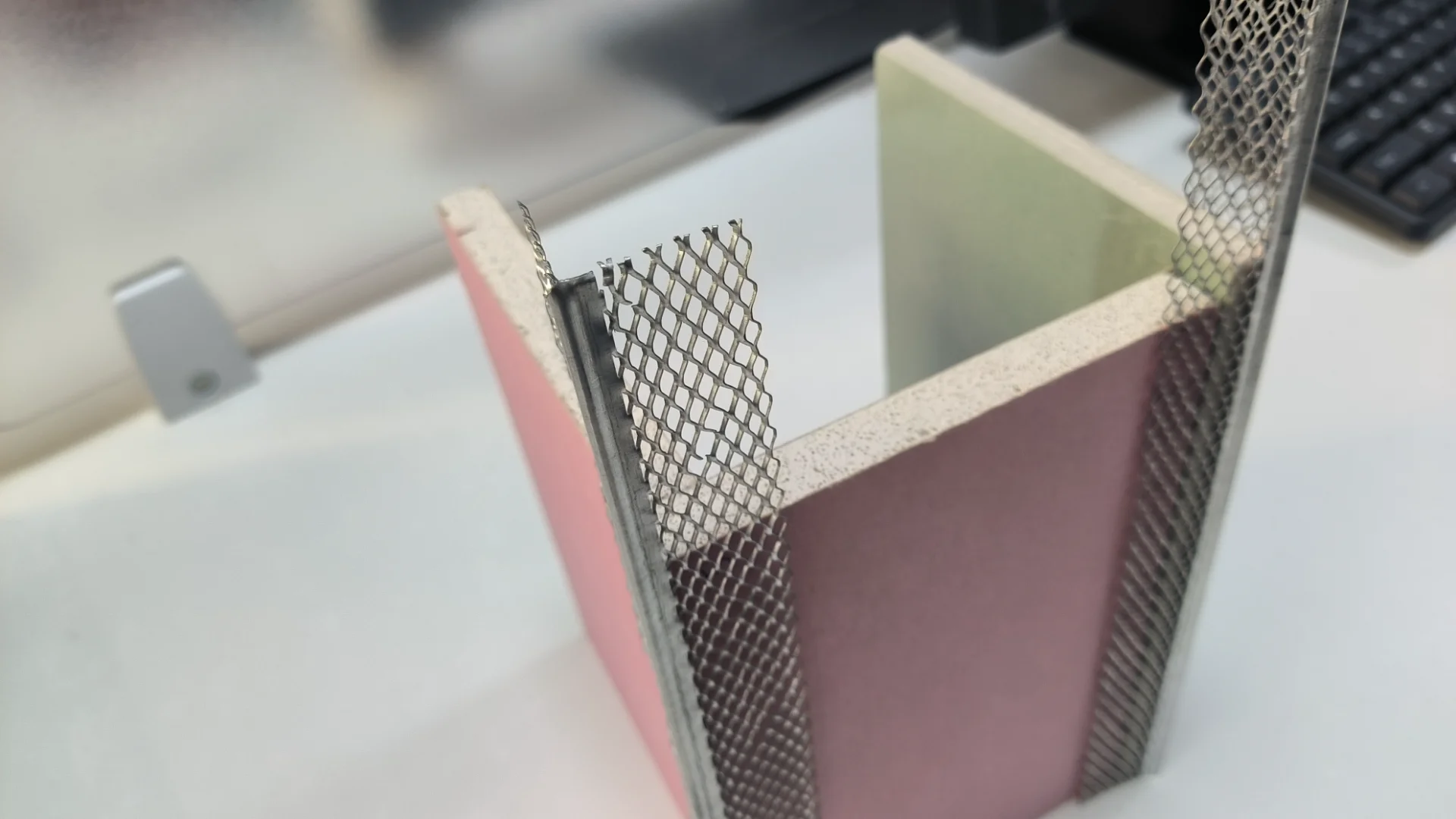
I increasingly see designers prefer paper-faced beads in luxury interiors because they create cleaner visual transitions.
Appearance quality now matters more than ever.
Advantages Of Paper-Faced Corner Beads
| Advantage | Benefit |
|---|---|
| Smooth finishing | Better visual appearance |
| Strong joint bonding | Reduced cracking |
| Lightweight installation | Easier handling |
Paper-faced products improve finish consistency.
Advantages Of Metal Corner Beads
| Advantage | Benefit |
|---|---|
| High durability | Better edge protection |
| Strong rigidity | Straighter corners |
| Long service life | Lower repair frequency |
Metal performs better under heavy use.
Recommended Use Scenarios
| Scenario | Better Choice |
|---|---|
| Luxury residential interiors | Paper-faced |
| Commercial corridors | Metal |
| Schools and public buildings | Metal |
| Decorative spaces | Paper-faced |
Different spaces create different priorities.
Common Installation Considerations
| Material Type | Installation Note |
|---|---|
| Paper-faced | Requires careful mud application |
| Metal | Requires accurate alignment |
Installation quality strongly affects results.
Why Finish Expectations Are Rising
| Earlier Drywall Standards | Modern Finishing Standards |
|---|---|
| Functional wall completion | High-appearance expectations |
| Basic durability focus | Combined aesthetics and performance |
| Standard finishing quality | Premium visual detailing |
Interior finishing standards continue improving.
The Industry Evolution Behind Material Comparisons
| Traditional Drywall Industry | Modern Architectural Finishing Industry |
|---|---|
| Utility-focused installations | Design-focused installations |
| Generic corner protection | Specialized finishing systems |
| Basic construction methods | Precision finishing techniques |
I increasingly believe finish-detail expertise will become a major differentiator in drywall systems.
Is Flexible Corner Bead Good?
Yes, flexible corner bead is very useful for curved walls, irregular angles, and areas requiring impact absorption or shape adaptability.
It performs especially well in custom interiors, arches, rounded corners, and non-standard drywall layouts.
TRUSUS design insight: flexible corner beads are becoming more popular because modern architecture increasingly uses curved and customized wall designs.
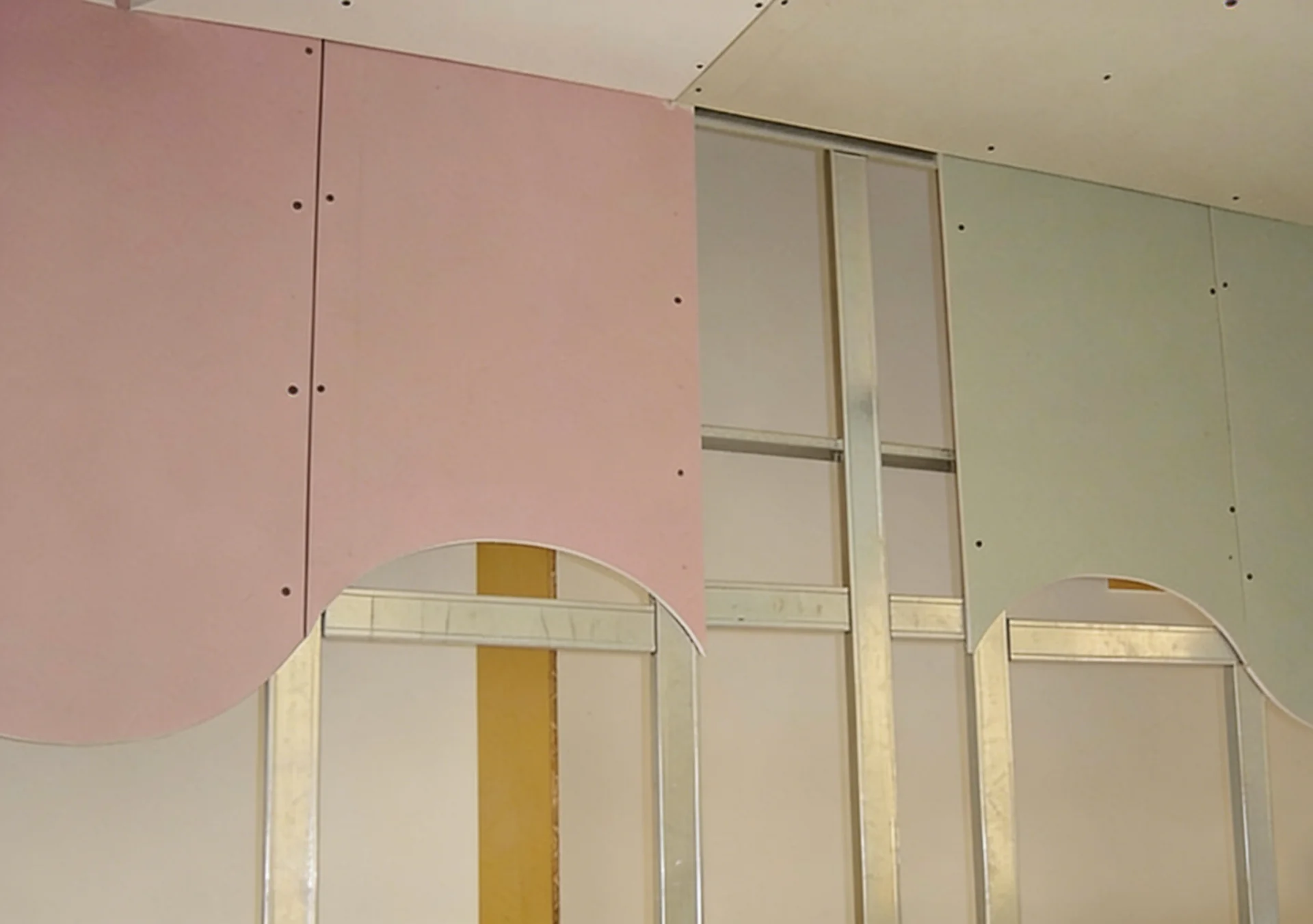
I increasingly see flexible products used not only for curves but also for improving installation speed on difficult corners.
Adaptability has become a major construction advantage.
Main Benefits Of Flexible Corner Beads
| Benefit | Result |
|---|---|
| Bends easily | Fits curved surfaces |
| Absorbs impact | Reduces edge damage |
| Adapts to irregular angles | Easier installation |
Flexible products solve complex layout challenges.
Best Applications For Flexible Beads
| Application Area | Why Flexible Works |
|---|---|
| Curved hallways | Smooth shaping |
| Archways | Easy bending |
| Children's areas | Safer edge performance |
Flexibility improves design possibilities.
Common Flexible-Bead Materials
| Material | Characteristic |
|---|---|
| Vinyl | Good moisture resistance |
| Composite polymers | Better impact flexibility |
| Hybrid materials | Balanced performance |
Material technology continues improving.
Possible Limitations
| Limitation | Impact |
|---|---|
| Lower rigidity | Less sharp corner definition |
| Some products deform over time | Quality variation matters |
Product quality affects long-term stability.
Why Flexible Systems Are Growing
| Traditional Interior Design | Modern Architectural Design |
|---|---|
| Straight-line layouts | Curved and custom forms |
| Standard wall geometry | Creative spatial design |
| Limited material variation | Specialized finishing systems |
Design trends increasingly require adaptable materials.
The Industry Shift Behind Flexible-Bead Questions
| Traditional Building Accessory Market | Modern Architectural-Solution Market |
|---|---|
| Standard product manufacturing | Specialized design-support manufacturing |
| Utility-only focus | Design-performance integration |
| Basic installation systems | Advanced customization systems |
I increasingly see flexible finishing systems become part of high-end architectural detailing.
Conclusion
At TRUSUS, I see corner beads evolving from simple edge protectors into specialized finishing-system components.
Future industry value will come from application matching, material innovation, professional guidance, and the ability to combine durability, aesthetics, and installation efficiency.