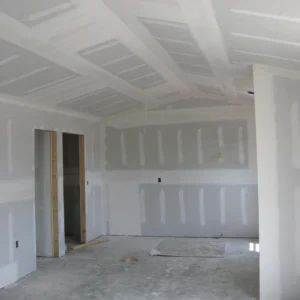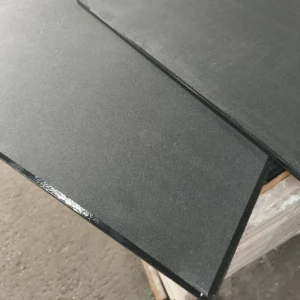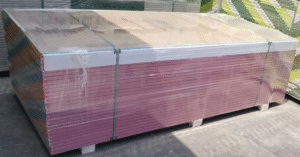


Yes, modular partitions are highly recommended for modern office spaces. They allow fast installation, easy reconfiguration, and better control of acoustic and visual privacy.
TRUSUS workspace insight: modular partitions turn walls from barriers into flexible tools.
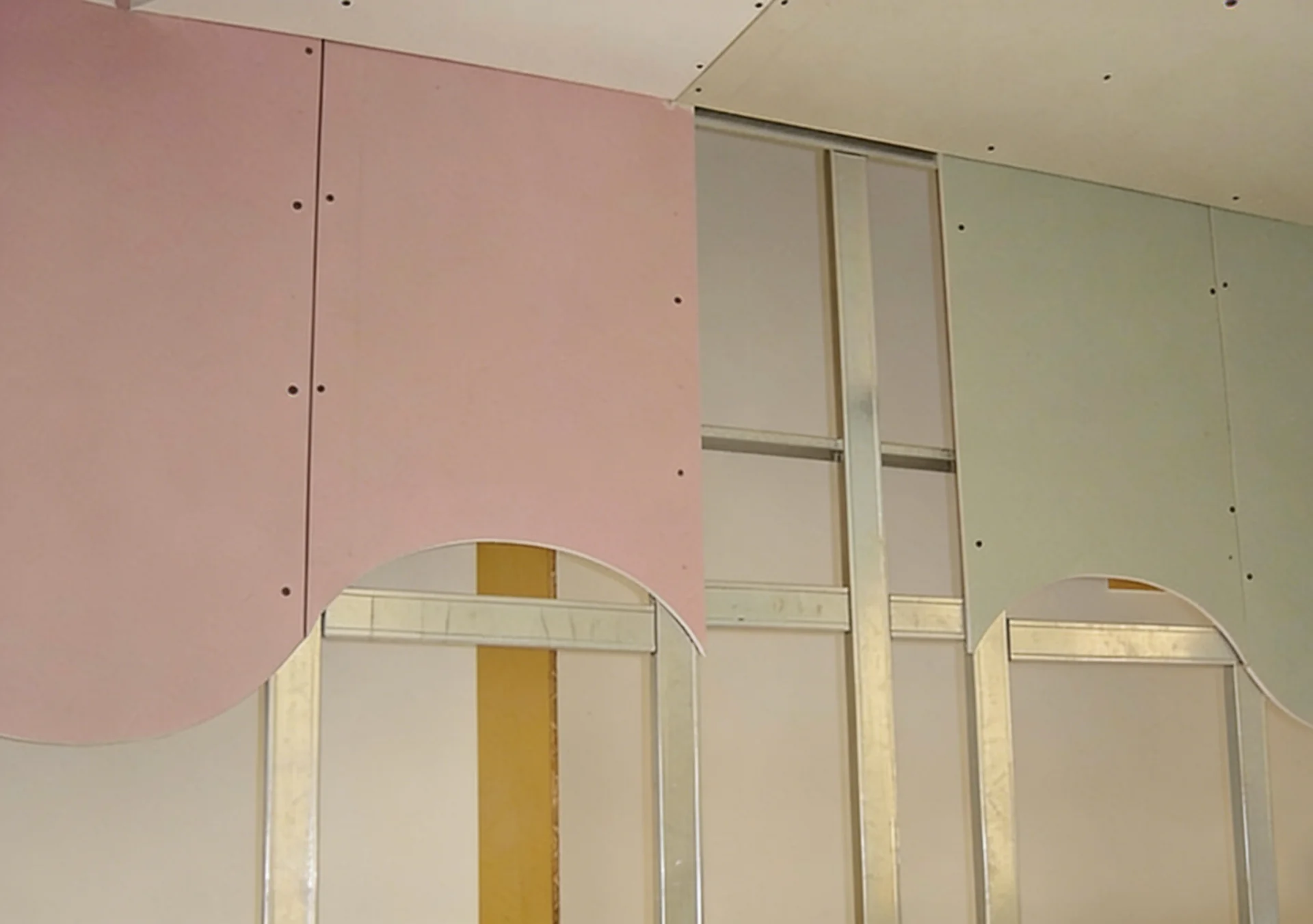
Modular systems are made for offices that change layouts frequently. They integrate power routing, sound insulation, and aesthetic surface options while keeping downtime minimal during renovation.
Comparison: Fixed vs. Modular Partitions
| Feature | Fixed Partition | Modular Partition | Result |
|---|---|---|---|
| Installation Time | Long | Short | Quick setup |
| Flexibility | Low | High | Easy reconfiguration |
| Cost Over Time | Higher (demolition) | Lower (reuse) | Sustainable |
| Acoustics | Variable | Controlled | Balanced work zone |
| Visual Style | Static | Adaptable finishes | Design freedom |
Modular partitions align perfectly with flexible office models, coworking setups, and workplaces focused on long‑term space agility.
What Is the Best Board for Wall Partition?
The best board choice depends on purpose, but gypsum board offers the most balanced performance in fire safety, acoustics, and cost. For high‑traffic or wet areas, fiber cement or calcium silicate boards are better.
TRUSUS material insight: no single board fits all—system matching is what makes performance.
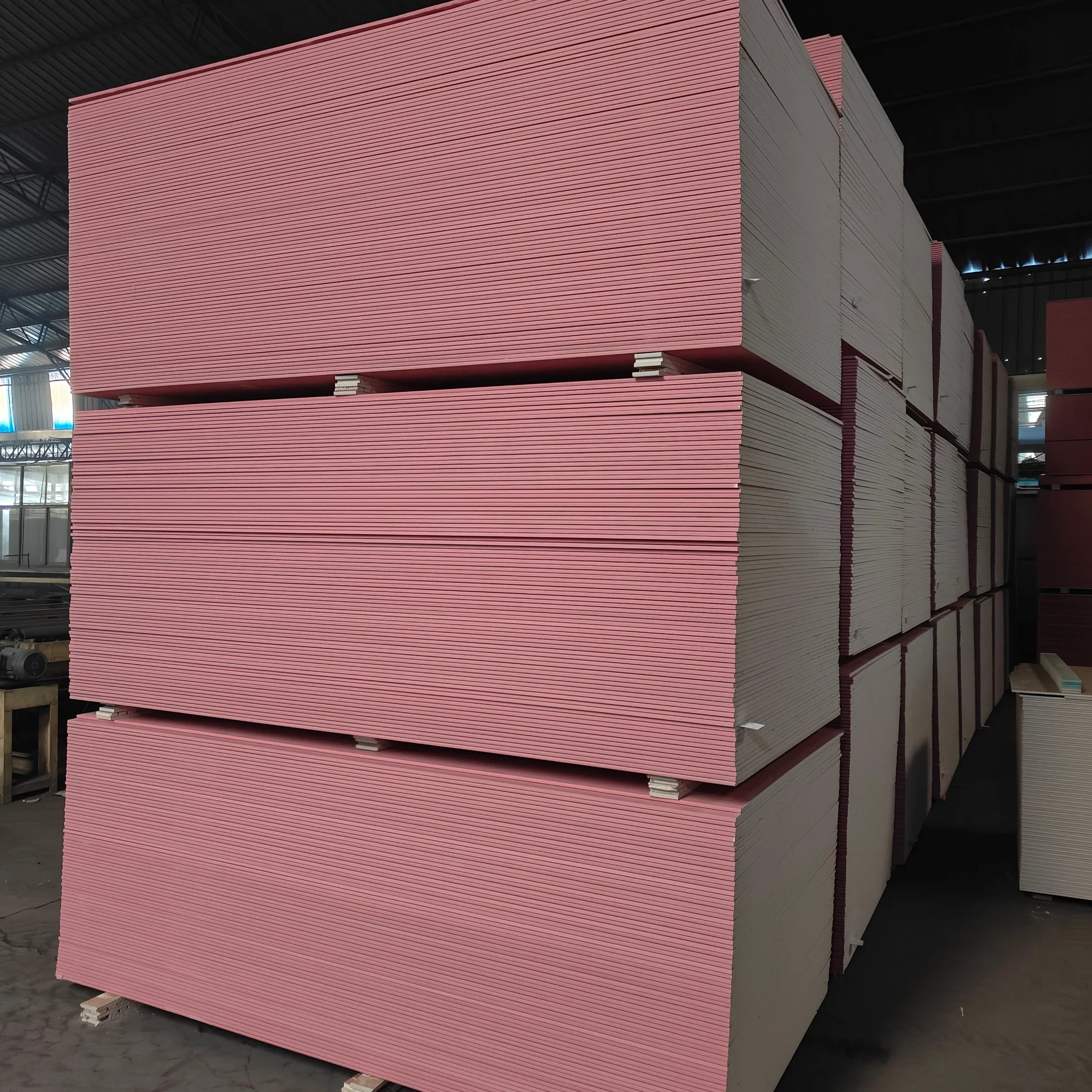
Wall Partition Board Chart
| Board Type | Fire Resistance | Moisture Resistance | Impact Strength | Common Usage |
|---|---|---|---|---|
| Standard Gypsum Board | Excellent | Medium | Moderate | Office walls, meeting rooms |
| Fiber Cement Board | Very High | High | High | Restrooms, kitchens, outdoor walls |
| Calcium Silicate Board | High | High | High | Labs, commercial kitchens |
| Acoustic Gypsum Board | Excellent | Medium | Moderate | Music rooms, call centers |
| Glass Partition Systems | None | None | Moderate | Front offices, executive zones |
Each board has a role. Gypsum delivers the best cost‑to‑performance ratio, making it the main wall system for most professional interiors.
What Is the Lifespan of a Drywall Partition?
A well‑installed drywall partition lasts 30–50 years, depending on usage, humidity, and maintenance. Its replaceable panels and easy repair ability extend its service life as part of a modular building system.
TRUSUS durability insight: drywall ages gracefully when treated as a system, not a surface.
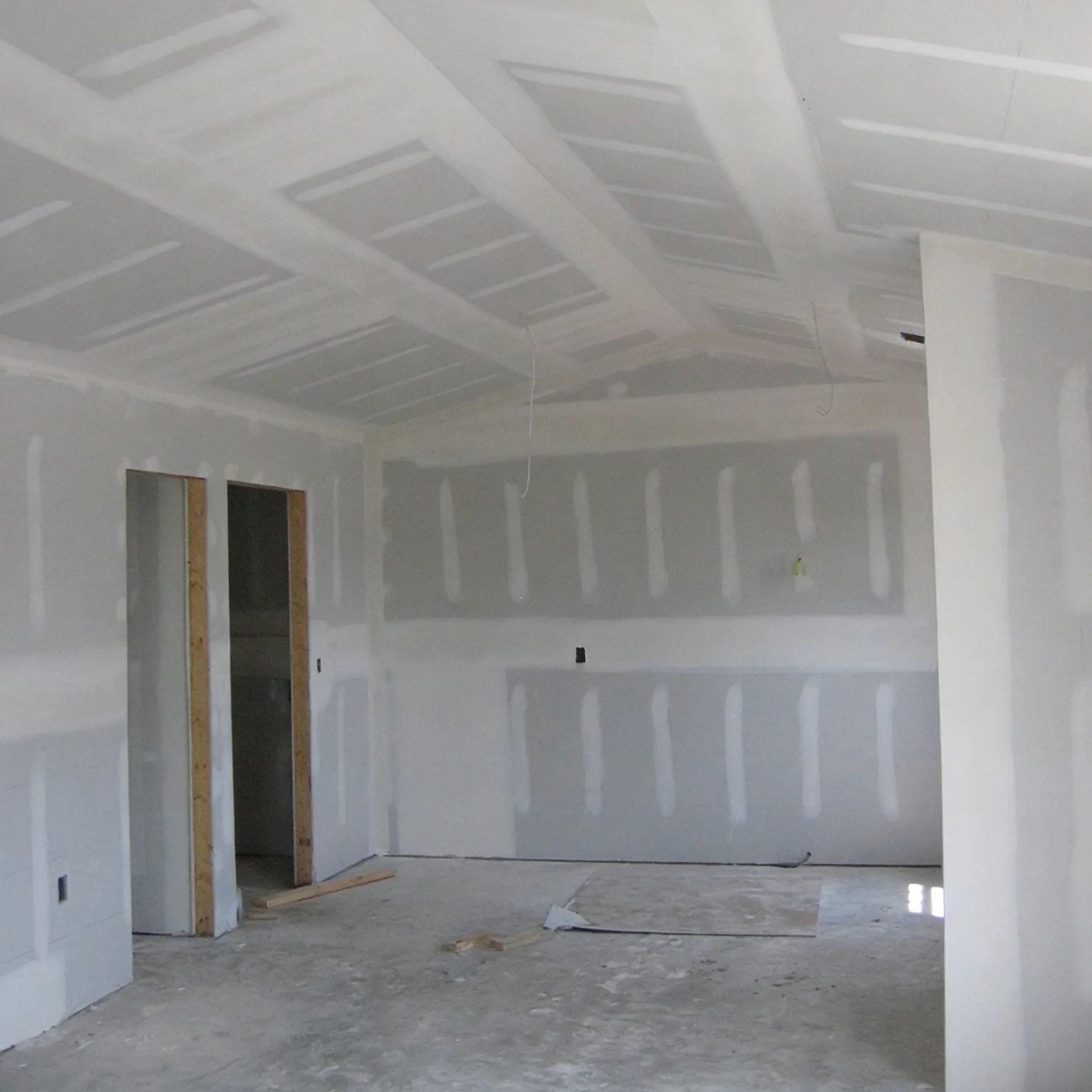
Drywall Lifespan Considerations
| Factor | Ideal Condition | With Poor Maintenance | Impact |
|---|---|---|---|
| Material Quality | Premium gypsum core | Low‑density core | Structure weakness |
| Installation Method | Frame aligned, screws spaced | Gaps or misalignment | Cracks form |
| Environment | Dry, ventilated | Humid, leaking | Mold or sagging |
| Maintenance | Regular repaint & seal | Ignored | Reduced service life |
When maintained with paint touch‑ups and moisture control, drywall remains solid for decades, supporting adaptive redesign without complete demolition.
What Are Alternatives to Drywall Partitions?
Drywall has strong advantages, but alternatives include glass, metal, wood, and composite modular systems. Each brings a different aesthetic and functional character to office planning.
TRUSUS system insight: true innovation isn’t about replacing drywall—it’s about expanding the vocabulary of partition systems.
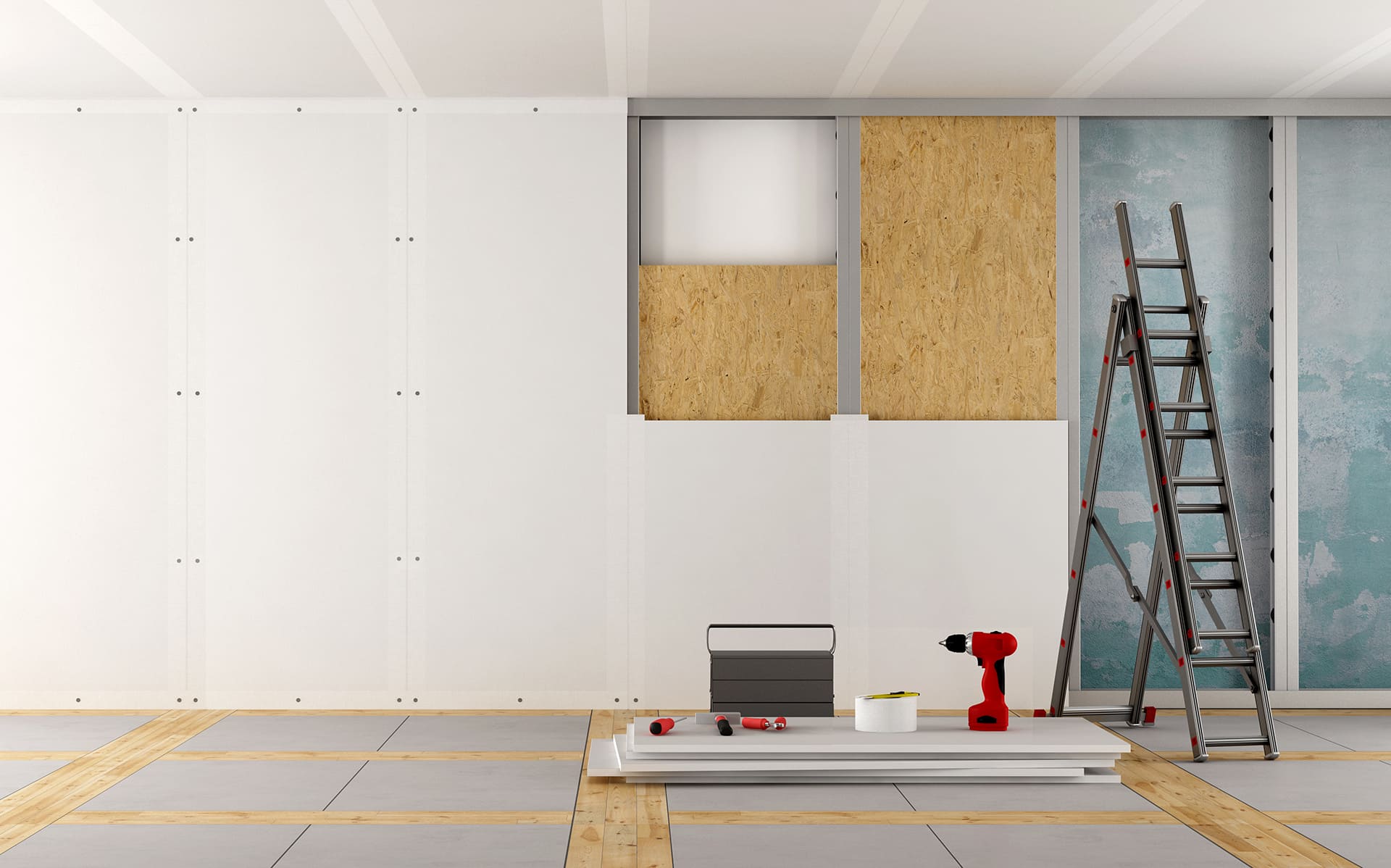
Partition Alternatives Overview
| Material | Key Features | Ideal For | Limitation |
|---|---|---|---|
| Glass | Transparency, daylight flow | Modern open offices | Privacy control |
| Metal Panel | Industrial aesthetic, durable | Tech labs, factories | Sound transmission |
| Wood or Plywood | Warm look, texture variety | Hospitality, boutique offices | Moisture sensitivity |
| Fabric Panels | Soft, acoustic‑friendly | Meeting or call rooms | Dust accumulation |
| Composite Modular System | Mixed materials, reconfigurable | Agile office zones | Higher initial cost |
The future lies in hybrid partition systems—combinations of gypsum cores, modular framing, and decorative panels that support both flexibility and brand identity.
Conclusion
At TRUSUS, I believe partition systems are no longer simple dividers—they’re adaptive frameworks for work and creativity. From gypsum core to modular skin, efficiency meets design in every evolving office space.