

Perforated ceiling tiles absorb sound through small surface holes, while non-perforated ceiling tiles mainly reflect sound and focus more on appearance or basic ceiling coverage.
Perforated systems improve acoustic comfort. Non-perforated systems are better for spaces with low sound-control needs.
TRUSUS acoustic insight: more customers now choose ceiling systems based on sound performance instead of only visual design.
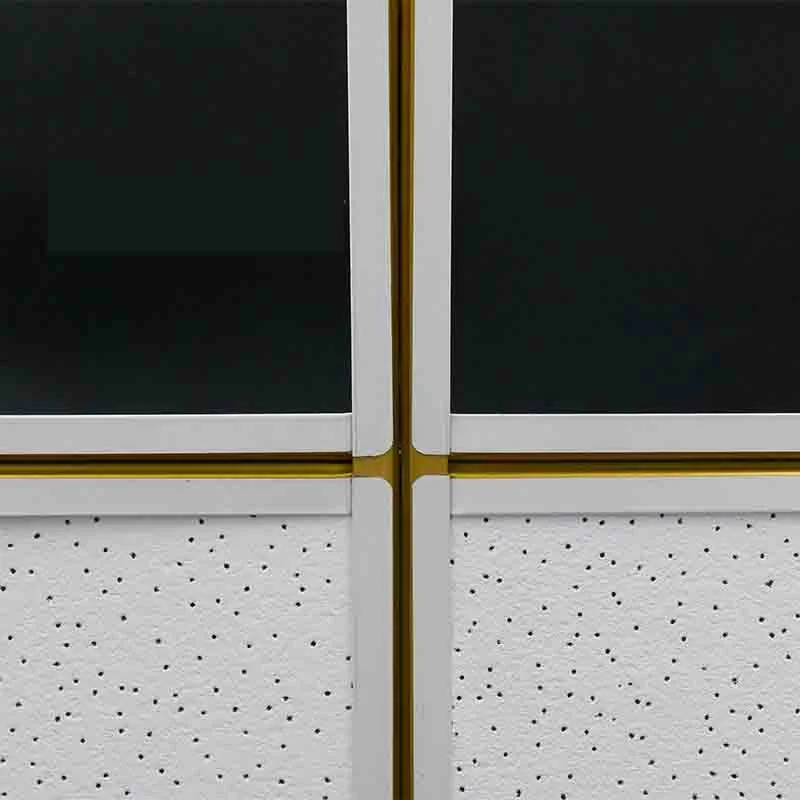
I increasingly see architects treat ceilings as part of the indoor acoustic system instead of only decorative surfaces.
Modern spaces require both visual and acoustic comfort.
Main Differences Between Ceiling Types
| Feature | Perforated Ceiling Tile | Non-Perforated Ceiling Tile |
|---|---|---|
| Surface structure | Contains holes | Solid surface |
| Sound absorption | High | Low |
| Sound reflection | Reduced | Higher |
Perforation changes how sound behaves in a room.
Typical Applications
| Space Type | Recommended Ceiling |
|---|---|
| Offices | Perforated |
| Classrooms | Perforated |
| Corridors | Non-perforated |
| Utility rooms | Non-perforated |
Application goals determine the best option.
Why Perforation Improves Acoustics
| Acoustic Effect | Result |
|---|---|
| Sound-wave penetration | Lower reflection |
| Air-cavity resonance | Better absorption |
| Fiber interaction | Reduced echo |
Multiple acoustic mechanisms work together.
Why Some Projects Still Use Non-Perforated Tiles
| Reason | Benefit |
|---|---|
| Lower cost | Budget control |
| Simpler cleaning | Easier maintenance |
| Decorative preference | Smooth appearance |
Not every space requires advanced acoustics.
Why Acoustic Awareness Is Increasing
| Traditional Ceiling Selection | Modern Ceiling Selection |
|---|---|
| Appearance-focused | Comfort-focused |
| Basic coverage needs | Acoustic-performance needs |
| Cost-first decisions | User-experience decisions |
Sound comfort is becoming a design priority.
The Industry Shift Behind Acoustic Questions
| Traditional Ceiling Market | Modern Acoustic Environment Market |
|---|---|
| Decorative-material focus | Environmental-performance focus |
| Product-sales thinking | Acoustic-solution thinking |
| Standard installations | Customized sound-control systems |
I increasingly believe acoustic design knowledge will become a major competitive advantage in ceiling manufacturing.
What Are The Benefits Of A Perforated Ceiling Tile Board?
Perforated ceiling tile boards reduce echo, improve speech clarity, shorten reverberation time, and create more comfortable indoor sound environments.
They are widely used in offices, schools, hospitals, hotels, and conference spaces.
TRUSUS project insight: perforated ceiling systems are now considered essential in many modern commercial interiors.
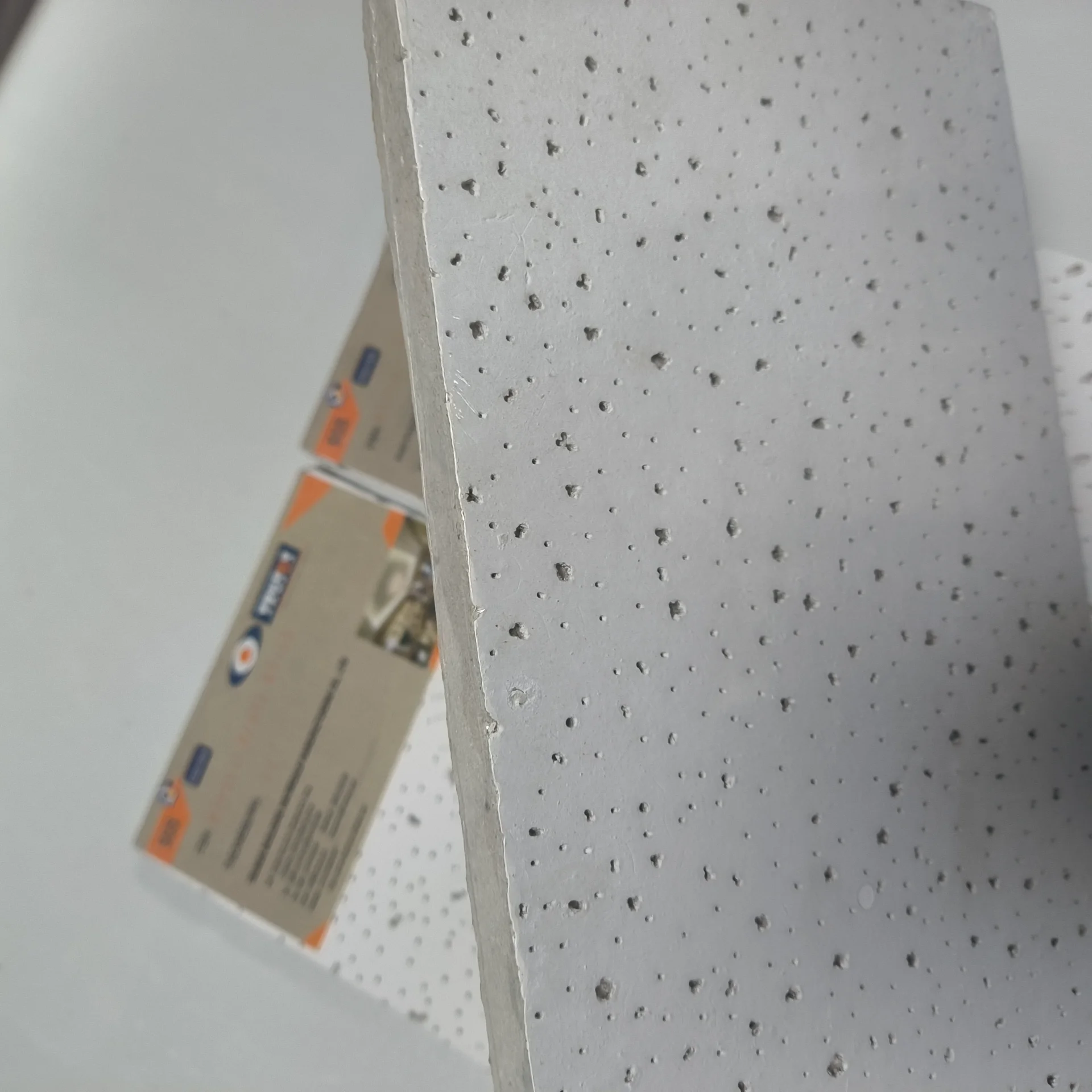
I increasingly see clients recognize that poor acoustics reduce comfort even when a room looks visually attractive.
Acoustic quality strongly affects daily experience.
Main Acoustic Benefits
| Benefit | Result |
|---|---|
| Echo reduction | Clearer sound |
| Noise absorption | Better concentration |
| Reverberation control | More comfortable spaces |
Acoustic control improves usability.
Why Offices Use Perforated Ceilings
| Office Problem | Acoustic Improvement |
|---|---|
| Open-office noise | Reduced distractions |
| Speech overlap | Better communication |
| Phone-call interference | Improved privacy |
Acoustic ceilings support productivity.
Why Schools And Hospitals Use Them
| Building Type | Acoustic Need |
|---|---|
| Schools | Speech clarity |
| Hospitals | Quiet environments |
| Libraries | Noise reduction |
Sound control improves function and comfort.
Additional Benefits Beyond Acoustics
| Additional Benefit | Value |
|---|---|
| Fire resistance | Improved safety |
| Lightweight structure | Easier installation |
| Decorative options | Better design flexibility |
Modern systems combine several functions.
Why Mineral Fiber Boards Perform Well
| Material Feature | Acoustic Advantage |
|---|---|
| Fiber structure | Sound-wave absorption |
| Porous composition | Airflow resistance |
| Controlled density | Balanced performance |
Material structure directly affects sound control.
Why Acoustic Performance Is Becoming More Important
| Traditional Interior Design | Modern Human-Centered Design |
|---|---|
| Visual appearance focus | Comfort-performance focus |
| Noise accepted as normal | Acoustic wellness prioritized |
| Basic functionality | Environmental optimization |
People increasingly expect better indoor environments.
The Industry Shift Behind Perforated-Ceiling Demand
| Traditional Ceiling Industry | Modern Acoustic-Solution Industry |
|---|---|
| Material manufacturing focus | Indoor-environment focus |
| Product specification sales | Acoustic-performance consulting |
| Generic applications | Precision acoustic solutions |
I increasingly see acoustic ceilings become part of healthy-building strategies.
What Is A Perforated Ceiling?
A perforated ceiling is a ceiling system with small holes or slots designed to absorb sound and improve room acoustics.
The perforations allow sound waves to enter the ceiling structure where acoustic materials reduce noise and echo.
TRUSUS acoustic-engineering insight: perforated ceilings combine architecture, material science, and sound engineering into one integrated system.

I increasingly see perforated ceilings used not only for sound control but also for modern architectural aesthetics.
Functional design and visual design are becoming closely connected.
How A Perforated Ceiling Works
| Acoustic Stage | Function |
|---|---|
| Sound enters perforations | Reduces reflection |
| Air cavity resonance | Dissipates energy |
| Fiber absorption layer | Converts sound energy |
The system works through layered sound control.
Common Perforation Patterns
| Pattern Type | Acoustic Characteristic |
|---|---|
| Micro-perforation | Smooth appearance |
| Large-hole perforation | Stronger sound penetration |
| Slot perforation | Directional acoustic control |
Pattern design affects performance.
Main Components Of The System
| Component | Role |
|---|---|
| Perforated facing | Sound entry surface |
| Acoustic backing | Absorption layer |
| Suspension system | Structural support |
All layers contribute to acoustic results.
Why Back Cavity Depth Matters
| Cavity Depth | Acoustic Effect |
|---|---|
| Shallow cavity | Better high-frequency absorption |
| Deep cavity | Better low-frequency control |
System design changes frequency performance.
TRUSUS Why Perforated Systems Are Expanding
| Traditional Ceiling Purpose | Modern Ceiling Purpose |
|---|---|
| Cover building services | Improve environmental comfort |
| Pure decoration | Acoustic engineering integration |
| Standardized ceilings | Performance-optimized systems |
Ceilings now play a larger environmental role.
The Industry Shift Behind Perforated-Ceiling Questions
| Traditional Building Materials | Modern Building-Performance Systems |
|---|---|
| Decorative product focus | Occupant-comfort focus |
| Standard product supply | Engineered acoustic systems |
| Visual-design emphasis | Multi-performance integration |
I increasingly believe ceilings will become active environmental-control systems in future buildings.
What Is The Best Material For Absorbing Sound From Ceilings?
Acoustic mineral fiber board is one of the best ceiling materials for sound absorption because it combines high sound absorption, fire resistance, lightweight installation, and stable long-term performance.
It performs especially well in offices, schools, healthcare facilities, and commercial interiors.
TRUSUS material insight: modern acoustic design increasingly depends on engineered mineral fiber systems because they balance acoustics, safety, and practicality.
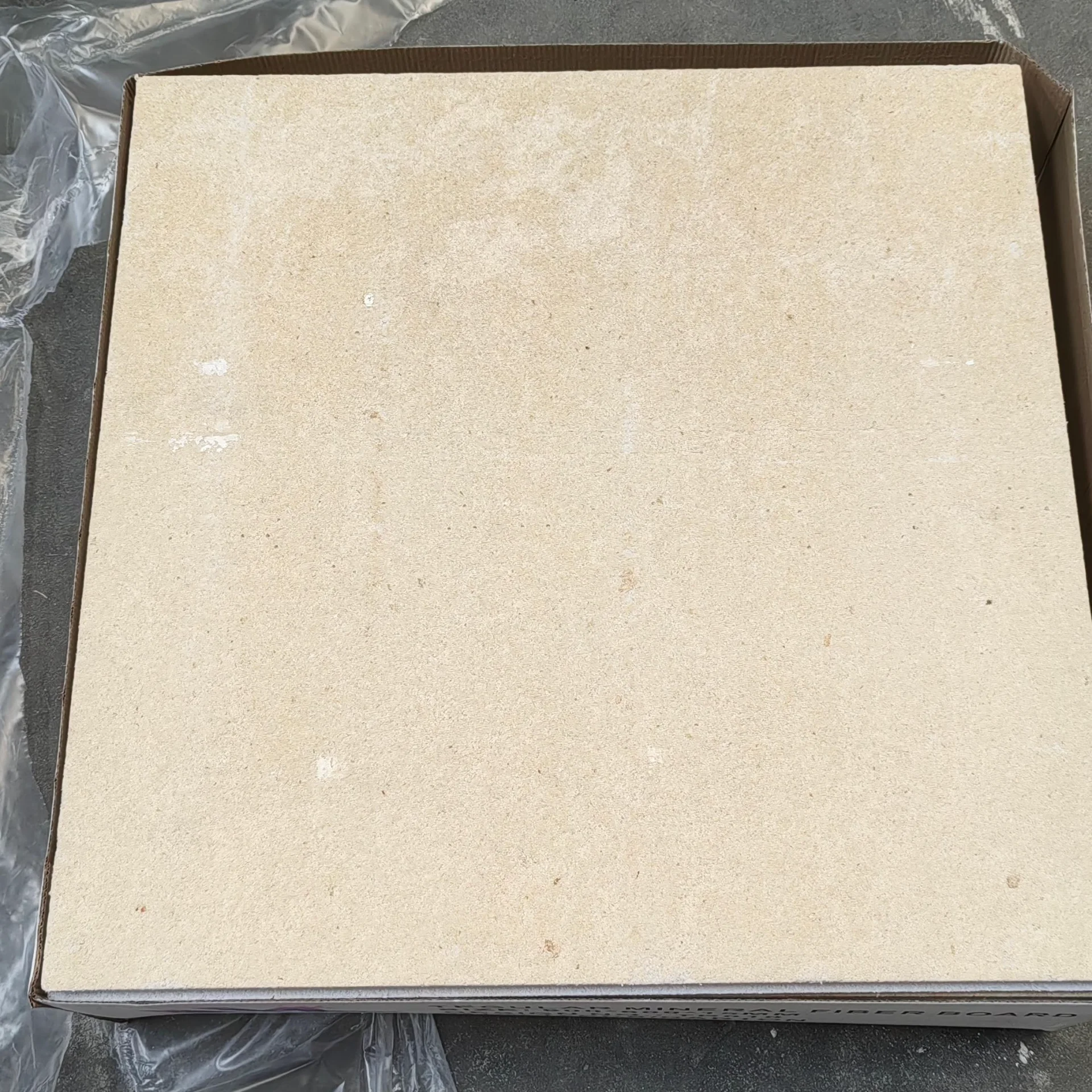
I increasingly see clients compare acoustic materials scientifically instead of choosing only by appearance or price.
Performance data now matters much more.
Common Ceiling Acoustic Materials
| Material | Acoustic Performance |
|---|---|
| Mineral fiber board | Excellent |
| Acoustic foam | Good |
| Wood acoustic panels | Moderate to high |
| Gypsum board | Limited without perforation |
Different materials suit different goals.
Why Mineral Fiber Performs Well
| Material Feature | Benefit |
|---|---|
| Open fiber structure | Better sound absorption |
| Controlled porosity | Improved noise reduction |
| Lightweight composition | Easier ceiling installation |
Microstructure strongly affects acoustics.
Acoustic Performance By Frequency
| Frequency Range | Mineral Fiber Performance |
|---|---|
| High frequencies | Excellent |
| Mid frequencies | Very good |
| Low frequencies | Improved with cavity depth |
System design influences final results.
Additional Benefits Of Mineral Fiber Boards
| Additional Feature | Value |
|---|---|
| Fire resistance | Safety compliance |
| Moisture resistance | Longer durability |
| Sustainable materials | Environmental value |
Acoustic ceilings increasingly require multi-function performance.
Why Material Selection Is Becoming More Scientific
| Traditional Ceiling Selection | Modern Acoustic Engineering |
|---|---|
| Appearance-based decisions | Measured acoustic analysis |
| Standardized products | Performance-tuned systems |
| General recommendations | Frequency-specific solutions |
Acoustic engineering is becoming more precise.
The Industry Shift Behind Sound-Absorption Questions
| Traditional Ceiling Industry | Modern Indoor-Environment Industry |
|---|---|
| Decorative-material focus | Human-comfort focus |
| Product manufacturing | Acoustic-performance engineering |
| Generic ceiling systems | Data-driven environmental solutions |
I increasingly see acoustic performance become a core indicator of building quality.
Conclusion
At TRUSUS, I see perforated ceiling systems evolving from decorative products into engineered acoustic-environment solutions.
Future industry value will come from sound-control science, comfort optimization, material innovation, and precise acoustic system integration.