

Yes, white rust on galvanized steel is a warning sign. It indicates zinc oxidation caused by trapped moisture before a stable protective film formed. While not immediately destructive, it threatens long-term corrosion resistance.
TRUSUS insight: white rust is small in appearance but serious in meaning.
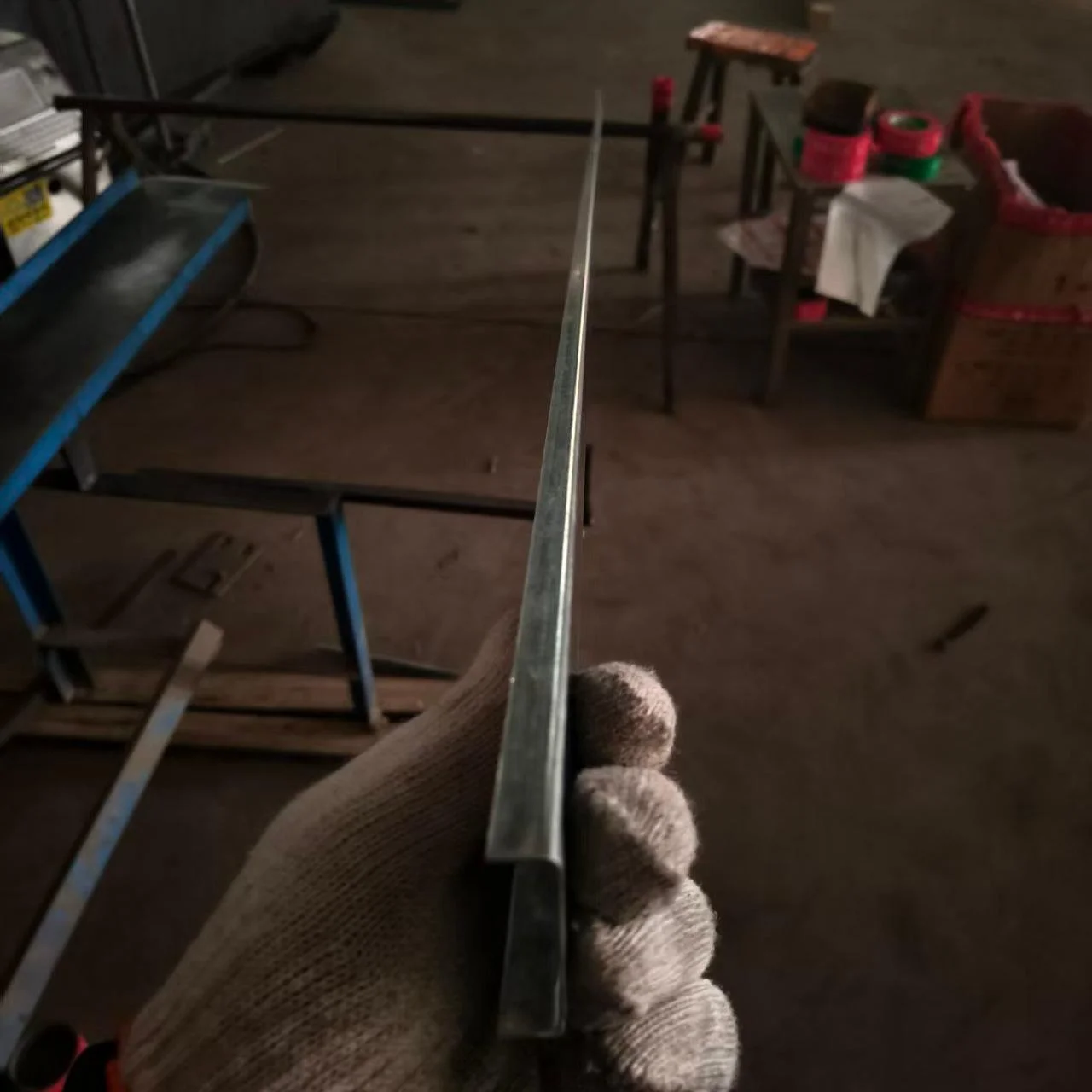
White rust weakens the zinc layer’s integrity. It signals poor storage, transport, or manufacturing protection, and if unchecked, can spread into deeper oxidation, leading to premature material failure or poor coating adhesion in building frames.
What Does White Rust Look Like?
White rust appears as a whitish or grayish powdery coating on galvanized steel surfaces. It forms unevenly and gives a dull, chalk-like finish that contrasts sharply with the shiny zinc layer underneath.
observation insight: white rust may look soft, but it shows the hard truth about moisture exposure.
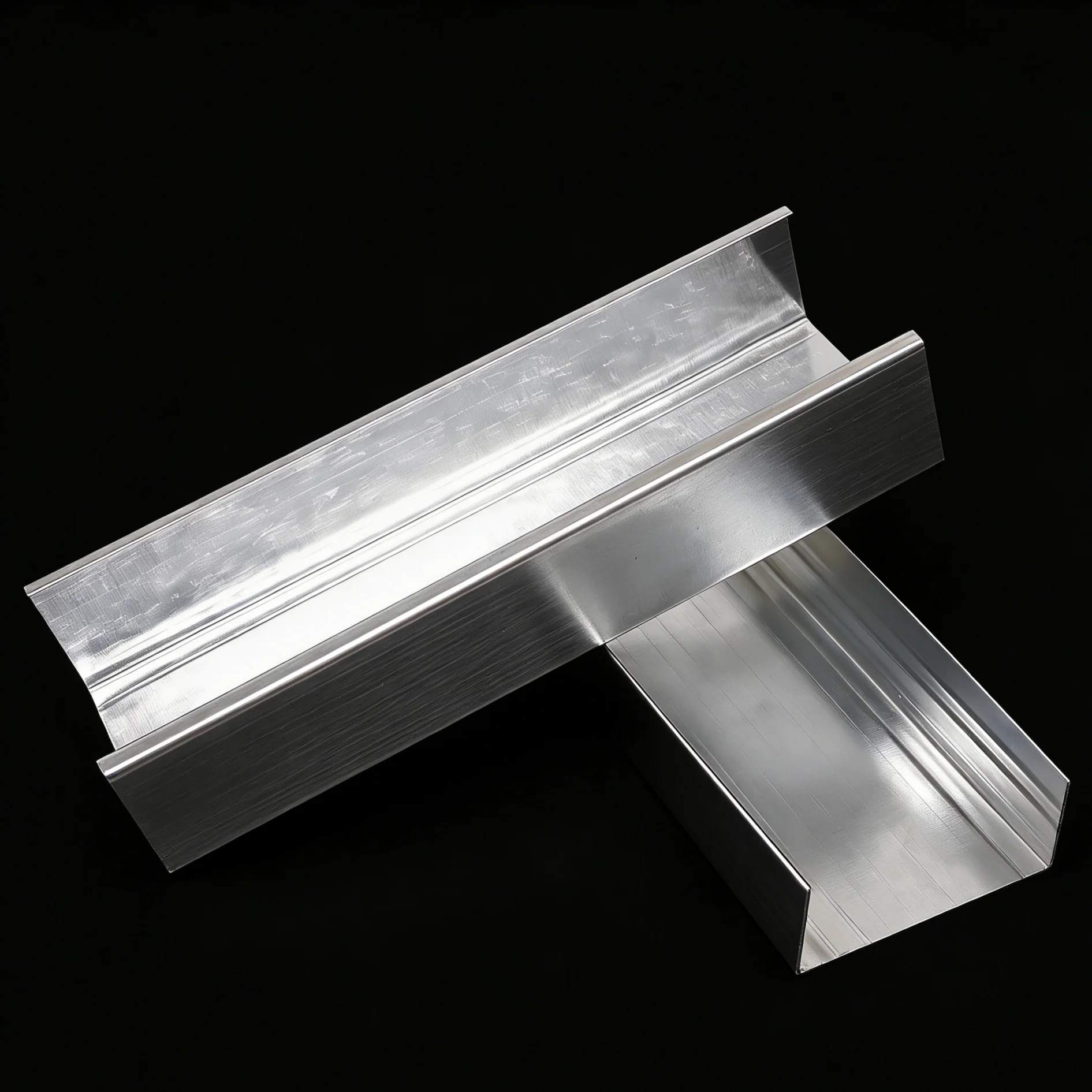
White Rust Visual Guide
| Surface Condition | Appearance | Common Stage |
|---|---|---|
| Mild oxidation | Light white spots | Early condensation exposure |
| Moderate rusting | Cloudy patches, dull tone | Improper storage ventilation |
| Severe rust | Thick white deposits | Extended humidity or water contact |
Understanding how it looks helps identify at-risk materials early in inspection cycles before loss of structural performance occurs.
What Is White Rust Caused By?
White rust is caused by moisture exposure on freshly galvanized surfaces, often under sealed or stagnant air conditions that stop natural passivation. It forms when water and oxygen react too quickly with zinc.
process insight: poor handling equals accelerated oxidation.
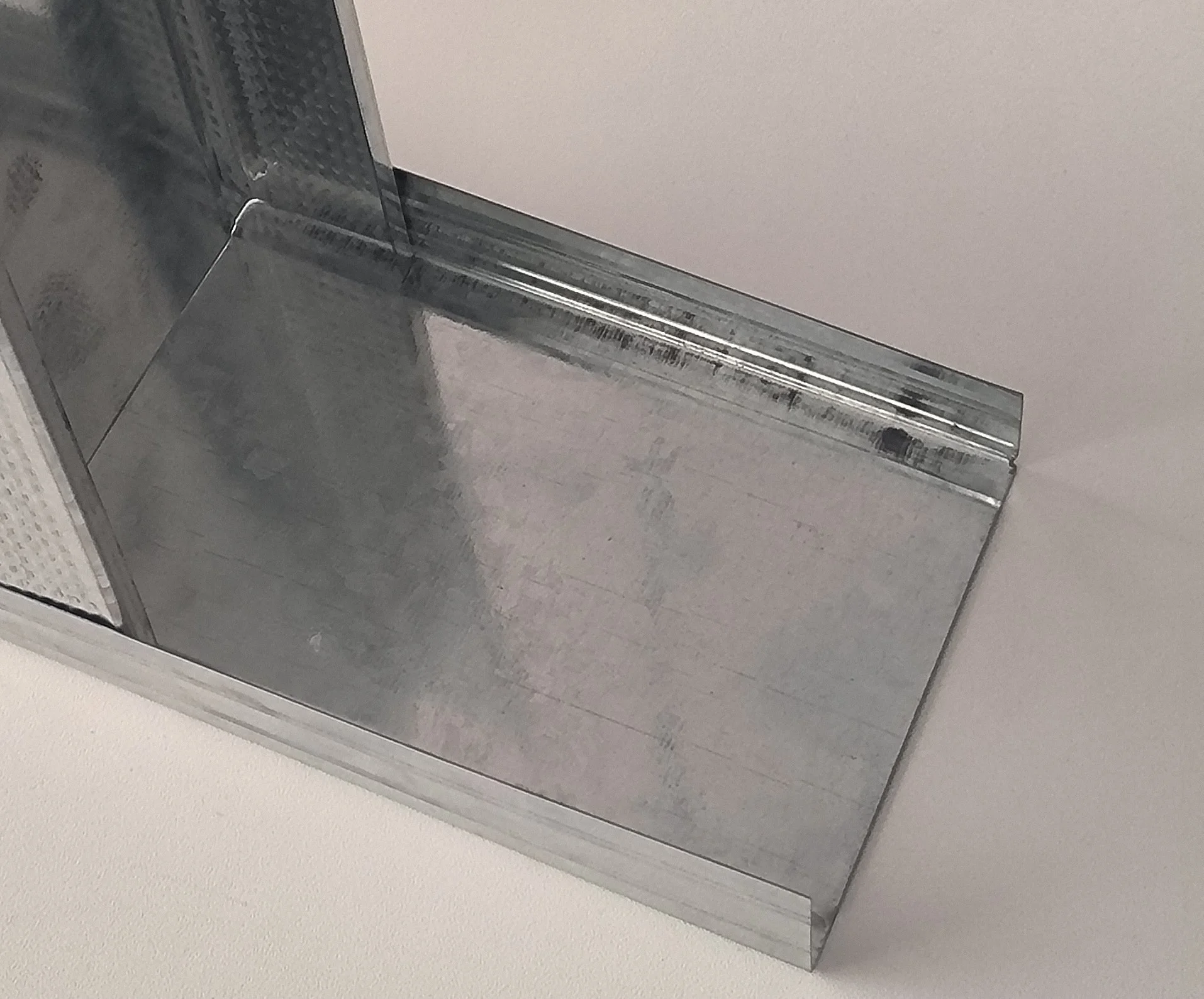
Common Causes Table
| Cause | Description | Preventive Action |
|---|---|---|
| Condensed humidity | Stored outdoors or under plastic wraps | Ensure ventilation and dry stacking |
| No passivation | Zinc coating not treated or dried | Apply chromate or organic inhibitors |
| Poor packing | Tight bundles trapping moisture | Use breathable separators |
| Extreme weather | Rapid temperature changes | Store under controlled environments |
White rust is not created by age, but by lack of protective conditions during manufacturing and storage.
How to Get White Rust Off Galvanized Metal?
To remove white rust, wash the surface with mild acidic solution like vinegar or a zinc-safe rust remover, followed by thorough drying and re-coating if necessary. Always inspect if structural corrosion has begun before reuse.
TRUSUS maintenance insight: treat gently—preserve zinc integrity while removing contamination.
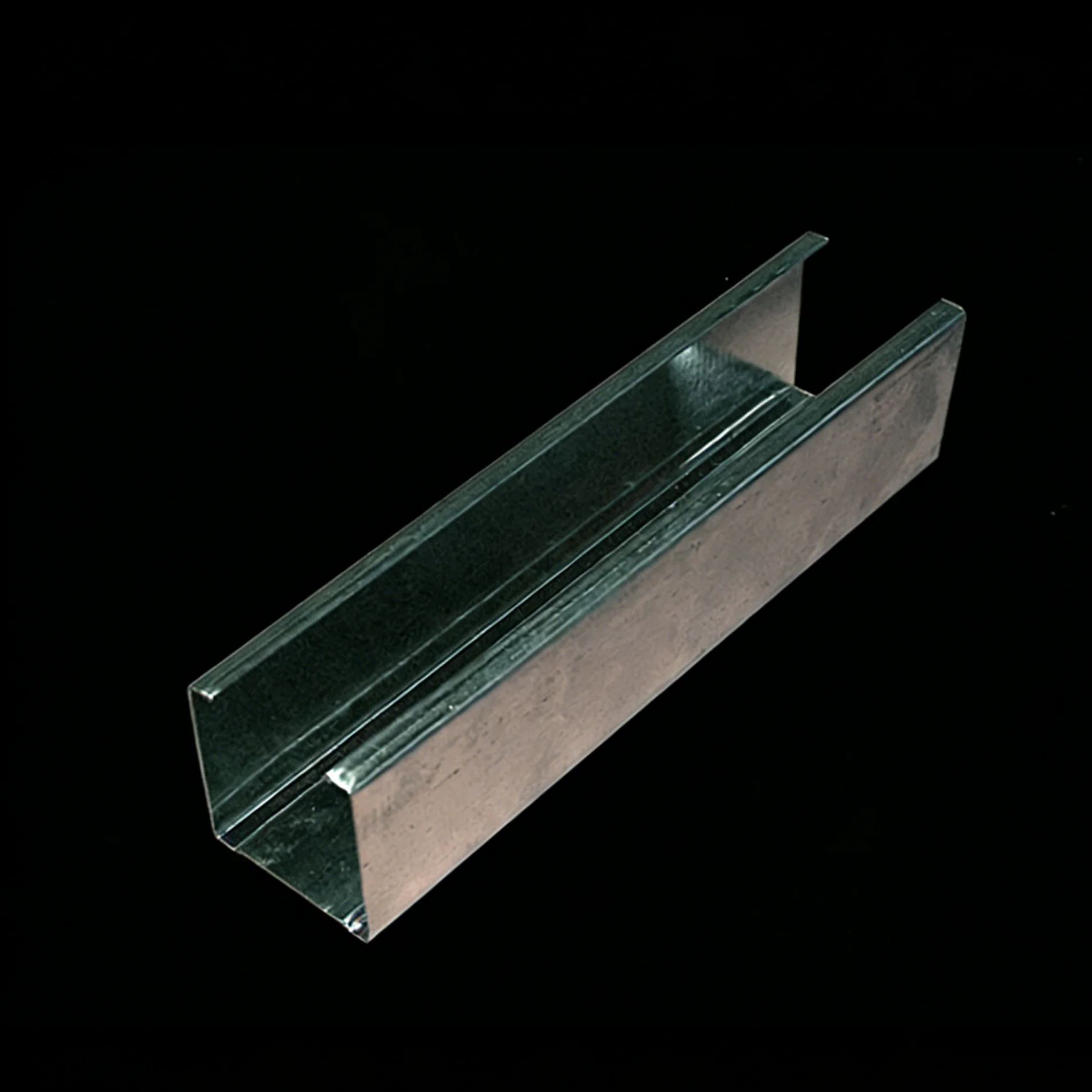
Cleaning Procedure
| Step | Method | Purpose |
|---|---|---|
| 1 | Water rinse | Remove loose particles |
| 2 | Mild acid or vinegar wash | Dissolve zinc oxide |
| 3 | Soft brush scrubbing | Lift residue without scratching |
| 4 | Rinse again and dry fully | Prevent reoxidation |
| 5 | Optional protective coating | Seal surface for future storage |
After cleaning, ensure dry and ventilated conditions to prevent recurrence. In large-scale manufacturing, consistent passivation and packaging control offer the best prevention.
Conclusion
White rust is not just surface oxidation—it’s a signal of system weakness in handling and storage. At TRUSUS, we see it as an indicator guiding quality improvement along the supply chain. When white rust appears, it’s not just time to clean—it’s time to rethink protection, durability, and trust in every galvanized component.