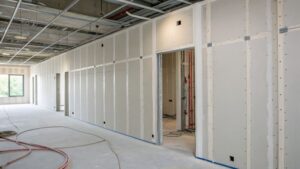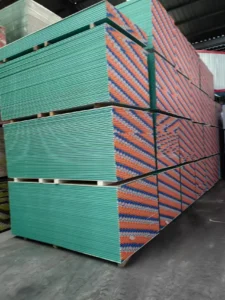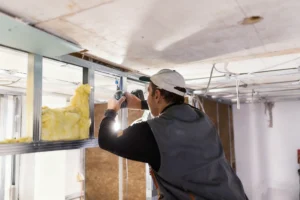


For most garages, 5/8‑inch plasterboard is the better choice because it offers higher fire resistance, improved sound insulation, and greater sag resistance—especially when ceilings or walls are exposed to temperature changes.
TRUSUS material insight: the right board thickness balances space performance, not just strength.
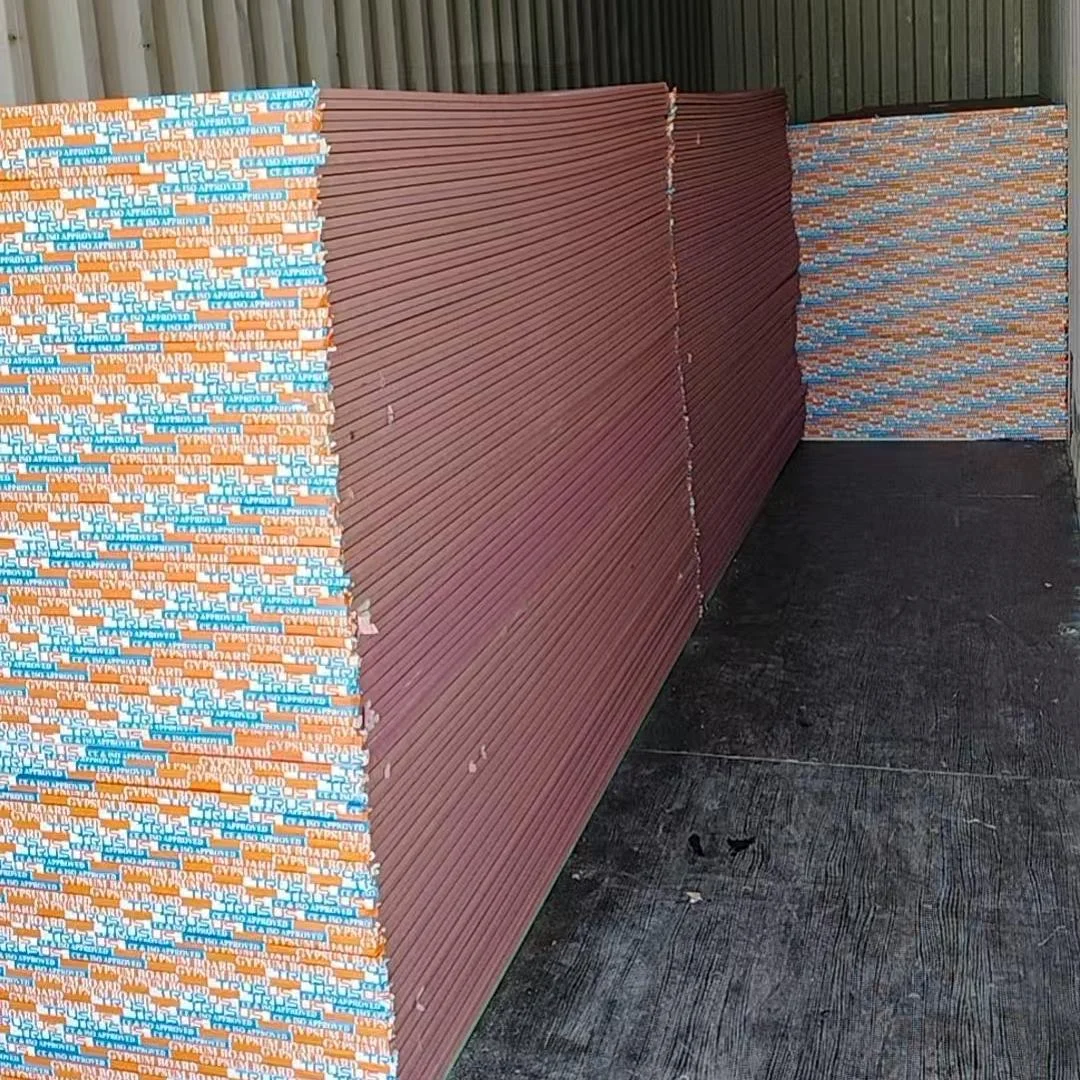
Using 5/8 in board also meets fire-code requirements for attached garages, strengthening safety and durability in heat‑exposed environments.
When to Use 5/8 vs 1/2 Drywall?
Use 5/8‑inch drywall for garages, public areas, ceilings with wide spacing, and walls that require acoustic or fire performance. Use 1/2‑inch drywall in standard residential interiors where load and code demands are moderate.
application insight: each thickness plays a role inside a complete drywall system.
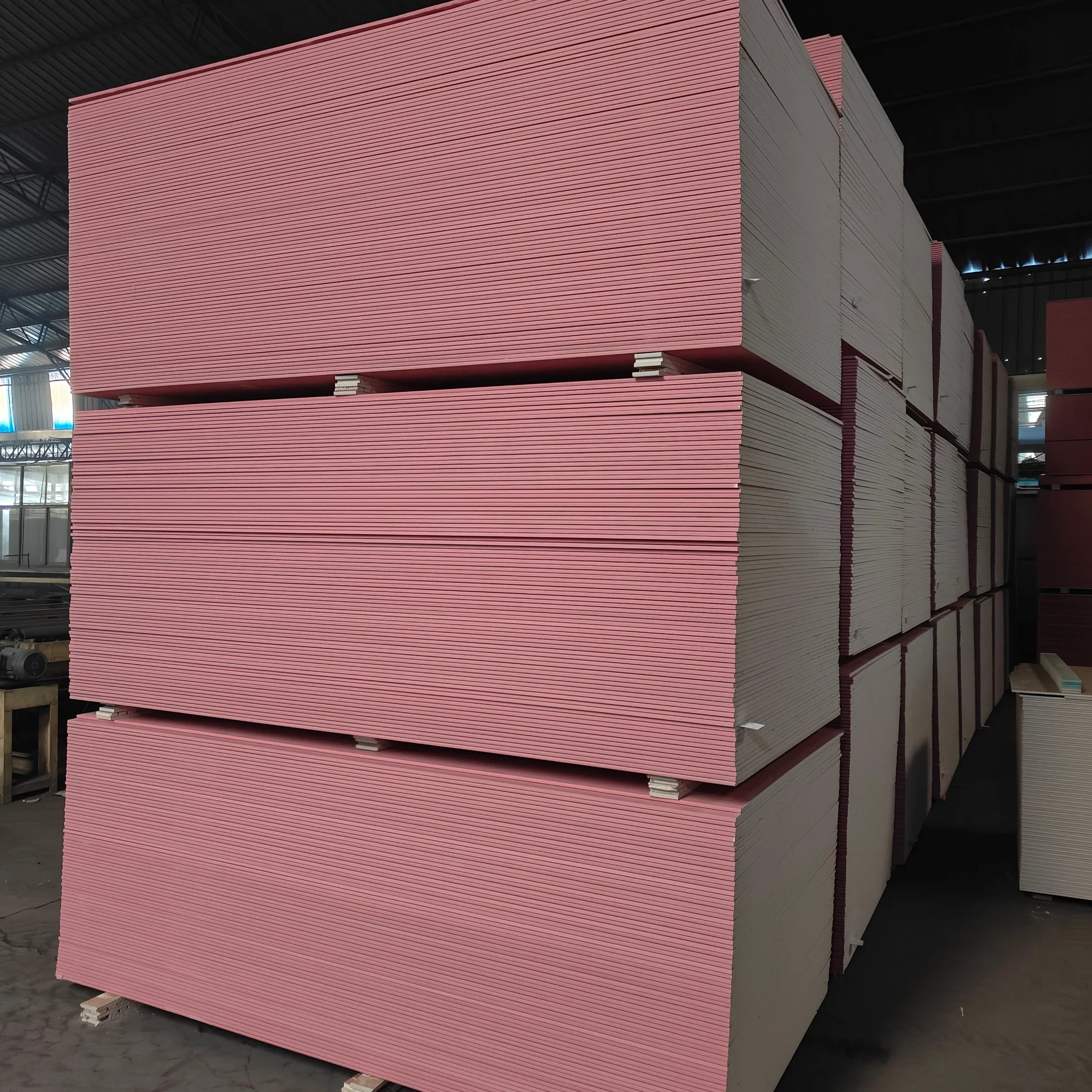
Drywall Thickness Comparison Table
| Thickness | Key Properties | Best Use Case |
|---|---|---|
| 1/2 in (12.7 mm) | Lightweight, easy to cut, lower cost | Interior walls, homes |
| 5/8 in (15.9 mm) | Fire-rated, soundproof, stronger | Garages, ceilings, corridors |
| 3/8 in (9.5 mm) | Thin, curved applications | Arches, renovation overlays |
| Type X 5/8 in | Fire‑resistant gypsum core | Fire‑rated partitions |
The thicker 5/8 in board contains a denser gypsum core, giving both rigidity and better noise control.
Is 1/2‑Inch Gypsum Board OK for Ceilings?
Yes, 1/2‑inch gypsum board can be used on ceilings, but only where framing is spaced ≤16 inches (400 mm) and humidity is controlled. For wider spacing or humid garages, use 5/8 in Type X board to avoid sagging.
TRUSUS ceiling insight: span defines safety; environment defines durability.
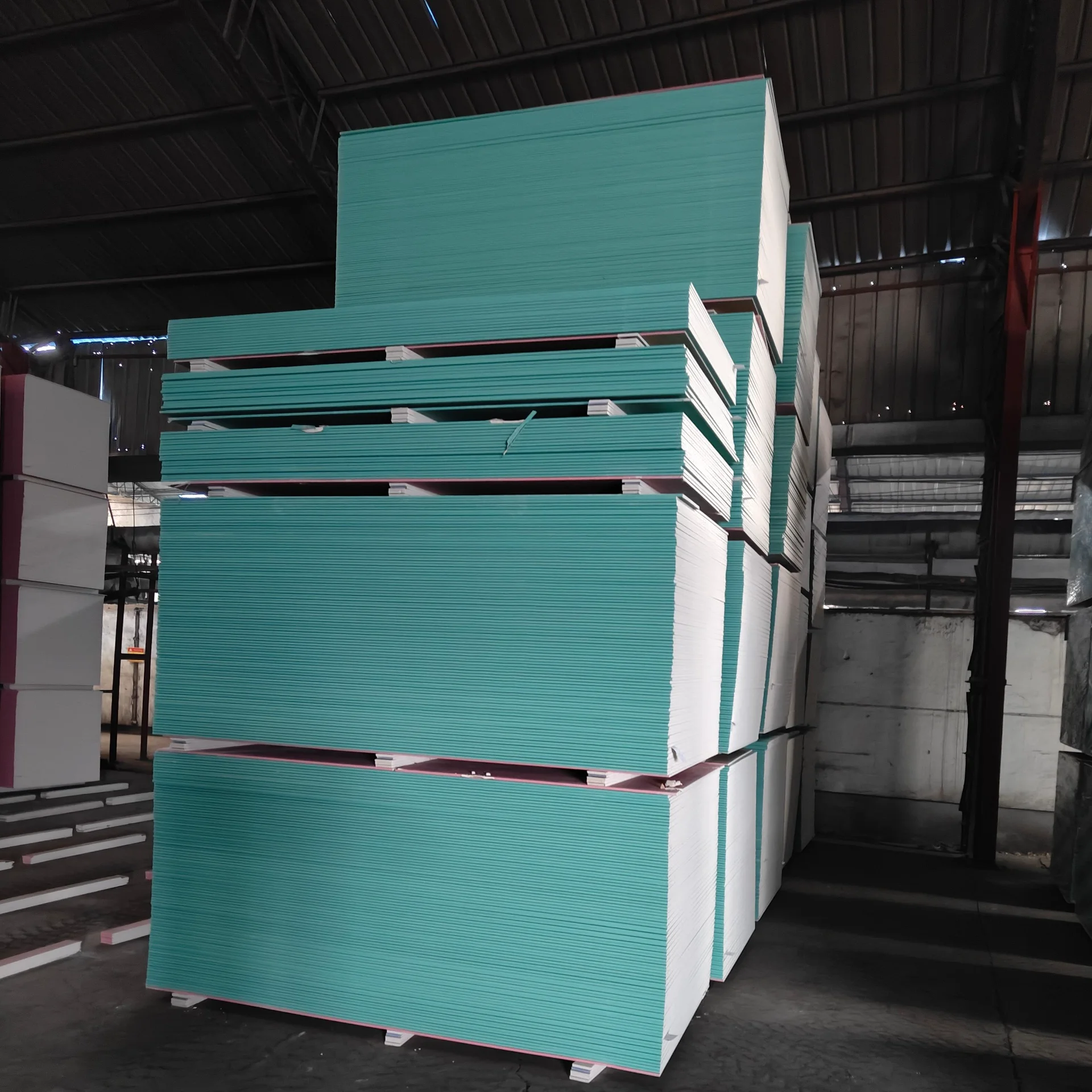
TRUSUS Ceiling Selection Guide
| Ceiling Condition | Board Thickness | Span Limit | Notes |
|---|---|---|---|
| Residential, Dry | 1/2 in | 16 in (400 mm) | Use lightweight drywall |
| Residential, Slight Humidity | 1/2 in moisture resistant | 12 in (300 mm) | Avoid condensation areas |
| Garage or Fire Separation | 5/8 in Type X | 24 in (600 mm) | Meets fire code |
| Commercial Ceiling | 5/8 in | 24 in (600 mm) | Added rigidity |
Proper screw spacing (12 in on ceilings) and perpendicular board orientation add support and prevent deflection over time.
What Is the Maximum Span of 5/8 Drywall?
The maximum allowable span for 5/8‑inch drywall on ceilings is typically 24 inches (600 mm) between joists, while walls can handle greater spacing due to vertical load support.
structural insight: drywall span depends on direction, load, and fastening pattern.
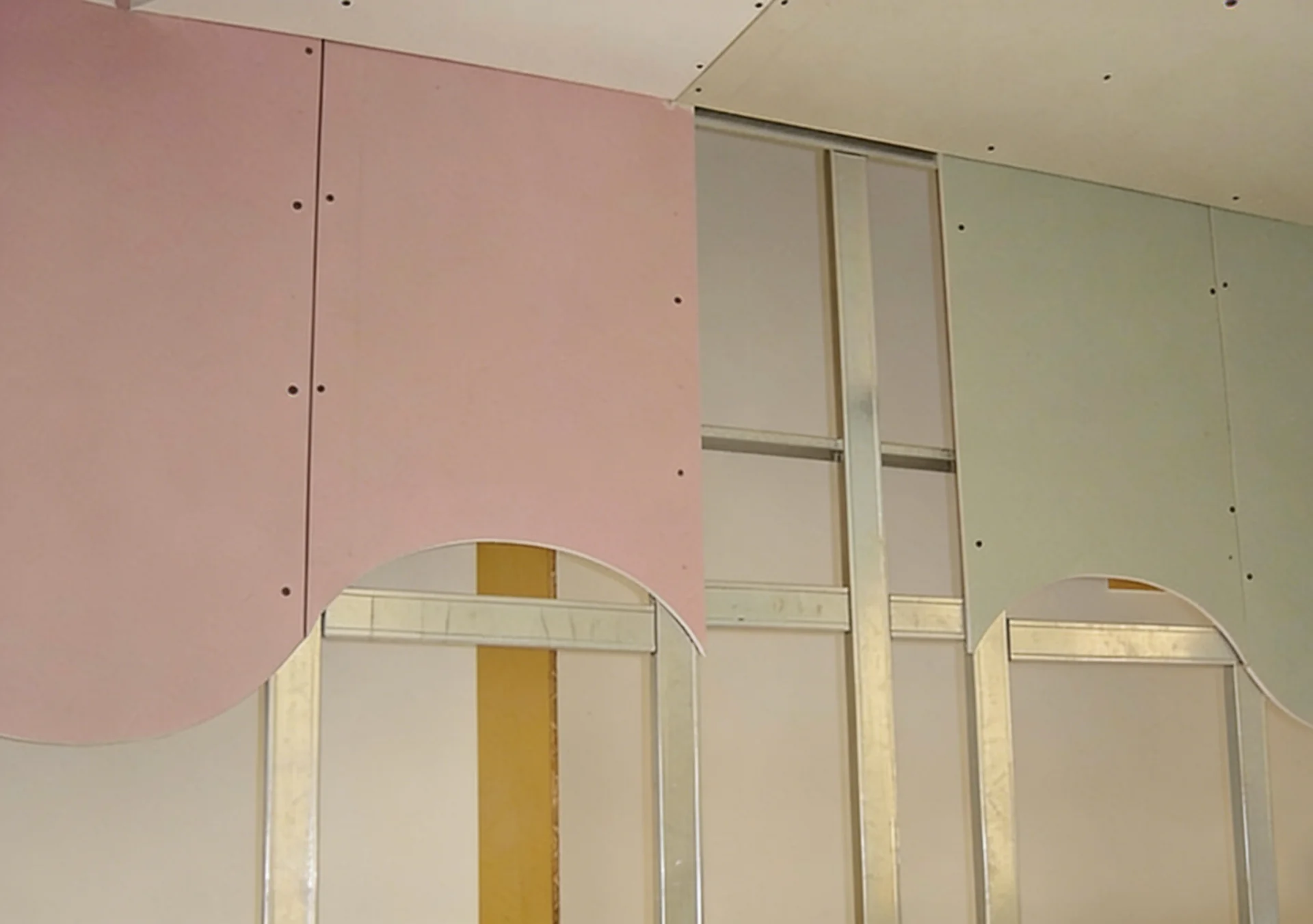
Span and Fastening Reference
| Application | Thickness | Maximum Joist Spacing | Fastener Spacing |
|---|---|---|---|
| Wall (Vertical Install) | 5/8 in | 24 in (600 mm) | 16 in (400 mm) |
| Ceiling (Perpendicular Install) | 5/8 in | 24 in (600 mm) | 12 in (300 mm) |
| Ceiling (Parallel Install) | 5/8 in | 16 in (400 mm) | 12 in (300 mm) |
| Fire‑Rated Ceiling | 5/8 in Type X | 16 in (400 mm) | 8 in (200 mm) |
Span stability relies on full adhesion between board and framing. Any framing irregularity increases risk of cracks.
Conclusion
At TRUSUS, I view drywall thickness not as a number but as a structural language. The right choice expresses how a space performs—fire safety, sound control, and strength working together. When matched with proper framing and finishing, the difference between 1/2 and 5/8 drywall becomes a translation of engineering precision into everyday comfort and long‑term endurance.