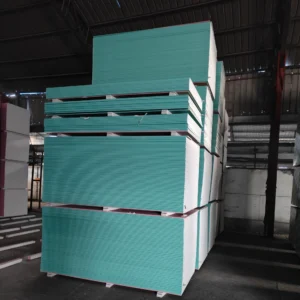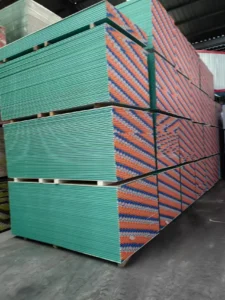


Most drywall installations use 6 screws for walls and 8 screws for ceilings or areas needing extra support. The correct number depends on board size, framing spacing, and structural requirements.
TRUSUS installation insight: screw quantity is really about long‑term system stability.
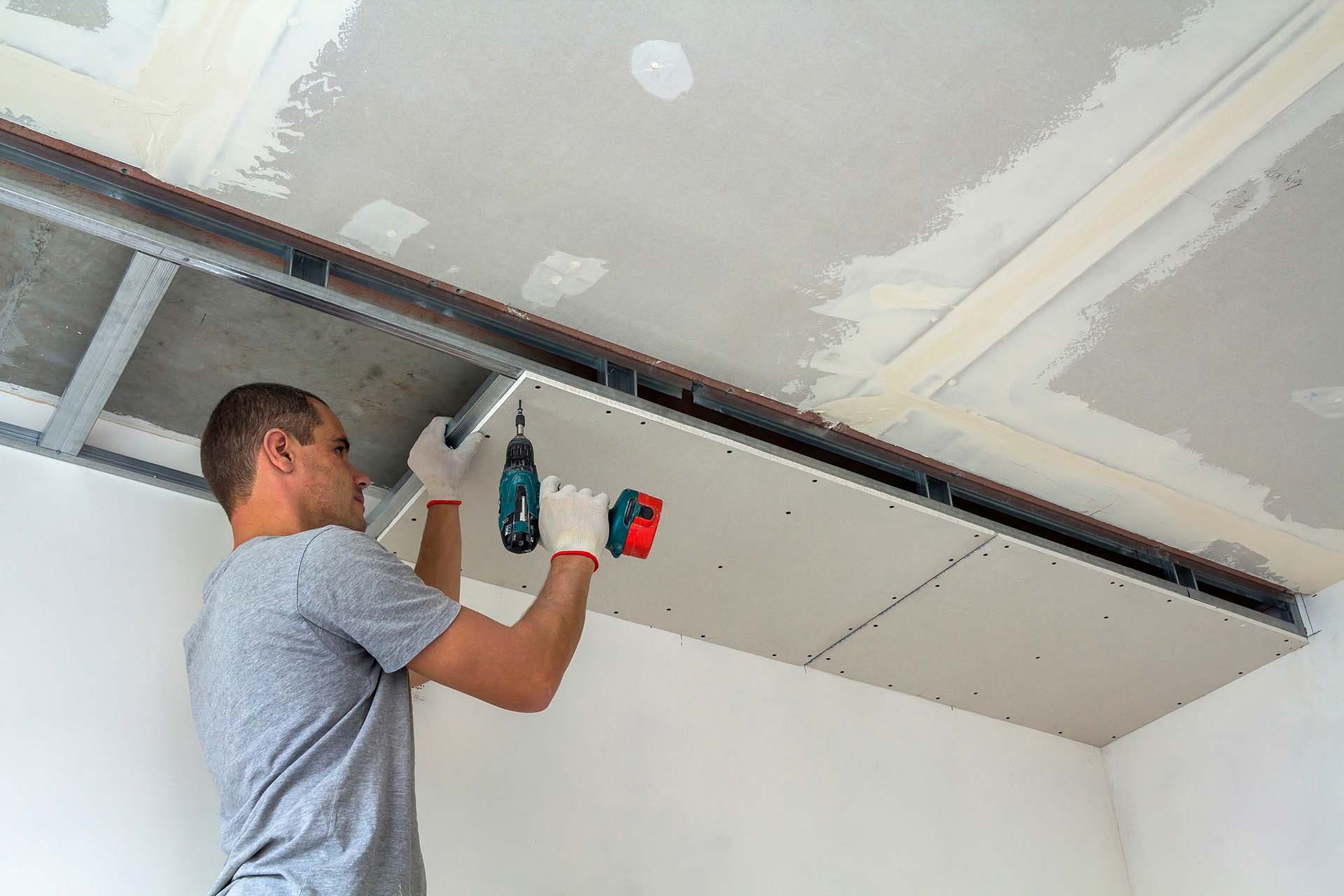
I have noticed that modern projects no longer accept “good enough” installation standards. Contractors now calculate screw spacing carefully because clients expect crack resistance, dimensional stability, and predictable wall performance for many years.
Drywall systems are becoming engineered assemblies instead of simple material combinations.
How Do I Calculate How Many Drywall Screws I Need?
To calculate drywall screws, divide the panel area by framing spacing and follow local screw spacing standards. A standard 4×8 drywall sheet usually needs 28–32 screws for walls and more for ceilings.
TRUSUS calculation insight: accurate screw planning improves both quality and cost control.

Drywall Screw Estimation Table
| Drywall Application | Typical Screw Count Per 4×8 Sheet | Common Spacing |
|---|---|---|
| Wall installation | 28–32 | 16 in framing |
| Ceiling installation | 36–40 | Closer spacing needed |
| Fire‑rated systems | 40+ | Based on code |
| High‑impact areas | Increased density | Reinforced edges |
Years ago, installers estimated screw usage by experience alone. Today, project managers demand exact material forecasts because labor scheduling, purchasing, and quality inspections all depend on measurable data.
This shift shows how drywall construction is moving from craftsmanship toward engineering management.
Modern building systems rely on predictability as much as physical strength.
What Are The Standard Flange Widths Of Steel Studs?
Standard steel stud flange widths are commonly 1‑1/4 inch, 1‑3/8 inch, and 1‑5/8 inch depending on wall system requirements. Wider flanges improve screw engagement and installation stability.
TRUSUS framing insight: flange standardization improves system compatibility.
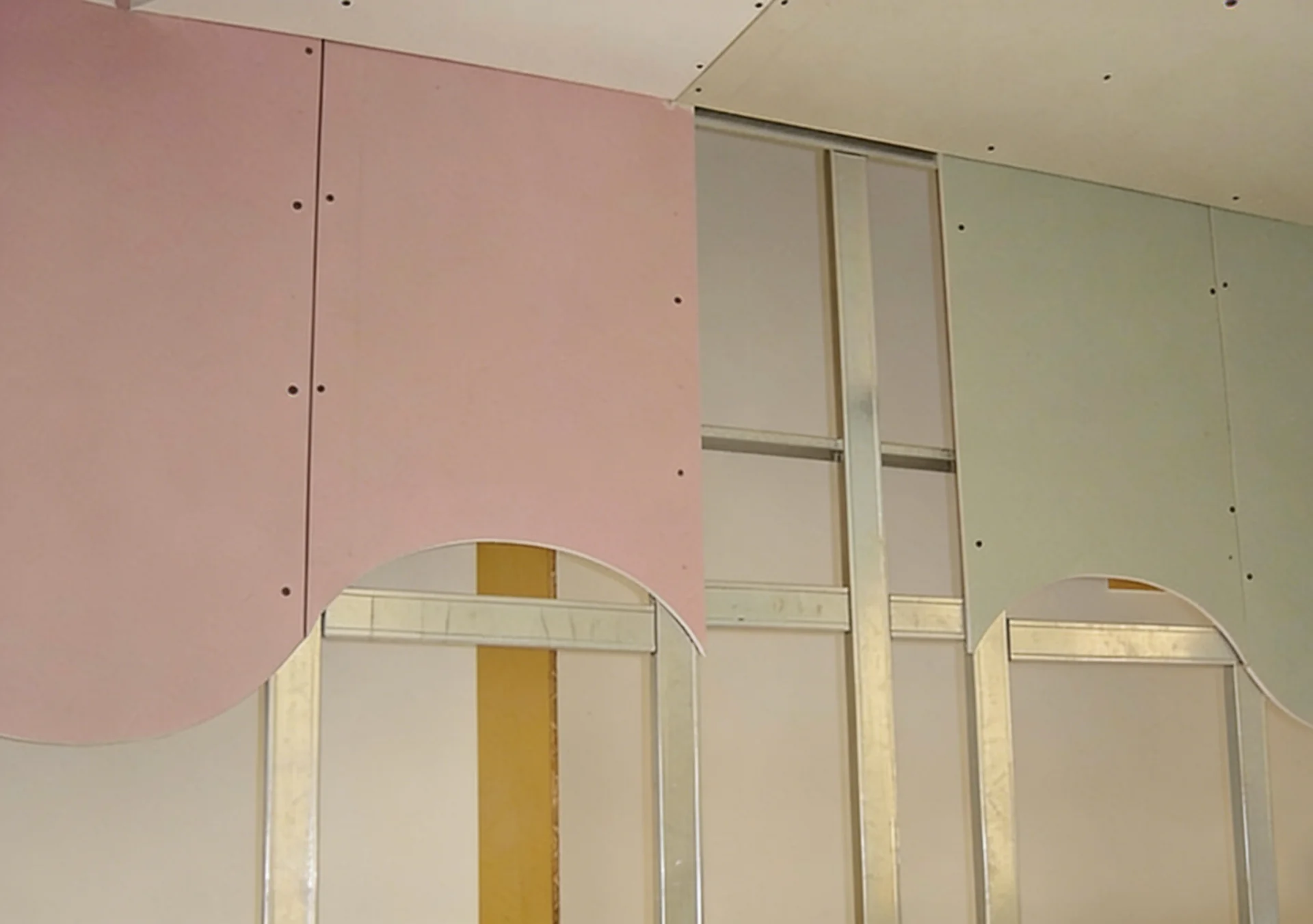
Common Steel Stud Flange Sizes
| Flange Width | Typical Use | Benefit |
|---|---|---|
| 1‑1/4 in | Light partitions | Cost efficiency |
| 1‑3/8 in | Standard interior walls | Balanced performance |
| 1‑5/8 in | High‑performance systems | Better screw holding |
Many customers once ignored flange dimensions completely. Now they ask detailed questions because they understand that drywall performance depends heavily on framing coordination.
Flange width affects:
- Screw positioning accuracy
- Edge support reliability
- Tool access during installation
- Compatibility between suppliers
I believe this reflects a larger industry change. Builders are no longer buying isolated products. They are buying integrated wall systems that must function together over long service periods.
Standardization does not simply reduce confusion. It creates dependable cooperation across the whole construction process.
What Is The Flange On A Steel Stud?
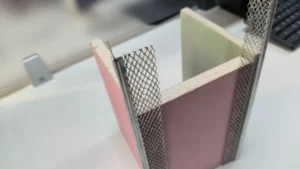
The flange on a steel stud is the side edge that provides screw attachment surfaces for drywall panels. It helps stabilize the framing system and distributes loads across the wall assembly.
TRUSUS structural insight: the flange is a small detail with major system impact.
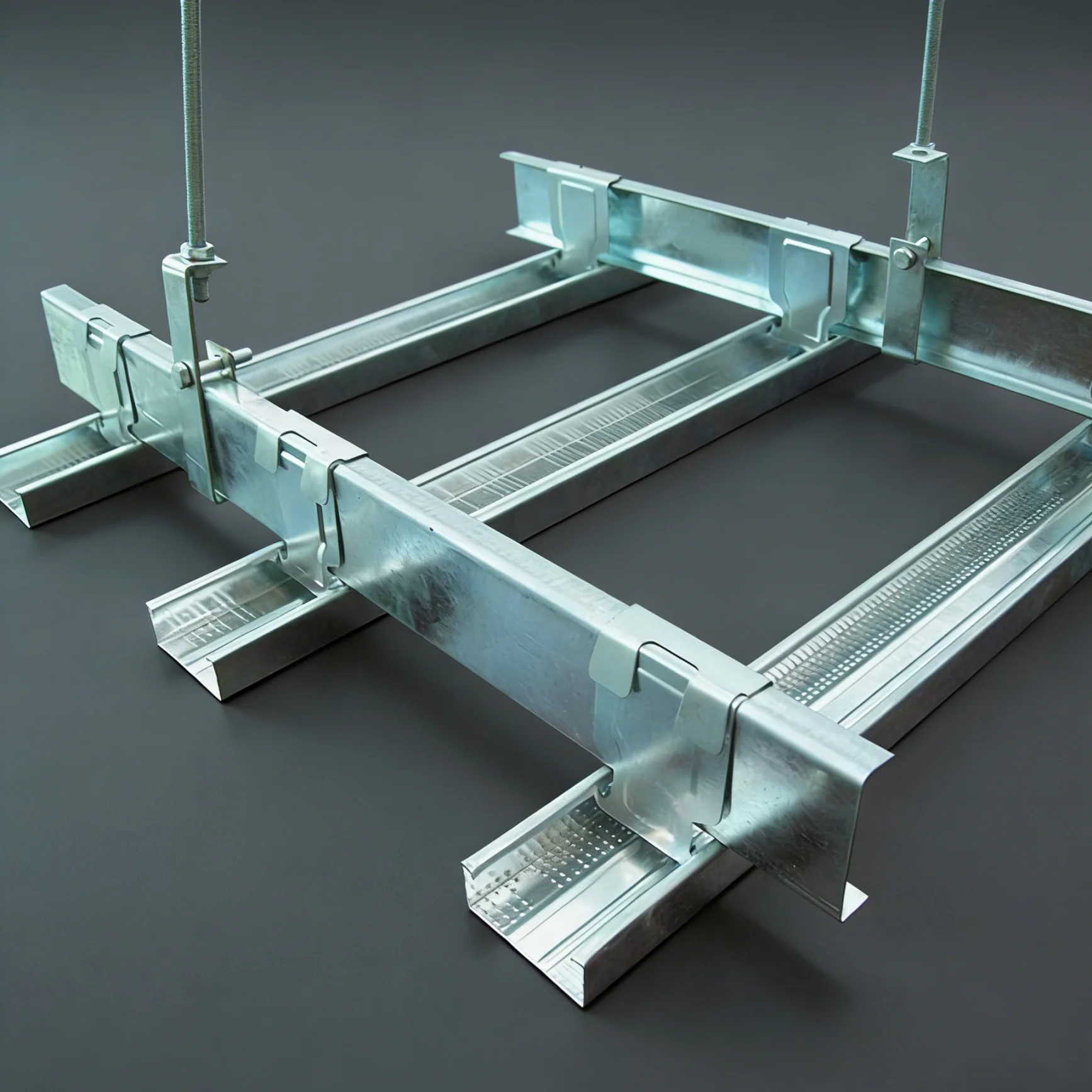
Steel Stud Component Overview
| Steel Stud Part | Function |
|---|---|
| Web | Main vertical structural section |
| Flange | Drywall fastening surface |
| Lip | Reinforces flange stiffness |
From a manufacturing perspective, the flange represents more than a geometric detail. It determines how accurately installers can position screws and how securely drywall edges remain supported over time.
Poor flange design can lead to:
- Screw miss rates
- Board edge cracking
- Reduced wall stiffness
- Slower installation speed
As buildings become more performance‑driven, these details matter far more than before.
The drywall industry is changing from product competition toward system coordination competition. Customers no longer evaluate boards alone. They evaluate the reliability of the entire wall structure.
That is why steel stud compatibility has become a critical part of drywall system engineering.
Conclusion
At TRUSUS, I see drywall installation evolving from simple material assembly into precision system management. Every screw count, flange width, and framing detail now reflects a larger demand for predictable, stable, and fully integrated wall performance.