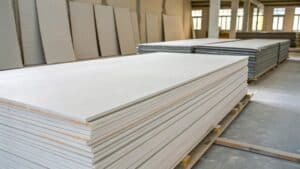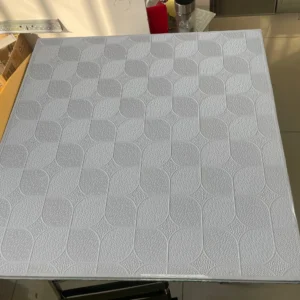


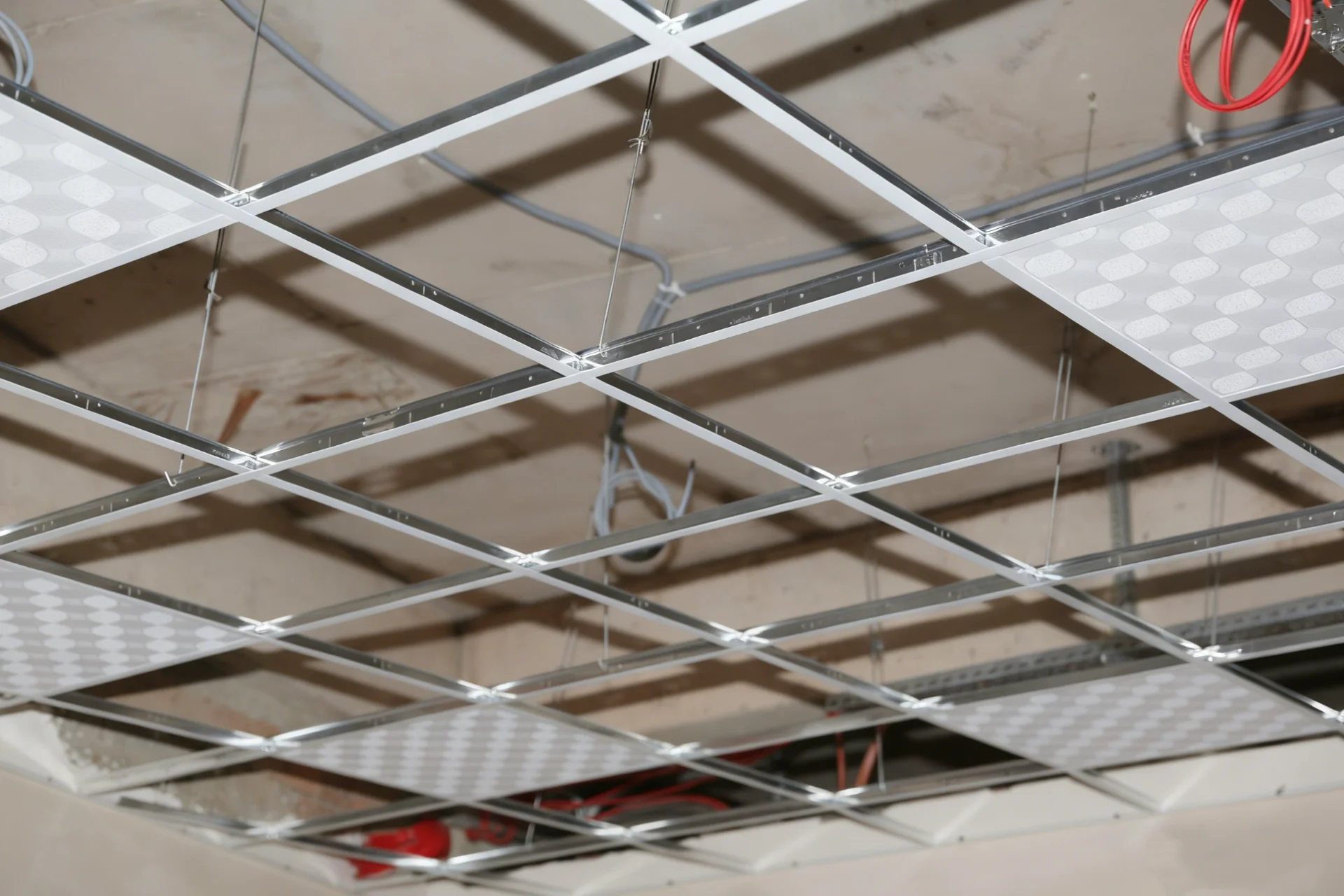
T-grid ceilings are easier to maintain. Each ceiling tile can be lifted or replaced independently, giving full access to wiring and mechanical systems above. Plasterboard ceilings are continuous surfaces, requiring cutting and refinishing for any repair access.
insight: maintenance ease comes from flexibility, not appearance.
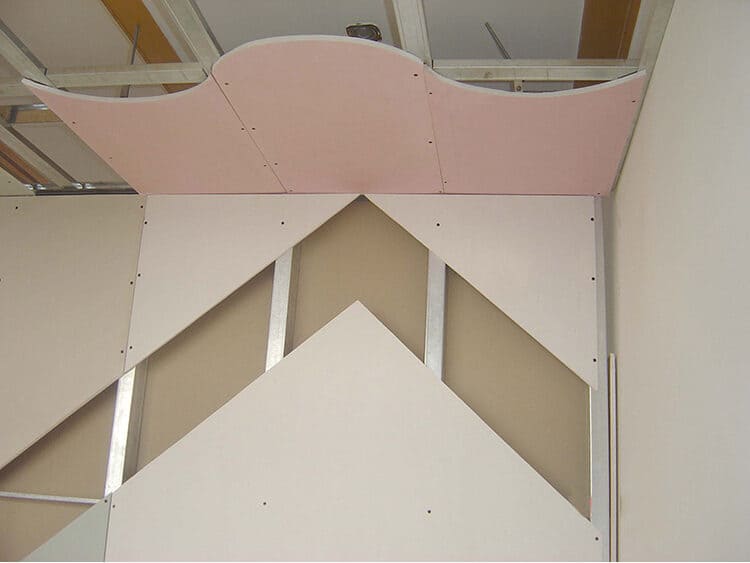
Ease of maintenance should match the space’s functional needs and lifecycle expectations.
What Is the Difference Between Grid and T-Bar Ceilings?
Grid and T-Bar ceilings refer to the same modular system using metal T-shaped suspension bars supporting ceiling tiles. They differ from plasterboard systems, which form continuous solid surfaces mounted directly on frames. The grid allows fast tile replacement, while plasterboard provides a seamless finish.
comparison insight: one favors access; the other favors aesthetics.
Ceiling System Comparison
| Feature | T-Grid Ceiling | Plasterboard Ceiling |
|---|---|---|
| Structure | Lightweight steel bars forming grids | Fixed gypsum boards on frames |
| Maintenance | Replace single tiles easily | Cut and patch for access |
| Appearance | Visible lines and modular look | Smooth, continuous surface |
| Installation speed | Fast modular setup | More labor, finishing required |
| Best for | Offices, hospitals, schools | Homes, luxury spaces |
System Logic Summary
| Attribute | Functional Emphasis | Aesthetic Emphasis |
|---|---|---|
| Grid system | Maintenance and efficiency | Minimal decoration |
| Plasterboard system | Visual continuity | Long-term atmosphere |
Industrial spaces need practicality; homes prefer visual calm.
Which Ceiling Is Best for a Home?
Plasterboard ceilings are best for homes. They give a clean, smooth finish, better acoustic control, and can be molded into decorative shapes. Their low maintenance frequency suits residential stability. T-grid ceilings work better in offices and commercial settings where frequent upkeep is needed.
design insight: home comfort values continuity and emotional warmth.
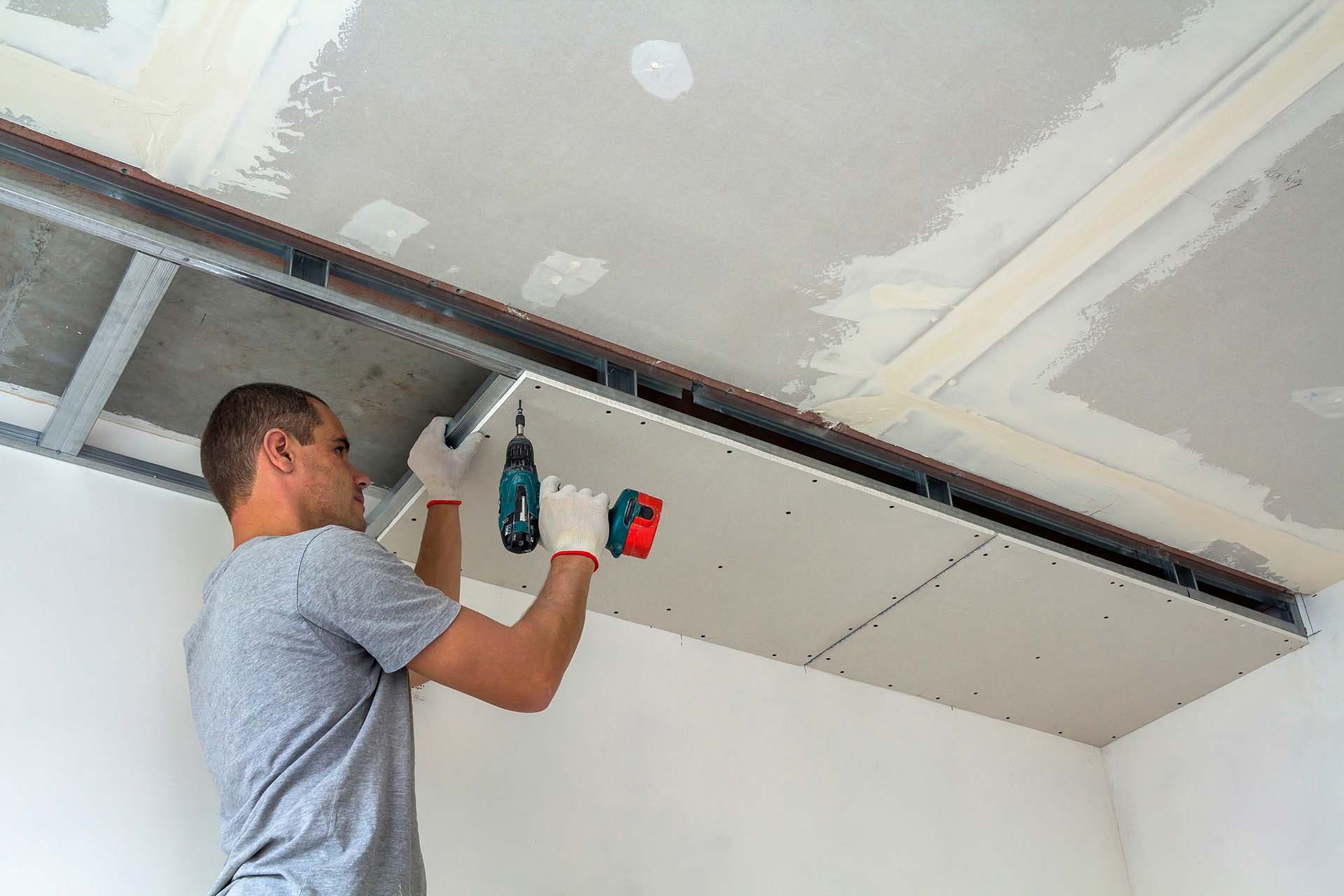
Home Ceiling Choice Guide
| Space Type | Recommended Ceiling | Reason |
|---|---|---|
| Living Room | Plasterboard | Seamless look, supports lighting design |
| Kitchen / Utility | PVC Tile on T-Grid | Easy cleaning and moisture resistance |
| Bedroom | Plasterboard | Acoustic and aesthetic balance |
| Office corner | Grid ceiling | Access to wiring and ventilation |
Design Freedom Perspective
| Feature | Plasterboard Advantage |
|---|---|
| Forms recessed lights easily | |
| Supports insulation and sound panels | |
| Enables creative 3D shapes |
Homes value emotion; design detail expresses lifestyle.
How Long Does a Grid Ceiling Last?
A grid ceiling usually lasts 20–25 years, depending on humidity control and material quality. Metal T-bars have a long structural lifespan; ceiling tiles may need replacement every decade. Proper sealing and anti-rust coatings extend service life significantly.
durability insight: maintenance routine defines the ceiling’s lifetime, not the product alone.

Grid Ceiling Longevity Overview
| Component | Average Lifespan | Maintenance Action |
|---|---|---|
| Metal grid frame | 25+ years | Inspect for rust annually |
| Ceiling tiles | 10–15 years | Replace discolored or sagging pieces |
| Suspension wires | 20 years | Check tension stability |
Environmental Impact Table
| Factor | Effect | Prevention |
|---|---|---|
| High humidity | Tile warping | Use PVC laminated tiles |
| Roof leakage | Rust formation | Apply anti-corrosion coat |
| Frequent access | Wear on corners | Reinforce grids in service zones |
Longevity comes from stable installation and consistent upkeep.
Conclusion
T-grid ceilings win on maintenance simplicity and system access; plasterboard ceilings excel in integrated aesthetics and long-term comfort. Each serves different user needs through different lifecycle logics. At TRUSUS, we believe true ceiling design isn’t only about materials—but about balancing beauty, function, and maintenance efficiency for every space.