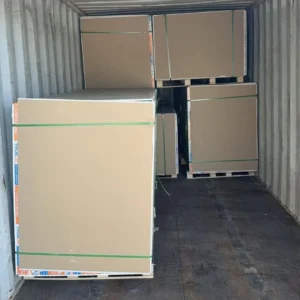


Many consider plasterboard a perfect wall solution, but limitations exist in specific applications. Through years of gypsum board manufacturing and application consulting, I learned that understanding plasterboard limitations helps select appropriate applications while proper system design and installation techniques can minimize disadvantages through moisture-resistant variants, reinforcement methods, and quality installation practices for optimal performance.
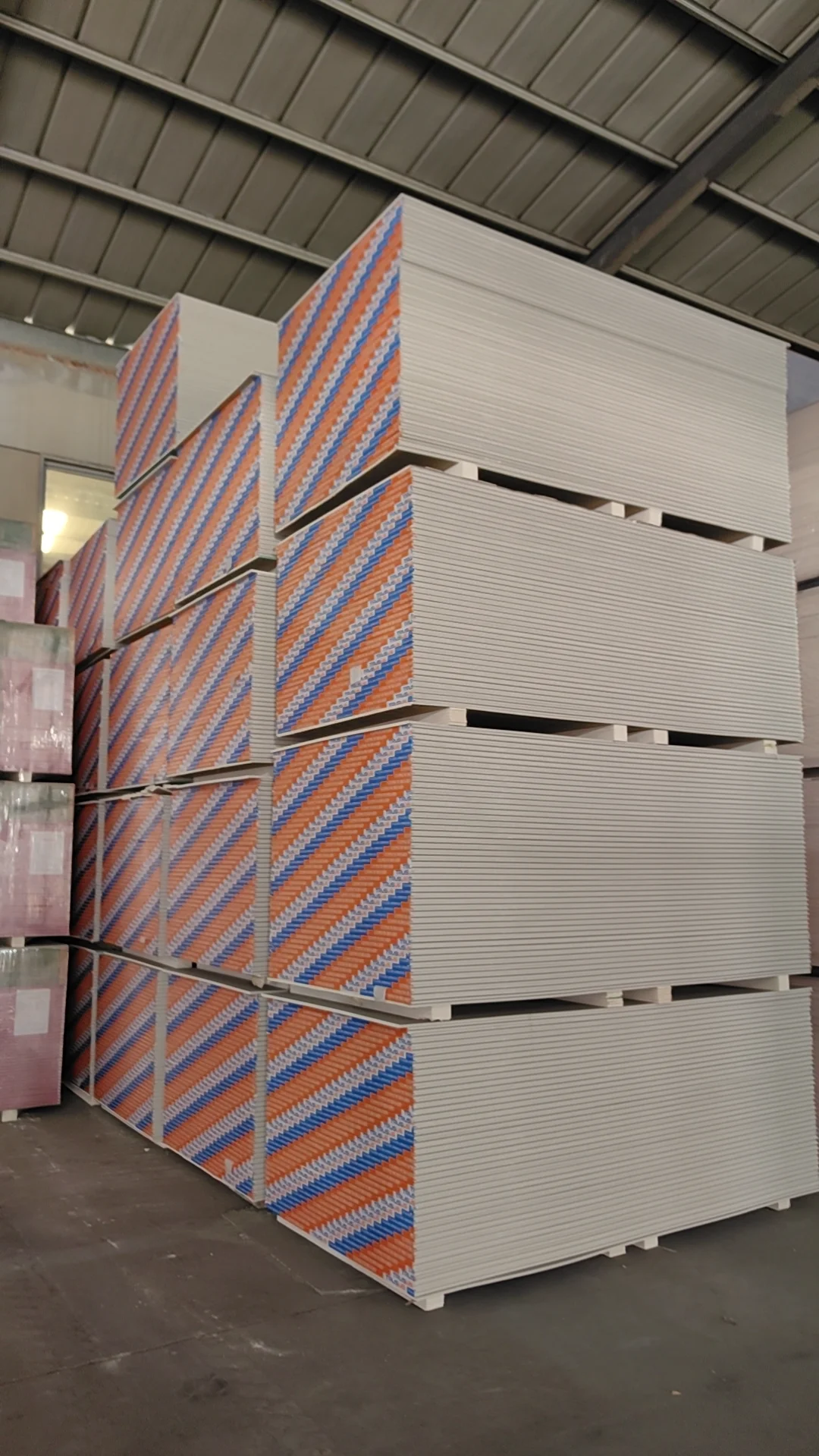
Why Use Plasterboard Instead of Wood?
Understanding plasterboard advantages over wood helps optimize construction material selection. Plasterboard versus wood comparison involves fire safety, dimensional stability, installation efficiency, and cost considerations that determine appropriate material choice for interior construction applications requiring systematic evaluation of performance factors.
Use plasterboard instead of wood for superior fire resistance, dimensional stability without warping, faster installation with consistent quality, better acoustic performance, lower material costs, and reduced maintenance requirements while providing smooth surfaces ideal for modern finishing systems and meeting contemporary building codes.
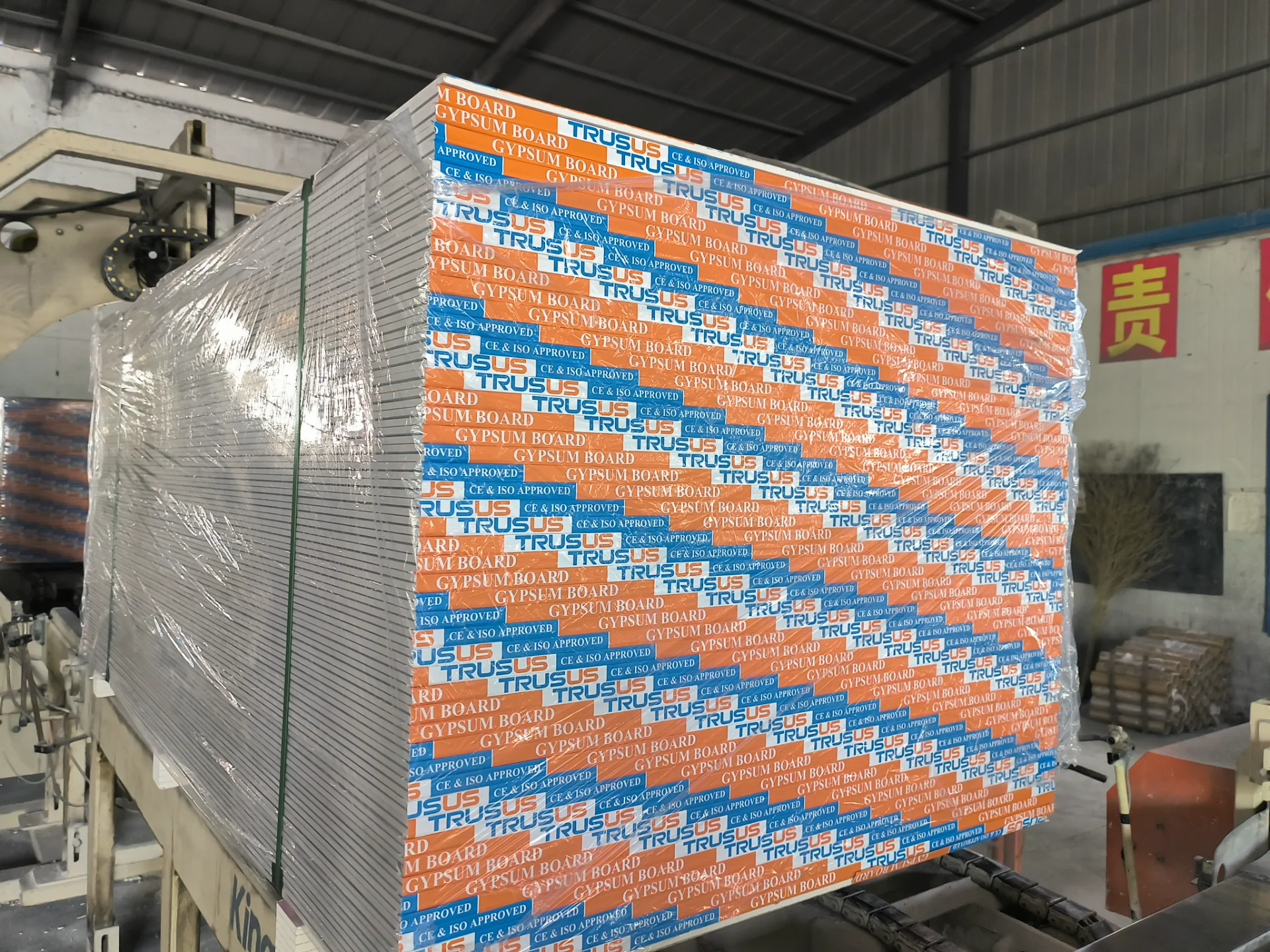
Comprehensive Plasterboard versus Wood Analysis and Selection Criteria
Plasterboard offers distinct advantages over wood in modern construction through superior performance characteristics and system benefits that address contemporary building requirements. During my experience working with material selection and performance optimization, I learned that plasterboard represents an evolution from traditional wood-based construction toward engineered systems that provide predictable performance and enhanced safety.
Fire safety represents a critical advantage with plasterboard providing inherent fire resistance through gypsum's chemical properties that release water vapor when heated, slowing fire spread while wood combusts readily and contributes to fire propagation.
Dimensional stability eliminates wood's natural expansion, contraction, and warping issues that cause cracks and joint failure while plasterboard maintains consistent dimensions across temperature and humidity variations.
Installation efficiency shows plasterboard systems enabling faster construction with predictable schedules while wood installation requires more skilled carpentry and longer completion times for equivalent wall areas.
Acoustic performance demonstrates plasterboard's superior sound transmission control through mass and damping properties while wood panels typically provide less effective noise reduction in wall assemblies.
Surface quality provides smooth, consistent finishes ideal for paint and wallpaper applications while wood requires additional preparation and finishing steps to achieve comparable surface smoothness.
Cost advantages include lower material costs, reduced labor requirements, and faster project completion that provide economic benefits throughout construction while maintaining quality standards.
Moisture management shows specialized moisture-resistant plasterboard variants outperforming standard wood in humid environments while maintaining structural integrity and mold resistance.
System integration allows plasterboard compatibility with insulation, electrical, and mechanical systems through standardized installation methods while wood framing may complicate system integration.
Quality consistency eliminates wood's natural defects, grain variations, and strength differences through manufactured uniformity that ensures predictable performance across entire installations.
Environmental considerations include sustainable gypsum sourcing and recycling capabilities while reducing demand for forest products through engineered alternatives.
| Comparison Factor | Plasterboard Advantage | Wood Limitation | Performance Impact |
|---|---|---|---|
| Fire Safety | Inherent resistance | Combustible material | Critical safety factor |
| Gypsum properties | Water vapor release | Fire contribution | Code compliance |
| Fire ratings | Certified performance | Variable resistance | Insurance considerations |
| Dimensional Stability | Consistent performance | Natural movement | Long-term reliability |
| No warping | Stable installation | Cracking potential | Maintenance reduction |
| Humidity resistance | Predictable behavior | Seasonal changes | Quality preservation |
| Installation Efficiency | Faster completion | Skilled carpentry needs | Project economics |
| Standardized methods | Consistent quality | Variable craftsmanship | Schedule predictability |
| System compatibility | Integrated approach | Complex coordination | Construction simplification |
| Surface Quality | Smooth finish ready | Preparation required | Finishing efficiency |
| Paint compatibility | Optimal adhesion | Surface variations | Aesthetic consistency |
| Texture options | Manufactured variety | Natural limitations | Design flexibility |
| Cost Performance | Economic advantages | Higher total costs | Budget optimization |
| Material pricing | Competitive rates | Premium wood costs | Initial investment |
| Labor efficiency | Reduced installation time | Skilled requirements | Project economics |
What is Cheaper, Plywood or Plasterboard?
Understanding material cost comparison helps optimize construction budgets. Plywood versus plasterboard pricing involves material costs, installation labor, and long-term value considerations that affect total project economics while varying by application, quality grade, and regional market factors influencing selection decisions.
Plasterboard is generally cheaper than plywood with material costs ranging $0.50-1.50 per square foot compared to plywood's $1.50-4.00 per square foot, plus plasterboard offers faster installation reducing labor costs while providing better fire safety and surface finish quality for interior wall applications.
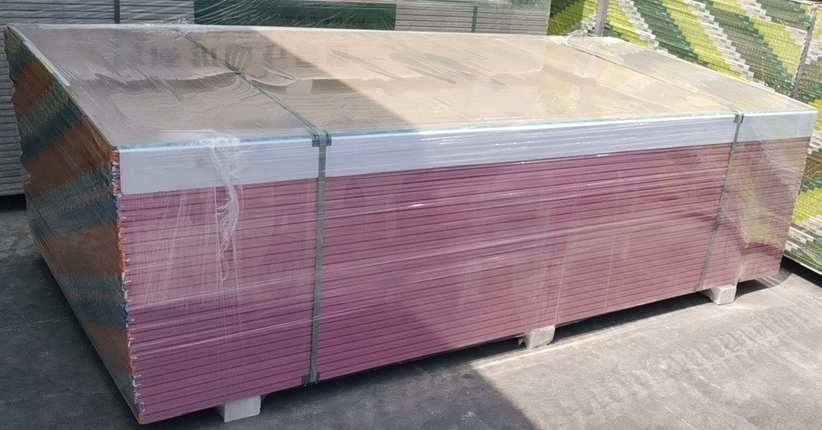
Why Do People Use Drywall Instead of Plywood?
Understanding drywall preference over plywood helps explain modern construction evolution. Drywall versus plywood selection involves performance advantages, code requirements, and construction efficiency factors that drive material preferences in contemporary building while addressing specific application requirements and quality expectations.
People use drywall instead of plywood for superior fire safety meeting building codes, faster installation reducing construction time, better surface quality for finishing, improved acoustic performance, lower costs, and easier repair while plywood serves better in structural applications requiring higher strength and moisture resistance.
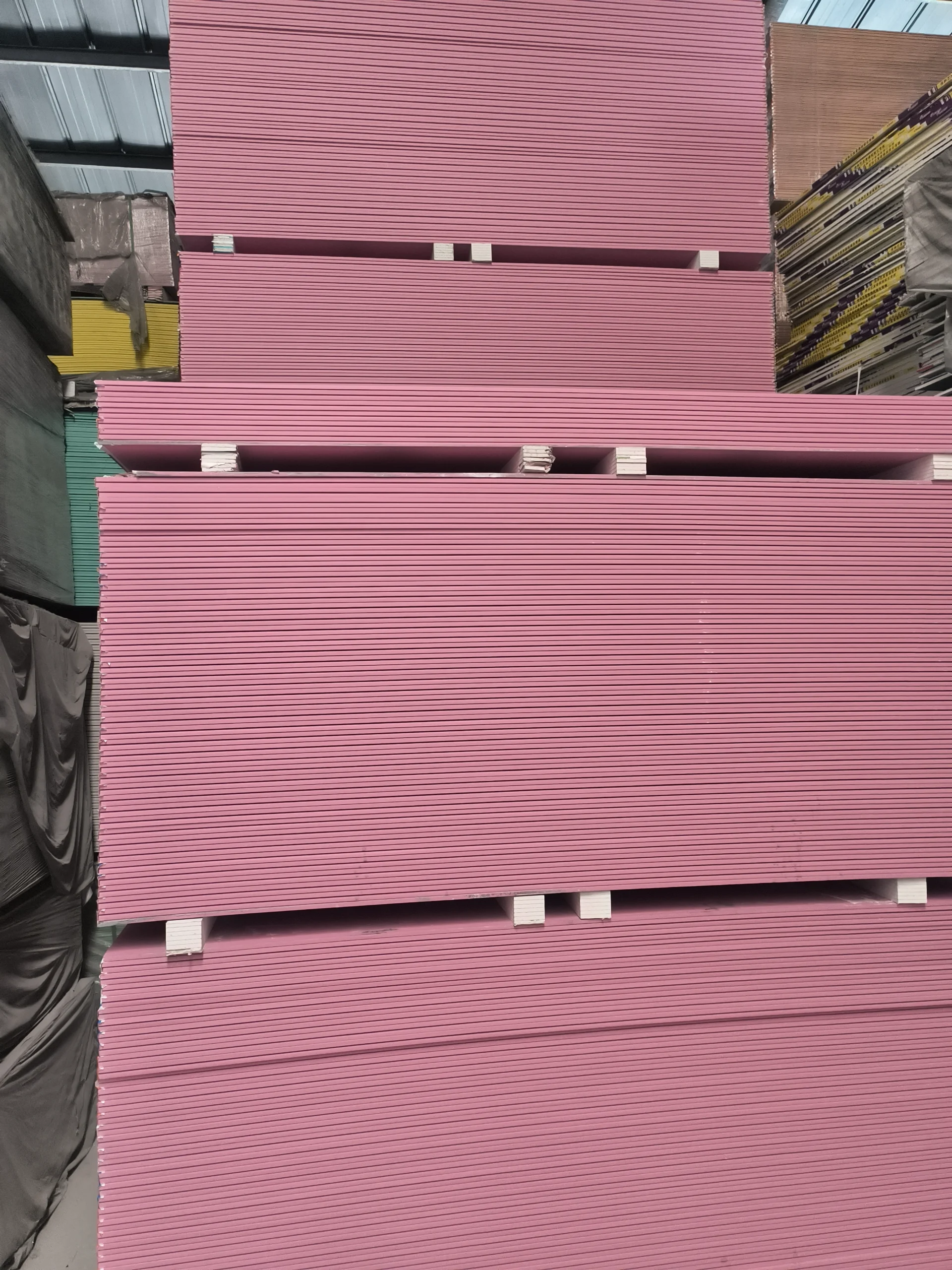
Comprehensive Drywall Selection Analysis and Market Preferences
Drywall preference represents construction industry evolution toward engineered systems that provide superior performance in interior applications while addressing modern building requirements and user expectations. During my experience working with construction market analysis and material selection trends, I learned that drywall adoption reflects broader shifts toward safety, efficiency, and quality in building construction.
Building code compliance drives drywall selection through fire safety requirements that favor gypsum-based systems over combustible wood products while meeting life safety standards and insurance requirements.
Construction efficiency demonstrates drywall's advantages through faster installation, standardized methods, and reduced skill requirements that accelerate project schedules while maintaining consistent quality across installations.
Surface finish quality shows drywall providing smooth, uniform surfaces ideal for paint and decorative applications while eliminating wood grain patterns and natural defects that complicate finishing work.
Fire performance represents a critical factor with drywall's inherent fire resistance through gypsum chemistry that releases water vapor when heated while plywood combusts and contributes to fire spread.
Acoustic benefits include mass and damping properties that provide superior sound transmission control compared to plywood panels while improving occupant comfort and privacy.
Cost economics favor drywall through lower material costs, reduced installation time, and finishing efficiency that provide economic advantages throughout construction while maintaining performance standards.
Repair capabilities show drywall enabling easier damage repair through patching techniques while plywood repairs often require panel replacement affecting cost and convenience.
System integration allows drywall compatibility with modern electrical, plumbing, and HVAC systems through standardized installation methods while simplifying construction coordination.
Market availability demonstrates widespread drywall distribution and contractor familiarity that support reliable supply chains while ensuring skilled installation crews in most markets.
Quality consistency eliminates natural material variations through manufactured uniformity that ensures predictable performance and appearance across entire projects.
| Selection Factor | Drywall Advantage | Plywood Limitation | Market Impact |
|---|---|---|---|
| Building Codes | Fire safety compliance | Combustible concerns | Regulatory requirements |
| Life safety standards | Inherent protection | Additional treatments | Code approval |
| Insurance requirements | Risk reduction | Premium implications | Economic considerations |
| Installation Efficiency | Faster completion | Complex carpentry | Schedule advantages |
| Standardized methods | Consistent quality | Skill dependencies | Labor availability |
| System compatibility | Integrated approach | Coordination challenges | Construction simplification |
| Surface Quality | Finish-ready surfaces | Preparation requirements | Aesthetic advantages |
| Paint compatibility | Optimal results | Variable substrates | Quality consistency |
| Smooth uniformity | Professional appearance | Natural variations | Market expectations |
| Performance Benefits | Multi-factor advantages | Single-purpose focus | Value proposition |
| Fire resistance | Safety enhancement | Treatment needs | Risk management |
| Acoustic control | Sound management | Limited performance | Comfort improvement |
| Economic Factors | Cost optimization | Higher expenses | Budget considerations |
| Material pricing | Competitive rates | Premium costs | Project economics |
| Installation speed | Labor efficiency | Time requirements | Schedule impact |
| Market Preferences | Industry standard | Specialized applications | Professional choice |
| Contractor familiarity | Widespread adoption | Niche expertise | Installation quality |
| Supply availability | Reliable distribution | Variable supply | Project reliability |
Conclusion
Plasterboard advantages include provide superior fire safety, dimensional stability, and cost advantages over wood materials, plasterboard costs significantly less than plywood at $0.50-1.50 versus $1.50-4.00 per square foot while offering faster installation, and people choose drywall over plywood for building code compliance, construction efficiency, better surface quality, and economic advantages in interior applications.