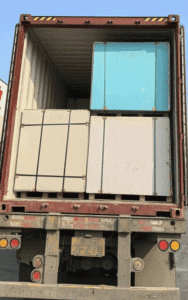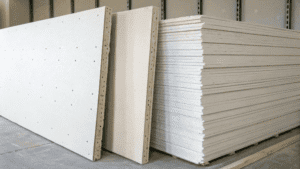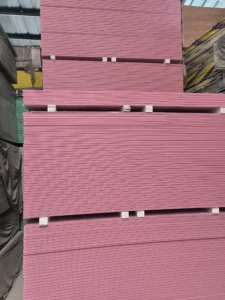


Many builders compare lightweight drywall and regular drywall assuming only weight changes, but the real difference lies in composition engineering that improves strength, handling, and sustainability without lowering overall performance and durability.
Lightweight drywall differs from regular drywall through modified gypsum formulation using micro-foam technology and fiber reinforcement that reduces up to 25% of weight while maintaining structural integrity, fire resistance, and surface hardness for both wall and ceiling applications.
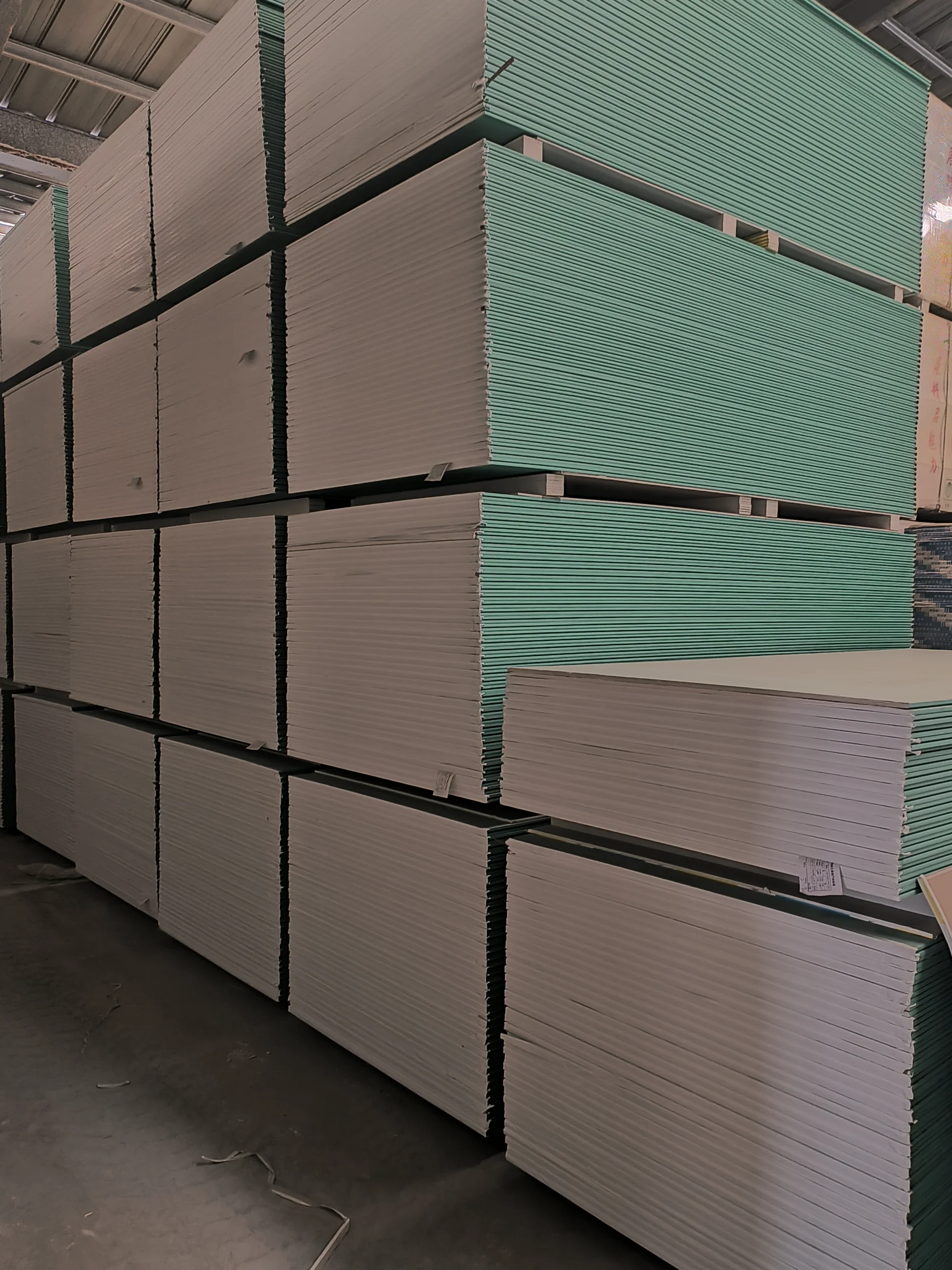
Over years of working in gypsum board manufacturing, I have seen lightweight drywall evolve from a simplified weight alternative into a performance-optimized system component balancing efficiency, safety, and construction economy across modern interior projects.
Can You Use Lightweight Drywall on Walls?
Contractors often ask whether lightweight drywall is suitable for wall construction or limited to ceiling use. The practicality depends on panel strength under vertical load and surface finish capability meeting design and durability expectations.
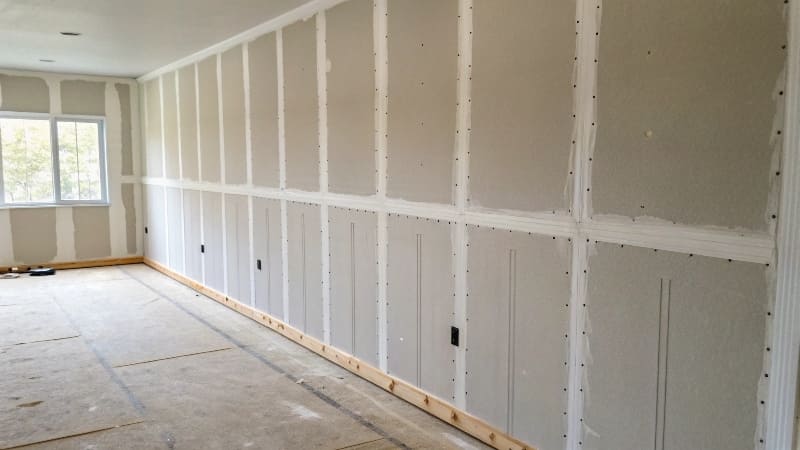
Lightweight drywall can be used on walls with standard framing spacing as it meets structural strength and impact requirements equal to regular drywall. Its lower weight makes installation faster while maintaining stability for painting, taping, and finishing.
Structural Suitability and Application Performance
Lightweight drywall’s growing popularity in walls comes from its improved structural core and resistance to deformation during installation. While many initially limited its use to ceilings, field testing confirms comparable durability against impact and load-bearing behavior under standard interior conditions.
Structural stability derives from optimized gypsum crystal structure with lightweight additives maintaining the same compressive and flexural strength as regular drywall within tolerance defined by ASTM standards.
Reduced board mass decreases handling effort and risk of installer fatigue while supporting precise alignment, reduced joint cracking, and minimized screw tearing through controlled density variations.
Surface integrity supports painting and textured finishing without surface sagging, providing identical surface smoothness and adhesion compatibility to traditional gypsum materials.
Performance results show equal fire resistance ratings when installed according to manufacturer guidelines. Lightweight drywall retains fireproof core features inherent in gypsum chemistry releasing water vapor under heat conditions.
Sustainability advantage arises through energy-efficient transport, reduced fuel consumption, and increased yield per shipment improving environmental performance metrics across large-scale construction logistics.
| Property | Lightweight Drywall | Regular Drywall | Wall Use Evaluation |
|---|---|---|---|
| Weight per Board | 20–25% lighter | Standard | Easier handling |
| Strength | Comparable | Proven standard | Suitable |
| Fire Rating | Equal | Certified type X | Same |
| Surface Finish | Smooth | Smooth | Equal |
| Impact Resistance | Slightly lower, within standard | High | Acceptable |
| Installation Effort | Reduced | Moderate | Enhanced efficiency |
| Handling Safety | Easier, less strain | Heavier | Safer for crews |
| Sustainability | Lower transport footprint | Neutral | Advantageous |
Is There a Lightweight Drywall?
Many assume lightweight drywall is simply marketing terminology, but manufacturing technology validates its distinction as a material class. It combines performance, safety, and environmental efficiency through advanced material science adaptation.
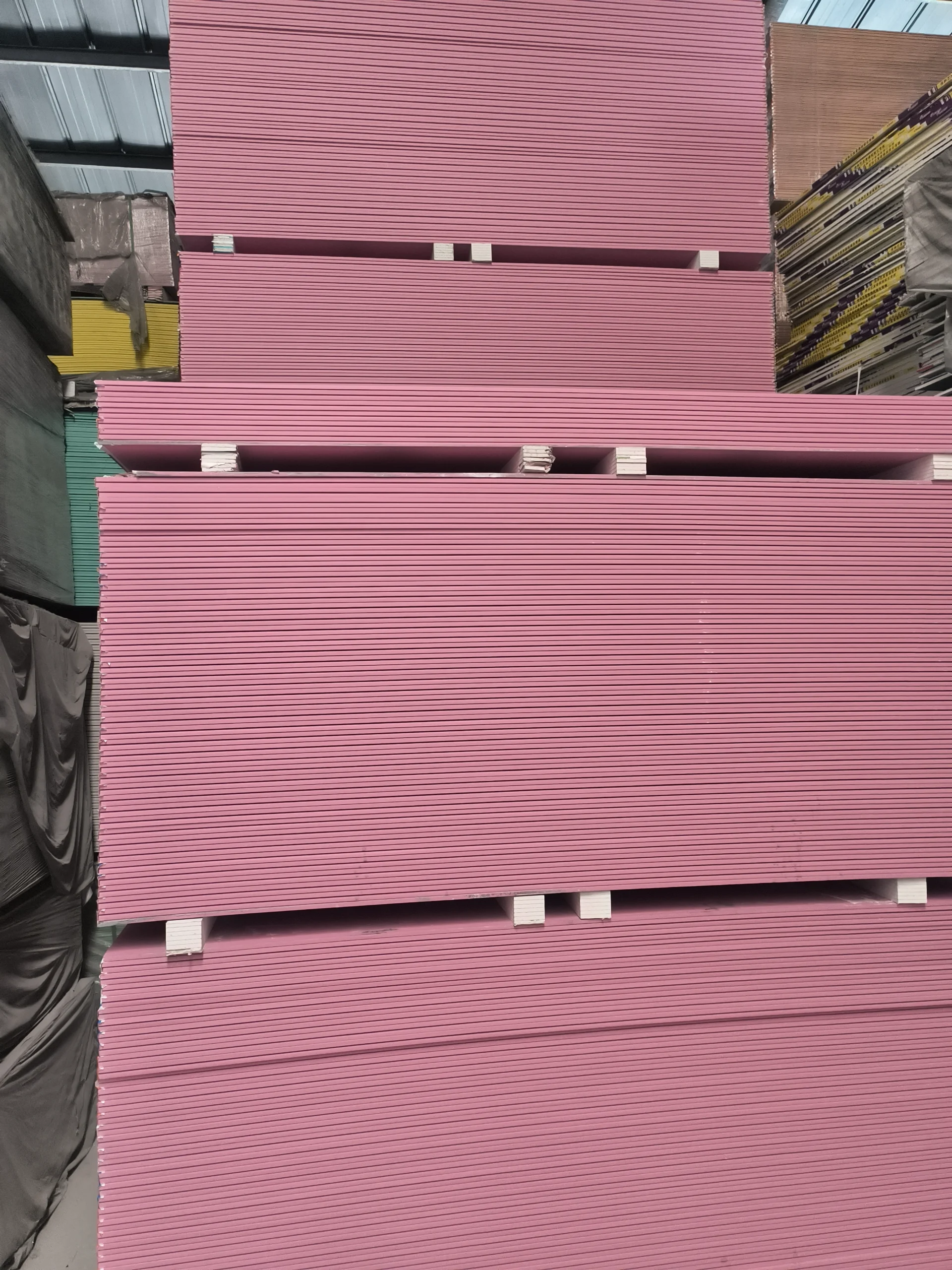
Yes, lightweight drywall exists as a certified building product made using modified gypsum core composition introducing microscopic air cells and reinforcing fibers that reduce weight by up to one-quarter while achieving comparable mechanical and fire performance.
Scientific and Manufacturing Basis
Lightweight drywall manufacturing reflects the evolution of gypsum board technology emphasizing material efficiency without compromising structural reliability. Through direct participation in product development, I’ve seen how formulation innovation creates lighter yet equally durable drywall alternatives.
Composition optimization uses gypsum slurry modified with foaming agents distributing micro-bubbles evenly throughout the matrix achieving weight reduction through controlled density rather than material removal.
Fiber reinforcement increases flexural strength compensating for density loss while maintaining rigidity and crack resistance during installation and service conditions.
Performance testing follows international standards ensuring lightweight variants meet mechanical and fire safety benchmarks identical to standard gypsum boards achieving similar load and performance capacities per ASTM C1396 specification.
Manufacturing benefits include reduced raw material transportation weight improving energy efficiency while increasing overall plant output capacity per batch due to decreased material density.
Environmental impact decreases since lightweight boards travel further per shipment cutting overall CO₂ emissions during regional distribution—a significant advantage supporting sustainable construction objectives.
Site operations benefit from simplified manual handling decreasing installer fatigue, risk of injury, and drywall drop damage while improving installation speed across large-scale residential and commercial projects.
| Property Category | Lightweight Drywall Specification | Performance Outcome |
|---|---|---|
| Core Material | Modified gypsum foam blend with fibers | Density reduction |
| Average Weight Reduction | 20–25% less | Easier handling |
| Flexural Strength | ≥ Standard drywall | Maintains integrity |
| Fire Rating | Type X equivalent | Complies with code |
| Environmental Impact | Reduced shipping CO₂ | Sustainability gain |
| Handling & Safety | Lightweight per sheet | Less physical strain |
| Application Compatibility | Walls, ceilings, partitions | Universal use |
| Durability | Long-term stable | Reliable over lifespan |
Is Gypsum Board the Same as Drywall?
Many customers hear both terms but remain uncertain whether drywall and gypsum board describe the same material. The distinction lies mostly in terminology across different markets rather than structure or use.
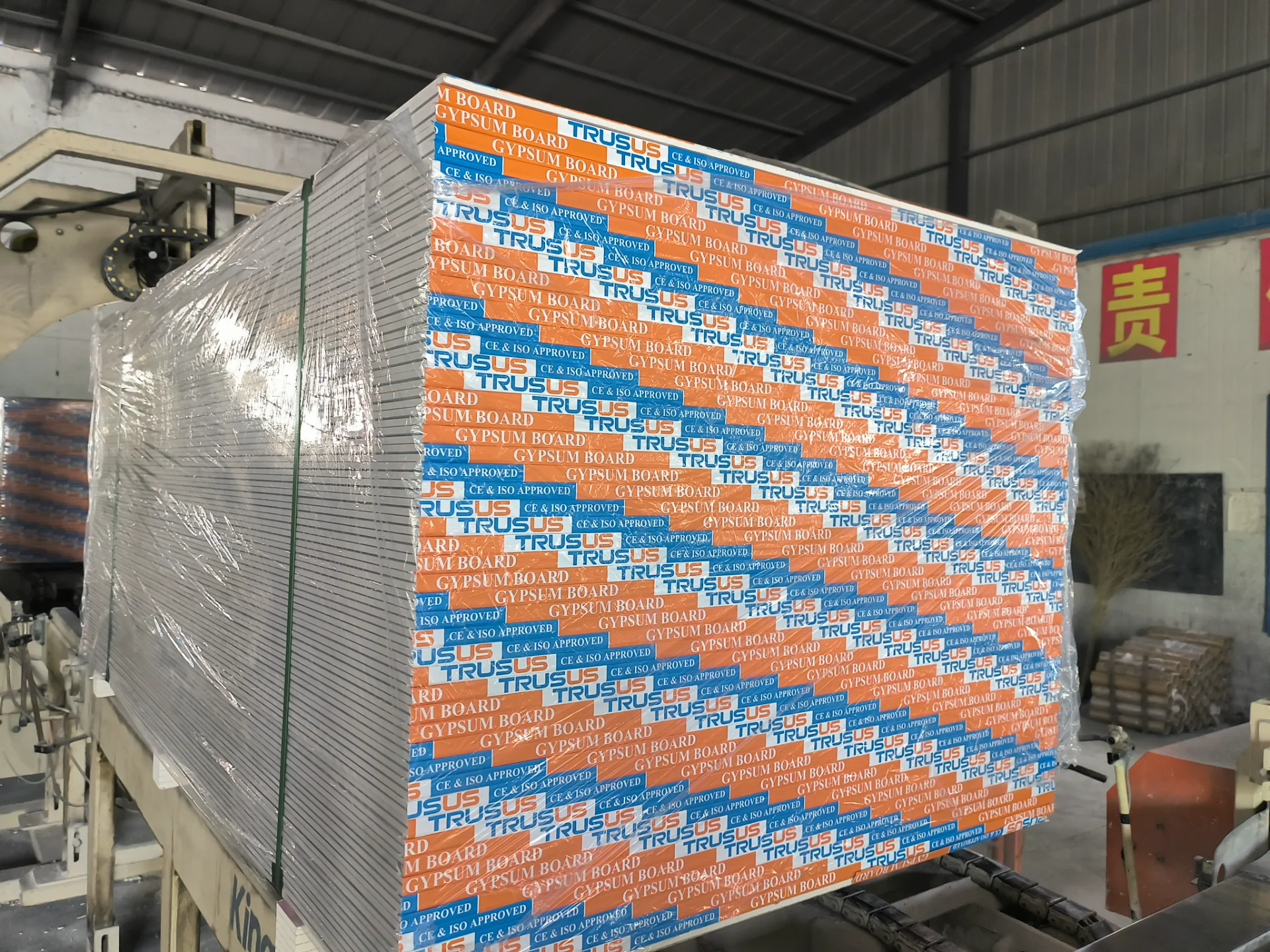
Yes, gypsum board and drywall refer to the same product — a panel made of a non-combustible gypsum core encased in paper surfacing used for walls and ceilings. "Drywall" is the North American name, while “gypsum board” is its international technical term.
Naming Origins and Market Understanding
Gypsum board, plasterboard, and drywall all describe panels based on the same gypsum core composition. In years of international trade, I learned the terminology typically shifts with market geography and professional culture rather than material structure.
Gypsum Board is the industry’s technical term widely used by manufacturers, architects, and engineers referring to plaster-based panel systems for interior lining and ceiling applications.
Drywall derives from installation methods replacing traditional wet plaster construction systems. It emphasizes the “dry” process involving screw and tape assembly without plaster curing time.
Plasterboard remains common in Europe and parts of Asia, aligning with the same gypsum core design indicating its composition rather than manufacturing method.
Chemically and physically, all these names represent identical structures—gypsum (CaSO₄·2H₂O) core with thick paper liners providing surface integrity, fire resistance, and acoustic performance.
Fire resistance stems from embedded water molecules substituting as an internal fire-suppression mechanism releasing steam under high temperature, making drywall non-combustible compared to wood panels.
Environmental benefits include natural mineral sourcing, recyclability, and lower embodied energy consumption supporting green building objectives across international construction standards.
| Term | Common Region | Material Composition | Application Context |
|---|---|---|---|
| Gypsum Board | International | Gypsum core + paper facing | Technical catalogs |
| Drywall | North America | Same | Construction industry |
| Plasterboard | Europe/Asia | Same | Residential and commercial walls |
| Wallboard | General | Same | Marketing usage |
| Sheetrock (brand) | US Trademark | Same composition | Branded drywall |
| Fire-Rated Board | Global | Gypsum + additives | Safety walls |
| Moisture-Resistant Board | Global | Gypsum + silicon treatment | Wet areas |
| Acoustic Gypsum Board | Global | Gypsum + perforations | Sound insulation |
Conclusion
Lightweight drywall differs from regular drywall through improved core formulation reducing weight while maintaining strength; it’s fully usable on walls, exists as a certified modern product, and shares identical composition with gypsum board—confirming that drywall, gypsum board, and plasterboard all refer to the same engineered material designed for efficiency, strength, and sustainable construction.