

When people hear "light steel keel," they often think of heavy shipbuilding steel. This confusion can lead to costly mistakes in construction.
A light steel keel structure is a building framework made from cold-formed thin-walled steel, typically 0.5mm to 3mm thick, designed for lightness, strength, and ease of installation.

Many still confuse light steel structures with heavy industrial steel. I have met clients wanting "ship-grade" steel for their homes, believing it is stronger. That is a misunderstanding that can waste money and effort.
What is a steel keel?
It sounds like the steel keel used in shipbuilding might be the same as the one in buildings. This is where the confusion begins.
A steel keel in shipbuilding is the main supporting beam along the bottom of a vessel, made from heavy steel several centimeters thick, to resist strong forces at sea.

The ship's keel is designed for extreme conditions: waves, pressure, and long-term corrosion. It is solid and heavy, often weighing many tons.
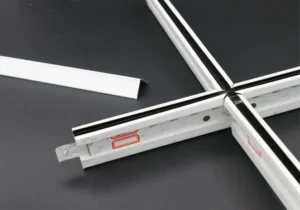
In contrast, the "steel keel" in building construction refers to a profile made from cold-formed steel, much thinner and lighter. Below is a simple comparison:
| Feature | Ship Steel Keel | Building Light Steel Keel |
|---|---|---|
| Material | Heavy hot-rolled steel | Cold-formed thin steel |
| Thickness | Several centimeters | 0.5mm - 1.2mm |
| Purpose | Ship backbone | Wall or ceiling framing |
| Weight | Very heavy | Light and easy to handle |
| Installation | Welded and fixed | Screwed or clipped |
I once met a homeowner who wanted marine-grade steel for a ceiling frame. My advice was simple: "You don’t need a battleship in your living room." The right material for the right job is always best.
What is a light steel structure?
Everywhere in modern construction, we see lighter, faster, and more sustainable materials. Light steel structures are a big part of this shift.
A light steel structure is a construction framework made from cold-formed thin-walled steel, usually 0.75mm to 3mm thick, used in walls, roofs, and floors of buildings.

Light steel structures are not just "thin" steel; they are designed using science. The shape of the profiles (like C or U channels) increases strength without adding weight. This saves materials and cost, but still meets safety codes.
For example, in residential interiors, 0.8mm to 1.0mm usually meets all needs. In commercial builds where load-bearing is higher, 1.2mm to 2.0mm may be chosen.
If someone insists on thicker than needed, they often face higher transport costs, longer installation times, and even structural imbalance.
| Application | Common Thickness | Reason |
|---|---|---|
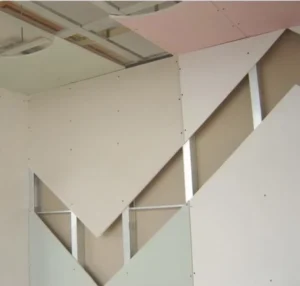
| Interior partitions | 0.8mm - 1.0mm | Light, easy, strong enough for drywall |
| Ceiling furring | 0.5mm - 0.8mm | Minimal load, less weight is better |
| Load-bearing frames | 1.2mm - 2.0mm | Extra strength for heavier structural loads |
When I explain this to clients, they often realize that light steel gets its strength from smart design rather than just from adding more material.
How thick is a light steel frame?
This is the question I hear more than any other. "How thick is light steel?" The answer often changes their view.
Most light steel frames are between 0.5mm and 1.2mm thick for walls and ceilings, and up to 3mm for heavier structural parts.

The thickness depends on the load and purpose. For most home projects, I recommend 0.8mm to 1.0mm. For heavier loads or taller walls, we may use 1.2mm or 2.0mm.
Choosing thicker steel than necessary can waste money and bring unnecessary weight. When correctly designed, even thinner steel can carry impressive loads.
Here’s how I usually guide selection:
| Use Case | Recommended Thickness | Notes |
|---|---|---|
| Ceiling frame | 0.5mm - 0.8mm | Keeps weight off ceiling anchors |
| Interior partition | 0.8mm - 1.0mm | Fits standard drywall securely |
| Heavy partition/load | 1.2mm - 2.0mm | Needed for structural or high-use areas |
| Exterior framing | 1.5mm - 3.0mm | Withstands weather and external forces |
In my own projects, I have seen homeowners overengineer with 3mm for simple partitions. The result was extra cost and harder cutting, with no real strength benefit.
Conclusion
Light steel structures are strong because of smart design, not heavy thickness, and using the right gauge saves cost, labor, and keeps buildings safe.
TRUSUS – Bring beauty to every corner of the world