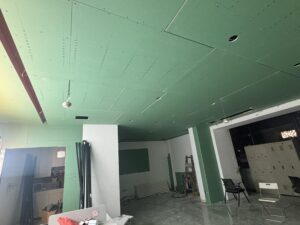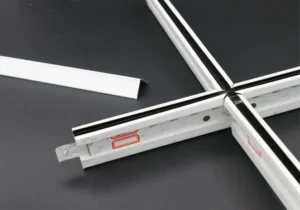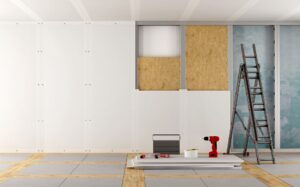


Many assume fireproof drywall follows single naming conventions, but fire-resistant products use specific technical designations. Fire-resistant drywall involves engineered formulations and standardized naming that reflect performance ratings rather than simple "fireproof" terminology.
Fire-resistant drywall is called Type X or Type C gypsum board, with Type X providing 1-hour fire resistance at 5/8-inch thickness and Type C offering enhanced fire protection through improved core formulations and glass fiber reinforcement for superior high-temperature performance.
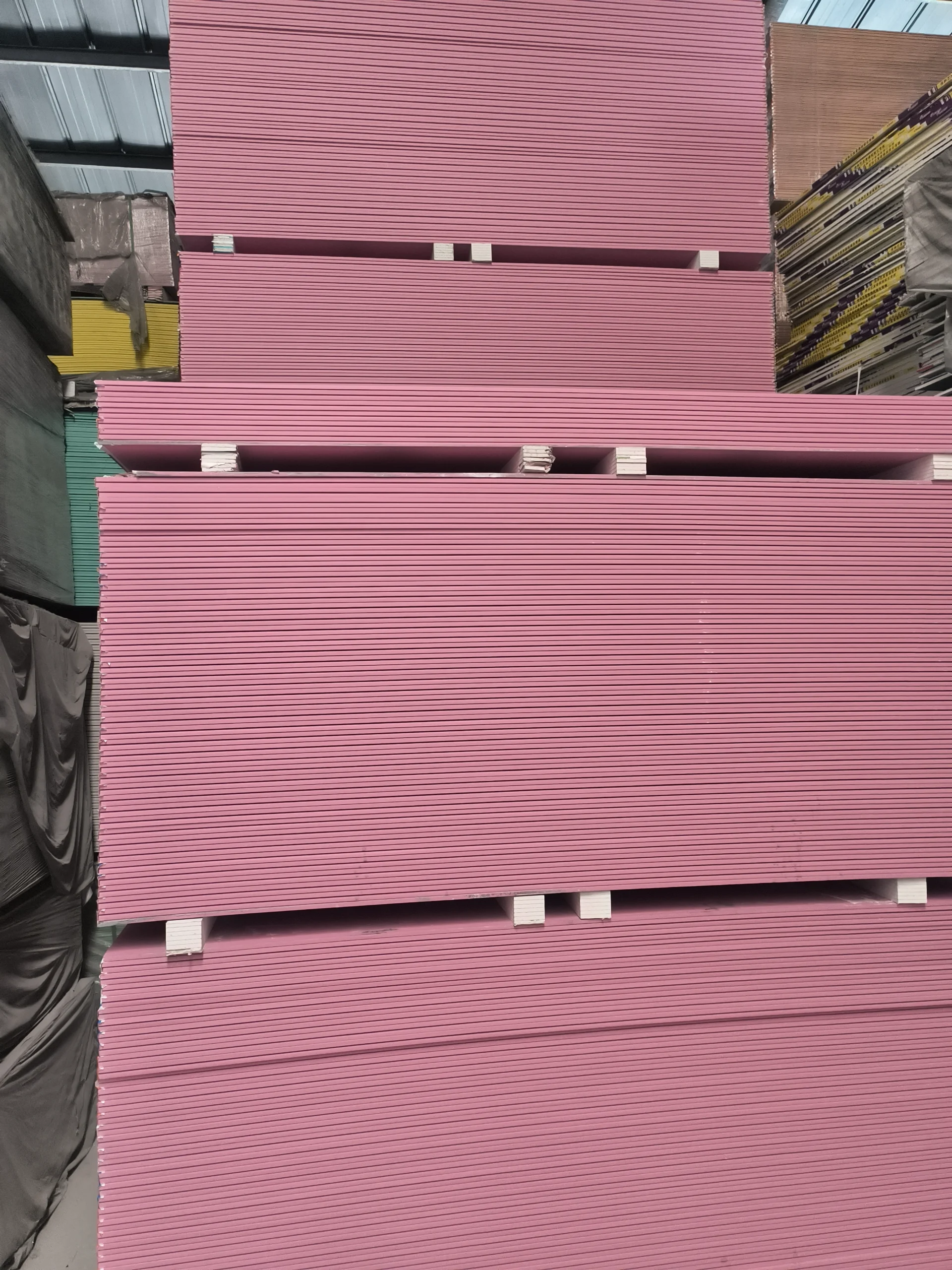
Through years of drywall manufacturing and fire testing coordination, I learned that fire-resistant drywall designation involves precise engineering and standardized testing rather than marketing terminology, with proper selection requiring understanding performance ratings and application requirements for building safety compliance.
What is the Difference Between Green Board and Purple Board?
Understanding specialty drywall differences helps optimize material selection for specific environments. Green and purple drywall boards represent different moisture-resistant formulations designed for varying exposure conditions and performance requirements in wet area applications.
Green board offers basic moisture resistance for light-duty wet areas like powder rooms, while purple board provides superior moisture and mold resistance plus limited fire resistance, making it suitable for high-moisture areas including full bathrooms, kitchens, and laundry rooms.

Comprehensive Specialty Drywall Analysis and Application Guidelines
Specialty drywall products represent engineered solutions for specific environmental challenges including moisture, mold, and fire resistance requirements. During my experience working with specialty drywall development and application testing, I learned that understanding performance differences ensures proper material selection while optimizing long-term wall system performance.
Green board development focused on moisture resistance through core formulations and facing treatments that resist water absorption while maintaining structural integrity in moderate moisture conditions. Green board provides economical moisture protection for light-duty applications.
Green board composition includes moisture-resistant gypsum core with treated paper facing that reduces water absorption while providing standard workability and finishing characteristics. Core treatments improve moisture resistance while maintaining familiar installation procedures.
Green board applications work well for powder rooms, half-baths, kitchen backsplash areas, and laundry spaces where moderate moisture exposure occurs without direct water contact. Green board suits areas requiring basic moisture protection without premium performance requirements.
Green board limitations include reduced performance in high-moisture environments, susceptibility to mold growth under sustained moisture exposure, and limited fire resistance compared to specialty alternatives. Green board works best in controlled moisture conditions.
Purple board represents advanced moisture-resistant technology through enhanced core formulations, improved facing materials, and mold-resistant treatments that provide superior performance in demanding moisture environments. Purple board offers comprehensive moisture protection with additional benefits.
Purple board composition includes moisture-resistant gypsum core with fiberglass-mat facing and mold-resistant treatments that provide superior moisture resistance, mold prevention, and improved fire resistance compared to standard green board products.
Purple board applications include full bathrooms, shower surrounds, kitchen walls, basement applications, and high-humidity areas where superior moisture and mold resistance are required. Purple board handles demanding moisture conditions while providing enhanced durability.
Purple board advantages include superior moisture resistance, mold prevention, improved fire resistance, dimensional stability, and longer service life in wet environments. Purple board represents premium performance for challenging applications requiring comprehensive protection.
Cost considerations show green board offering economical moisture resistance while purple board commands premium pricing for enhanced performance characteristics. Cost differences should be evaluated against application requirements and long-term performance expectations.
Installation procedures remain similar for both products with standard cutting, fastening, and finishing techniques while purple board may require specific primers or finishes for optimal performance. Installation familiarity reduces training requirements while maintaining quality results.
Performance testing demonstrates measurable differences in moisture absorption, mold resistance, and fire performance between green and purple board products. Testing results guide proper material selection while ensuring specification compliance.
| Product Type | Core Composition | Facing Material | Primary Applications |
|---|---|---|---|
| Green Board | Moisture-resistant gypsum | Treated paper | Light moisture areas |
| Standard green | Basic moisture resistance | Green paper facing | Powder rooms, light duty |
| Performance characteristics | Moderate protection | Standard workability | Economic choice |
| Purple Board | Enhanced moisture-resistant | Fiberglass mat | High moisture areas |
| Premium moisture resistance | Superior gypsum core | Purple fiberglass facing | Full bathrooms |
| Mold resistance included | Anti-microbial treatments | Enhanced durability | Kitchen applications |
| Performance Comparison | Measurable differences | Application suitability | Selection criteria |
| Moisture absorption | Purple 50% less | Critical for performance | Wet area requirements |
| Mold resistance | Purple significantly better | Health considerations | Indoor air quality |
| Fire resistance | Purple improved | Safety requirements | Code compliance |
| Cost difference | Purple 20-30% higher | Budget considerations | Value analysis |
Is Fire-Resistant Drywall Also Moisture Resistant?
Understanding fire-resistant drywall properties helps clarify performance characteristics and application suitability. Fire-resistant drywall focuses on high-temperature performance while moisture resistance requires different material formulations and treatments for optimal performance in wet environments.
Standard fire-resistant drywall (Type X) is not inherently moisture resistant and may perform poorly in wet conditions, while specialized products combine fire and moisture resistance through engineered formulations that address both performance requirements in single products.

Fire-Resistant Drywall Moisture Performance and Multi-Function Analysis
Fire-resistant drywall involves specific engineering for high-temperature performance that may not address moisture resistance requirements, creating potential application limitations in wet environments. During my experience working with fire-rated product development and performance testing, I learned that understanding material limitations ensures proper application while preventing moisture-related problems.
Type X fire-resistant formulations focus on maintaining structural integrity at high temperatures through glass fiber reinforcement and core chemistry that slows calcination and prevents rapid strength loss. Fire resistance engineering prioritizes thermal performance over moisture characteristics.
Moisture performance of standard Type X drywall typically matches regular drywall with paper facing that absorbs moisture and gypsum core susceptible to softening when wet. Fire-resistant formulations do not inherently improve moisture resistance without specific treatments.
Core chemistry differences in fire-resistant drywall include additives that improve high-temperature performance but may actually increase moisture sensitivity through hygroscopic materials that attract and retain moisture. Fire-resistant additives can complicate moisture management.
Facing materials on standard Type X products use paper facings similar to regular drywall that provide no moisture resistance benefits while potentially creating mold growth substrates when exposed to sustained moisture conditions.
Multi-performance products combine fire and moisture resistance through specialized formulations that address both requirements simultaneously. These products use moisture-resistant cores with fire-resistant additives plus moisture-resistant facing materials for comprehensive performance.
Application considerations require matching product characteristics to environmental conditions with fire-resistant products suitable for dry areas requiring fire protection while wet areas need moisture-resistant or multi-performance products for optimal results.
Code requirements may mandate fire resistance in certain applications regardless of moisture conditions, requiring careful product selection that meets both fire codes and moisture performance needs. Code compliance cannot compromise moisture performance in wet areas.
Performance testing demonstrates that standard Type X products may fail prematurely in moisture conditions despite maintaining fire resistance ratings. Moisture exposure can compromise long-term performance while maintaining short-term fire resistance.
Cost implications show standard Type X products costing similar to regular drywall while multi-performance products command premium pricing for enhanced capabilities. Cost considerations should include long-term performance and potential replacement costs.
Installation procedures remain similar across fire-resistant products with standard techniques while multi-performance products may require specific primers, sealers, or finishing materials for optimal moisture and fire performance.
| Product Category | Fire Resistance | Moisture Resistance | Best Applications |
|---|---|---|---|
| Standard Type X | 1-hour rating | None | Dry fire-rated areas |
| 5/8" thickness | Excellent fire performance | Regular drywall level | Living spaces, offices |
| Glass fiber reinforced | High-temperature integrity | Paper facing limitations | Code-required locations |
| Type C Enhanced | Superior fire rating | None standard | High fire protection |
| Improved formulation | Better than Type X | Regular moisture sensitivity | Commercial applications |
| Multi-Performance | Fire + moisture | Both requirements | Wet fire-rated areas |
| Specialty formulations | Code compliance | Enhanced moisture resistance | Bathrooms, kitchens |
| Premium products | Comprehensive protection | Mold resistance included | Demanding environments |
| Application Guidance | Environmental matching | Performance requirements | Selection criteria |
| Dry areas needing fire | Standard Type X suitable | No moisture concerns | Cost-effective choice |
| Wet areas needing fire | Multi-performance required | Both properties needed | Premium investment |
| High-moisture fire areas | Specialized products only | Critical performance | No compromise solutions |
How to Tell If MDF is Fire Rated?
Understanding MDF fire rating identification helps ensure code compliance and safety requirements. Fire-rated MDF involves specific manufacturing processes and certification systems that require proper identification methods for verification and application approval.
Identify fire-rated MDF through manufacturer stamps, certification labels, product documentation, flame spread ratings (Class A, B, or C), and compliance markings that indicate tested performance levels, with proper verification requiring documentation from certified testing laboratories.
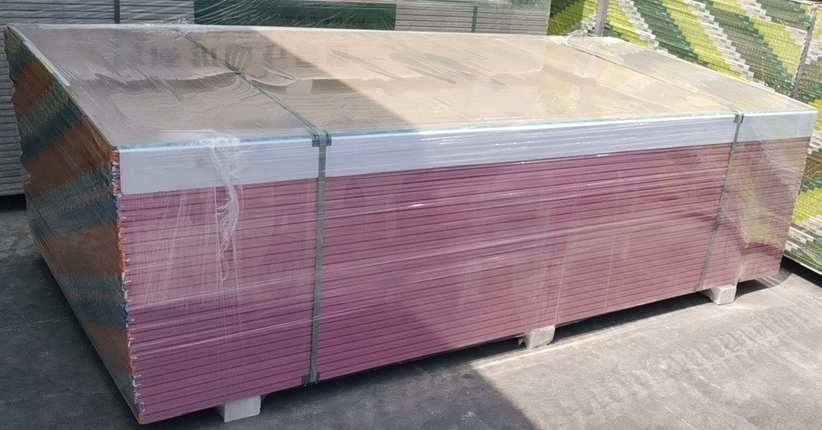
Comprehensive MDF Fire Rating Verification and Certification Analysis
Fire-rated MDF identification involves systematic verification processes that ensure compliance with building codes and safety requirements through proper certification and documentation. During my experience working with fire-rated building materials and code compliance, I learned that understanding identification methods prevents specification errors while ensuring safety compliance.
Manufacturing identification includes permanent stamps, labels, or markings applied during production that identify fire-rated products and provide essential performance information. Manufacturing marks provide primary identification while ensuring traceability to certified products.
Certification markings include third-party testing laboratory stamps that verify compliance with recognized fire testing standards including ASTM E84, UL 723, or equivalent standards. Certification marks provide independent verification of fire performance claims.
Flame spread ratings classify fire performance through standardized testing that measures flame spread index and smoke development values. Class A ratings indicate flame spread 0-25, Class B shows 26-75, while Class C represents 76-200 flame spread index.
Product documentation includes technical data sheets, test reports, and certification letters that provide detailed performance information and application guidelines. Documentation verification ensures proper application while providing code compliance evidence.
Visual identification may include color coding, surface treatments, or distinctive markings that help distinguish fire-rated products from standard MDF. Visual cues provide initial identification while requiring documentation verification for compliance.
Testing standards specify methods for evaluating fire performance including flame spread, smoke development, and heat release characteristics that determine fire rating classifications. Understanding testing standards helps interpret rating information properly.
Code compliance requirements vary by jurisdiction and application with building codes specifying required fire ratings for different uses. Code verification ensures proper product selection while meeting regulatory requirements and safety objectives.
Installation verification requires maintaining product identification throughout construction while ensuring proper application according to tested configurations. Installation compliance maintains fire rating validity while ensuring safety performance.
Documentation retention includes maintaining certificates, test reports, and specification information throughout building lifecycle for inspection and compliance verification. Proper documentation provides evidence of code compliance while supporting safety objectives.
Quality control includes verification procedures that ensure fire-rated products meet specifications while preventing substitution of non-rated materials. Systematic quality control maintains safety standards while ensuring specification compliance.
| Identification Method | Information Provided | Verification Level | Compliance Value |
|---|---|---|---|
| Manufacturing Stamps | Product identification | Primary marking | Essential identification |
| Permanent markings | Fire rating classification | Factory applied | Traceability provided |
| Product codes | Specification compliance | Manufacturer verification | Quality assurance |
| Certification Labels | Third-party verification | Independent testing | Regulatory compliance |
| Testing laboratory marks | Standard compliance | UL, ETL, ICC-ES | Code acceptance |
| Performance ratings | Flame spread values | Certified testing | Safety verification |
| Documentation | Detailed performance | Comprehensive information | Complete verification |
| Technical data sheets | Application guidelines | Manufacturer provided | Design information |
| Test reports | Laboratory results | Independent testing | Performance proof |
| Certification letters | Compliance statements | Official verification | Code documentation |
| Visual Identification | Initial recognition | Surface characteristics | Preliminary sorting |
| Color coding | Product differentiation | Manufacturing applied | Quick identification |
| Surface treatments | Fire-retardant indication | Treatment evidence | Processing verification |
| Code Compliance | Regulatory requirements | Jurisdiction-specific | Legal compliance |
| Building code references | Required ratings | Code-specified | Mandatory compliance |
| Application restrictions | Use limitations | Performance-based | Safety requirements |
Conclusion
Fire-resistant drywall is called Type X or Type C gypsum board with specific performance ratings, green board offers basic moisture resistance while purple board provides superior moisture and mold resistance plus fire protection, standard fire-resistant drywall is not moisture resistant requiring specialized products for wet areas, and fire-rated MDF identification requires manufacturer stamps, certification labels, and performance documentation for proper verification.