

Many builders encounter moisture problems in bathrooms and kitchens when using standard plasterboard. Understanding moisture resistant options prevents costly repairs and ensures long-term wall system performance.
Moisture resistant plasterboard is gypsum board with additives and treatments that reduce water absorption and maintain structural integrity in humid conditions, making it suitable for bathrooms, kitchens, and other areas with elevated moisture levels.
During my years manufacturing plasterboard products, I have seen how moisture resistant formulations solve common problems that plague standard gypsum board installations in wet areas. The engineering behind these products addresses specific failure modes that occur when regular plasterboard encounters moisture.
What is Another Name for Moisture Resistant Gypsum Board?
Different regions and manufacturers use various terms for moisture resistant plasterboard. Understanding the terminology helps when specifying materials or comparing products from different suppliers.
Moisture resistant gypsum board is also called green board, water resistant drywall, moisture resistant drywall, MR board, Type MR gypsum board, or blue board, depending on the manufacturer and regional preferences for product naming.
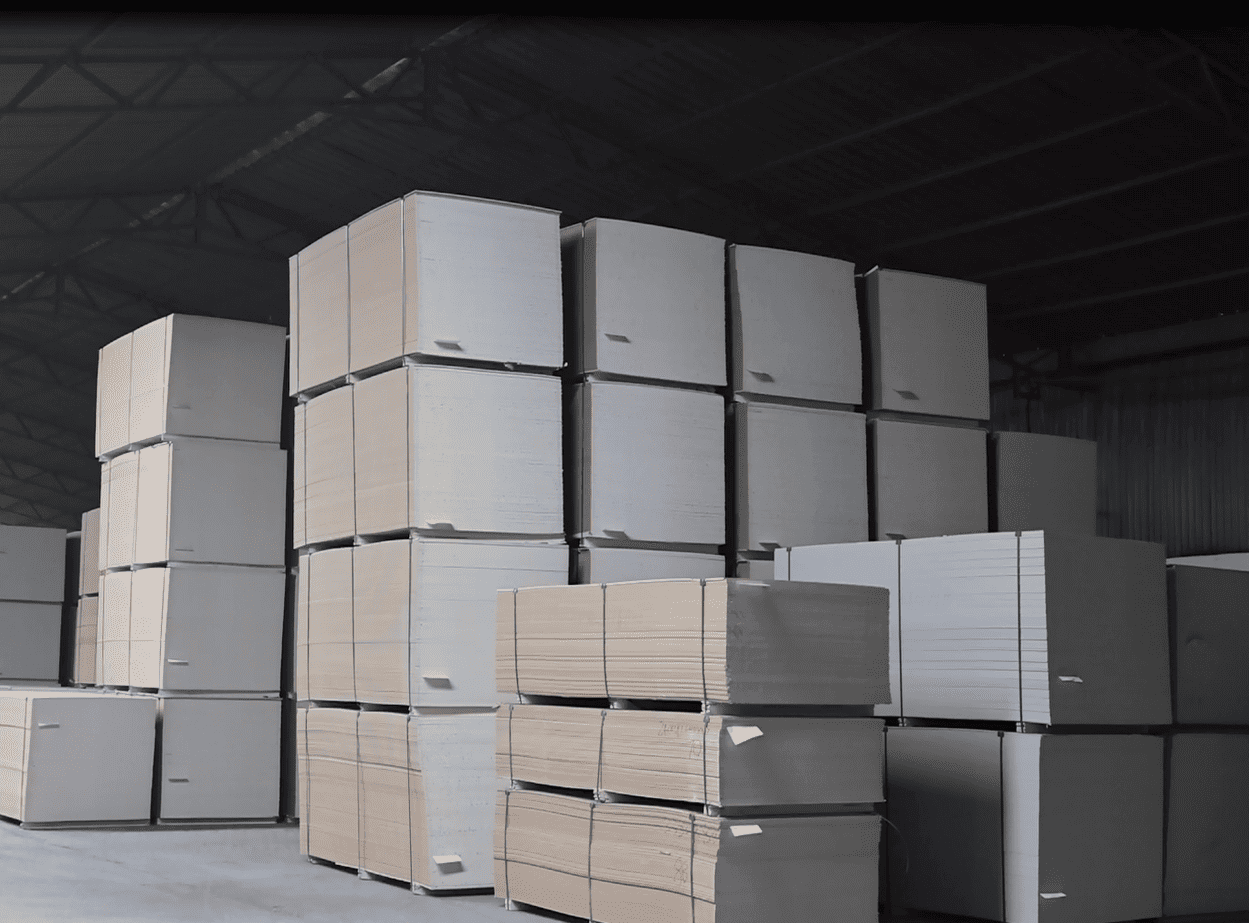
Understanding Regional Variations and Product Classifications
The terminology for moisture resistant plasterboard varies significantly across markets and manufacturers, reflecting different approaches to moisture resistance and marketing strategies. During my work with international suppliers and contractors, I learned that understanding these naming conventions prevents confusion and ensures proper material specification.
Green board represents the most common North American term for moisture resistant drywall, named after the green paper facing that many manufacturers use to identify their moisture resistant products. The green color serves as a visual indicator during construction to prevent accidental use of standard board in moisture-prone areas.
Type MR designation follows ASTM standards for moisture resistant gypsum board and provides the most technically precise identification. This classification ensures products meet specific performance standards for water absorption and structural integrity when exposed to moisture. Specifying Type MR eliminates ambiguity about performance requirements.
Blue board terminology appears in some markets where manufacturers use blue paper facing to identify moisture resistant products. However, blue board can also refer to veneer plaster base board, creating potential confusion. Always verify the specific product characteristics rather than relying solely on color coding.
Water resistant drywall emphasizes the functional benefit rather than visual identification and is becoming more common as generic terminology. This naming approach focuses on performance characteristics rather than manufacturer-specific identifications or color codes.
International variations include terms like moisture resistant plasterboard in European markets and MR gypsum board in Asian markets. These regional preferences reflect local construction practices and regulatory frameworks while describing essentially similar products with comparable performance characteristics.
Manufacturer-specific names often include proprietary terms that emphasize unique features or benefits. These branded names can provide additional performance characteristics beyond basic moisture resistance, such as enhanced mold resistance or improved structural properties.
Building code references typically use standardized terminology like Type MR gypsum board to ensure consistent specification and compliance verification. Code officials and inspectors recognize these standard designations more readily than manufacturer-specific or regional terms.
Product certification marks help identify genuine moisture resistant products regardless of naming conventions. Look for certification from recognized testing organizations that verify compliance with moisture resistance standards. These marks provide more reliable identification than color coding or naming alone.
| Common Name | Regional Usage | Technical Designation | Key Identifier |
|---|---|---|---|
| Green Board | North America | Type MR | Green paper facing |
| Blue Board | Various regions | Type MR or Veneer Base | Blue paper facing |
| MR Board | Technical specifications | Type MR | Performance certification |
| Water Resistant Drywall | Generic/marketing | Type MR | Performance description |
What is the Difference Between Regular Drywall and Moisture Resistant Drywall?
Understanding the specific differences helps builders choose appropriate materials and set realistic expectations for performance in moisture-prone environments.
Moisture resistant drywall contains water-repelling additives in the gypsum core and uses moisture resistant paper facings, providing better dimensional stability and mold resistance compared to regular drywall, though it still requires proper waterproofing in direct water contact areas.

The Engineering and Chemistry Behind Moisture Resistance
The fundamental differences between regular and moisture resistant drywall involve both material composition and manufacturing processes that create enhanced performance characteristics. During my years in product development, we extensively tested various formulations to optimize moisture resistance while maintaining structural and fire-resistant properties.
Core composition modifications form the primary difference between standard and moisture resistant products. Regular gypsum board uses pure calcined gypsum with minimal additives. Moisture resistant board incorporates silicone compounds, wax emulsions, or other hydrophobic agents that reduce water absorption and slow moisture penetration into the gypsum crystal structure.
Paper facing treatments provide additional moisture protection through specialized coatings and paper compositions. Standard drywall uses untreated recycled paper that readily absorbs moisture. Moisture resistant board uses paper treated with moisture repelling chemicals or synthetic facings that resist water absorption and provide better dimensional stability.
Manufacturing process differences ensure proper distribution of moisture resistant additives throughout the board thickness. Extended mixing times distribute hydrophobic compounds evenly through the gypsum slurry. Modified pressing and drying procedures optimize the crystal structure for moisture resistance while maintaining strength and fire resistance properties.
Performance testing reveals quantifiable differences in water absorption, dimensional stability, and structural integrity when exposed to moisture. Standard gypsum board can absorb 5-10% of its weight in water within hours of exposure. Moisture resistant board typically absorbs less than 5% under the same conditions and maintains structural integrity longer.
Mold resistance represents another significant performance difference between standard and moisture resistant products. The additives that provide moisture resistance also create environments less hospitable to mold growth. However, this should not be confused with mold-proof performance, as organic paper facings can still support mold growth under severe conditions.
Installation differences are minimal between standard and moisture resistant drywall, using the same fasteners, joint compounds, and finishing techniques. However, moisture resistant board requires more careful handling during installation as the treated surfaces may affect paint adhesion if not properly prepared.
Cost considerations typically show moisture resistant board costing 10-20% more than standard drywall. This premium reflects the additional materials and processing required to achieve moisture resistance. However, the cost difference is usually insignificant compared to potential repair costs from moisture damage.
Application limitations must be understood to prevent inappropriate use of moisture resistant drywall. While it provides better moisture resistance than standard board, it is not waterproof and should not be used in direct water contact areas without additional waterproofing systems. Shower surrounds still require waterproof membranes regardless of substrate type.
Fire resistance properties remain essentially identical between standard and moisture resistant gypsum board. The additives used for moisture resistance do not significantly affect the fire-resistant characteristics that make gypsum board valuable for fire-rated assemblies. Both products typically provide the same fire ratings in tested assemblies.
| Property | Regular Drywall | Moisture Resistant Drywall |
|---|---|---|
| Water absorption (24 hours) | 5-10% by weight | <5% by weight |
| Dimensional stability when wet | Poor, significant swelling | Good, minimal swelling |
| Mold resistance | Limited | Enhanced |
| Installation methods | Standard | Standard |
| Fire resistance | Excellent | Excellent |
| Cost premium | Baseline | 10-20% higher |
What Happens if Gypsum Gets Wet and How to Prevent Damage?
Understanding gypsum's response to moisture helps prevent damage and guides appropriate material selection for different environments.
When gypsum gets wet, it can lose structural integrity, develop mold growth, experience dimensional changes, and eventually deteriorate through repeated wet-dry cycles, making moisture protection essential for long-term performance in gypsum board installations.

The Science of Gypsum Deterioration and Protection Strategies
Gypsum's interaction with water involves complex chemical and physical processes that determine both immediate and long-term performance. During my experience investigating moisture damage failures, I learned that understanding these mechanisms helps predict failure modes and design appropriate protection systems.
Chemical dissolution occurs when water contacts gypsum crystals and gradually dissolves the calcium sulfate structure. This process happens slowly under normal conditions but accelerates with increased temperature, water movement, or chemical contamination. The dissolved gypsum weakens the board structure and can migrate to surfaces where it appears as white chalky deposits.
Crystalline structure changes happen when wet gypsum undergoes phase transitions that alter its physical properties. The dihydrate form (CaSO₄·2H₂O) that provides strength in dry conditions can convert to less stable forms when saturated with water. These changes reduce compressive strength and can cause permanent deformation even after drying.
Paper facing deterioration represents the most visible sign of moisture damage in gypsum board systems. The paper absorbs water readily and loses bond strength with the gypsum core. Wet paper becomes soft, tears easily, and provides ideal conditions for mold growth. Repeated wetting and drying cycles cause paper delamination and surface failure.
Dimensional instability manifests as swelling, warping, and permanent deformation when gypsum board absorbs moisture. The gypsum core expands as water fills pore spaces and crystal structures change. Paper facings expand at different rates than the core, creating internal stresses that cause warping and surface irregularities.
Mold growth accelerates on wet gypsum board because the paper facings and organic additives provide nutrients for fungal growth. Moisture creates the necessary conditions for spore germination and colony establishment. Once established, mold can continue growing even after surfaces appear dry if elevated humidity persists.
Structural failure can occur when moisture damage progresses to the point where gypsum board can no longer support its intended loads. Wet gypsum loses compressive strength and may not adequately support wall finishes, fixtures, or its own weight. Severely damaged areas may require complete replacement rather than repair.
Prevention strategies focus on controlling moisture exposure through proper design, installation, and maintenance practices. Vapor barriers prevent moisture migration through wall assemblies. Proper ventilation removes excess humidity that could cause chronic moisture problems. Regular maintenance identifies and corrects minor moisture intrusion before major damage occurs.
Drying procedures can sometimes restore damaged gypsum board if intervention occurs quickly after moisture exposure. Rapid air circulation and dehumidification help remove moisture before permanent damage occurs. However, any areas showing paper delamination, mold growth, or structural softening require replacement.
Repair versus replacement decisions depend on the extent and duration of moisture exposure. Surface moisture that dries quickly may only require priming and repainting. Prolonged moisture exposure that affects structural integrity requires complete replacement of affected areas. Professional assessment helps determine appropriate remediation strategies.
Long-term monitoring helps identify chronic moisture problems that could cause recurring damage. Moisture meters can detect elevated moisture levels in gypsum board before visible damage occurs. Regular inspection of moisture-prone areas allows early intervention to prevent major damage.
| Moisture Exposure Level | Typical Effects | Recovery Potential | Recommended Action |
|---|---|---|---|
| Surface moisture, brief exposure | Minimal surface effects | Complete recovery possible | Monitor and ensure drying |
| Moderate moisture, extended exposure | Paper softening, minor swelling | Partial recovery | Assess and potentially replace |
| Heavy moisture, prolonged exposure | Structural softening, mold growth | Poor recovery | Replace affected areas |
| Chronic moisture conditions | Complete deterioration | No recovery | Full replacement and moisture control |
Conclusion
Moisture resistant plasterboard provides enhanced protection against humidity and moisture exposure through specialized additives and treatments, but understanding its limitations and proper application ensures optimal performance in challenging environments.