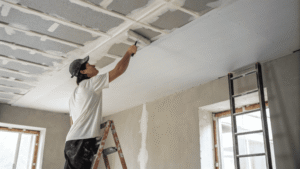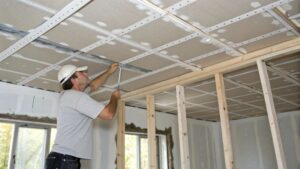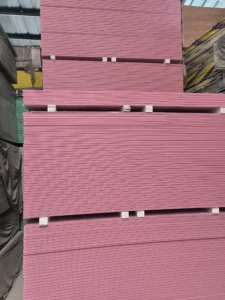


It sounds high-tech, but is PVC gypsum really something new?
PVC gypsum refers to gypsum board laminated with a PVC film, combining gypsum’s structural stability with PVC’s waterproof surface for use in humid areas.

When I first heard the term “PVC gypsum,” I thought it was an entirely new type of board. In reality, it’s simply standard gypsum board with a thin PVC film heat-bonded to one side. The core is gypsum, which is strong, stable, and dimensionally consistent. The PVC layer makes the surface waterproof and easy to clean. I’ve recommended this for basements, bathrooms, or kitchens with mild humidity issues. It installs just like standard ceiling tiles but has better moisture resistance. However, it’s not well-suited for high-heat areas, as the PVC surface can warp over time.
What is PVC ceiling made of?
It’s lightweight, glossy, and easy to clean. But what’s underneath?
A PVC ceiling is made from polyvinyl chloride, a durable and water-resistant plastic, often shaped into panels or tiles for modular installation.

PVC ceilings use panels or tiles formed from solid polyvinyl chloride resin, sometimes reinforced with additives for strength or UV resistance. This makes them exceptionally resistant to water and mold. PVC’s light weight means ceilings can be installed quickly without heavy framing. In a modular grid system, panels simply drop into place, making repairs easy. While PVC is strong against moisture, it has limited heat tolerance, so it shouldn’t be placed above stoves or other high-temperature sources. The surface comes in many finishes—smooth, textured, wood grain, even marble effects—offering lots of design flexibility.
Common PVC ceiling types
| Type | Composition | Main Use Area | Heat Resistance |
|---|---|---|---|
| Solid PVC Panels | 100% polyvinyl chloride | High-humidity spaces | Low |
| PVC Laminated Panels | PVC film over MDF, gypsum, or metal | Decorative ceilings | Low–Medium |
| PVC Stretch Film | Thin PVC sheet stretched in frame | Modern design spaces | Low |
What is PVC laminated ceiling?
It looks like a designer finish, but the core is familiar.
A PVC laminated ceiling uses a substrate like gypsum, fiberboard, or aluminum, covered with a decorative PVC film applied through heat pressing.

In my projects, this is the most common form of PVC ceiling. Panels start with a base—often gypsum tiles sized to fit a T-grid ceiling system. A PVC film, 0.12–0.18 mm thick, is heat-bonded to the surface. This creates a low-maintenance, decorative ceiling panel that can mimic wood, stone, or custom designs. The PVC film makes it water-resistant and easy to wipe clean. Installation is simple—drop into the grid or affix to furring strips. However, the PVC surface can discolor if exposed to high heat or intense sunlight. For humid but shaded rooms, like bathrooms or basements, it’s a solid choice.
Benefits vs. Drawbacks
| Benefits | Drawbacks |
|---|---|
| Highly water-resistant | Limited heat tolerance |
| Easy to clean | Shorter lifespan than plaster ceilings |
| Many color/pattern options | Environmental concerns from PVC use |
| Affordable compared to metal | Needs fire-retardant grade for safety |
Is PVC good for a ceiling?
It resists moisture and looks great in many cases, but is it always the right choice?
PVC is excellent for ceilings in humid areas like bathrooms and kitchens, but less ideal for living rooms due to lifespan, heat limits, and environmental concerns.

I’ve used PVC ceilings in many wet or semi-wet environments, and they hold up well—no warping, swelling, or staining. They’re lightweight, quick to install, and easy to clean. In one basement project with minor dampness, we used PVC laminated gypsum panels, and they’re still in good shape 12 years later. But PVC ceilings have a lower heat resistance than gypsum or metal ceilings, and they can discolor or warp from prolonged heat. Their lifespan is typically 10–15 years for high-quality products. Environmental impact is another consideration—PVC production and disposal can release harmful chemicals. For main living spaces or eco-friendly builds, I often guide clients toward other ceiling materials.
Where PVC ceilings work best
| Area | Suitability | Reason |
|---|---|---|
| Bathroom | High | Moisture resistance |
| Kitchen | Medium | Avoid near heat sources |
| Basement | High | Handles dampness and low maintenance needs |
| Living Room | Low | Limited lifespan and visual warmth |
Conclusion
PVC ceiling systems offer versatile, affordable, and moisture-resistant solutions, best for humid areas, but require careful placement to avoid heat damage and environmental downsides.