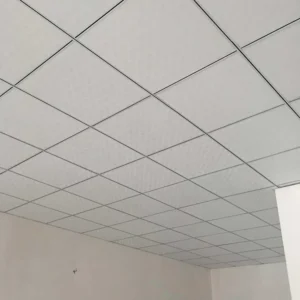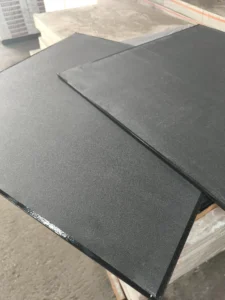


A standard 12.5mm gypsum board usually has a density between 680 and 750 kg/m³ depending on the board type, additives, and manufacturing process. Density directly affects strength, fire resistance, sound insulation, and board weight.
TRUSUS gypsum insight: density is no longer only a production number. It has become a key engineering parameter in modern building design.
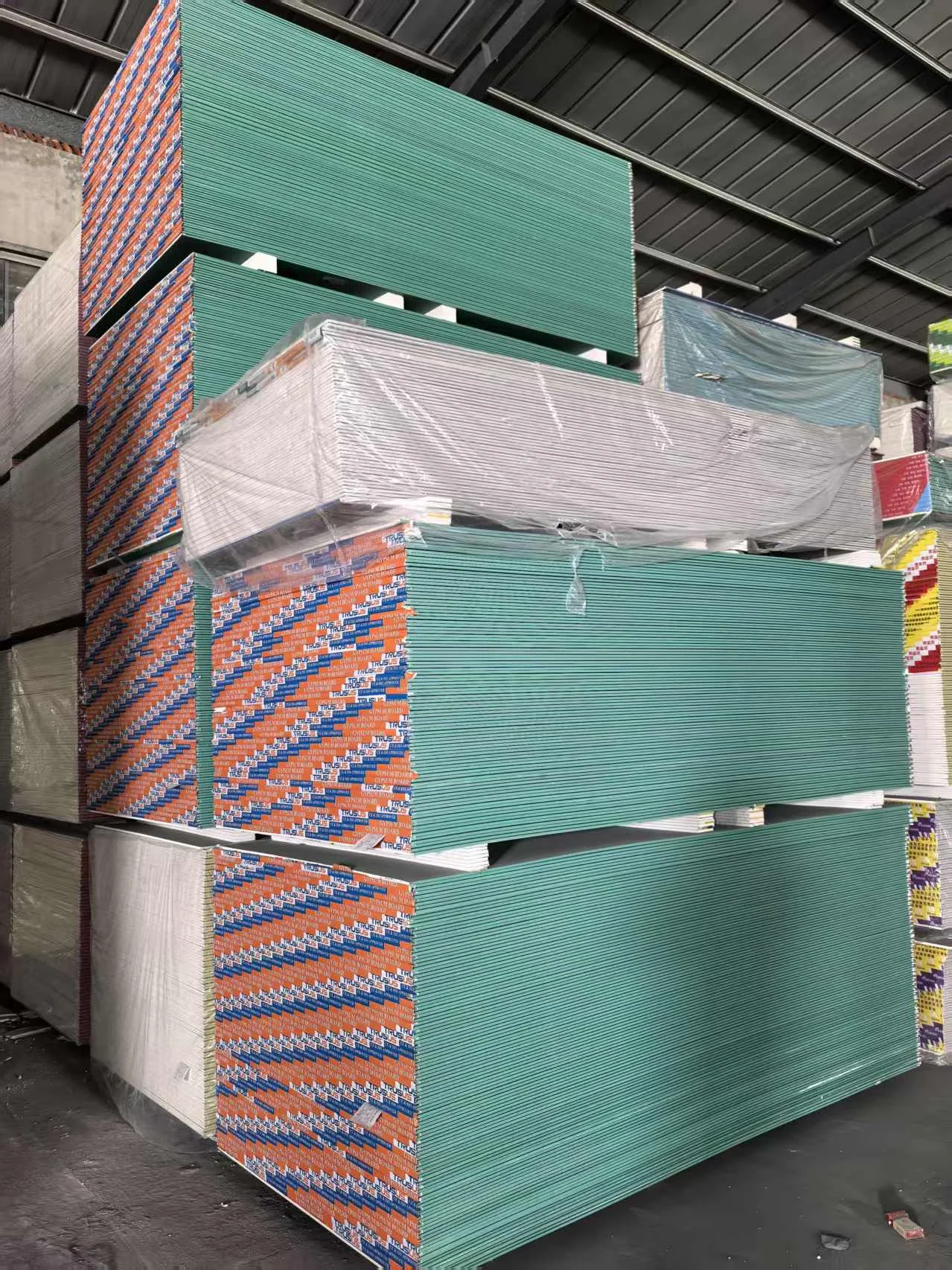
I increasingly see architects and engineers request exact density values because modern projects rely more on performance calculations instead of traditional experience-based material selection.
Performance precision now matters much more.
Typical Gypsum Board Density Ranges
| Board Type | Typical Density |
|---|---|
| Standard gypsum board | 680–750 kg/m³ |
| Fire-rated gypsum board | 750–900 kg/m³ |
| Moisture-resistant board | 700–850 kg/m³ |
Different applications require different density levels.
Why Density Matters
| Density Effect | Performance Impact |
|---|---|
| Higher density | Better sound insulation |
| Increased core weight | Improved fire resistance |
| Better structural compactness | Higher bending strength |
Density affects multiple engineering properties together.
Problems With Poor Density Control
| Density Issue | Possible Result |
|---|---|
| Density variation | Inconsistent performance |
| Low-density core | Reduced strength |
| Excessive density | Difficult installation |
Stable production improves product reliability.
Common Engineering Applications
| Project Type | Density Priority |
|---|---|
| High-rise buildings | Fire performance |
| Acoustic partitions | Sound insulation |
| Lightweight systems | Weight optimization |
Each project requires performance balancing.
Why Gypsum Board Engineering Is Evolving
| Traditional Gypsum Board Market | Modern Performance Engineering Market |
|---|---|
| Thickness-focused purchasing | Parameter-focused specification |
| Generic product selection | Performance-matched design |
| Cost-driven decisions | System-engineering decisions |
The market increasingly values measurable performance.
The Industry Shift Behind Density Questions
| Traditional Manufacturing Industry | Modern Technical Service Industry |
|---|---|
| Product supply focus | Engineering support focus |
| Basic specification sheets | Detailed performance data |
| Standardized sales approach | Application-specific consultation |
I increasingly believe precise technical data will become one of the most important competitive advantages for gypsum board manufacturers.
How Much Does A 4x10 Sheet Of 5/8" Fire-Rated Drywall Weigh?
A standard 4x10 sheet of 5/8-inch fire-rated drywall usually weighs between 29 and 32 kg depending on core density, paper weight, and fire-resistant additives. Accurate weight calculations are important for structural load design and installation planning.
TRUSUS structural insight: drywall weight has become a serious engineering factor in modern ceiling and partition systems.
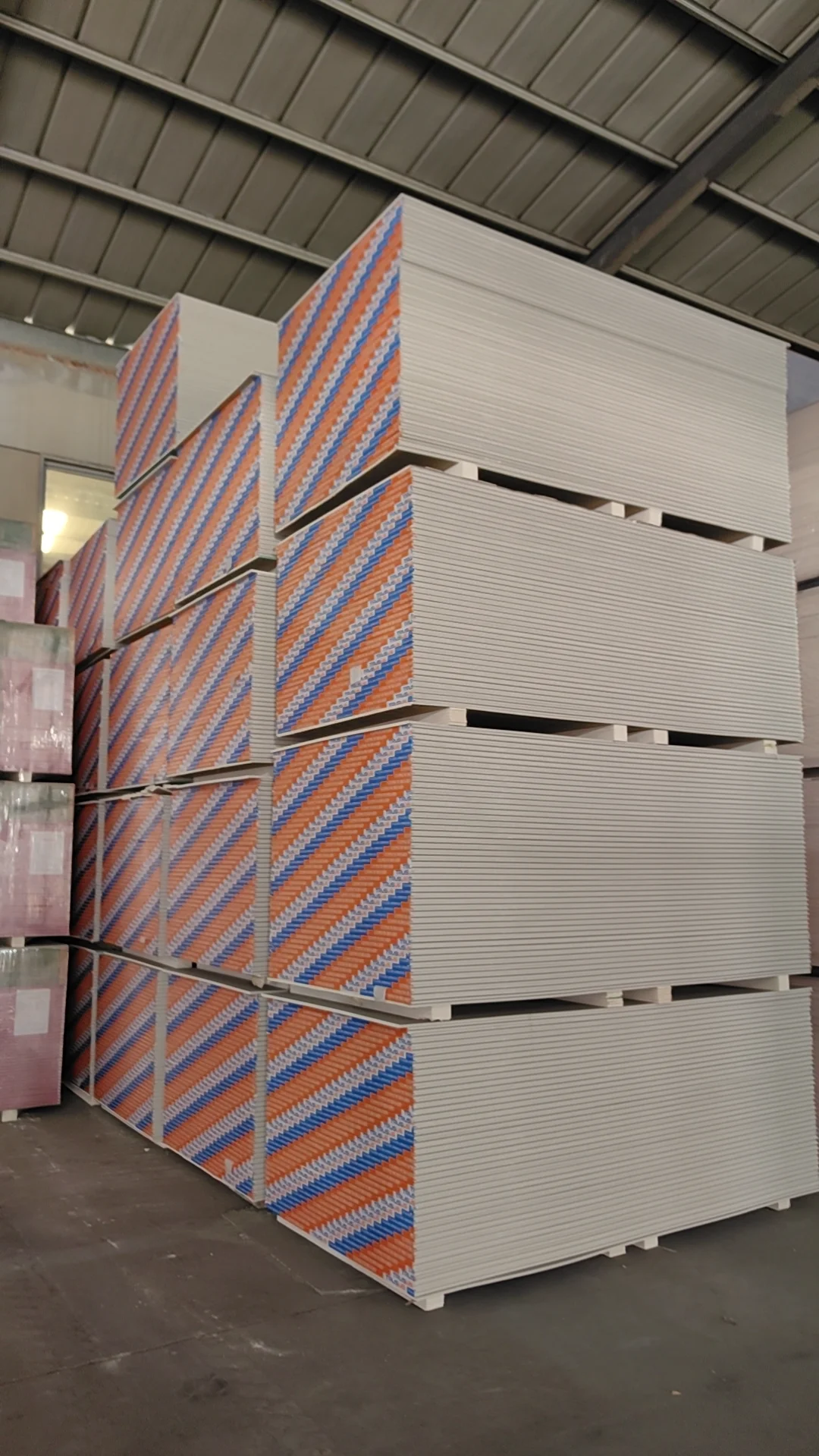
I increasingly see contractors ask detailed weight questions because modern buildings use larger wall systems, higher ceilings, and stricter load calculations.
Material weight now affects full-system engineering.
Factors Affecting Drywall Weight
| Factor | Impact On Weight |
|---|---|
| Gypsum core density | Major influence |
| Fire-resistant additives | Increased mass |
| Paper liner thickness | Moderate increase |
Board composition determines final weight.
Why Weight Calculations Matter
| Engineering Concern | Importance |
|---|---|
| Ceiling load analysis | Structural safety |
| Wall framing design | Stability control |
| Transportation planning | Handling efficiency |
Accurate calculations improve project reliability.
Typical Fire-Rated Board Features
| Feature | Engineering Benefit |
|---|---|
| Glass fiber reinforcement | Improved fire resistance |
| Denser gypsum core | Better thermal stability |
| Stronger paper bonding | Increased structural integrity |
Fire-rated boards are engineered systems.
Installation Challenges With Heavy Boards
| Challenge | Possible Issue |
|---|---|
| Manual handling difficulty | Worker fatigue |
| Ceiling installation stress | Fastener overload |
| Transportation damage | Edge cracking |
Proper handling methods improve installation quality.
Why Weight Control Is Becoming Important
| Traditional Construction Approach | Modern Engineering Approach |
|---|---|
| Approximate material estimates | Precise load calculations |
| Generic framing systems | Optimized lightweight systems |
| Standard installation methods | Performance-based engineering |
Modern projects require higher precision.
The Market Evolution Behind Weight Questions
| Traditional Drywall Industry | Modern Building Systems Industry |
|---|---|
| Product manufacturing focus | Structural integration focus |
| Basic material sales | Engineering performance consultation |
| General specification support | Precise technical analysis |
I increasingly see engineering consultation becoming a core value area for drywall manufacturers.
What Is The Thermal Conductivity (R-Value) Of Gypsum Board?
Gypsum board typically has a thermal conductivity between 0.16 and 0.25 W/(m·K), while a standard 12.5mm board usually provides an R-value around 0.05–0.08 m²·K/W. Gypsum board alone provides limited insulation, but it contributes to overall wall-system thermal performance.
TRUSUS thermal insight: gypsum board is not mainly an insulation material, but it plays an important role in complete wall-system thermal behavior.
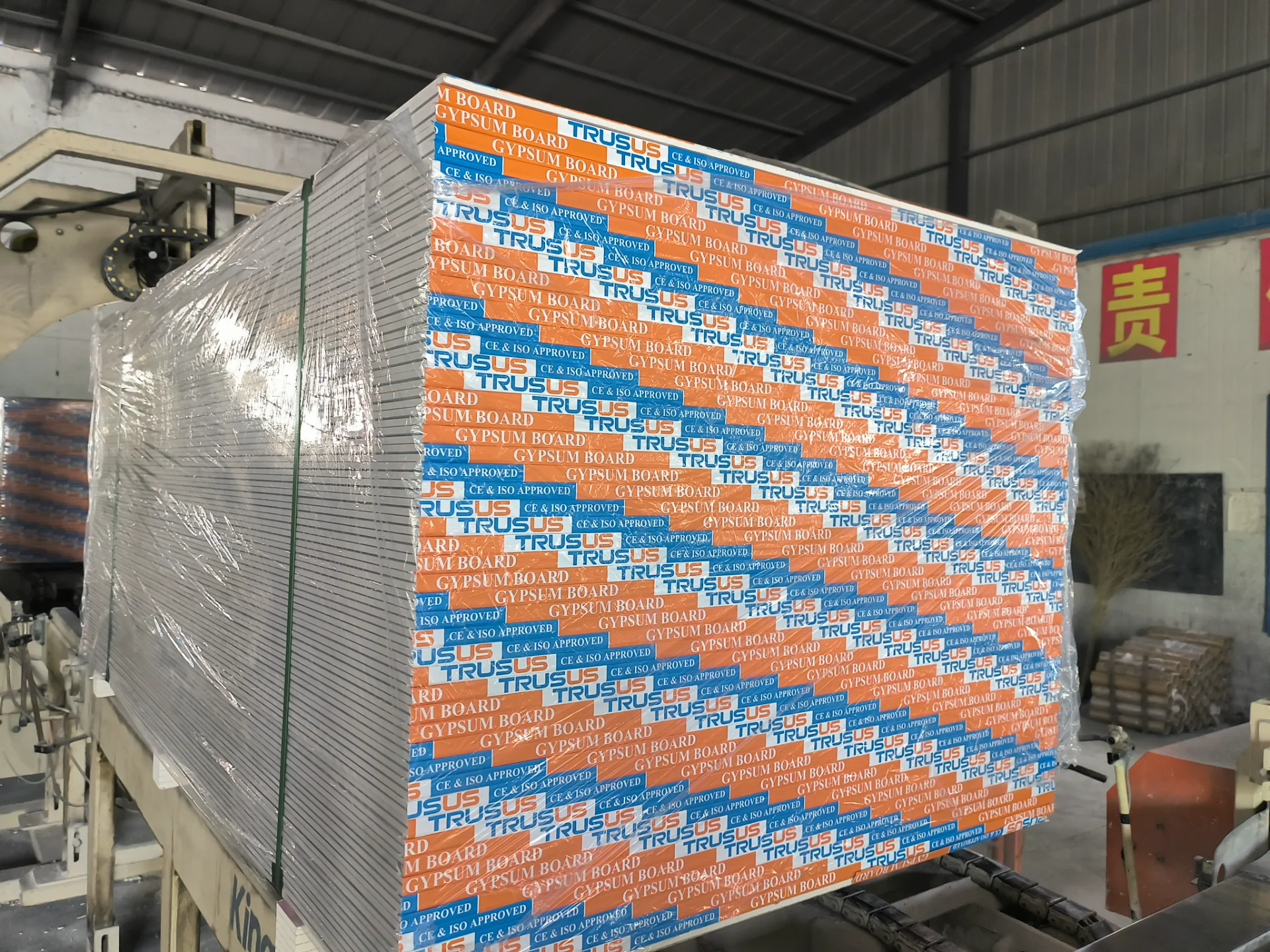
I increasingly see energy-efficient building projects analyze every material layer because modern thermal regulations are becoming stricter worldwide.
System performance now matters more than individual products.
Typical Thermal Performance Values
| Property | Typical Range |
|---|---|
| Thermal conductivity | 0.16–0.25 W/(m·K) |
| R-value for 12.5mm board | 0.05–0.08 m²·K/W |
Values vary with density and formulation.
Why Gypsum Board Still Matters In Thermal Design
| Thermal Role | System Benefit |
|---|---|
| Surface temperature regulation | Improved indoor comfort |
| Thermal layering | Better wall-system balance |
| Fire and thermal separation | Multi-functional performance |
Gypsum board contributes to complete wall behavior.
Factors Affecting Thermal Performance
| Factor | Thermal Impact |
|---|---|
| Board density | Heat transfer variation |
| Moisture content | Reduced insulation efficiency |
| Air cavity design | Improved thermal resistance |
Thermal design depends on the entire assembly.
Common Thermal Design Applications
| Building Type | Thermal Priority |
|---|---|
| Passive houses | Maximum efficiency |
| Commercial buildings | Energy savings |
| Residential systems | Indoor comfort |
Thermal regulations continue becoming stricter.
Why Thermal Engineering Is Expanding
| Earlier Construction Standards | Modern Energy Standards |
|---|---|
| Basic insulation requirements | High-efficiency thermal systems |
| Material-focused selection | Whole-building performance modeling |
| Limited energy analysis | Detailed thermal simulation |
Energy efficiency drives technical upgrades.
The Industry Shift Behind Thermal Questions
| Traditional Building Materials Industry | Modern Building Science Industry |
|---|---|
| Product property discussions | System thermal analysis |
| Generic technical support | Energy-performance consultation |
| Standard construction focus | Sustainable building focus |
I increasingly believe thermal engineering knowledge will become essential for future building material suppliers.
Does The Paper Liner Thickness Affect The Strength Of The Board?
Yes, the paper liner thickness strongly affects gypsum board strength because the paper carries most of the tensile stress and supports much of the board’s bending performance. Although the liner is thin, it contributes significantly to structural stability and surface durability.
TRUSUS structural insight: many people underestimate the paper liner, but it is one of the most critical engineering components in gypsum board performance.
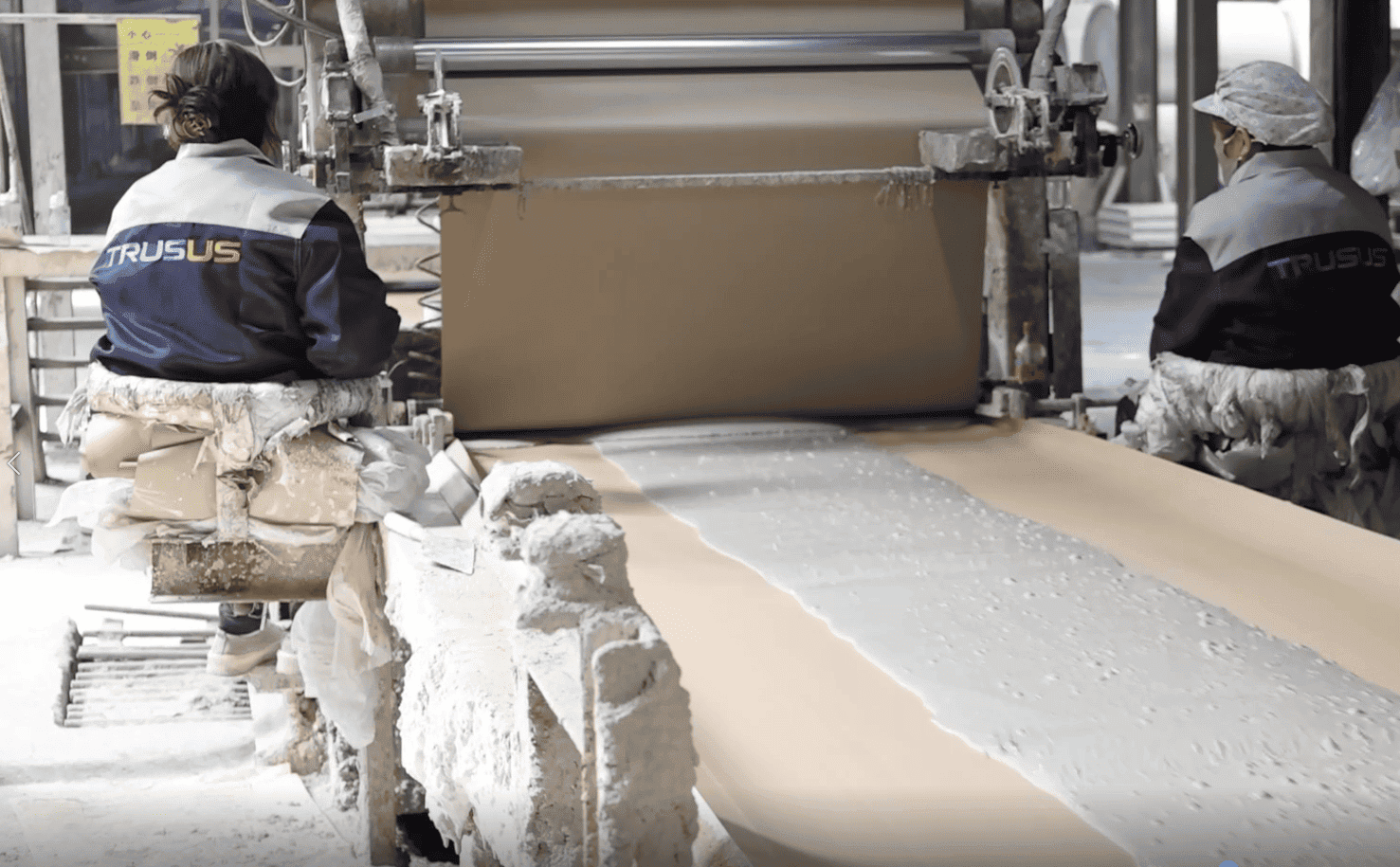
I increasingly see technical buyers ask about paper properties because high-performance construction systems require more consistent mechanical behavior.
The liner is not just packaging. It is structural reinforcement.
Functions Of The Paper Liner
| Paper Function | Structural Role |
|---|---|
| Tensile resistance | Supports bending strength |
| Surface stabilization | Prevents cracking |
| Core bonding | Structural integration |
Paper quality directly affects board reliability.
Why Paper Thickness Matters
| Thin Paper Risk | Possible Result |
|---|---|
| Reduced tensile strength | Easier breakage |
| Weak edge protection | Handling damage |
| Poor bonding performance | Delamination risk |
Paper thickness affects durability and handling.
Typical Paper Contribution To Strength
| Structural Property | Paper Contribution |
|---|---|
| Bending strength | 60–70% |
| Tensile resistance | Nearly 100% |
| Surface integrity | Major influence |
The composite structure depends heavily on liner performance.
Manufacturing Factors Affecting Paper Performance
| Production Factor | Influence |
|---|---|
| Paper fiber quality | Strength consistency |
| Adhesive bonding | Structural stability |
| Moisture control | Dimensional reliability |
Manufacturing precision improves performance consistency.
Why Composite Engineering Is Becoming Important
| Traditional Gypsum Board Understanding | Modern Composite Material Understanding |
|---|---|
| Gypsum core dominates performance | Composite interaction controls performance |
| Paper seen as surface covering | Paper seen as structural reinforcement |
| Simplified product evaluation | Engineering-based material analysis |
Modern gypsum boards are engineered composite systems.
The Industry Evolution Behind Paper Questions
| Traditional Drywall Manufacturing | Modern Material Engineering |
|---|---|
| Basic board production | Precision composite engineering |
| Generic quality control | Performance optimization |
| Standard commodity products | Application-specific solutions |
I increasingly believe advanced material engineering will define the future of gypsum board manufacturing.
Conclusion
At TRUSUS, I see gypsum board evolving from a standard construction material into a precision-engineered building component. Future industry value will depend on accurate technical data, performance optimization, and the ability to support modern engineering-driven construction systems.