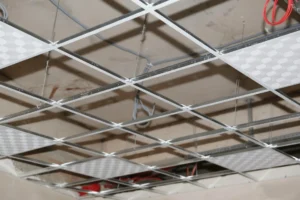


C studs and U studs differ in shape, function, and position within a drywall or light steel frame system. The C stud serves as the vertical structural member, while the U stud acts as the top and bottom track that anchors the wall framework.
TRUSUS insight: the shape defines its role—the C stands, the U guides.
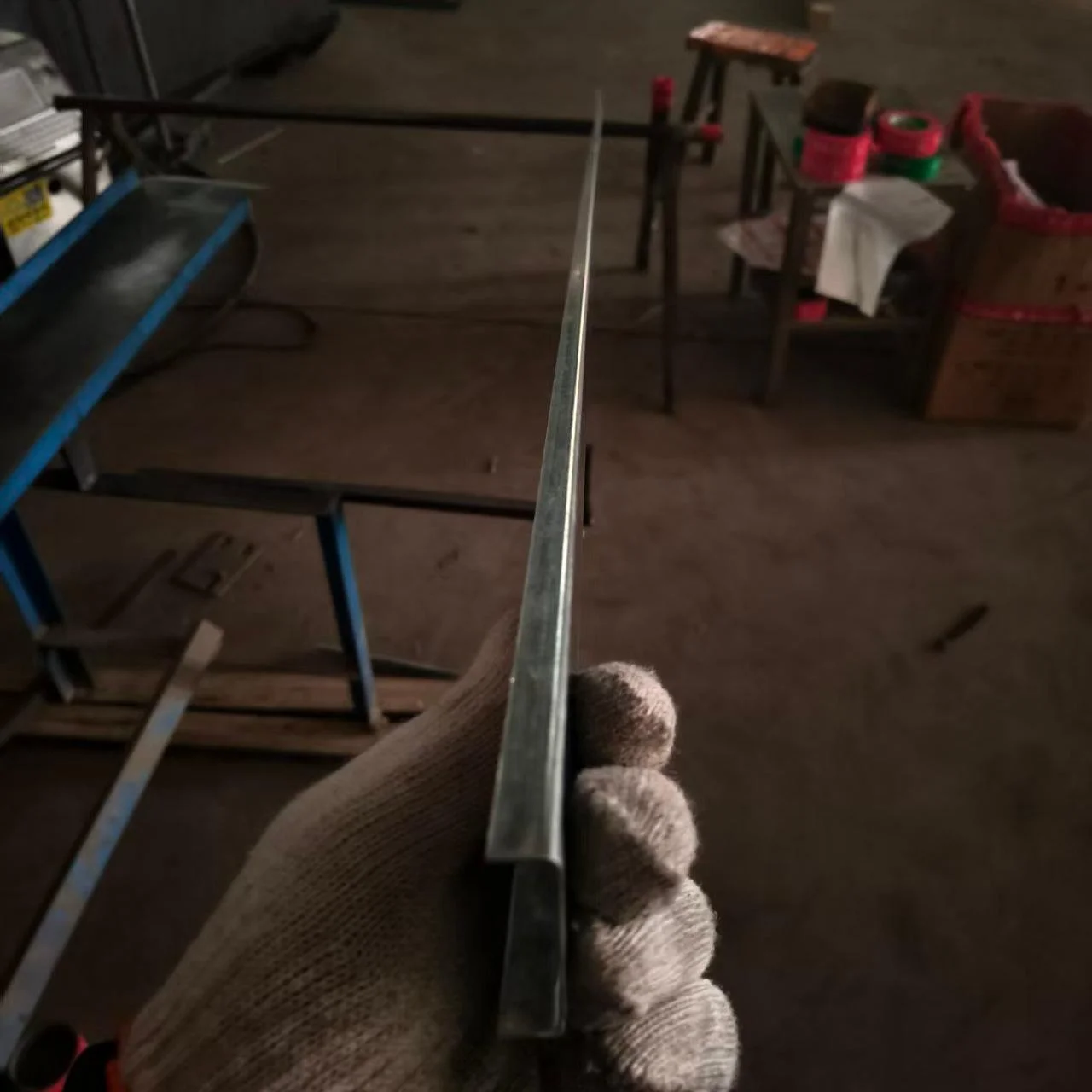
C studs hold gypsum boards, providing rigidity and load-bearing capacity for interior partitions. U studs, on the other hand, create the boundary channels that fix C studs into place. Together, they build an aligned, stable, and modular wall system.
What Is the Difference Between C Stud and I Stud?
C studs and I studs differ in strength and structural performance. While the C stud supports standard interior walls, the I stud is designed for higher acoustic ratings and lateral rigidity in tall or insulated partitions.
structural insight: when walls need silence and strength, the I stud stands beside the C.
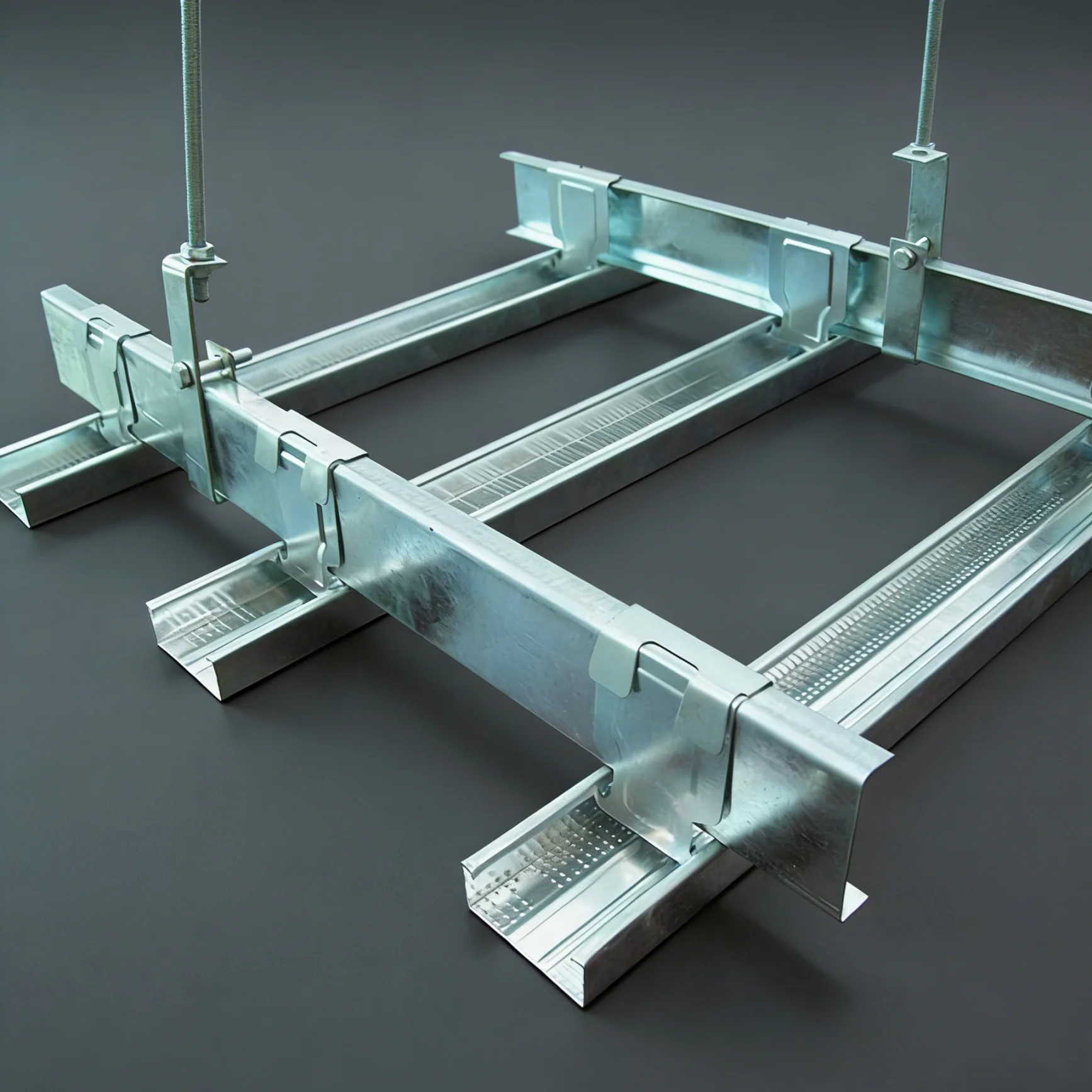
Stud Comparison Table
| Type | Shape | Function | Application |
|---|---|---|---|
| C Stud | Single channel | Vertical support | Standard drywall framing |
| U Stud | Channel track | Alignment base and cap | Floor and ceiling guide |
| I Stud | Dual web structure | Reinforced stiffness and sound insulation | High-performance or fire-rated walls |
Performance Breakdown
| Property | C Stud | I Stud |
|---|---|---|
| Wall height capability | Moderate | High |
| Acoustic isolation | Standard | Excellent |
| Strength/rigidity | Medium | High |
| Weight | Light | Heavier |
| Cost | Cost-effective | Premium |
The I stud’s twin web distribution creates symmetrical strength, reducing vibration and sound transfer—ideal for hospitals, auditoriums, or commercial zones.
What Are C Studs Used For?
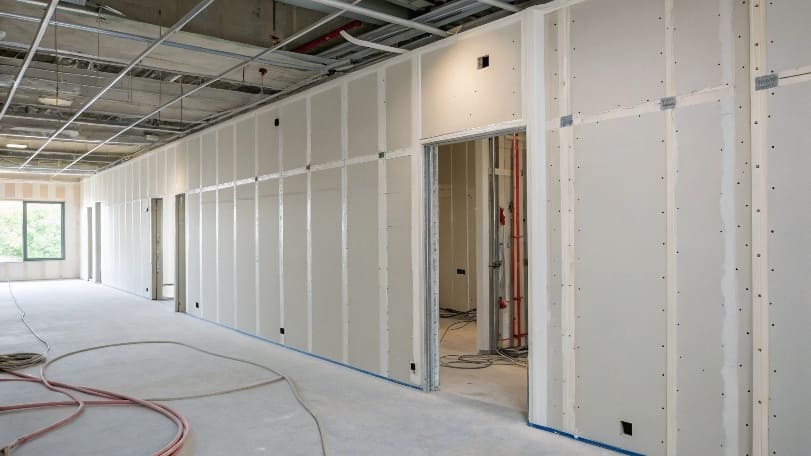
C studs are used as the main vertical framing members in light steel or gypsum board wall systems. They carry gypsum panels, electrical conduits, and insulation materials while maintaining structural stability.
application insight: the C stud isn’t decoration support—it’s the wall’s backbone.
C Stud Use Cases
| Field | Function | Example |
|---|---|---|
| Drywall partitions | Main wall framing | Office and hotel interiors |
| Ceiling drop systems | Structural support | Commercial ceiling grids |
| Utility walls | Service cavity for cable routing | Residential renovations |
Manufacturing & Installation Logic
Each C stud is roll-formed from high-tensile galvanized steel. Perforations on its flange ease cable routing and joinery. The stud slides vertically into the U track, fixed by screws for consistent spacing and straightness.
Thus, its function goes beyond shape—it defines the geometry and reliability of the entire wall system.
What Are the Common Stud Wall Mistakes?
Common stud wall errors arise from installation inconsistency and systemic misunderstanding, not from the studs themselves. These include misaligned spacing, over-tightened screws, and neglect of load transfer alignment.
site insight: most wall failures start not in materials—but in mindset.
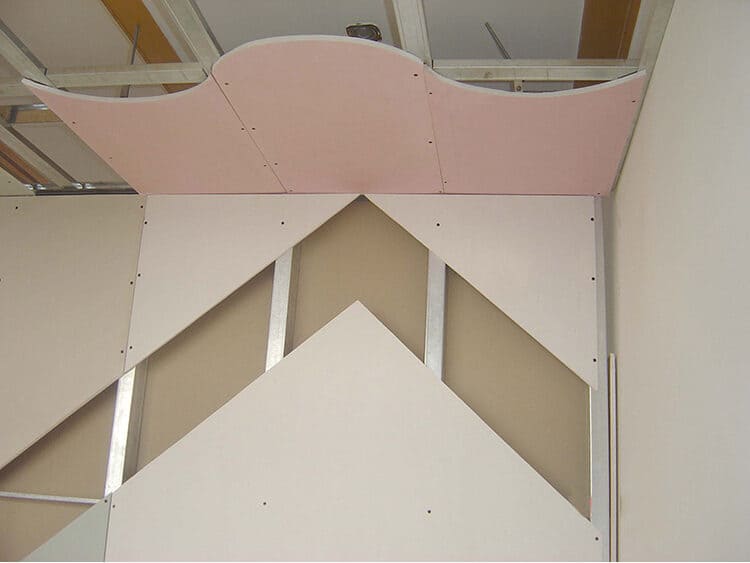
Common Stud Wall Errors
| Mistake | Description | Consequence |
|---|---|---|
| Incorrect spacing | Studs placed too far apart | Board vibration and cracking |
| Misaligned anchoring | C stud off the U track centerline | Uneven force distribution |
| Screw overdriving | Screws crush gypsum surface | Weakens joint strength |
| No service planning | Ignoring cable and pipe slots | Costly revisions later |
| Missing bracing | Skipping cross straps | Wall instability at height |
Corrective Practices
| Step | Key Check | Purpose |
|---|---|---|
| Measure spacing | 400mm–600mm standard | Structural uniformity |
| Use leveling tools | At each C stud | True alignment |
| Confirm U track anchorage | Floor and ceiling | Prevent shift |
| Integrate cabling early | Pre-drill perforations | Avoid rework |
Good framing builds invisible integrity inside every wall system—silent strength that defines acoustic and safety performance.
Conclusion
C studs, U studs, and I studs are not just different profiles, but components in a coherent wall ecosystem. C provides the core, U anchors the form, and I amplifies rigidity. At TRUSUS, we see stud framing not as metal assembly, but as the structural language of modern interior architecture—one where every piece speaks the grammar of balance, precision, and endurance.