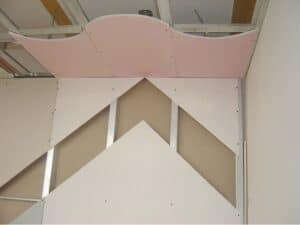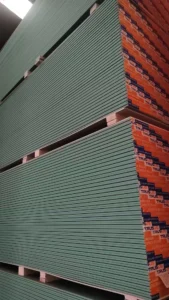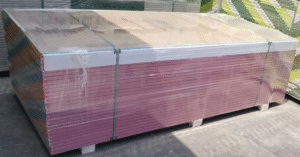


Many people assume gypsum board and drywall are completely different products without understanding their relationship and terminology variations. Understanding these material distinctions helps clarify product selection and ensures appropriate specification for different construction applications and regional markets.
Gypsum board and drywall are essentially the same product with different terminology - drywall is the common American term for gypsum board, which describes panels made from gypsum plaster core sandwiched between paper or fiber facing materials used for interior wall and ceiling construction.

Through decades of gypsum board manufacturing and working with international markets, I learned that terminology differences often confuse customers while the underlying products remain functionally identical, requiring clear communication about material specifications rather than focusing on naming conventions.
What are the Key Advantages of Gypsum Board?
Understanding gypsum board benefits helps optimize building performance and construction efficiency. Gypsum board offers multiple advantages over traditional construction methods that contribute to modern building practices and performance requirements across various applications.
Gypsum board advantages include fire resistance, sound control, smooth finish surfaces, rapid installation, cost effectiveness, dimensional stability, and environmental benefits that make it superior to traditional plaster and lath construction for most interior applications.

Comprehensive Advantage Analysis and Performance Optimization
Gypsum board advantages extend beyond basic wall covering to encompass systematic building performance improvements that benefit construction efficiency, occupant comfort, and long-term building value. During my experience working with diverse construction projects and performance requirements, I learned that understanding gypsum board benefits helps optimize building design and construction processes.
Fire resistance represents gypsum board's most significant safety advantage since gypsum contains chemically combined water that provides passive fire protection through endothermic reactions during heating. Fire-rated assemblies using gypsum board achieve required fire ratings for building code compliance while protecting structural elements and providing escape time during emergencies.
Sound control capabilities allow gypsum board walls and ceilings to reduce noise transmission between spaces through mass, decoupling, and specialized acoustic formulations. Sound-rated assemblies using gypsum board create quieter interior environments that improve comfort and productivity in residential and commercial applications.
Installation efficiency dramatically reduces construction time compared to traditional plaster systems since gypsum board eliminates wet curing times and allows immediate finishing operations. Rapid installation reduces labor costs and project schedules while enabling faster building occupancy and reduced financing costs.
Surface quality provides smooth, uniform finishes suitable for various decorative treatments including paint, wallpaper, and texture applications. Consistent surface quality eliminates imperfections common in traditional plastering while providing superior base surfaces for finishing materials.
Cost effectiveness results from material efficiency, installation speed, and reduced skilled labor requirements compared to traditional construction methods. Lower material and labor costs make gypsum board construction accessible for various project budgets while maintaining performance standards.
Dimensional stability prevents cracking, warping, and movement issues common in traditional construction through engineered core formulations and controlled manufacturing processes. Stable dimensions maintain finish quality throughout building life cycles while reducing maintenance requirements.
Environmental benefits include recyclable content, manufacturing efficiency, and reduced construction waste compared to traditional methods. Sustainable manufacturing processes and material recycling support green building programs while reducing environmental impact.
Versatility allows gypsum board use in various applications including standard walls, fire-rated assemblies, moisture-resistant areas, and specialty applications through different product formulations. Application flexibility enables consistent material use throughout projects while meeting diverse performance requirements.
Workability with standard tools and techniques allows efficient cutting, fastening, and finishing using commonly available equipment and skills. Standard construction methods reduce training requirements while enabling consistent installation quality across different contractors and workers.
Maintenance advantages include easy repair procedures using standard materials and techniques that restore original appearance and performance. Simple maintenance requirements reduce long-term building operating costs while maintaining interior appearance throughout building life cycles.
| Advantage Category | Performance Level | Application Benefit | Cost Impact |
|---|---|---|---|
| Fire resistance | Excellent | Code compliance, safety | Reduced fire protection costs |
| Sound control | Good-Excellent | Occupant comfort | Enhanced building value |
| Installation speed | Excellent | Project acceleration | Reduced labor costs |
| Surface quality | Excellent | Finish appearance | Reduced finishing costs |
| Cost effectiveness | Excellent | Budget optimization | Lower overall construction costs |
| Dimensional stability | Excellent | Reduced maintenance | Lower life-cycle costs |
| Environmental impact | Good | Sustainability goals | Variable green building incentives |
| Application versatility | Excellent | Design flexibility | Simplified material management |
Can Gypsum Board Function as Drywall?
Understanding functional equivalency helps clarify product applications and specification requirements. Gypsum board and drywall terminology differences may suggest different products while actual functionality remains identical across regional naming conventions and market preferences.
Gypsum board functions identically to drywall since they are the same product with different regional terminology - gypsum board is the technical term while drywall describes the installation method of applying dry panels rather than wet plaster systems.
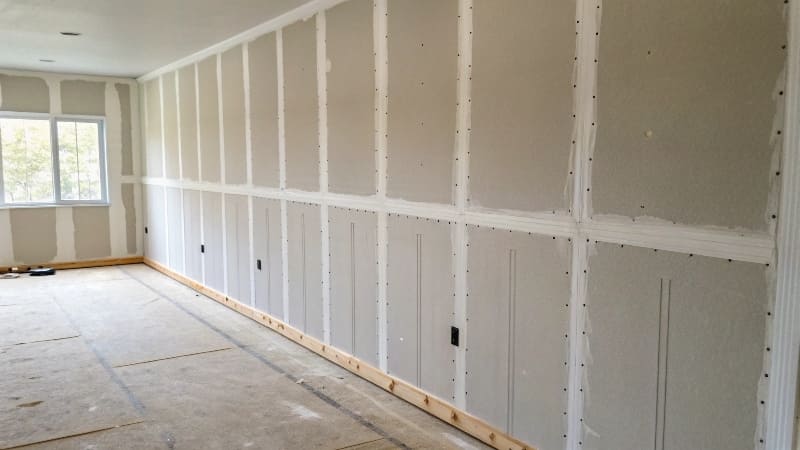
Product Equivalency Analysis and Application Compatibility
Gypsum board and drywall represent identical products with different naming conventions that reflect regional preferences and historical development rather than functional differences. During my experience working with international markets and product specifications, I learned that understanding terminology equivalency prevents confusion while ensuring appropriate product selection for specific applications.
Manufacturing processes for gypsum board and drywall use identical methods, materials, and quality standards regardless of terminology used in different markets. Production facilities typically manufacture the same products for markets using different naming conventions while maintaining consistent specifications and performance characteristics.
Performance specifications remain identical between gypsum board and drywall applications including fire ratings, sound transmission class, moisture resistance, and structural properties. Specification documents may use different terminology while describing functionally equivalent products with identical performance requirements.
Installation methods for gypsum board and drywall use the same tools, techniques, and procedures regardless of regional terminology preferences. Installation contractors typically understand both terms while applying identical methods for fastening, finishing, and quality control throughout construction processes.
Building code recognition treats gypsum board and drywall as equivalent products for fire-rated assemblies, structural applications, and performance requirements. Code compliance uses technical specifications rather than terminology, ensuring consistent regulatory treatment regardless of naming conventions.
Quality standards apply uniformly to gypsum board and drywall products through industry associations and manufacturing standards that govern composition, performance, and testing requirements. Quality assurance programs ensure consistent product characteristics regardless of marketing terminology used in different regions.
Market availability varies by region with some areas preferring gypsum board terminology while others use drywall naming conventions. Product availability remains consistent across regions despite terminology preferences, with manufacturers typically using regional naming conventions while maintaining identical product specifications.
Specification writing should focus on technical requirements rather than terminology preferences to ensure appropriate product selection and performance compliance. Clear specification language prevents confusion while ensuring contractors understand exact product requirements regardless of regional naming preferences.
Professional communication benefits from understanding both terminology conventions to facilitate clear communication across different markets and project teams. Industry professionals typically recognize both terms while focusing on technical specifications and performance requirements.
International projects may encounter both terminology conventions requiring clear communication about product equivalency and specification requirements. Understanding terminology flexibility prevents specification errors while ensuring appropriate product selection for specific project requirements.
| Comparison Factor | Gypsum Board | Drywall | Functional Difference |
|---|---|---|---|
| Manufacturing process | Identical | Identical | None |
| Performance specifications | Identical | Identical | None |
| Installation methods | Identical | Identical | None |
| Building code recognition | Equivalent | Equivalent | None |
| Quality standards | Identical | Identical | None |
| Market availability | Regional preference | Regional preference | Terminology only |
| Technical specifications | Identical | Identical | None |
What is the Difference Between Plasterboard and Gypsum Board?
Understanding plasterboard and gypsum board relationships helps clarify international terminology and product specifications. Regional naming conventions create confusion about functionally similar products while actual differences may be minimal or nonexistent depending on specific markets and applications.
Plasterboard and gypsum board are essentially the same product with plasterboard being the common British/European term for gypsum board, though some plasterboard may use different facing materials or core formulations while maintaining similar performance characteristics and applications.

International Product Analysis and Regional Variations
Plasterboard and gypsum board terminology reflects historical development and regional preferences rather than significant functional differences in most applications. During my experience working with international markets and export specifications, I learned that understanding regional terminology helps navigate global markets while recognizing actual product variations that affect performance and application suitability.
Historical development created different terminology with plasterboard emerging in British markets while gypsum board became common in North American applications. Historical context explains terminology differences while modern products achieve similar performance through comparable manufacturing processes and material formulations.
Core composition typically uses gypsum plaster in both plasterboard and gypsum board products though specific additives, density, and processing may vary between manufacturers and regional requirements. Core variations affect performance characteristics while maintaining fundamental gypsum-based construction suitable for similar applications.
Facing materials may differ between plasterboard and gypsum board products with some plasterboard using different paper types, fiber facings, or surface treatments compared to standard gypsum board specifications. Facing variations affect surface characteristics, moisture resistance, and finishing requirements while maintaining structural performance.
Manufacturing standards vary by region with European plasterboard following different standards than North American gypsum board while achieving comparable performance levels. Understanding regional standards helps ensure appropriate product selection for specific market requirements and building code compliance.
Performance characteristics typically remain similar between plasterboard and gypsum board products with variations in specific properties like fire ratings, moisture resistance, or acoustic performance depending on formulation and manufacturing differences. Performance comparisons should focus on specific test results rather than general terminology.
Application methods generally remain consistent between plasterboard and gypsum board installation with regional preferences for tools, techniques, or finishing materials affecting construction practices. Installation compatibility allows similar construction methods while accommodating regional material preferences.
Building code integration treats plasterboard and gypsum board as functionally equivalent for most applications while specific code requirements may reference regional terminology or standards. Code compliance requires understanding local requirements regardless of terminology used in different markets.
Quality assurance programs typically maintain comparable standards for plasterboard and gypsum board products through industry associations and manufacturing standards that ensure consistent performance characteristics. Quality standards focus on performance requirements rather than terminology preferences.
Market specifications should clarify exact performance requirements rather than relying on general terminology to ensure appropriate product selection for specific applications. Clear specifications prevent confusion while ensuring contractors understand exact product requirements regardless of regional naming conventions.
International compatibility allows plasterboard and gypsum board products to serve similar applications in different markets while accommodating regional preferences for terminology, standards, and installation practices. Understanding compatibility helps optimize product selection for international projects.
| Comparison Aspect | Plasterboard | Gypsum Board | Practical Significance |
|---|---|---|---|
| Regional usage | British/European markets | North American markets | Terminology preference |
| Core composition | Gypsum-based | Gypsum-based | Functionally similar |
| Manufacturing standards | European standards | North American standards | Regional compliance requirements |
| Performance characteristics | Comparable | Comparable | Application-specific variations |
| Installation methods | Similar | Similar | Regional technique preferences |
| Building code treatment | Functionally equivalent | Functionally equivalent | Regional code language |
| Quality standards | Comparable | Comparable | Industry-specific requirements |
| Market availability | Regional preference | Regional preference | Terminology and sourcing |
Conclusion
Gypsum board, drywall, and plasterboard represent essentially the same gypsum-based panel products with different regional terminology, offering fire resistance, sound control, installation efficiency, and cost advantages that make them superior to traditional construction methods for modern building applications.