

When contractors ask me about purple drywall, they often think it's just a marketing gimmick or color choice.
Purple drywall is designed for superior moisture and mold resistance in high-humidity environments like bathrooms, kitchens, and basements. The purple color indicates enhanced performance features beyond standard moisture-resistant green board.
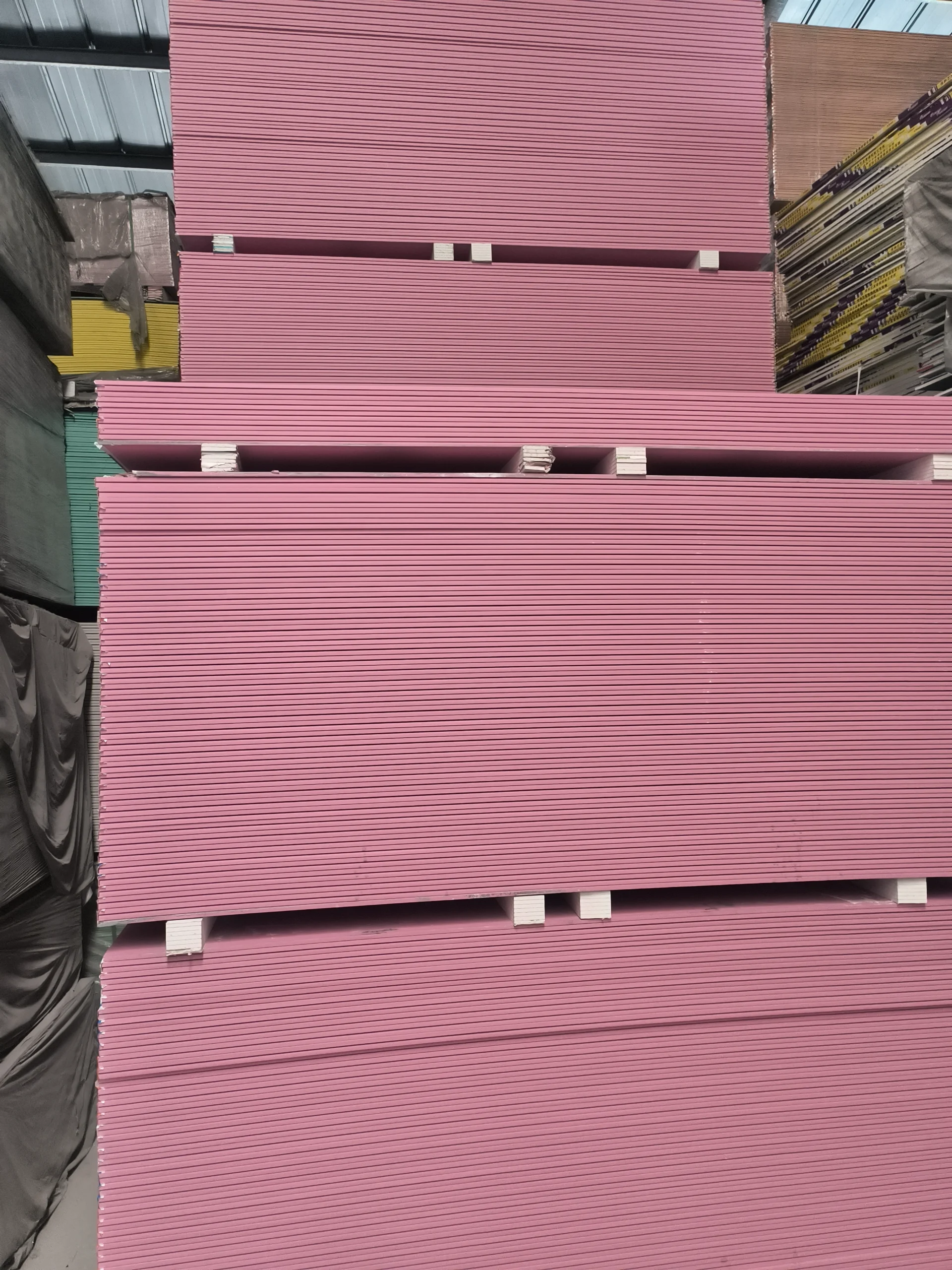
From years of working with builders and homeowners, I've learned that purple drywall represents a significant advancement in moisture management technology, addressing problems that green board couldn't fully solve.
Is Purple Drywall More Expensive?
Cost considerations often drive material selection decisions, especially for large projects.
Purple drywall costs 20-40% more than standard drywall and 10-20% more than green board, but provides superior long-term value through reduced maintenance, mold prevention, and enhanced durability in moisture-prone areas.
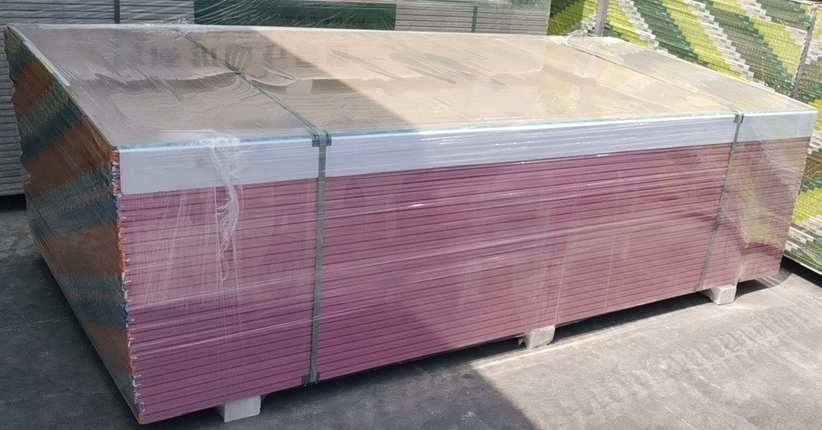
Cost Analysis Breakdown
Through analyzing project costs and performance outcomes, the initial premium often pays for itself through reduced problems.
| Drywall Type | Material Cost per Sheet | Installation Premium | Long-term Value | Best Application |
|---|---|---|---|---|
| Standard White | $8-12 | None | Baseline | Dry interior areas |
| Green (Moisture-Resistant) | $12-16 | None | Good in moderate humidity | Kitchens, laundry rooms |
| Purple (Enhanced Moisture) | $16-22 | 5-10% (special fasteners) | Excellent in high humidity | Bathrooms, basements |
| Mold-Resistant Coating | $14-18 | 10-15% (application time) | Very good | Various applications |
Total project costs must consider not just material prices but also potential moisture damage, mold remediation, and replacement expenses that purple drywall helps prevent.
What's the Difference Between Green and Purple Drywall?
Understanding performance differences helps select the right material for specific environments.
Green drywall offers basic moisture resistance through treated core materials, while purple drywall provides enhanced moisture and mold resistance plus superior surface durability through advanced core formulation and specialized facing paper.

Performance Specification Comparison
Through field testing and manufacturer data, clear performance differences emerge between these moisture-resistant options.
| Performance Factor | Green Drywall | Purple Drywall | Technical Difference |
|---|---|---|---|
| Moisture Resistance | Moderate (treated gypsum core) | Superior (enhanced core + facing) | Better water penetration resistance |
| Mold Resistance | Basic (some core treatment) | Advanced (full system protection) | Antimicrobial additives throughout |
| Surface Durability | Standard paper facing | Enhanced facing paper | Stronger, more cleanable surface |
| Humidity Tolerance | Up to 85% RH intermittent | Up to 95% RH sustained | Higher moisture threshold |
| Installation Requirements | Standard fasteners | Corrosion-resistant fasteners | Prevents fastener staining |
| Paint Compatibility | Standard primers work | Premium primers recommended | Better paint adhesion system |
Core technology differences make purple drywall significantly more effective in challenging moisture environments than green board's basic protection.
Where Is Purple Drywall Required?
Building codes and best practices guide where enhanced moisture resistance is necessary or recommended.
Purple drywall is required in shower/tub surrounds in many jurisdictions and recommended for bathrooms, steam rooms, commercial kitchens, and basement applications where sustained high humidity or direct moisture exposure occurs.
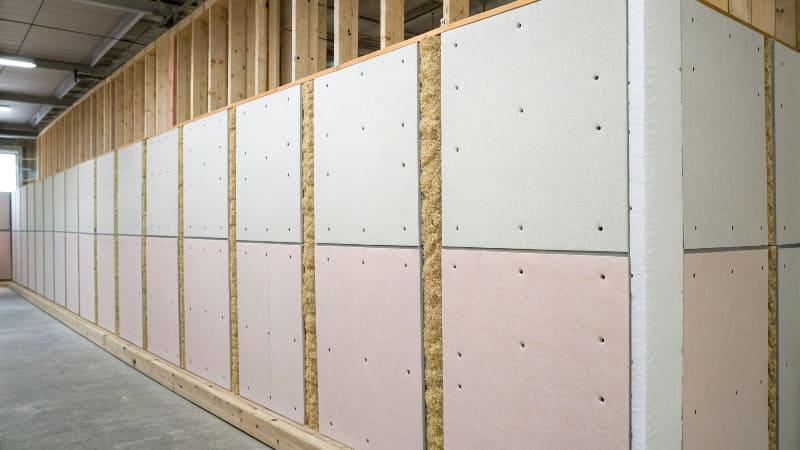
Application Requirements by Location
Through code research and field experience, certain locations consistently benefit from or require purple drywall's enhanced performance.
| Location | Requirement Level | Reason | Alternative Options |
|---|---|---|---|
| Shower/Tub Surrounds | Often Required | Code compliance, water exposure | Cement board, tile backer |
| Bathroom Walls/Ceilings | Recommended | High humidity, condensation | Green board with good ventilation |
| Steam Rooms | Required | Extreme moisture conditions | Specialized moisture barriers |
| Commercial Kitchens | Required | Health codes, cleaning demands | Stainless steel, FRP panels |
| Basement Walls | Recommended | Ground moisture, limited ventilation | Waterproofing + standard drywall |
| Pool/Spa Areas | Recommended | Chlorine exposure, high humidity | Specialized pool-rated materials |
Local building codes vary significantly, so always check with authorities having jurisdiction before selecting materials for critical moisture areas.
Conclusion
Purple drywall provides superior moisture and mold resistance designed for high-humidity environments, representing a significant performance upgrade over standard and green drywall options. While purple drywall costs 20-40% more than standard materials, it delivers superior long-term value through reduced maintenance and moisture-related problems. Green drywall offers basic moisture resistance while purple provides enhanced protection through advanced core formulation and specialized facing materials. Purple drywall is required in shower surrounds in many areas and recommended for bathrooms, basements, and commercial applications where sustained moisture exposure occurs. Understanding these differences ensures proper material selection for specific environmental challenges and code compliance requirements.