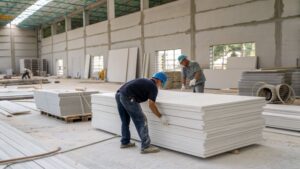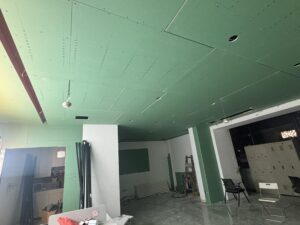


Understanding plasterboard composition helps builders make informed material choices and explains why this building product performs so well in construction applications worldwide.
The primary raw ingredient of plasterboard is gypsum (calcium sulfate dihydrate), which is mixed with water, additives, and sandwiched between paper facings to create a lightweight, fire-resistant building panel suitable for interior construction.
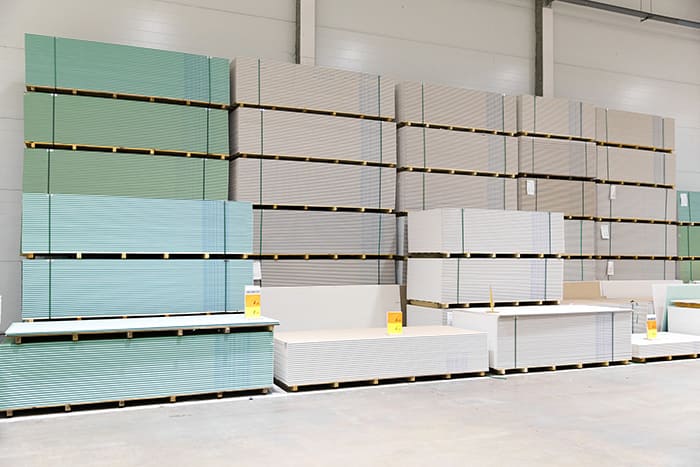
Having worked in building materials manufacturing for years, I have seen how the simple combination of gypsum and paper creates one of construction's most versatile products. The chemistry and engineering behind this basic recipe produces remarkable performance characteristics.
Why is Plasterboard Not Allowed in Skips for Waste Disposal?
Many contractors discover disposal restrictions the hard way when waste management companies refuse mixed loads containing plasterboard. Understanding these rules prevents project delays and additional costs.
Plasterboard is not allowed in general waste skips because it releases toxic hydrogen sulfide gas when mixed with organic waste in landfills, creating safety hazards and environmental contamination that requires specialized handling and disposal methods.
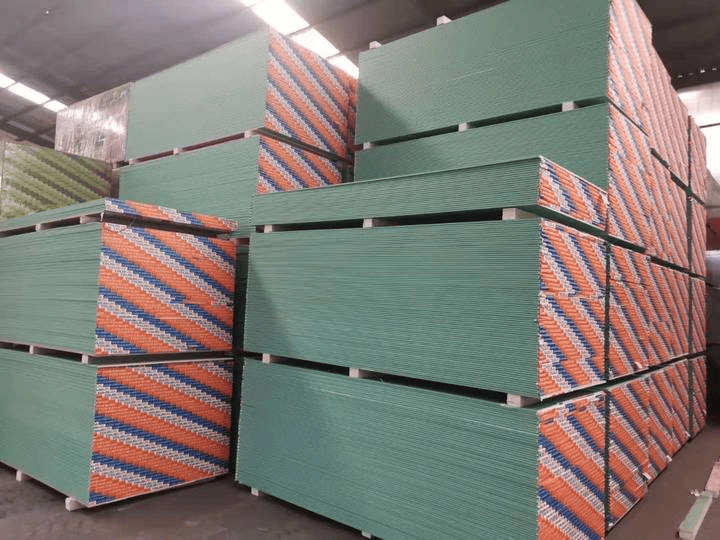
The Environmental Chemistry Behind Disposal Restrictions
The disposal restrictions for plasterboard stem from serious environmental and safety concerns that many people do not fully understand. When I first learned about these issues while working with waste management companies, I realized how important proper disposal becomes for public health and environmental protection.
Hydrogen sulfide gas production occurs when gypsum from plasterboard contacts organic materials in anaerobic conditions typical of landfills. Bacteria break down organic waste and create acidic conditions that react with calcium sulfate in gypsum. This reaction produces hydrogen sulfide, a toxic gas that smells like rotten eggs and can be lethal in high concentrations.
The gas poses immediate dangers to landfill workers and nearby communities. Hydrogen sulfide is heavier than air and can accumulate in low areas, creating invisible hazard zones. Even small amounts cause eye irritation and respiratory problems. Higher concentrations can cause unconsciousness or death within minutes.
Groundwater contamination represents another serious concern from improper plasterboard disposal. Sulfate compounds leach from gypsum into soil and groundwater systems. High sulfate levels make water unsuitable for drinking and can damage concrete structures through sulfate attack. The contamination can persist for decades once established.
Regulatory responses vary by location but generally require segregated disposal or recycling. European Union regulations prohibit gypsum waste in non-hazardous waste landfills. Many US states have similar restrictions or require special permits for gypsum disposal. These rules continue expanding as environmental awareness increases.
Recycling programs offer better alternatives where available. Clean plasterboard can be processed back into new gypsum products or used for soil amendment in agriculture. However, contaminated plasterboard mixed with other materials becomes much more difficult and expensive to recycle properly.
The cost implications affect construction budgets when proper disposal is required. Specialized gypsum waste collection costs 2-3 times more than general construction waste disposal. Projects must budget for separate containers and hauling to approved facilities. Large projects may justify on-site grinding and recycling equipment.
Prevention strategies help minimize disposal costs and environmental impact. Accurate material takeoffs reduce waste generation. Careful handling prevents contamination with other materials. Some contractors arrange direct returns of unused materials to suppliers who can recycle them more efficiently.
| Disposal Method | Environmental Impact | Cost Factor | Availability |
|---|---|---|---|
| Mixed landfill disposal | High risk, prohibited | N/A | Illegal in most areas |
| Segregated landfill | Moderate risk, controlled | 2-3x normal rates | Limited locations |
| Recycling programs | Low impact, beneficial | Variable, sometimes lower | Growing availability |
| Return to manufacturer | Minimal impact | Often free for clean material | Limited programs |
What Material is Plasterboard Made From Beyond the Basic Components?
Plasterboard appears simple but contains carefully engineered components that determine performance characteristics. Understanding the complete material composition explains why different types perform differently.
Plasterboard is made from a gypsum core (80-90%), paper facings (5-10%), and specialized additives including starch binders, foam agents, accelerators, retardants, and fiberglass fibers depending on the intended application and performance requirements.

The Engineering Science of Plasterboard Formulation
The material science behind plasterboard involves precise formulations that most users never consider. During my years working with product development teams, I learned how small changes in composition create dramatically different performance characteristics for specific applications.
Gypsum quality and processing determine the core properties of finished plasterboard. Natural gypsum from quarries provides consistent quality but requires transportation costs. Synthetic gypsum from power plant scrubbers offers environmental benefits but needs more processing to remove impurities. The gypsum must be calcined at precise temperatures to create the right crystal structure for setting.
Paper facing selection affects strength, paintability, and moisture resistance. Face paper typically weighs 42-50 pounds per 1000 square feet and receives treatments for improved paint adhesion. Back paper is usually heavier at 52-58 pounds per 1000 square feet for structural strength. Recycled paper content varies but can reach 100% with proper processing.
Starch additives serve multiple functions in plasterboard manufacturing. They improve bond strength between gypsum core and paper facings. Starch also increases core strength and reduces cracking during drying. The type and amount of starch affects working time during manufacturing and final board characteristics.
Foam agents control board density and thermal properties. More foam creates lighter boards with better insulation values but reduced strength. The foaming chemistry must balance density reduction with structural requirements. Different foam systems work better for different board thicknesses and applications.
Setting time modifiers allow precise control of manufacturing processes. Accelerators speed up gypsum setting for faster production line speeds. Retardants slow setting when needed for thicker boards or special applications. The balance between accelerators and retardants determines working time and final strength development.
Fiberglass additions improve impact resistance and reduce cracking in high-performance boards. Short glass fibers distribute throughout the gypsum matrix and provide reinforcement similar to rebar in concrete. The fiber content must be optimized to improve performance without interfering with manufacturing processes.
Water quality affects both manufacturing and final board properties. Dissolved minerals can interfere with gypsum setting or cause discoloration. pH levels must be controlled within narrow ranges. Water recycling systems in manufacturing plants require careful management to maintain quality standards.
Specialized additives create boards for specific applications. Fire-resistant boards contain vermiculite or other mineral additives. Moisture-resistant boards use silicone treatments or special core formulations. Mold-resistant boards incorporate fungicides or eliminate organic components that support mold growth.
Is There a Difference Between Drywall and Plasterboard Applications?
The terminology varies by region and can create confusion when specifying materials or comparing products. Understanding the distinctions helps with international projects and material sourcing.
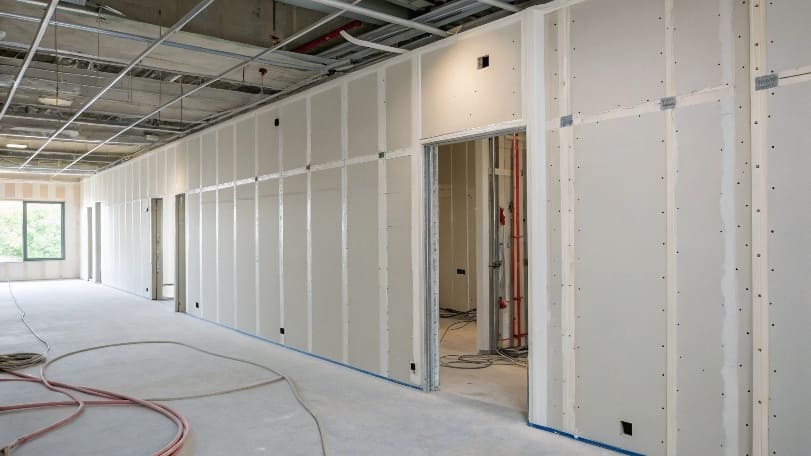
Drywall and plasterboard refer to essentially the same product with regional naming preferences - drywall is the common term in North America emphasizing the dry installation method, while plasterboard is preferred in the UK and Europe, emphasizing the gypsum plaster core material.
Understanding Regional Variations and System Differences
The terminology differences reflect historical development and marketing approaches in different markets rather than fundamental product differences. However, subtle variations in manufacturing standards, sizes, and installation methods do exist between regions that can affect material selection and construction methods.
North American drywall systems emphasize speed of installation and standardized dimensions. Standard board widths of 48 inches and lengths up to 16 feet accommodate typical framing spacing and reduce joints. The joint treatment system uses paper tape and multiple coats of joint compound applied with specialized tools for efficiency.
European plasterboard systems often feature different dimensions and installation methods. Metric sizing creates boards that are 1200mm wide instead of 48 inches. Edge profiles may include tapered edges, square edges, or tongue-and-groove systems not common in North America. Installation methods sometimes use adhesive bonding to masonry walls rather than metal framing.
Performance standards vary between regions based on local building codes and climate conditions. European standards often emphasize thermal performance and moisture management for different climate zones. North American standards focus more on fire resistance and seismic performance requirements.
Manufacturing processes show subtle differences that affect product characteristics. European plants often use different gypsum sources and may incorporate more recycled content. Quality control standards and testing methods can vary, though performance levels are generally comparable across regions.
Joint treatment systems represent the most significant practical differences between regional approaches. North American methods use paper or fiberglass mesh tape with multiple compound applications and sanding. European methods may use self-adhesive tape systems or different compound formulations that require less sanding.
Installation tool differences reflect the varying approaches to joint treatment and board handling. European installers often use different taping tools and may employ pneumatic lifts more commonly for ceiling installation. Fastener types and spacing requirements can vary based on local structural codes.
Cost structures differ between regions due to labor costs, material availability, and market competition. These differences can affect material selection for international projects or influence decisions about importing materials versus local sourcing.
| Aspect | North American Drywall | European Plasterboard |
|---|---|---|
| Standard width | 48 inches (1219mm) | 1200mm |
| Standard lengths | 8-16 feet | 2000-3000mm |
| Edge profiles | Tapered, square | Tapered, square, T&G |
| Installation method | Metal frame dominant | Frame + adhesive bonding |
| Joint treatment | Paper tape, compound | Varied tape systems |
| Performance focus | Fire, seismic | Thermal, moisture |
Market globalization is reducing some regional differences as manufacturers expand internationally and construction methods become more standardized. However, local building codes and installation traditions maintain distinct regional characteristics that affect material selection and installation methods.
The practical impact for contractors and specifiers depends on project location and workforce training. Understanding regional preferences and standards helps avoid compatibility issues and ensures proper installation regardless of product terminology or source.
Conclusion
Plasterboard manufacturing combines gypsum, paper, and specialized additives to create versatile building panels that require proper handling throughout their lifecycle from production through disposal and recycling.