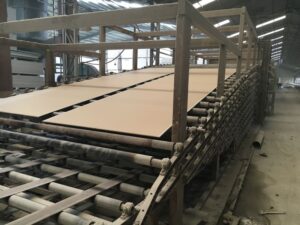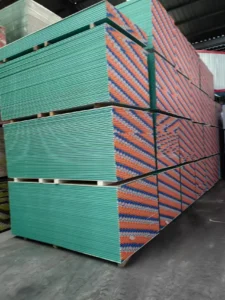


Many assume gypsum board and POP represent equivalent ceiling options, but significant differences exist. Gypsum versus POP comparison involves manufacturing precision, installation quality, environmental impact, and long-term performance that determine appropriate selection for different applications and design requirements.
Gypsum board is generally better than POP for modern construction due to superior quality control, faster installation, environmental safety, fire resistance, and long-term durability, while POP offers design flexibility and lower initial costs but lacks consistency and requires skilled craftsmen for quality results.
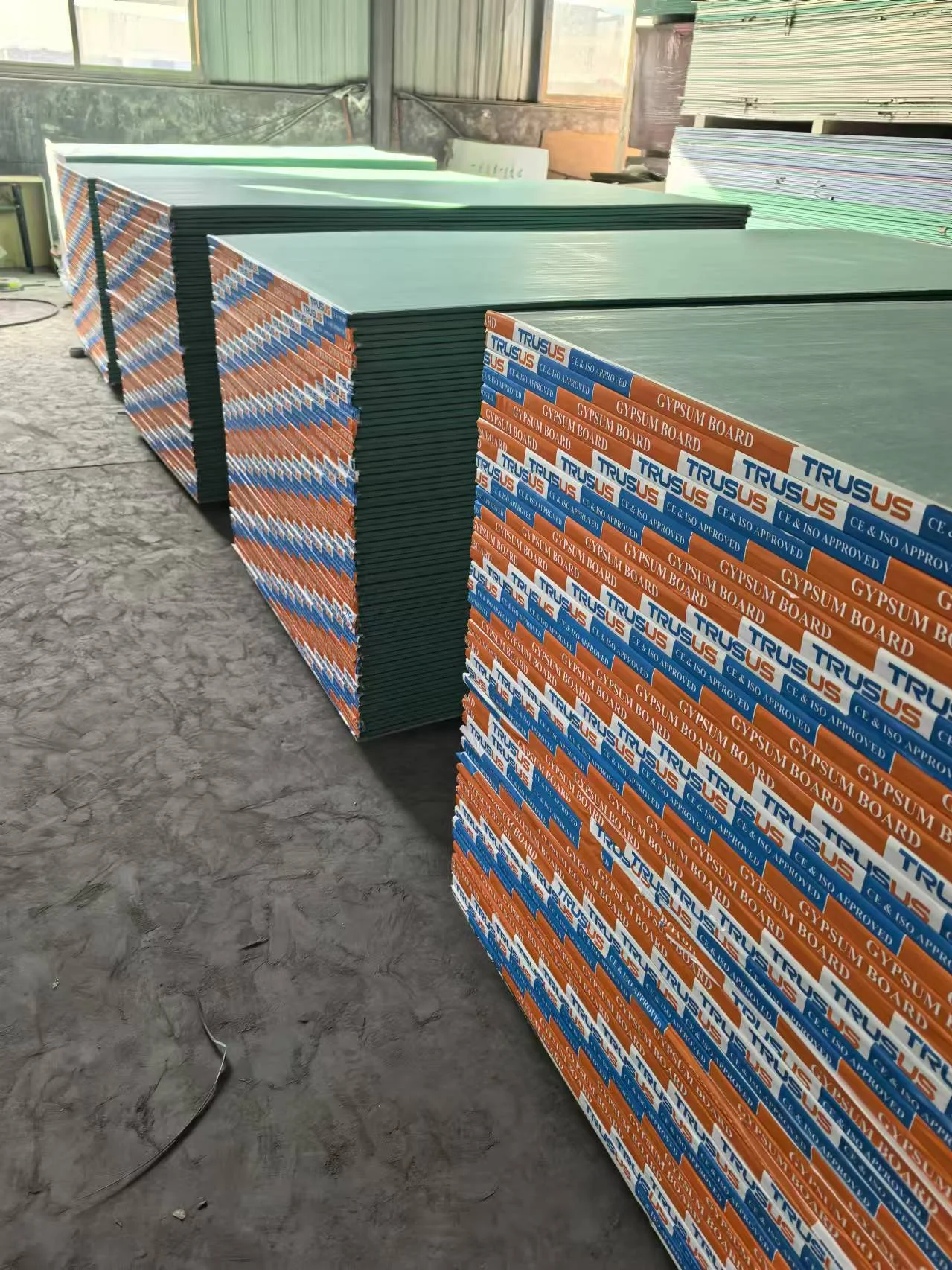
Through years of gypsum board manufacturing and ceiling system consulting, I learned that material selection involves understanding both immediate project needs and long-term performance expectations while considering installation quality, maintenance requirements, and overall space functionality beyond initial appearance.
What Ceiling Type Adds the Most Value?
Understanding ceiling value contribution helps optimize home improvement investments. Ceiling value involves aesthetic enhancement, functional benefits, and market perception that influence property value while considering installation costs, maintenance requirements, and buyer preferences in different market segments.
Coffered ceilings and tray ceilings typically add the most property value by creating architectural interest and perceived luxury, while modern suspended systems with integrated lighting provide functional value through improved acoustics, energy efficiency, and design flexibility that appeals to contemporary buyers seeking quality and convenience.

Comprehensive Ceiling Value Analysis and Market Impact Assessment
Ceiling value contribution involves multiple factors including aesthetic appeal, functional benefits, and market positioning that determine return on investment for different ceiling types. During my experience working with residential construction and property value optimization, I learned that ceiling selection affects both immediate enjoyment and long-term property marketability through buyer perception and functionality.
Coffered ceilings create maximum visual impact through geometric patterns and dimensional depth that suggest luxury craftsmanship while adding architectural character that distinguishes properties in competitive markets.
Tray ceilings provide elegant height variation and lighting opportunities that enhance room proportions while creating upscale appearance without extensive structural modifications.
Vaulted ceilings dramatically increase perceived space and natural light penetration that appeals to buyers seeking open, airy environments while potentially increasing actual square footage calculations.
Beam ceilings add rustic or contemporary character depending on material selection while creating visual interest and architectural definition that enhances room personality.
Modern suspended systems offer functional benefits including improved acoustics, integrated lighting, and climate control that appeal to buyers prioritizing comfort and energy efficiency over traditional aesthetics.
Market research shows ceiling improvements generating 60-80% return on investment for mid-range upgrades while premium installations may provide lower percentage returns but higher absolute value increases.
Regional preferences affect ceiling value with traditional markets favoring classical designs while contemporary markets prefer clean, functional approaches that maximize space and light.
Installation considerations include structural requirements, electrical integration, and construction complexity that affect project costs while determining feasibility for different property types.
Maintenance factors influence long-term value through cleaning requirements, repair accessibility, and material longevity that affect ownership costs while contributing to sustained property appeal.
Buyer demographics show younger buyers preferring functional ceiling systems with technology integration while mature buyers favor traditional designs with proven appeal and established maintenance patterns.
| Ceiling Type | Value Addition | Market Appeal | Investment Range |
|---|---|---|---|
| Coffered Ceilings | 15-25% premium | Luxury positioning | $3,000-12,000 |
| Traditional patterns | High-end appeal | Established buyers | Premium investment |
| Contemporary geometry | Modern luxury | Design-conscious market | Quality materials |
| Tray Ceilings | 10-20% enhancement | Broad appeal | $2,000-8,000 |
| Single tray | Popular choice | Mass market | Moderate investment |
| Multi-level design | Sophisticated look | Upscale positioning | Enhanced value |
| Vaulted Ceilings | 20-30% increase | Space enhancement | $5,000-15,000 |
| Cathedral style | Dramatic impact | Traditional appeal | Structural requirements |
| Modern vaulted | Contemporary feel | Current preferences | Engineering needs |
| Beam Ceilings | 12-18% premium | Character appeal | $4,000-10,000 |
| Exposed structural | Authentic appearance | Rustic markets | Material dependent |
| Decorative beams | Design flexibility | Style adaptation | Installation focused |
| Suspended Systems | 8-15% improvement | Functional value | $2,500-7,500 |
| Acoustic panels | Sound control | Professional spaces | Technical benefits |
| Integrated lighting | Modern convenience | Technology appeal | System complexity |
Which Type of Ceiling is Best for a Home?
Understanding optimal home ceiling selection helps balance aesthetics, functionality, and budget considerations. Home ceiling choice involves room function, architectural style, maintenance requirements, and personal preferences that determine appropriate ceiling types for different spaces and lifestyle needs.
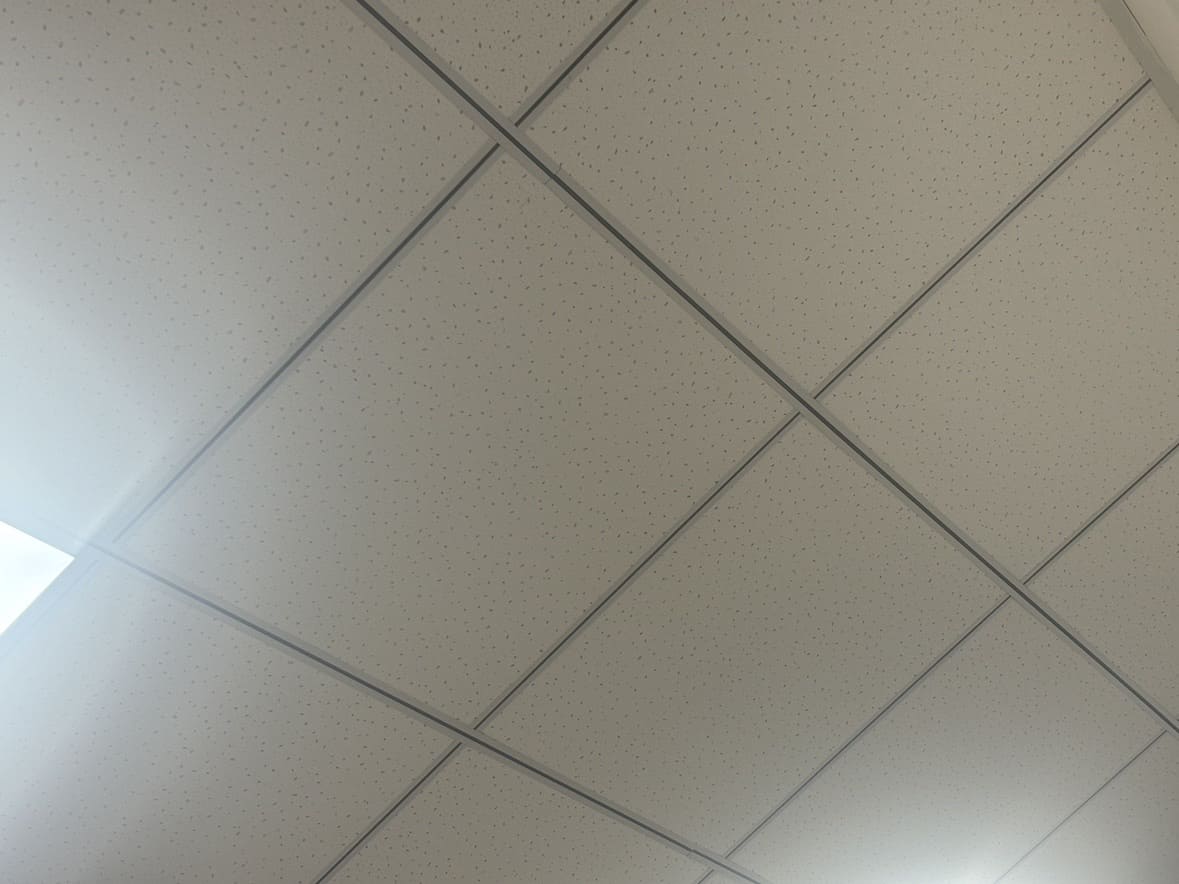
The best home ceiling type depends on specific room functions with gypsum board suspended systems optimal for living areas due to flexibility and maintenance ease, coffered or tray ceilings for formal spaces requiring elegance, and simple painted drywall for bedrooms prioritizing cost-effectiveness and simplicity.
Detailed Home Ceiling Selection Guide and Application Analysis
Home ceiling selection requires understanding room-specific requirements, lifestyle factors, and long-term considerations that determine optimal ceiling types for different spaces. During my experience working with residential ceiling systems and homeowner consulting, I learned that successful ceiling selection balances aesthetic goals with practical requirements while considering maintenance, budget, and architectural compatibility.
Living areas benefit from flexible ceiling systems that accommodate lighting integration, climate control, and potential future modifications while providing clean, contemporary appearance that suits various furniture arrangements and design changes.
Kitchen ceilings require moisture resistance, easy cleaning, and grease-resistant surfaces while accommodating ventilation systems, recessed lighting, and potential equipment installations that demand accessible ceiling systems.
Bedroom ceilings prioritize acoustic control, lighting flexibility, and restful aesthetics while minimizing maintenance requirements and maximizing cost-effectiveness for private spaces with limited visibility to guests.
Bathroom ceilings demand moisture resistance, ventilation compatibility, and easy cleaning with materials that prevent mold growth while accommodating exhaust fans and lighting fixtures in humid environments.
Dining rooms suit elegant ceiling treatments including tray or coffered designs that create formal atmosphere while accommodating chandelier installation and providing appropriate scale for furniture arrangements.
Family rooms require durable, low-maintenance ceilings with acoustic benefits for entertainment activities while accommodating various lighting needs and potential technology integration for modern lifestyle requirements.
Home office spaces need acoustic control, lighting optimization, and professional appearance while maintaining cost-effectiveness and compatibility with residential architectural styles.
Basement applications require moisture management, insulation properties, and accessibility for utilities while creating comfortable living spaces that feel integrated with main house areas.
Budget considerations allow prioritizing ceiling investments in high-visibility spaces while using cost-effective solutions in utility areas and bedrooms where elaborate treatments provide minimal return.
Maintenance planning involves selecting appropriate ceiling types based on cleaning requirements, repair accessibility, and long-term appearance retention that matches homeowner preferences and capabilities.
| Room Type | Recommended Ceiling | Key Benefits | Budget Range |
|---|---|---|---|
| Living Areas | Suspended gypsum board | Flexibility, maintenance | $3-8 per sq ft |
| Open concept | Clean, modern lines | Space continuity | Cost-effective |
| Traditional style | Architectural integration | Design compatibility | Moderate investment |
| Kitchen Spaces | Moisture-resistant systems | Easy cleaning, durability | $4-10 per sq ft |
| High-traffic area | Practical performance | Maintenance ease | Value focused |
| Ventilation integration | System compatibility | Functional requirements | Professional installation |
| Bedroom Areas | Standard drywall | Cost-effectiveness, simplicity | $2-5 per sq ft |
| Private spaces | Basic functionality | Minimal investment | Standard quality |
| Master bedroom | Enhanced treatments | Personal comfort | Selective upgrading |
| Formal Spaces | Tray or coffered | Elegant appearance | $5-15 per sq ft |
| Dining rooms | Sophisticated design | Entertainment value | Premium investment |
| Entry areas | First impressions | Architectural impact | Strategic enhancement |
| Bathrooms | Moisture-resistant panels | Humidity control, cleaning | $4-8 per sq ft |
| Ventilation compatibility | System integration | Functional requirements | Moisture protection |
| Easy maintenance | Long-term performance | Practical benefits | Durability focus |
Is the POP Ceiling Outdated?
Understanding POP ceiling relevance helps evaluate contemporary design trends and material evolution. POP ceiling assessment involves modern construction standards, aesthetic preferences, and performance requirements that determine continued viability versus alternative ceiling systems in current markets.
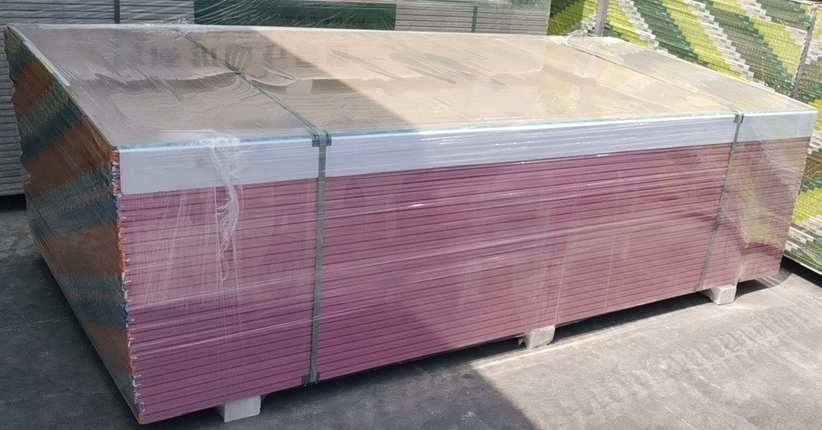
POP ceiling is largely outdated for modern construction due to inconsistent quality, environmental concerns, maintenance difficulties, and availability of superior alternatives like gypsum board that provide better performance, safety, and aesthetic consistency while meeting contemporary building standards and buyer expectations.
Comprehensive POP Ceiling Analysis and Modern Context Assessment
POP ceiling evaluation requires understanding both historical context and contemporary construction evolution that has shifted market preferences toward more reliable and sustainable ceiling systems. During my experience working with ceiling system transitions and market development, I learned that POP limitations become apparent when compared to modern alternatives that offer superior performance and consistency.
Historical context shows POP ceilings dominating markets when alternatives were limited and labor costs were low while providing affordable decoration options for budget-conscious consumers seeking architectural interest.
Quality consistency issues with POP include dependence on craftsman skill, material mixing variations, and curing conditions that create unpredictable results while modern systems provide factory-controlled quality and consistent performance.
Environmental concerns include dust generation during mixing and installation, potential chemical exposure, and waste generation that conflict with modern green building standards and health consciousness.
Maintenance challenges involve crack development over time, difficulty in repairs, and limited access to concealed systems while modern alternatives provide easier maintenance and better long-term appearance retention.
Installation efficiency shows POP requiring longer installation times, skilled labor availability, and weather-dependent curing while modern systems offer faster installation with predictable schedules and consistent results.
Design limitations include restricted modification options, limited integration with modern systems, and difficulty achieving precise geometries while contemporary alternatives provide greater design flexibility and system integration.
Fire safety considerations show POP providing basic fire resistance while modern alternatives offer certified fire ratings and better performance in emergency situations with documented safety characteristics.
Market evolution demonstrates declining POP usage in developed markets while premium projects increasingly specify engineered ceiling systems that provide superior performance and appearance consistency.
Cost analysis reveals total ownership costs favoring modern alternatives despite higher initial investment through reduced maintenance, better durability, and improved performance characteristics.
Future outlook suggests continued POP decline in quality construction while remaining viable for budget applications in markets where labor costs favor traditional methods over engineered systems.
| Evaluation Criteria | POP Performance | Modern Alternatives | Market Trend |
|---|---|---|---|
| Quality Consistency | Variable results | Factory controlled | Favors alternatives |
| Craftsman dependent | Skill variations | Standardized quality | Reliability preference |
| Material mixing | Inconsistent outcomes | Precise manufacturing | Predictable results |
| Installation Efficiency | Labor intensive | Faster installation | Time advantages |
| Weather dependent | Curing limitations | Controlled conditions | Schedule reliability |
| Skill requirements | Specialized craftsmen | Standard techniques | Labor availability |
| Maintenance Requirements | Difficult repairs | Easy maintenance | Long-term value |
| Crack development | Common problems | Stable performance | Performance preference |
| Access limitations | Repair challenges | System accessibility | Practical advantages |
| Environmental Impact | Dust/chemical concerns | Cleaner installation | Health consciousness |
| Waste generation | Material inefficiency | Optimized systems | Sustainability focus |
| Health considerations | Exposure risks | Safe alternatives | Safety priorities |
| Design Flexibility | Limited options | Extensive possibilities | Creative demands |
| Modification difficulty | Fixed installations | Adaptable systems | Future-proofing needs |
| System integration | Basic compatibility | Advanced integration | Technology requirements |
| Market Position | Declining usage | Growing adoption | Clear preference shift |
| Budget focus | Cost limitations | Value optimization | Quality investment |
| Quality projects | Alternative preference | Premium standard | Professional choice |
Conclusion
Gypsum board outperforms POP through superior quality control, faster installation, and environmental safety while meeting modern construction standards, coffered and tray ceilings add maximum property value through architectural elegance, optimal home ceiling selection depends on room-specific functions with suspended gypsum systems best for living areas, and POP ceiling is largely outdated due to quality inconsistencies and availability of superior modern alternatives.