

Every time I visit a construction site, someone eventually asks, “How do you find studs behind drywall?” It’s one of the most common practical questions.
The two main methods to locate studs in drywall are by using an electronic stud finder or by manual detection through tapping and measuring. The stud finder detects density changes behind drywall, while manual methods rely on spacing logic and surface clues.
When I started working in the industry, we often didn’t have digital tools on site. Good installers could still trace stud positions accurately by reading patterns — that’s the craft behind modern systems.
How to Find Metal Studs Behind Drywall?
When you’re dealing with metal framing, the challenge changes slightly because metal reacts differently to sensors.
To find metal studs behind drywall, use an electronic stud finder with metal scan mode or a magnet to detect the steel screws or fasteners along the stud path. These signals mark where the vertical metal framing sits.
Why Metal Studs Behave Differently
I learned quickly that standard sensors sometimes struggle with metal due to conductivity and reflection. Professional-grade stud finders use different detection frequencies suited for metal framing.
| Detection Method | Accuracy | Tools Required | Notes |
|---|---|---|---|
| Metal Scan Mode (Stud Finder) | High | Electronic sensor | Detects framing density change |
| Strong Magnet | Medium | Rare-earth magnet | Finds screw heads hidden under paint |
| Infrared or Endoscopic Camera | Highest | Inspection device | Used in maintenance and renovation |
For quick checks, a magnet works well. For layout or electrical planning, I always recommend metal-scan stud finders for reliability.
How to Find Metal Studs Without a Stud Finder?
Sometimes on small repair jobs, or when tools aren’t available, installers still need results.
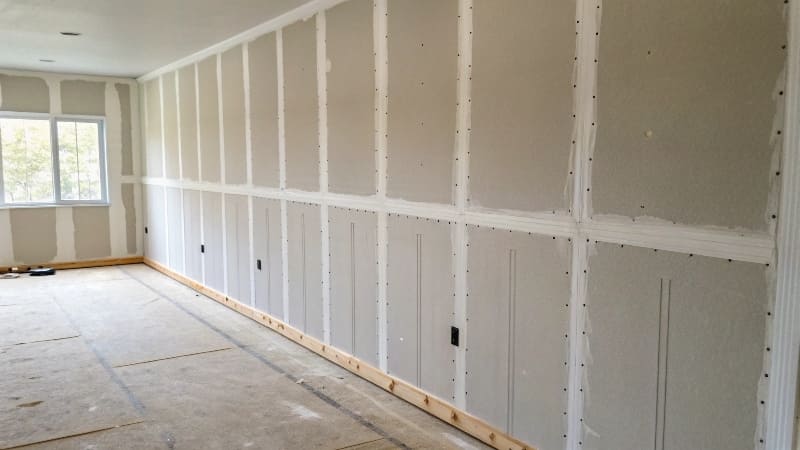
You can find metal studs without a stud finder by tapping along the wall to hear hollow and solid differences, observing drywall screw dimples, and measuring typical stud spacing—usually 16 or 24 inches apart starting from a corner or outlet.
Mastering the Manual Way
In my experience, visual and sound reading skills save time during reworks. For example, electrical boxes are usually attached to one side of a stud, giving away its position.
| Observation Technique | What to Look For | Reliability Level |
|---|---|---|
| Tapping Sound Test | Solid “thud” sounds for studs | Medium |
| Screw Head Line | Vertical dimple patterns on paint | High |
| Outlet or Switch Edge | Stud always located beside outlet box | High |
| Corner or Wall Measurement | Measure 16" or 24" to next stud | Medium |
These small tricks come from experience more than manuals. Even with advanced tools, real installers rely on their eyes and ears first.
Can a Regular Stud Finder Find Metal Studs?
Many people assume regular stud finders only work on wood framing.
Yes, regular stud finders can detect metal studs, as long as they have a metal-sensing mode or use advanced density detection technology. Older basic finders may struggle since they rely solely on scanning variations in dielectric density rather than magnetic feedback.
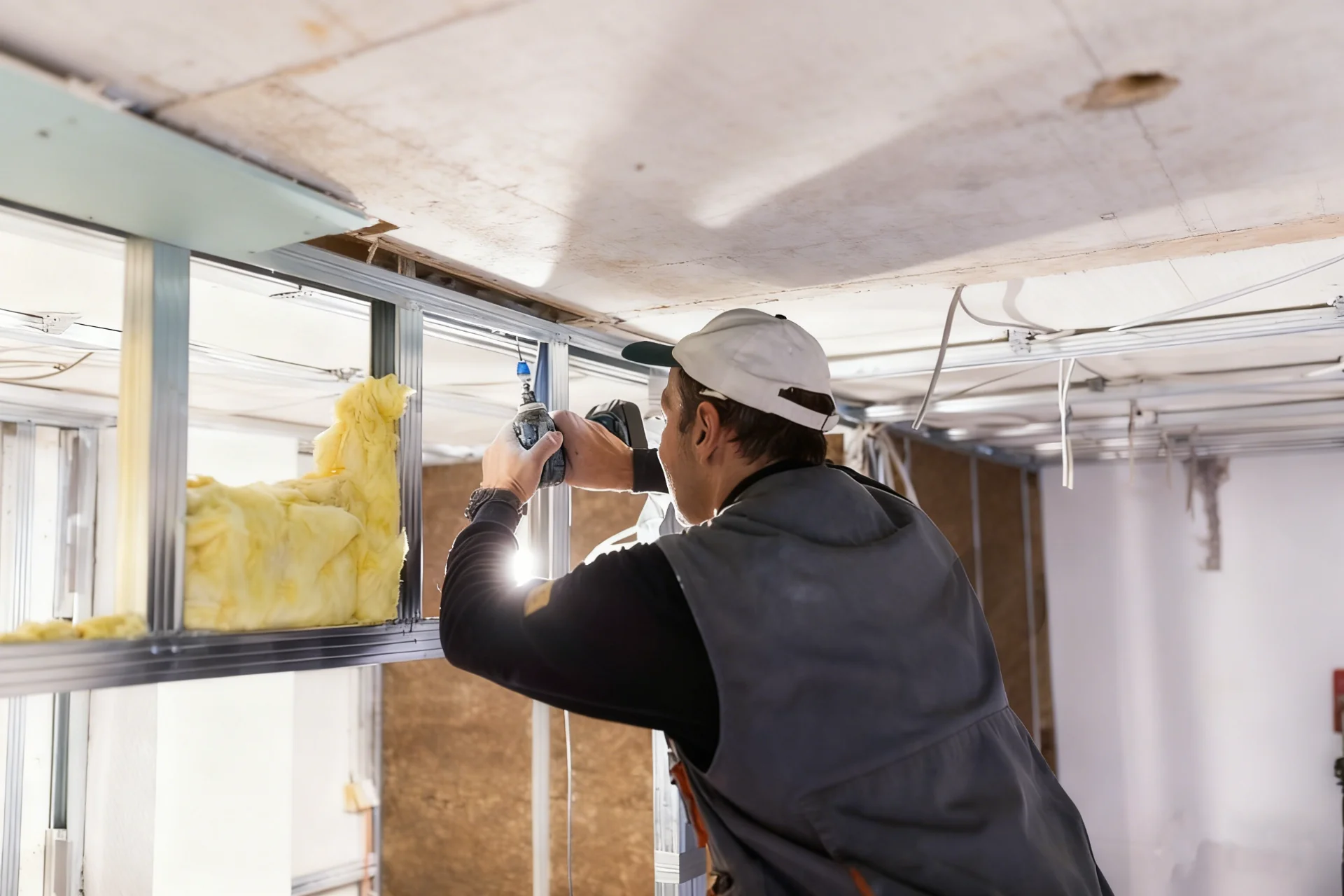
Understanding Finder Capabilities
From my own field tests, not all electronic finders are equal. The difference lies in detection range and sensitivity settings, especially for denser substrates like multilayer drywall or insulation.
| Stud Finder Type | Works on Metal Studs? | Detection Depth | Comments |
|---|---|---|---|
| Basic Edge Finder | ❌ No | 0.75" | Designed for wood only |
| Deep Scan Digital Finder | ✅ Yes | Up to 1.5" | Sensitive to structural variations |
| Multifunction Metal Mode Finder | ✅✅ Excellent | Up to 3" | Detects both ferrous and non-ferrous studs |
| Magnet-Based Manual Finder | ✅ Yes (limited) | Surface depth only | Detects screws, not stud profile |
In high-performance walls, I prefer using dual-mode (wood + metal) detectors to confirm stud alignment before anchoring anything heavy. It ensures precision and prevents accidents.
Conclusion
There are two main ways to locate studs in drywall—electronic stud finders and tapping or measurement methods. For metal studs, magnets or stud finders with metal scan mode work best. Without tools, clues like outlet positions or screw dimples reveal structural locations. Regular stud finders can find metal studs when equipped with metal detection. In short, finding studs isn’t guesswork—it’s understanding structure.