

Cracks in your drywall ceiling can be frustrating, especially when they appear again after repairs. The cause is often not the drywall itself, but deeper structural or environmental factors.
Most drywall ceiling cracks are caused by structural settlement, temperature and humidity changes, or improper installation. Identifying the root cause is key before attempting any repair.
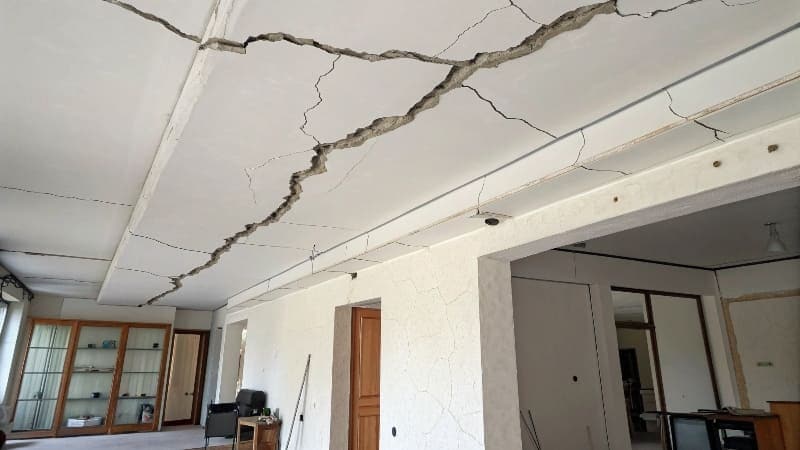
When I first started in ceiling construction, I thought cracks were just bad material problems. But after twenty years on the job, I learned it’s usually movement in the building, moisture, or heat changes that pull joints apart. I have seen this in new houses settling, in apartments with water leaks upstairs, and in top floors exposed to the sun. If you know the reason, you can reduce cracks almost completely. Let’s look at the common issues and the best ways to prevent them.
How to avoid drywall cracking?
Cracks form mainly at weak points in the ceiling, such as panel joints or wall-to-ceiling corners, when materials move differently due to stress, temperature, or moisture.
To avoid drywall cracking, control frame spacing, use proper thickness boards, tape all joints, use flexible compound, and allow for movement where drywall meets walls.
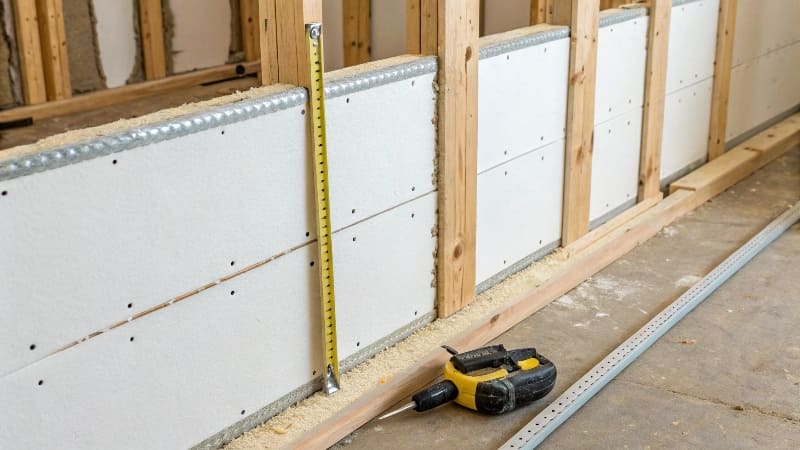
From my experience, avoiding cracks starts with the frame. I never let the metal or wood studs be more than 30 cm apart. I always use 12 mm thick gypsum board, never thinner. At the joints, I press in fiberglass mesh tape, not paper tape, and use flexible joint compound. Corners where the wall meets the ceiling must not be fixed hard; I leave a little allowance for natural movement. Below is a quick comparison:
| Step | Poor Practice | Best Practice |
|---|---|---|
| Stud spacing | 40–60 cm | ≤ 30 cm |
| Board thickness | 9 mm | 12 mm |
| Joint treatment | No tape / paper tape only | Mesh tape + flexible compound |
| Wall-ceiling joint | Fixed rigidly | Leave small movement gap |
| Painting timing | Before putty dries | After full drying to avoid shrinkage cracks |
These steps alone cut down most cracking issues I see in projects.
How to avoid cracks in gypsum ceiling?
Moisture, heat expansion, and poor installation are the main causes for cracks in gypsum ceilings. New buildings settle over time, so early cracks are common.
To avoid cracks, fix leaks, protect ceilings from dampness, use quality moisture-resistant boards, reinforce insulation, and delay full repairs until settlement stops.
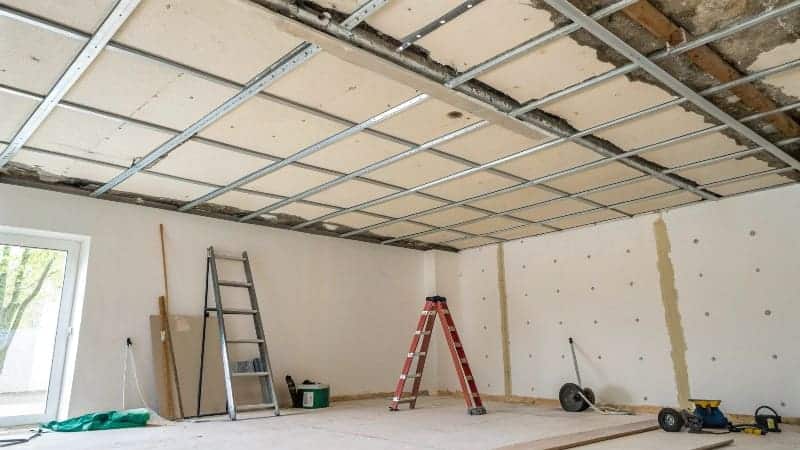
One villa I worked on had cracks three times in the same spots. We searched for the cause and found the upstairs bathroom leak was soaking the ceiling. The gypsum board swelled and shrank when it dried. After fixing the waterproofing properly, the cracks never came back. In another case, on a sunny top floor duplex, summer heat made huge temperature swings. Normal boards could not handle it. I switched to moisture-resistant boards and added insulation. That stopped new cracks. When you choose materials, think about how your space behaves over the seasons. Moisture and temperature swings destroy ceilings faster than anything else. Seal leaks, control the indoor climate, and reinforce where needed. Just using better boards without solving environmental issues will not work.
| Problem Cause | Solution |
|---|---|
| Leak from above | Repair waterproofing before ceiling repair |
| Sun/heat exposure | Use insulated and moisture-resistant boards |
| High humidity | Improve ventilation, use flexible products |
| New building settle | Wait 1–2 years before final repairs |
| Poor workmanship | Hire skilled installer with experience |
How to stop recurring ceiling cracks?
Recurring cracks mean the root problem has not been solved. Patching them without fixing the cause wastes time and money.
Stop recurring cracks by identifying and addressing the core issue, then reinforcing joints and using flexible compounds for durability.

My rule is: never repair the same crack twice the same way. If it cracked again, I missed the true cause. First, I inspect for leaks or condensation above the crack. Then I check if the frame has loosened or sagged. I also look for temperature stress, such as heating under the ceiling. Once the problem is fixed, I cut out the old finish around the crack, re-tape it with mesh, and fill it with flexible compound. If the gap is at a wall-ceiling join, I add an expansion joint to let it move naturally. Skipping these steps will just make the crack come back. It’s better to spend more hours on one lasting repair than to repaint every year.
| Recurring Crack Cause | Lasting Fix |
|---|---|
| Leak or water damage | Repair leak, replace damaged sections completely |
| Loose frame | Secure or rebuild with proper spacing |
| Temperature stress | Improve insulation, use flexible materials |
| Structure still moving | Delay final finish, use temporary patching only |
| Inflexible finish | Use elastic coatings or joint systems |
Conclusion
Most ceiling cracks come from movement, moisture, or heat — not bad drywall. Solve the cause first, then use strong, flexible methods for lasting repairs.