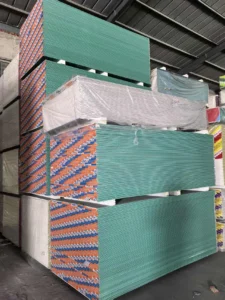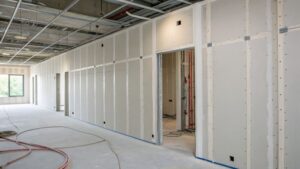


Confused by building terms? You think gypsum board and drywall are the same, which can lead to costly mistakes. I will clarify this common misconception to save you time and money.
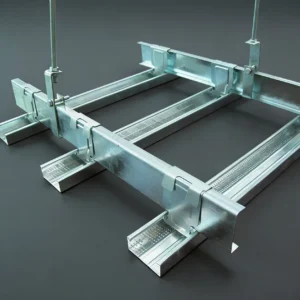
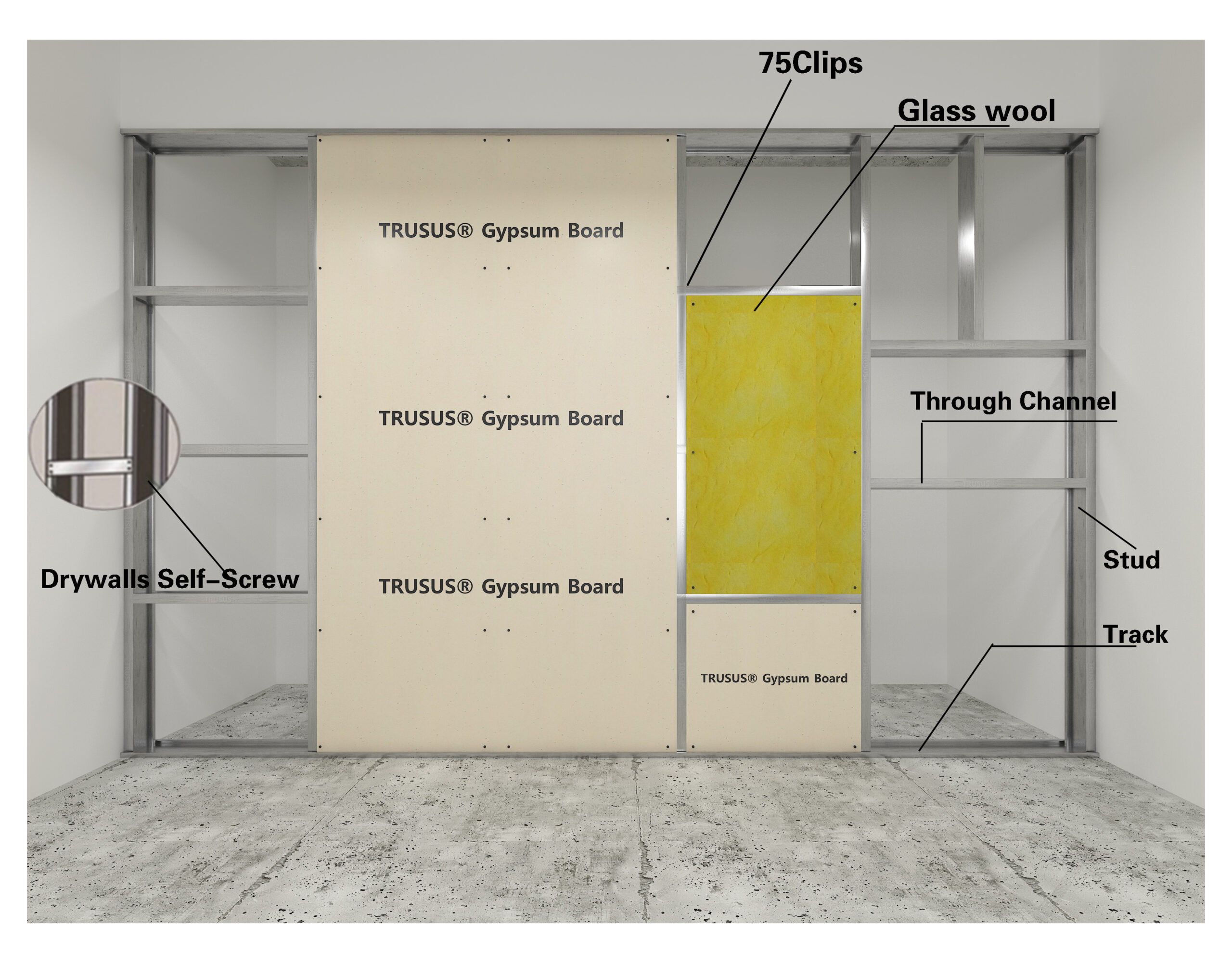
Yes, gypsum board is the main component of drywall, but they are not the same thing. Drywall is a complete construction system. It includes the gypsum board panel, the metal or wood framing, fasteners, and jointing compounds. Thinking of it as just a board is a big mistake.
Every day at my factory, I get questions from engineers like Marcin and from homeowners. "Is gypsum board just drywall?" "What's the best kind for my ceiling?" These questions point to a big misunderstanding in our industry. People often think all gypsum boards are the same generic material. But they are not. This confusion all starts with a simple fact that is often overlooked. As someone who started on the factory floor and eventually built my own, I’ve seen firsthand how this small misunderstanding can lead to big problems. Let's break down why this matters and how to get it right.
What Type of Drywall is Best for Ceilings?
Choosing the wrong ceiling board can lead to sagging and ugly cracks. You want a perfect, smooth finish, but picking from so many options is tough. Let's find the right fit.
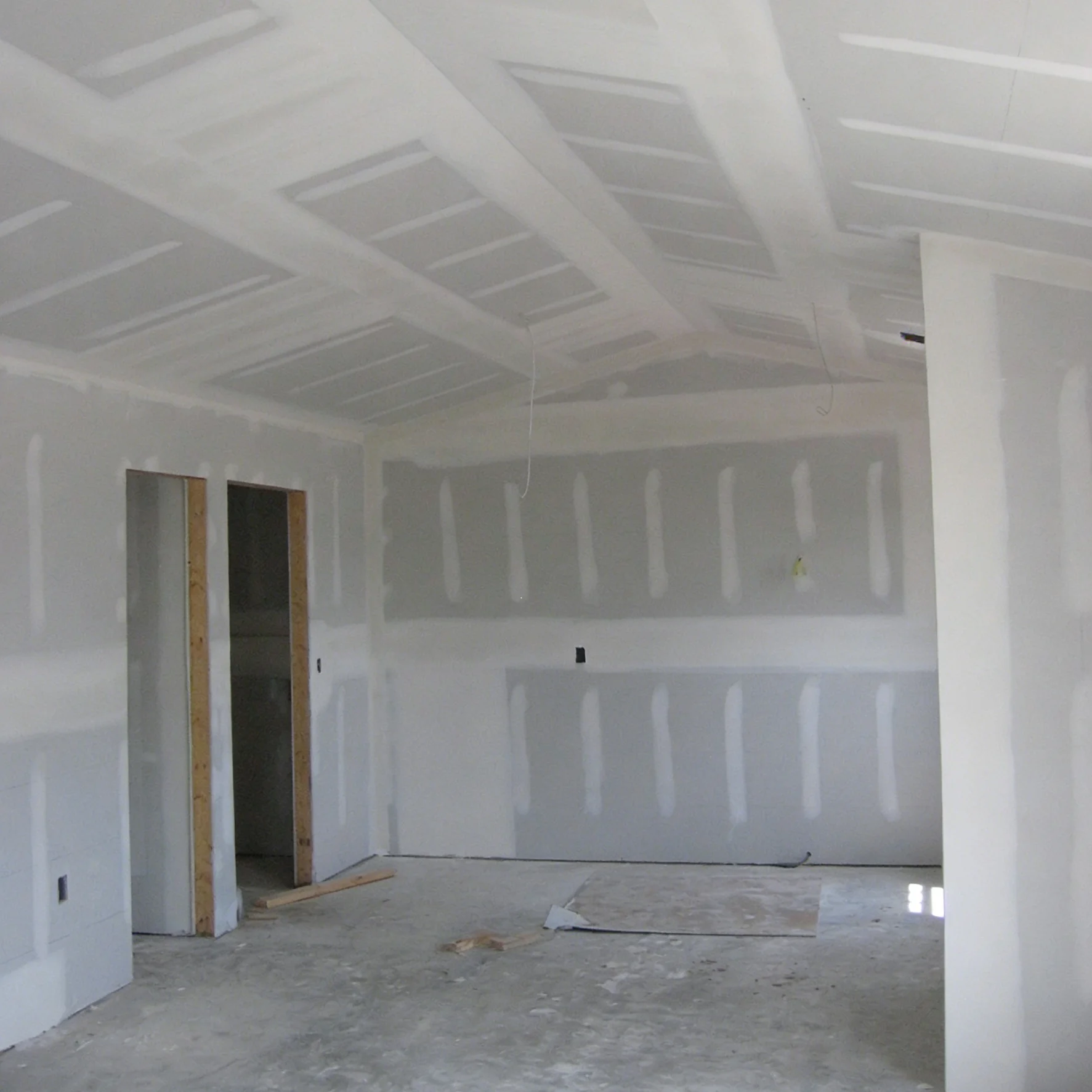
There is no single "best" drywall for all ceilings. For most living rooms and bedrooms, a standard 9.5mm or 12.5mm lightweight board is excellent. For kitchens and bathrooms, you must use a moisture-resistant board. For longer spans, a thicker 12.5mm sag-resistant ceiling board is better.
Matching the Board to the Room
When I started in this business, I learned a simple rule: the room tells you what board to use. A ceiling in a dry bedroom has very different needs than a ceiling in a steamy kitchen. Using one type of board for everything is a recipe for failure. A responsible project manager will have a list of different boards for different areas, not just one. For everyday living spaces, a 9.5mm standard board with a tapered edge is a great, cost-effective choice. It's light, making it easier to lift and install overhead, and the tapered edges make it simple to create invisible joints for a beautiful, flat finish.
Why Thickness and Edges Matter
But if you're spanning a large great room, that 9.5mm board might not be enough. Over time, gravity can cause it to sag. That's where a thicker 12.5mm sag-resistant board comes in. It has more structural rigidity. I once consulted on a project where the contractor tried to save a few dollars by using a thin, standard board across a wide living room ceiling. Within two years, it had a noticeable dip in the middle. The client had to pay to have the entire ceiling torn out and redone. The small initial saving cost them thousands. It's a classic example of focusing on the price of one board instead of the performance of the whole system.
| Room Type | Recommended Board | Key Benefit |
|---|---|---|
| Bedroom/Living Room | 9.5mm Tapered Edge Board | Lightweight, cost-effective, easy finishing. |
| Large Open-Plan Area | 12.5mm Sag-Resistant Board | Prevents sagging over long spans. |
| Kitchen/Bathroom | 12.5mm Moisture-Resistant Board | Prevents mold and moisture damage. |
| Garage/Utility Room | 15.9mm Type X Board | Fire resistance for safety and code compliance. |
Which Drywall Should You Use for Bathrooms?
Worried about mold and rot in your bathroom walls? Using the wrong drywall guarantees future damage and expensive repairs. Let’s make the right, waterproof choice from the start.
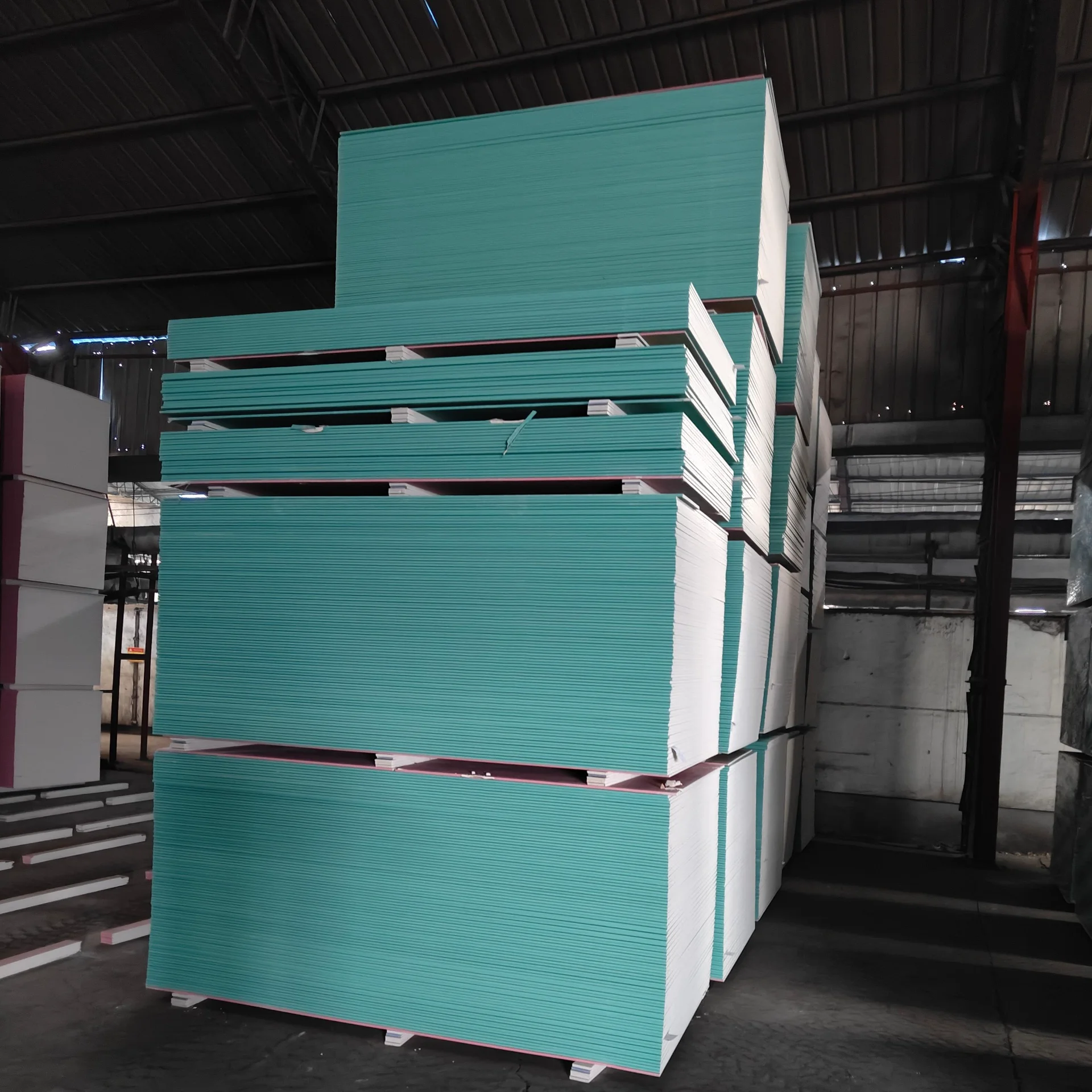
For bathrooms and other wet areas, you must use a moisture-resistant or waterproof gypsum board. This is often called "green board" or "purple board." Its core is specially treated to repel water and prevent mold. Standard drywall will absorb moisture, crumble, and fail, even with waterproof paint.
The Core Difference: Surface vs. Substance
We must keep telling the market this: any "money-saving" shortcut that uses standard board with a coat of waterproof paint in a wet area is just asking for trouble. It creates a future of leaks, mold, and even structural failure. The key to moisture-resistant board is in its DNA. During manufacturing, we infuse the gypsum core with water-repelling additives like silicone. It’s not a coating; it's part of the board itself. This is a fundamental performance feature that no surface paint can ever replicate. Choosing the right board isn’t an added cost; it’s avoiding a repair bill that could be ten times higher, not to mention the health risks of mold.
A Costly Mistake I've Seen Too Often
I remember a hotel developer who called me in a panic. He had to renovate all 200 of his hotel bathrooms just one year after opening. The original contractor had used standard drywall and "sealed" it with a high-end waterproof paint, promising it would be fine. But steam and moisture got through the tiny cracks and nail holes. The gypsum cores turned to mush, and black mold was growing behind the tiles. The cost to tear everything out and replace it with the proper moisture-resistant board was astronomical. It completely wiped out the initial "savings."
| Feature | Standard Board + Paint | Moisture-Resistant Board |
|---|---|---|
| Core | Standard gypsum | Gypsum with water-repellent additives |
| Protection | Surface-level only | Integral, throughout the core |
| Longevity in Wet Areas | Very Low (1-2 years) | Very High (Decades) |
| Risk of Failure | High (mold, rot, crumbling) | Low |
How Many Years Does Drywall Actually Last?
Do you think drywall has a fixed lifespan? This common belief can lead you to choose the wrong product, causing it to fail much sooner. Let's uncover the real truth.
The lifespan of drywall is not a fixed number. It depends entirely on choosing the right type of board for the right location. When installed correctly in a dry, stable environment, a standard gypsum board can easily last over 50 years, often for the entire life of the building.

It's Not About the Board, It's About the System
So, we can finally answer the ultimate question: "How long does drywall last?" Its life is a direct result of making the right choice for the specific situation. The same goes for fire safety. In high-rise buildings or commercial spaces, building codes demand fire-resistant drywall like Type X or Type C in stairwells and equipment rooms. These boards contain glass fibers and other additives in their core. These additives allow the board to hold together for a specific time during a fire, protecting structural elements and giving people time to escape. Here, the "lifespan" isn't measured in years on a wall, but in critical minutes during an emergency. This is a non-negotiable safety requirement.
A Tale of Two Walls
Think about it this way. A piece of standard gypsum board used on a bedroom wall, protected from moisture and physical damage, can last as long as the building itself—easily 50 or even 100 years. Its job is simple. Now, take that exact same board and install it on a basement wall that has a slight dampness problem. That board might not even last through one rainy season before it gets soft, moldy, and starts to fall apart. The product is the same, but the environment changed everything. The board's lifespan was determined not by its quality, but by whether it was the right choice for that specific place.
| Application | Board Type | Expected Lifespan (Correctly Installed) |
|---|---|---|
| Dry Bedroom Wall | Standard 12.5mm Board | 50+ Years (Life of Building) |
| Damp Basement Wall | Standard 12.5mm Board | < 2 Years |
| Properly Tiled Bathroom | Moisture-Resistant Board | 50+ Years (Life of Building) |
| Fire-Rated Corridor | Type X Fire-Resistant Board | 50+ Years (and 1-2 hours in a fire) |
Conclusion
As a manufacturer, I want to help you shift your focus. Don't just ask, "How much is one board?" Instead, ask, "What performance does this space need?"