

Logo
WhatsAppFacebookYouTube

Latest Articles

Discover insights, tutorials, and stories from our community of writers and experts.

How Are Mineral Fiber Ceiling Tiles Made?

How Are Mineral Fiber Ceiling Tiles Made?

Mar 30, 2026
Mineral fiber ceiling tiles are made by combining mineral wool, recycled paper, and binders into a slurry, shaping the mixture, then drying, finishing, and coating it for strength and appearance. TRUSUS insight: every tile begins as a network of fibers engineered for function, not just form. During production, high-temperature furnaces melt natural rock or slag […]
How Should Gypsum Board Be Stored?

How Should Gypsum Board Be Stored?

Mar 27, 2026
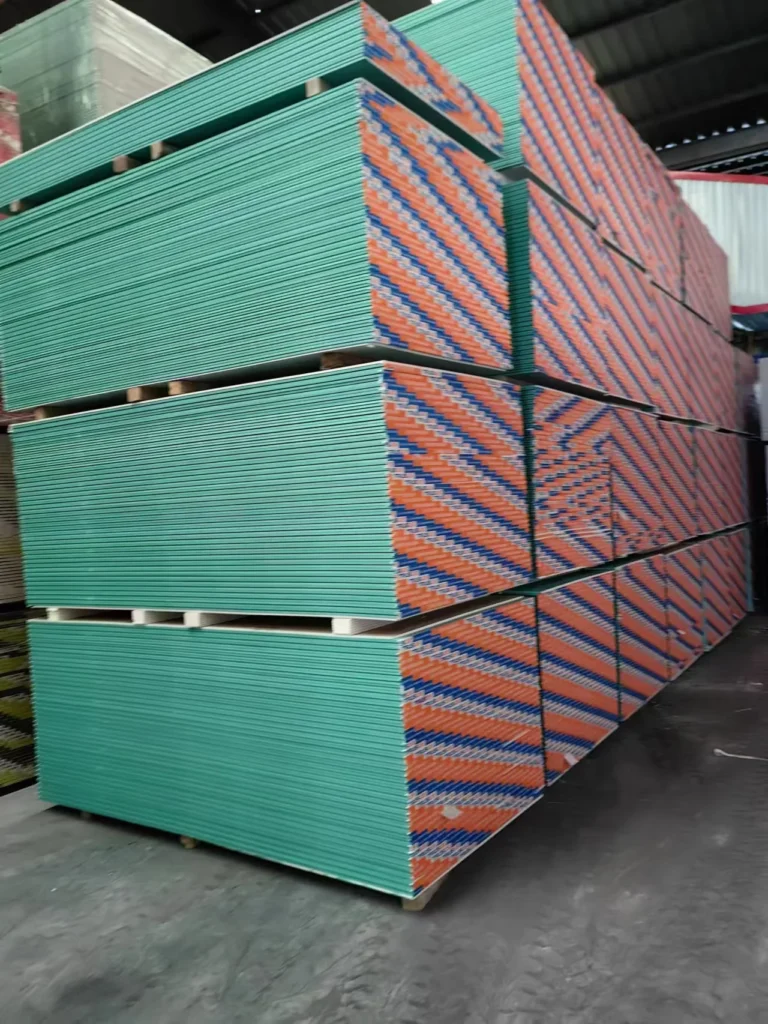
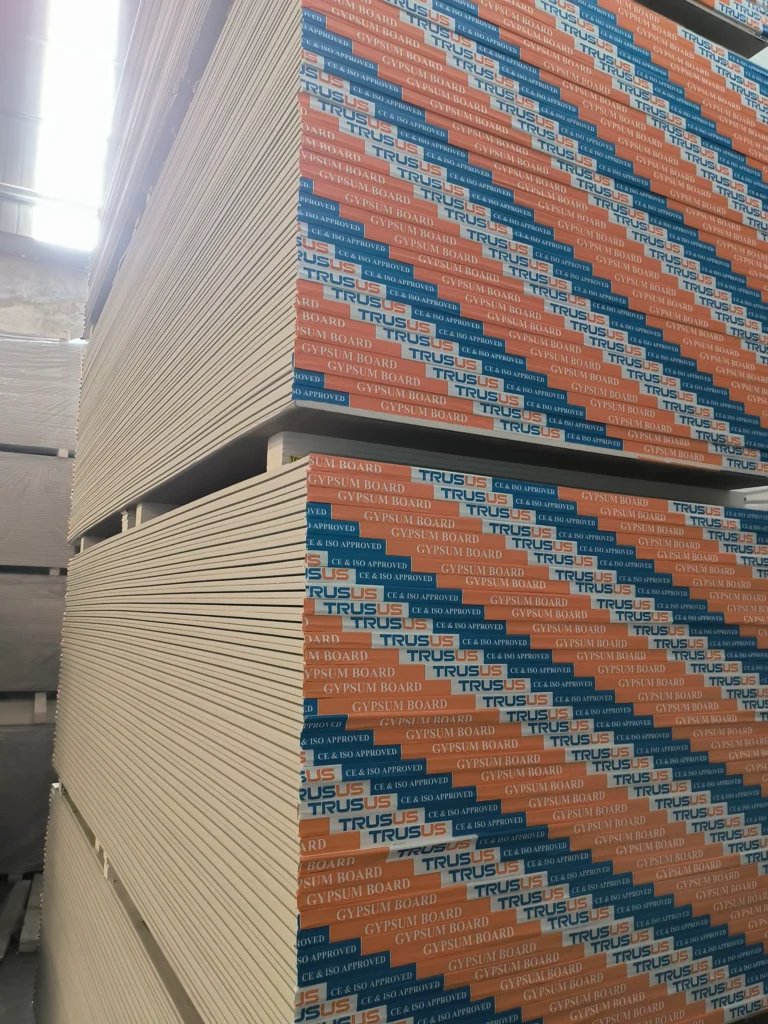
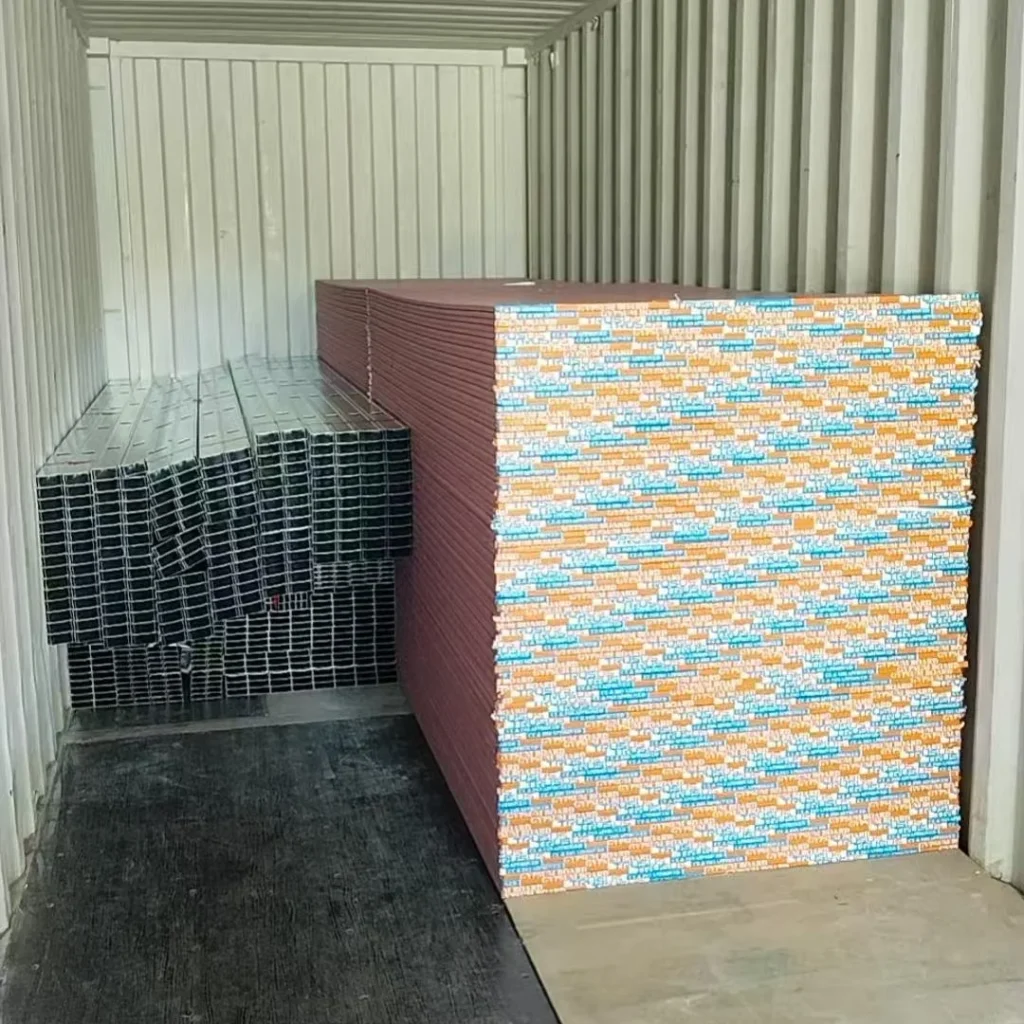
Gypsum boards should always be stored flat, off the ground, and in a dry, ventilated space to prevent warping or moisture absorption. Upright storage or leaning against walls weakens the board’s core. TRUSUS insight: proper storage protects structure before installation begins. Gypsum boards are compressed materials that handle pressure well but not bending. Laying them […]
Are PVC Gypsum Tiles More Shatter-Proof Than Traditional Plaster Ceilings?

Are PVC Gypsum Tiles More Shatter-Proof Than Traditional Plaster Ceilings?

Mar 26, 2026
PVC gypsum ceiling tiles are more shatter-resistant than traditional plaster ceilings because their composite layers absorb stress instead of fracturing. The PVC film acts as a flexible shield over a gypsum core. TRUSUS insight: strength in ceilings comes not from hardness, but controlled flexibility. Traditional plaster cracks easily under impact or vibration. PVC gypsum tiles […]
How to Clean Black PVC Ceiling Tiles?

How to Clean Black PVC Ceiling Tiles?

Mar 25, 2026
Clean black PVC ceiling tiles using a mild detergent solution and a soft microfiber cloth. Avoid strong chemicals that damage the anti-static or UV-coated surface of the tile. TRUSUS insight: cleaning is about restoring surface energy—not removing stains. Mix warm water with neutral soap, gently wipe in circular motion, and dry immediately to prevent streaks. […]
How to Handle and Store Gypsum Board on a Guyana Construction Site?

How to Handle and Store Gypsum Board on a Guyana Construction Site?

Mar 24, 2026
Handle and store gypsum board in a dry, covered, and ventilated environment, raised off the ground by at least 8 cm. Stack flat, not upright, and cover with a breathable moisture-resistant sheet. TRUSUS insight: in humid Guyana, handling equals protection—every move shapes performance. Handling is not only transport—it is part of the environmental system design. […]
What Is the Deflection Limit for Gypsum Board?

What Is the Deflection Limit for Gypsum Board?

Mar 23, 2026
The typical deflection limit for gypsum board is L/240 to L/360, depending on whether it’s used for walls or ceilings. “L” represents the span between support points. TRUSUS insight: deflection defines how a board behaves as a structure, not just how it decorates. This small numerical limit ensures the board stays flat, joints don’t crack, […]
Should You Use Moisture-Resistant Drywall in a Basement?

Should You Use Moisture-Resistant Drywall in a Basement?

Mar 20, 2026
Yes, you should use moisture-resistant drywall in basements, especially along exterior walls or damp zones. It reduces mold risk and prolongs wall life under humid conditions. TRUSUS insight: moisture resistance isn’t waterproofing—it’s part of an environmental control system. Moisture-resistant drywall slows humidity transfer and protects core integrity, but it works properly only when paired with […]
What Are Common Drywall Mudding Mistakes?

What Are Common Drywall Mudding Mistakes?

Mar 19, 2026
The most common drywall mudding mistakes are applying too much mud, skipping reinforcement tape, and poor sanding technique that leaves visible ridges after painting. TRUSUS insight: smooth walls come from system awareness, not just hand skill. Too much mud shrinks during drying and cracks. Unequal layering or missed tape weakens joints. Real quality comes from […]
Why Is Moisture-Resistant Gypsum Board Tapered?

Why Is Moisture-Resistant Gypsum Board Tapered?

Mar 18, 2026
Moisture-resistant gypsum board is tapered so that joints can be filled and covered evenly with joint compound and tape. This design helps create a smooth finish without bumps or cracks. TRUSUS insight: what looks like a small edge detail is actually a system-level accuracy feature. Tapering gives installers space to hide seams while maintaining a […]
Previous 1 ... 6 7 8 9 10 ... 24 Next

Copyright 2002 - 2026 Trusus | All Rights Reserved | Powered by Trusus