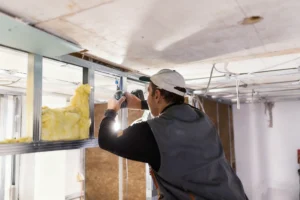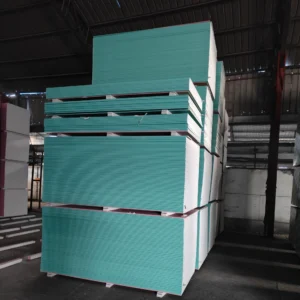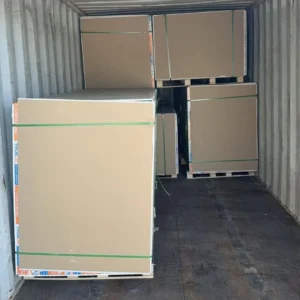


Yes, different brands of metal studs and gypsum boards can be used together if their specifications, load capacity, and installation standards are compatible. The key is matching system performance instead of only matching brand names.
TRUSUS system insight: more contractors now understand that drywall performance depends on complete system coordination, not only on individual products.
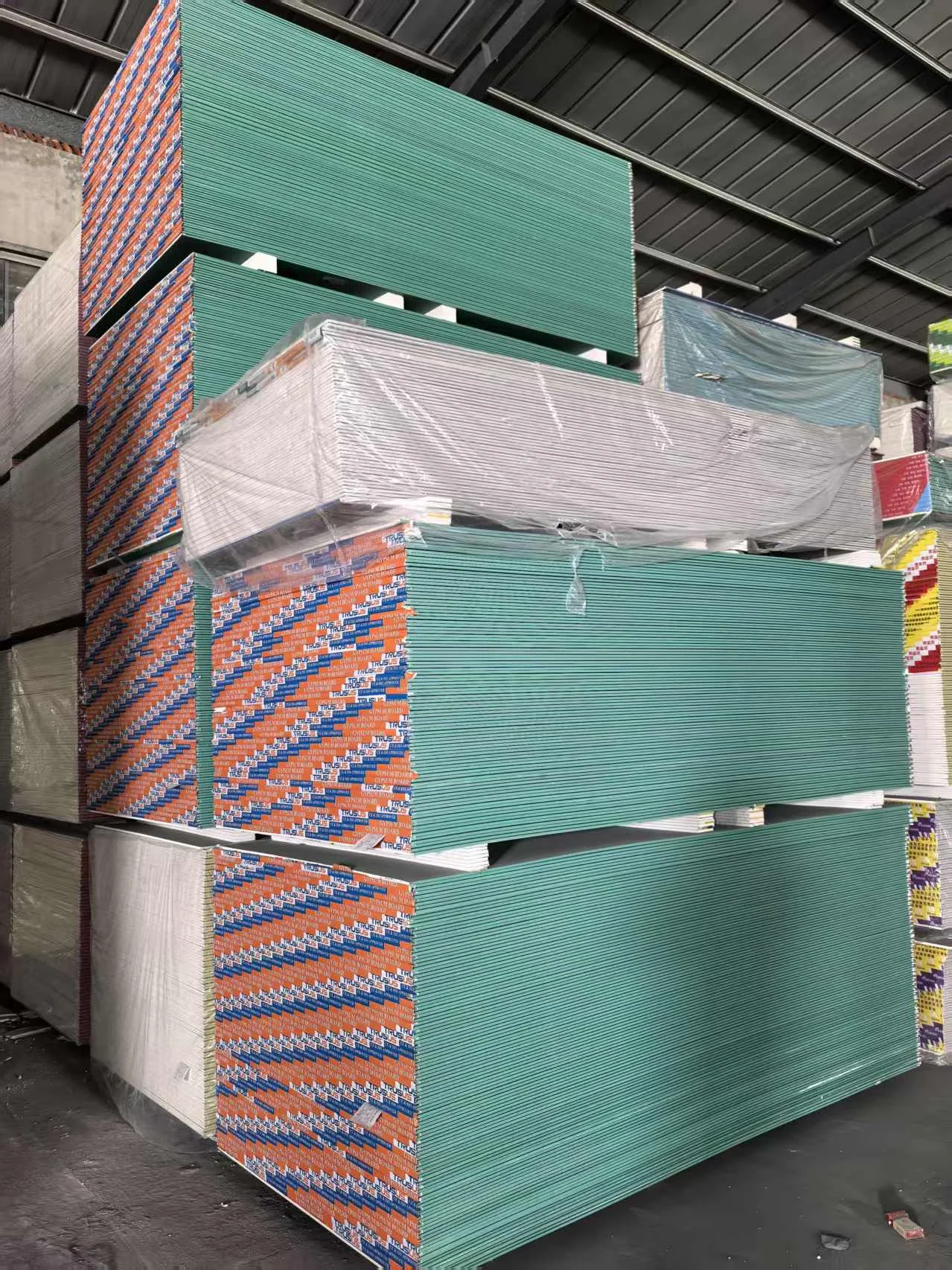
I increasingly see project teams focus on compatibility because modern buildings demand tighter quality control and clearer responsibility management.
System thinking is replacing simple material purchasing.
Key Compatibility Requirements
| Component Factor | Requirement |
|---|---|
| Stud width | Match board system design |
| Steel thickness | Meet structural load requirement |
| Corrosion protection | Compatible galvanization quality |
Basic specifications must align.
Common Compatible Configurations
| Stud Type | Typical Board Match |
|---|---|
| 50 mm stud | Standard partition board |
| 75 mm stud | Acoustic partition systems |
| 100 mm stud | High-performance wall systems |
Different wall functions require different framing systems.
Risks Of Random Product Mixing
| Risk | Possible Result |
|---|---|
| Different deflection rates | Cracking |
| Incompatible fasteners | Loose installation |
| Uneven system performance | Warranty disputes |
System mismatch creates hidden risks.
Why Compatibility Testing Matters
| Testing Area | Purpose |
|---|---|
| Load performance | Structural safety |
| Fire resistance | Compliance assurance |
| Acoustic performance | System consistency |
Testing reduces engineering uncertainty.
Why System Coordination Is Becoming Important
| Traditional Material Purchasing | Modern System Integration |
|---|---|
| Lowest-price selection | Coordinated performance selection |
| Independent product thinking | Whole-system engineering thinking |
| Separated supplier responsibility | Integrated quality responsibility |
Construction quality increasingly depends on system reliability.
The Industry Shift Behind Compatibility Questions
| Traditional Building Material Industry | Modern Integrated Solution Industry |
|---|---|
| Product sales orientation | System performance orientation |
| Independent product support | Full engineering coordination |
| Simple technical guidance | Risk-management consultation |
I increasingly believe integrated-system expertise will become the core competitive advantage in drywall projects.
Does The Brand Of Joint Compound Affect The Warranty Of The Board?
Yes, the brand and type of joint compound can affect the warranty of the gypsum board system because incompatible compounds may cause cracking, poor adhesion, or surface failure. Many manufacturers recommend approved or tested joint systems to maintain warranty coverage.
TRUSUS warranty insight: drywall warranties increasingly depend on complete system performance instead of individual material quality.
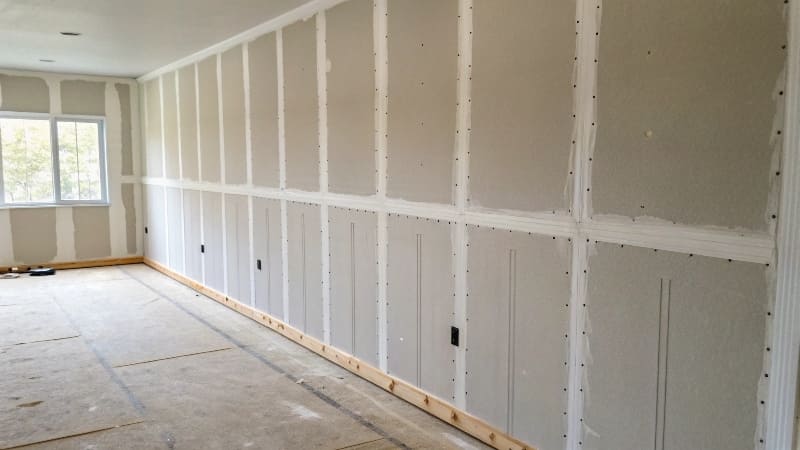
I increasingly see project disputes caused by incompatible finishing materials rather than by the gypsum boards themselves.
Small materials can create major liability issues.
Why Joint Compound Compatibility Matters
| Compatibility Factor | Impact |
|---|---|
| Shrinkage rate | Crack prevention |
| Adhesion strength | Joint durability |
| Chemical compatibility | Surface stability |
Joint compounds influence long-term performance.
Common Problems From Incompatible Compounds
| Problem | Result |
|---|---|
| Excessive shrinkage | Joint cracking |
| Weak bonding | Tape separation |
| Different flexibility | Surface movement damage |
System coordination is essential.
Recommended Warranty Practices
| Practice | Benefit |
|---|---|
| Use approved compounds | Warranty protection |
| Follow manufacturer instructions | Better consistency |
| Maintain installation records | Easier claim verification |
Documentation supports accountability.
Why Finishing Materials Matter More Today
| Traditional Drywall Thinking | Modern System Thinking |
|---|---|
| Boards considered separately | Entire assembly evaluated |
| Appearance-focused finishing | Performance-focused finishing |
| Simple installation logic | Engineered compatibility logic |
Finishing products are now part of engineered systems.
Why Warranty Expectations Are Changing
| Earlier Construction Standards | Modern Construction Standards |
|---|---|
| Basic product guarantees | Full-system guarantees |
| Limited supplier responsibility | Coordinated responsibility management |
| Reactive repair approach | Preventive quality-control approach |
Warranty management increasingly depends on system discipline.
The Industry Evolution Behind Warranty Questions
| Traditional Material Supply Model | Modern Engineering-Service Model |
|---|---|
| Individual material selling | Integrated performance assurance |
| Product specification focus | Lifecycle reliability focus |
| Simple customer support | Technical risk-management support |
I increasingly see warranty confidence becoming a major reason clients choose complete system suppliers.
Is It Better To Buy A Complete System From A Single Supplier?
In many projects, buying a complete drywall system from a single supplier is the safer and more efficient option because compatibility, technical support, and warranty responsibility become much clearer. This approach often reduces installation risk and simplifies project management.
TRUSUS project insight: complete-system purchasing is becoming more common because modern construction increasingly prioritizes risk reduction and accountability.
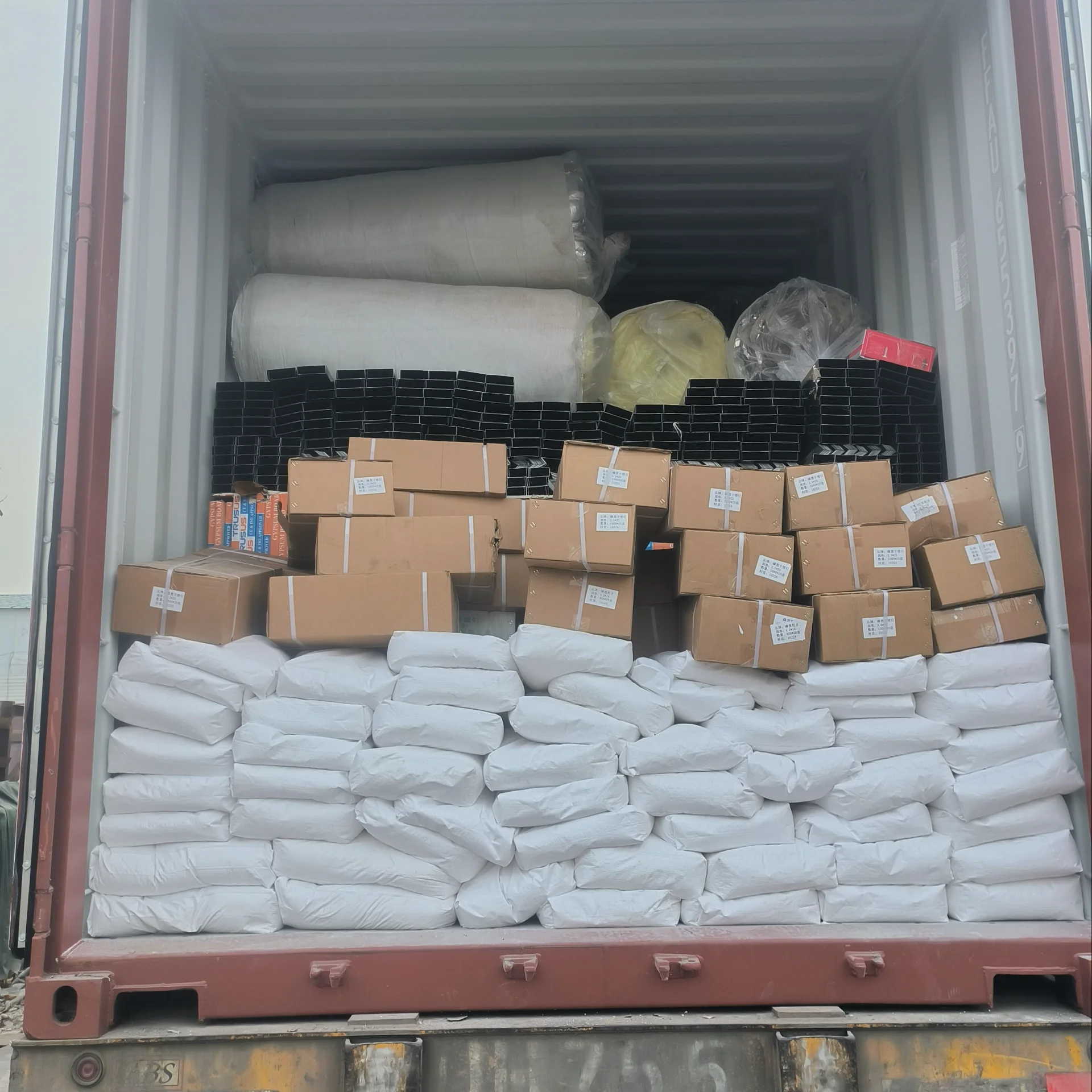
I increasingly see large projects prefer integrated suppliers because coordination problems between multiple brands often create hidden delays and quality disputes.
Responsibility clarity now has real financial value.
Advantages Of Single-Supplier Systems
| Advantage | Benefit |
|---|---|
| Tested compatibility | Lower failure risk |
| Unified warranty | Clear accountability |
| Coordinated installation standards | Better consistency |
Integrated systems simplify project execution.
Possible Disadvantages
| Limitation | Consideration |
|---|---|
| Less pricing flexibility | Fewer supplier negotiations |
| Limited product selection | Brand dependence |
| Supply-chain concentration | Backup planning needed |
System purchasing still requires evaluation.
Why Large Projects Prefer System Purchasing
| Project Type | Main Reason |
|---|---|
| Hospitals | Strict performance standards |
| Government projects | Clear compliance responsibility |
| High-rise buildings | Reduced technical risk |
Complex projects need stronger coordination.
Why Integrated Systems Reduce Risk
| Multi-Supplier Risk | Single-System Advantage |
|---|---|
| Warranty disputes | Unified responsibility |
| Compatibility uncertainty | Tested configurations |
| Different installation standards | Coordinated procedures |
System integration improves predictability.
Why Construction Procurement Is Changing
| Traditional Procurement Model | Modern Integrated Procurement Model |
|---|---|
| Price-driven purchasing | Risk-managed purchasing |
| Product-by-product selection | Full-system coordination |
| Fragmented responsibility | Centralized accountability |
Procurement increasingly focuses on lifecycle performance.
The Industry Shift Behind System-Purchasing Questions
| Traditional Material Market | Modern Construction-Service Market |
|---|---|
| Commodity product competition | Integrated solution competition |
| Basic technical support | Full engineering support |
| Material delivery orientation | Project outcome orientation |
I increasingly believe system-service capability will become more important than product pricing alone.
How Do I Match The Expansion Joints With The Building's Structure?
Expansion joints in drywall systems should align with the building’s structural movement joints and accommodate thermal expansion, seismic movement, and structural deflection. Proper joint placement helps prevent cracking and allows the wall or ceiling system to move safely with the building.
TRUSUS structural insight: expansion joints are no longer viewed as optional details. They are critical engineering components in modern drywall systems.
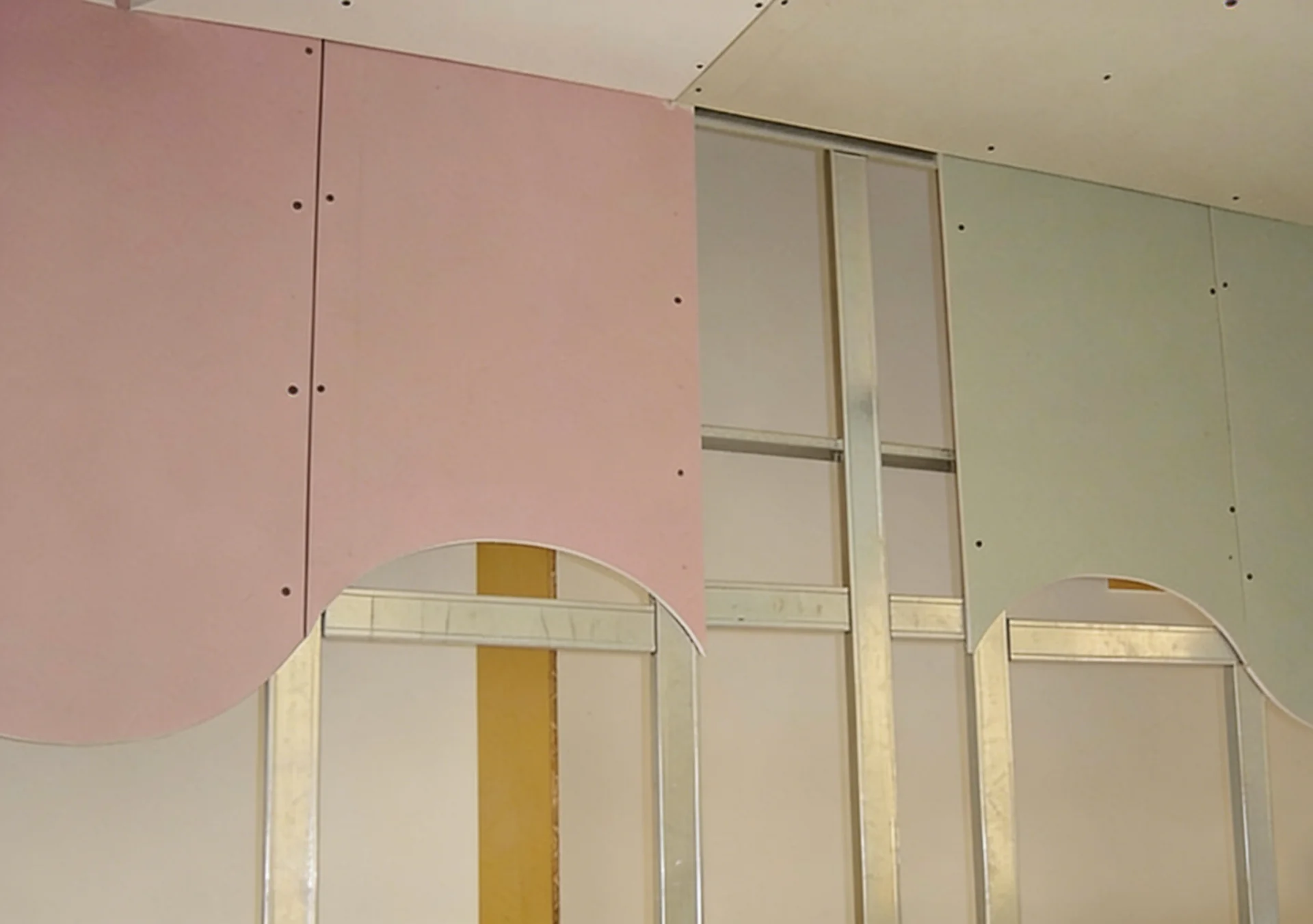
I increasingly see structural movement become a major concern because modern buildings use larger spans, lighter materials, and more complex structural systems.
Movement control is now part of quality engineering.
Main Factors Affecting Expansion-Joint Design
| Structural Factor | Design Impact |
|---|---|
| Building height | Movement range |
| Temperature variation | Expansion stress |
| Seismic requirements | Flexible joint performance |
Structural behavior determines joint strategy.
Typical Expansion-Joint Recommendations
| Application Area | Typical Joint Width |
|---|---|
| Standard partitions | 10–15 mm |
| Large ceiling systems | 15–20 mm |
| Seismic zones | Project-specific design |
Joint dimensions depend on movement expectations.
Recommended Joint Materials
| Material Type | Function |
|---|---|
| Flexible sealant | Movement absorption |
| Expansion profiles | Controlled joint appearance |
| Compressible fillers | Gap stability |
Flexible materials improve durability.
Common Expansion-Joint Mistakes
| Mistake | Result |
|---|---|
| Ignoring structural joints | Wall cracking |
| Rigid joint filling | Stress concentration |
| Incorrect spacing | Surface movement damage |
Movement must be managed intentionally.
Why Structural Coordination Is Becoming Essential
| Traditional Interior Construction | Modern Building-System Coordination |
|---|---|
| Cosmetic partition focus | Structural integration focus |
| Simple drywall installation | Engineering-based detailing |
| Static-building assumptions | Dynamic movement management |
Buildings increasingly require coordinated engineering systems.
The Industry Evolution Behind Expansion-Joint Questions
| Traditional Drywall Industry | Modern Building-Performance Industry |
|---|---|
| Decorative partition thinking | Structural-performance thinking |
| Basic installation standards | Advanced movement-control standards |
| Product-focused solutions | Integrated engineering solutions |
I increasingly see movement-management expertise becoming one of the most important technical skills in drywall-system design.
Conclusion
At TRUSUS, I see drywall systems evolving from separate material products into integrated engineering solutions. Future industry value will come from compatibility control, unified responsibility systems, technical coordination, and the ability to reduce project risk through complete system integration.