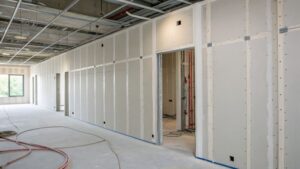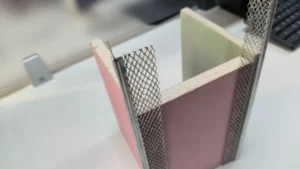


Yes, perforated gypsum board significantly improves echo control in large halls by absorbing sound energy and reducing sound reflection. It works especially well in mid- and high-frequency ranges when combined with acoustic backing materials and air cavities.
TRUSUS acoustic insight: perforated gypsum board is no longer only a decorative ceiling material. It has become an important tool for architectural acoustic engineering.
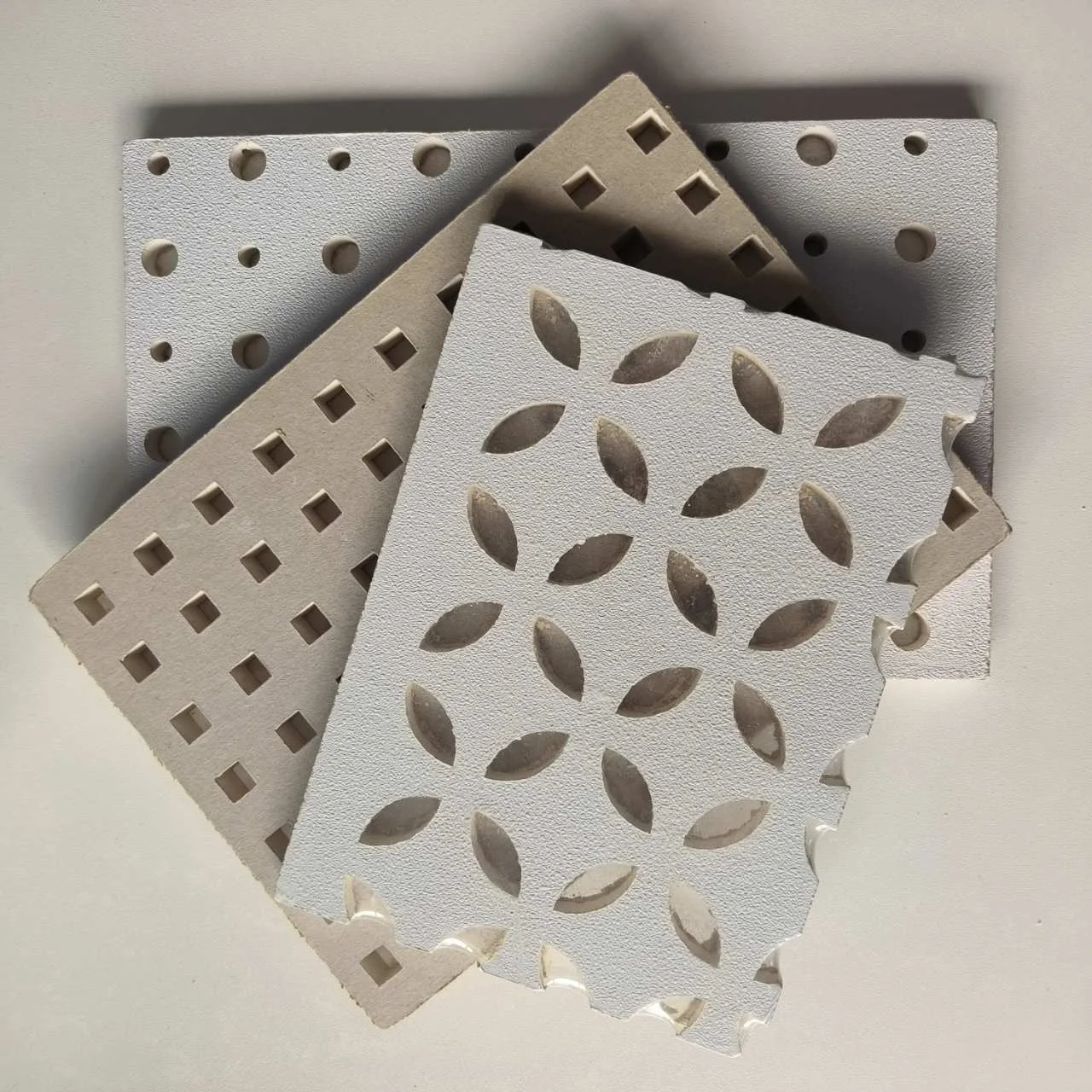
I increasingly see architects and acoustic consultants prioritize sound quality because modern public spaces now demand both visual comfort and acoustic comfort.
People notice poor acoustics immediately.
How Perforated Gypsum Board Controls Echo
| Acoustic Mechanism | Function |
|---|---|
| Perforation resonance | Absorbs sound energy |
| Air cavity damping | Reduces reflection |
| Backing insulation absorption | Improves broadband performance |
The system works as a combined acoustic structure.
Recommended Acoustic Configurations
| Component | Typical Recommendation |
|---|---|
| Hole diameter | 0.8–2.5 mm |
| Perforation rate | 8–25% |
| Back cavity depth | 50–100 mm |
Design parameters affect acoustic performance.
Common Large Hall Applications
| Space Type | Acoustic Goal |
|---|---|
| Concert halls | Balanced reverberation |
| Conference centers | Speech clarity |
| Auditoriums | Echo reduction |
Different spaces require different sound behavior.
Benefits Beyond Echo Reduction
| Additional Benefit | Result |
|---|---|
| Improved speech intelligibility | Better communication |
| Reduced listener fatigue | Greater comfort |
| Better sound balance | Higher space quality |
Acoustic treatment improves user experience.
TRUSUS Why Acoustic Design Is Becoming Important
| Traditional Interior Design | Modern Environmental Design |
|---|---|
| Visual appearance priority | Multi-sensory comfort priority |
| Basic decorative surfaces | Performance-based materials |
| Simple functional spaces | Experience-focused architecture |
Sound quality increasingly affects building value.
The Industry Shift Behind Acoustic Questions
| Traditional Ceiling Materials Industry | Modern Acoustic Engineering Industry |
|---|---|
| Decorative product focus | Acoustic performance focus |
| Basic installation support | Environmental engineering consultation |
| Commodity material sales | System-based acoustic solutions |
I increasingly believe acoustic expertise will become one of the most important competitive advantages for building material manufacturers.
What Is The NRC Rating Of 12mm Perforated Acoustic Gypsum Board?
A 12mm perforated acoustic gypsum board usually has an NRC rating between 0.65 and 0.85 depending on perforation rate, backing material, and installation depth. Systems with mineral wool backing and optimized cavities can exceed NRC 0.80.
TRUSUS performance insight: NRC values are becoming a key specification because acoustic performance is now measured with the same precision as fire or structural performance.
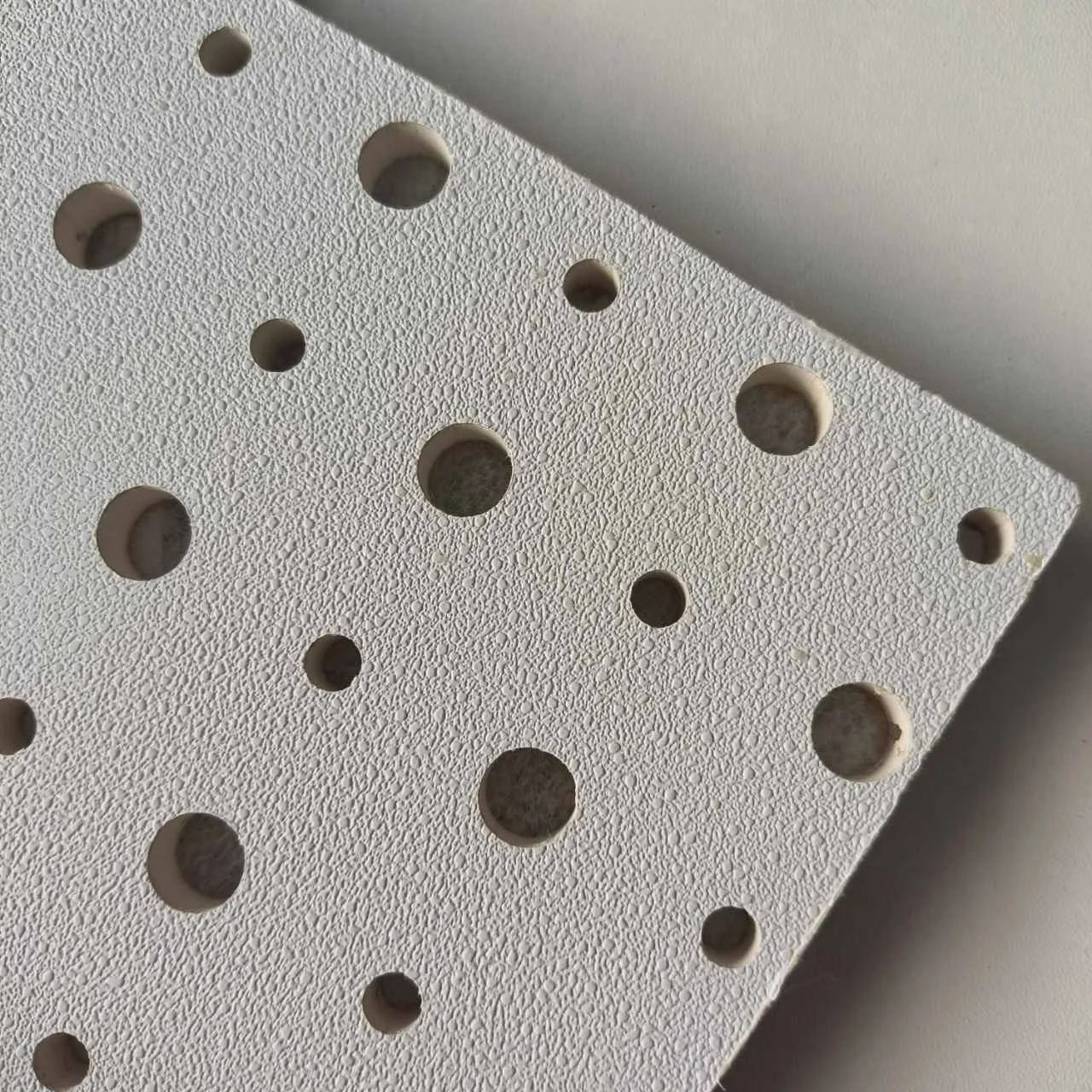
I increasingly see project teams request certified acoustic test data because high-end buildings now require measurable environmental performance.
Acoustic quality is becoming quantifiable.
Typical NRC Performance Ranges
| System Configuration | Typical NRC |
|---|---|
| Basic perforated board | 0.55–0.65 |
| Board with fleece backing | 0.65–0.75 |
| Full acoustic system with mineral wool | 0.75–0.85 |
Complete systems perform better than panels alone.
Factors Affecting NRC Ratings
| Factor | Acoustic Impact |
|---|---|
| Perforation percentage | Absorption efficiency |
| Air cavity depth | Frequency response |
| Backing material | Broadband absorption |
System design determines final performance.
Common Frequency Performance
| Frequency Range | Performance Level |
|---|---|
| Low frequency | Moderate |
| Mid frequency | Strong |
| High frequency | Excellent |
Perforated boards work best for speech and human activity noise.
Why NRC Ratings Matter In Projects
| Building Type | Acoustic Priority |
|---|---|
| Schools | Speech clarity |
| Offices | Noise reduction |
| Hotels | Guest comfort |
NRC values help standardize acoustic expectations.
Why Acoustic Standards Are Expanding
| Traditional Construction Standards | Modern Building Standards |
|---|---|
| Structural and fire focus | Environmental quality focus |
| Basic material compliance | Measured performance compliance |
| Simple functionality | User comfort engineering |
Buildings increasingly compete through comfort quality.
The Industry Evolution Behind NRC Questions
| Traditional Building Material Market | Modern Performance Engineering Market |
|---|---|
| Visual design orientation | Measurable acoustic performance |
| Generic specifications | Certified technical testing |
| Material-focused selling | Environmental solution selling |
I increasingly see acoustic testing becoming a core part of product credibility.
How Do You Joint Perforated Drywall Without Blocking The Holes?
Perforated drywall joints should use specialized jointing methods that preserve acoustic openings instead of fully covering perforations with standard compound. V-shaped joints, narrow joint lines, and flexible fillers help maintain acoustic continuity.
TRUSUS installation insight: poor joint treatment can reduce acoustic performance by more than half even when premium acoustic panels are used.
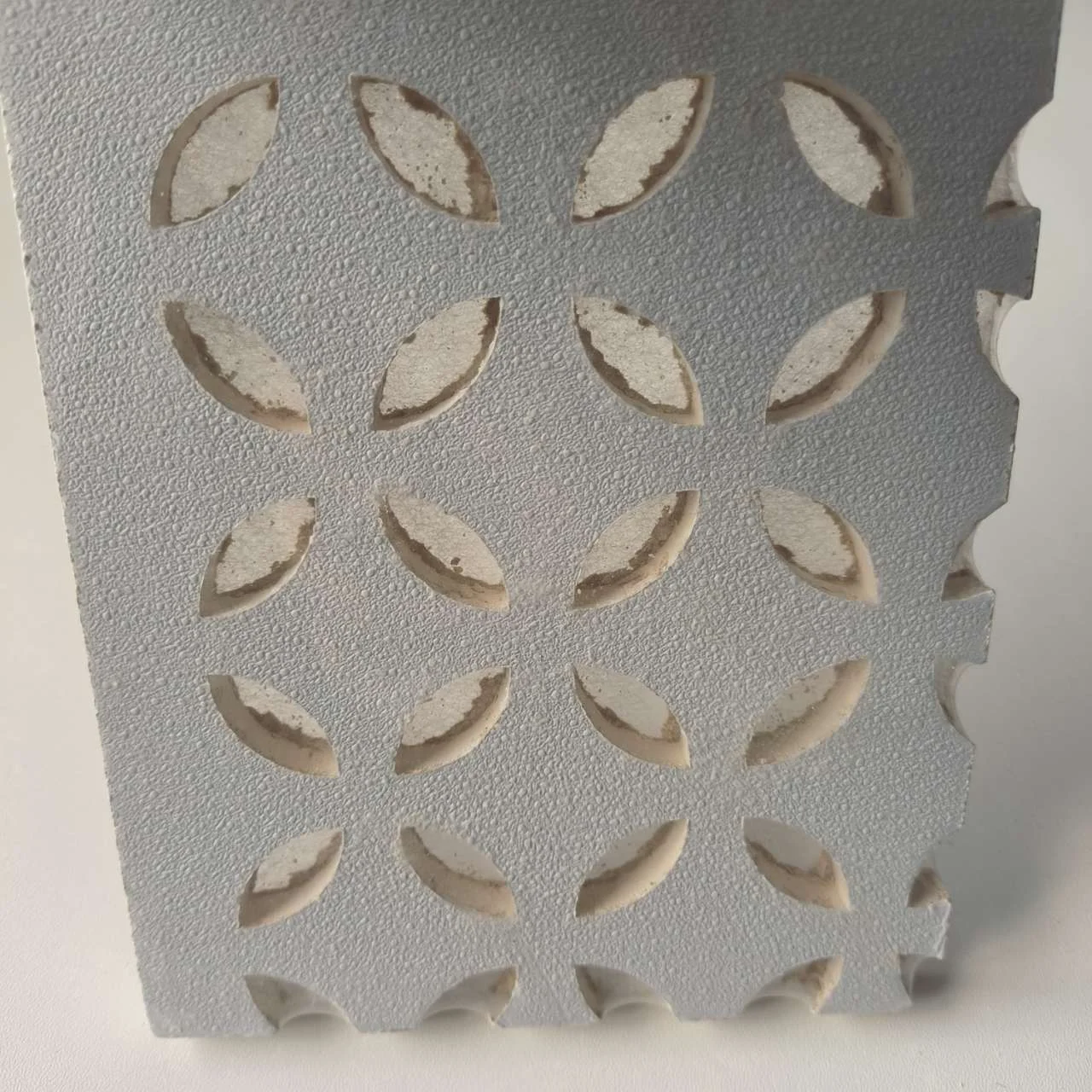
I increasingly see acoustic projects fail because installers apply normal drywall finishing methods to acoustic systems.
Acoustic ceilings require specialized craftsmanship.
Recommended Jointing Methods
| Method | Main Benefit |
|---|---|
| V-groove joint design | Maintains perforation flow |
| Minimal filler application | Preserves open area |
| Flexible acoustic sealant | Reduces cracking |
Joint precision affects sound absorption.
Common Installation Mistakes
| Mistake | Result |
|---|---|
| Excessive joint compound | Blocked perforations |
| Poor sanding | Uneven appearance |
| Incorrect tape placement | Acoustic discontinuity |
Small mistakes can significantly reduce performance.
Why Acoustic Continuity Matters
| Acoustic Issue | Impact |
|---|---|
| Blocked holes | Reduced NRC |
| Uneven airflow | Irregular absorption |
| Rigid joint cracking | Long-term failure |
Continuous acoustic pathways are essential.
Recommended Installation Workflow
| Installation Step | Purpose |
|---|---|
| Accurate panel alignment | Visual consistency |
| Controlled filler depth | Acoustic preservation |
| Careful edge finishing | Clean final appearance |
Professional workmanship improves system reliability.
Why Acoustic Installation Standards Are Rising
| Traditional Drywall Installation | Modern Acoustic System Installation |
|---|---|
| Appearance-focused finishing | Performance-focused finishing |
| Standard drywall methods | Specialized acoustic techniques |
| General labor installation | Skilled acoustic installation |
Installation quality now directly affects measurable performance.
The Industry Shift Behind Jointing Questions
| Traditional Interior Construction | Modern Environmental Engineering |
|---|---|
| Decorative installation focus | Acoustic-system integration focus |
| Generic finishing methods | Precision performance methods |
| Visual acceptance standards | Measured acoustic standards |
I increasingly believe acoustic installation training will become a major industry requirement.
Is A Fleece Backing Necessary For Perforated Acoustic Panels?
Fleece backing is not always mandatory, but it is strongly recommended because it improves sound absorption, prevents dust visibility, and creates a cleaner appearance behind perforations. Most high-performance acoustic systems use fleece backing as a standard component.
TRUSUS system insight: fleece backing may look simple, but it plays an important role in acoustic consistency and visual quality.
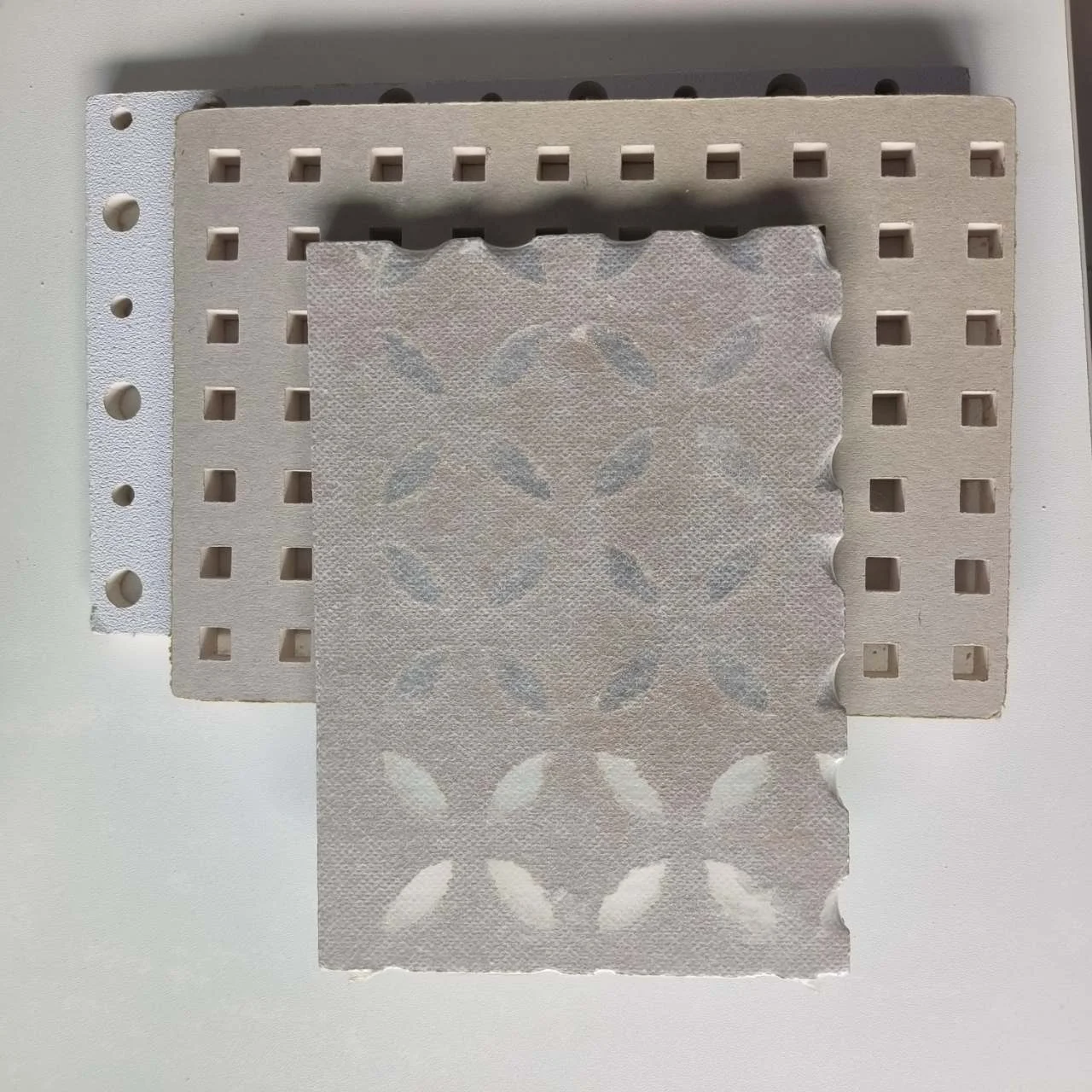
I increasingly see designers request fleece-backed systems because modern interiors require both acoustic efficiency and refined visual appearance.
Technical details now influence design quality.
Main Functions Of Fleece Backing
| Function | Benefit |
|---|---|
| Sound diffusion control | Better absorption |
| Dust blocking | Cleaner perforation appearance |
| Fiber containment | Safer installation environment |
Fleece improves both function and aesthetics.
Typical Fleece Specifications
| Specification | Common Range |
|---|---|
| Material weight | 25–50 g/m² |
| Color | Black or gray |
| Acoustic transparency | High |
Acoustic fleece must allow airflow.
Performance Improvements With Fleece
| Improvement Area | Typical Effect |
|---|---|
| NRC enhancement | +15–25% |
| Visual uniformity | Significant |
| Dust control | Strong improvement |
Small additions can create major performance gains.
Situations Where Fleece Is Most Important
| Application | Importance Level |
|---|---|
| High-end auditoriums | Essential |
| Conference rooms | Highly recommended |
| Decorative residential spaces | Optional |
Project quality expectations determine necessity.
Why Acoustic Systems Are Becoming More Sophisticated
| Earlier Acoustic Products | Modern Acoustic Systems |
|---|---|
| Single-material panels | Multi-layer engineered systems |
| Basic sound absorption | Tuned environmental control |
| Simple construction materials | Precision acoustic assemblies |
Acoustic design increasingly relies on integrated systems.
The Industry Evolution Behind Fleece Questions
| Traditional Ceiling Product Industry | Modern Architectural Acoustics Industry |
|---|---|
| Decorative material manufacturing | Environmental performance engineering |
| Simple product supply | System optimization support |
| Standard ceiling applications | Specialized acoustic environments |
I increasingly see complete acoustic-system knowledge becoming more valuable than standalone product manufacturing.
Conclusion
At TRUSUS, I see perforated gypsum board evolving from decorative ceiling material into a precision acoustic engineering system. Future industry value will come from measurable acoustic performance, professional installation expertise, and integrated environmental design solutions.